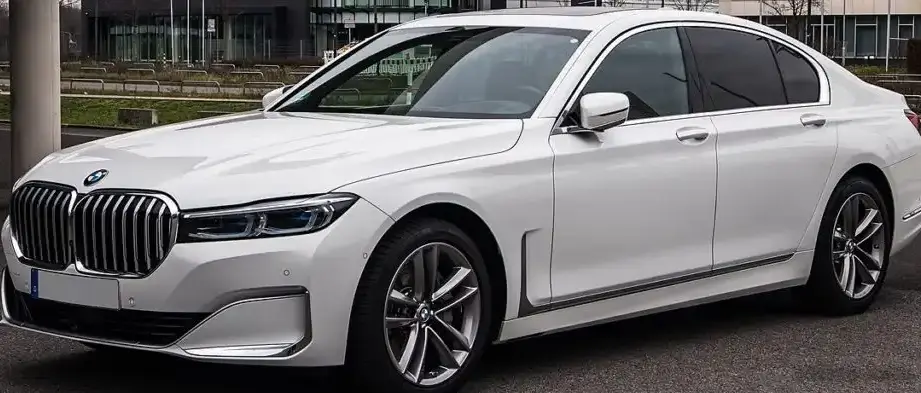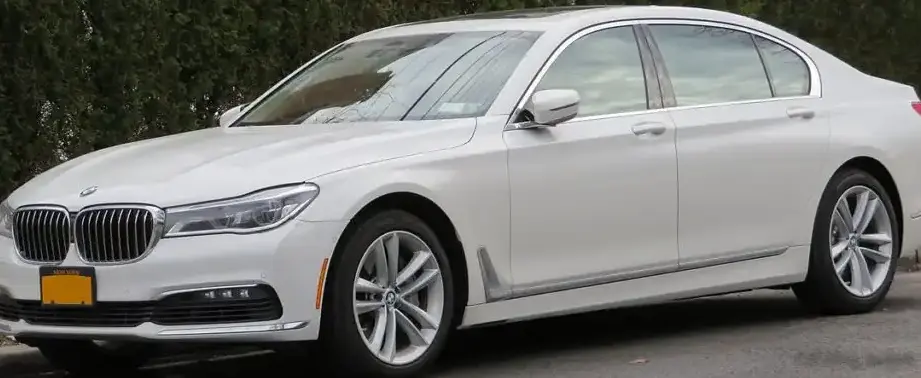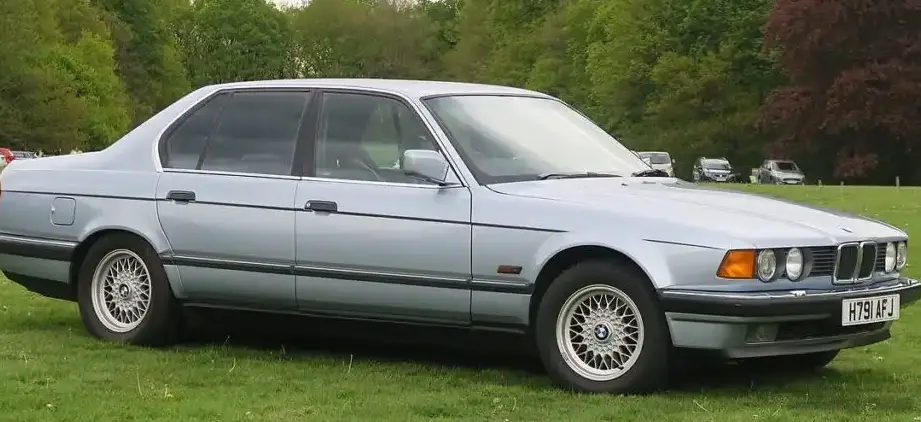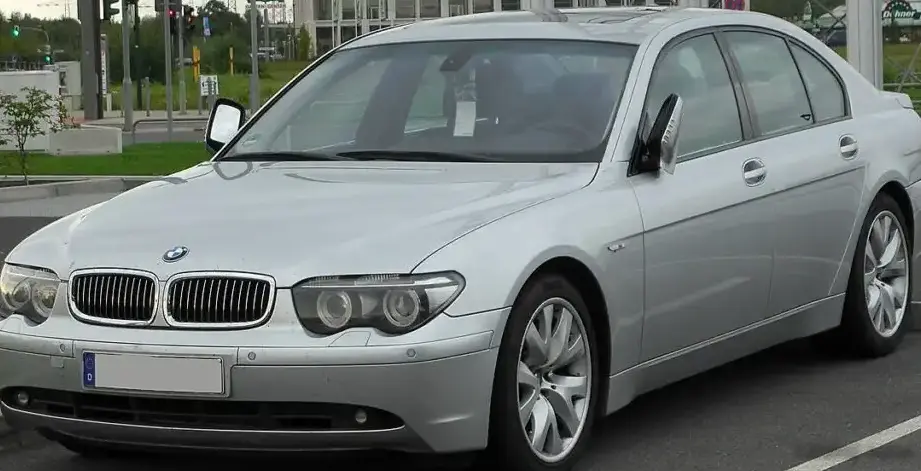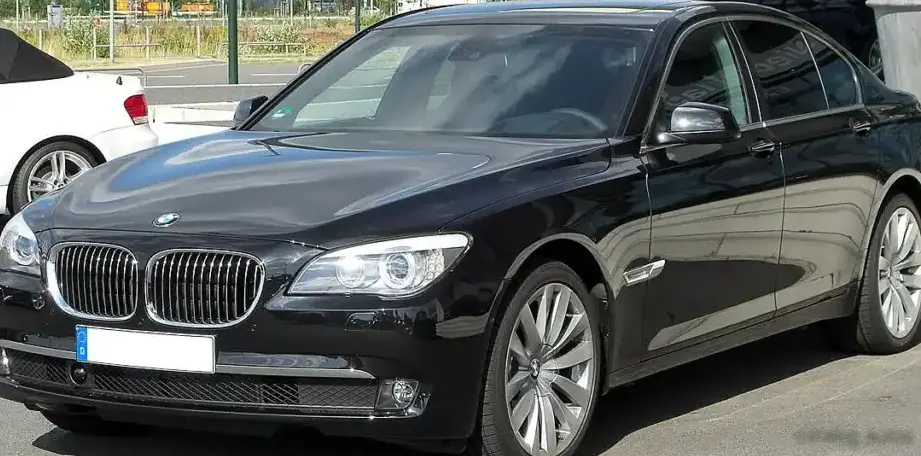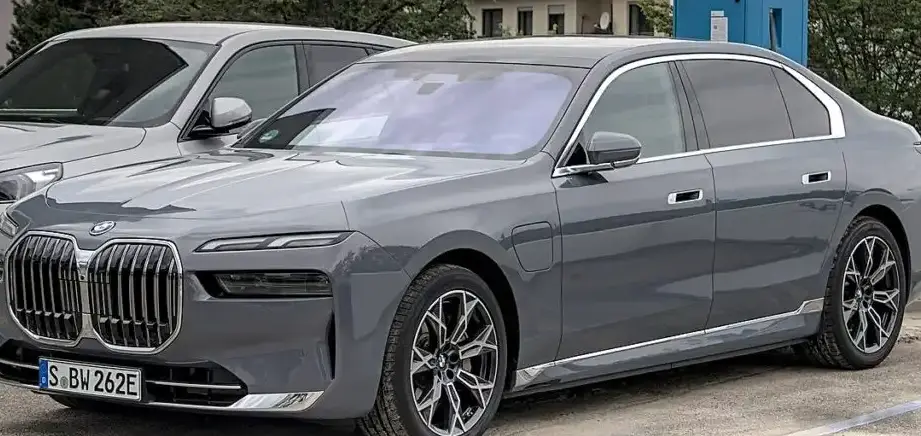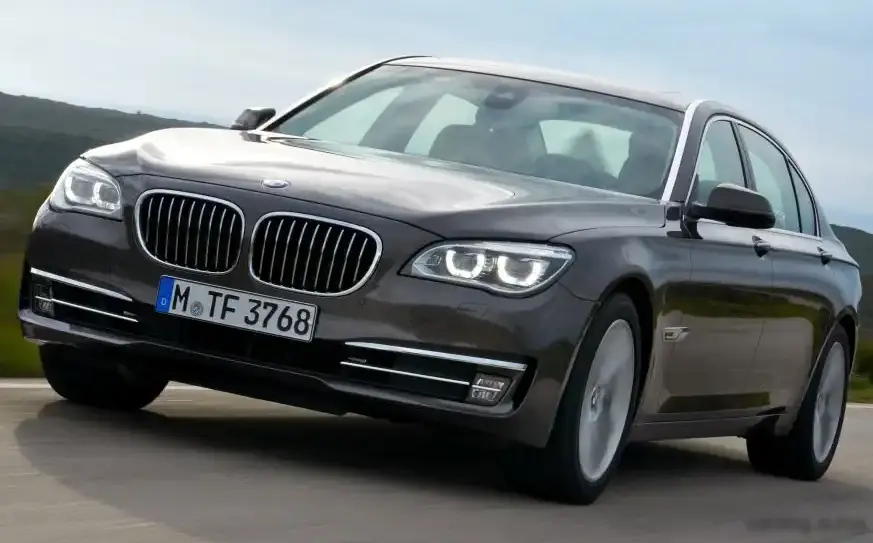
The BMW 730Ld (F02 LCI), produced from 2012 to 2015, represents a significant iteration of BMW’s flagship luxury sedan, the 7 Series. This long-wheelbase variant, designated ‘L’, was primarily aimed at markets where rear-seat passenger comfort and prestige were highly valued, particularly in Asia and Europe. The “LCI” designation signifies a Life Cycle Impulse – a mid-cycle refresh bringing styling and technological updates. The 730Ld specifically denotes a diesel-powered model with 258 horsepower, coupled with BMW’s Steptronic 8-speed automatic transmission. It occupied a middle ground within the 7 Series lineup, offering a balance between performance, efficiency, and luxury features, positioned below the more powerful 740i and 750i models.
Technical Specifications
| Brand | BMW |
| Model | 7 Series |
| Generation | 7 Series Long (F02 LCI, facelift 2012) |
| Type (Engine) | 730Ld (258 Hp) Steptronic |
| Start of production | 2012 |
| End of production | 2015 |
| Powertrain Architecture | Internal Combustion engine |
| Body type | Sedan |
| Seats | 5 |
| Doors | 4 |
| Fuel consumption (urban) | 6.8 l/100 km (34.6 US mpg, 41.5 UK mpg, 14.7 km/l) |
| Fuel consumption (extra urban) | 4.9 l/100 km (48 US mpg, 57.6 UK mpg, 20.4 km/l) |
| Fuel consumption (combined) | 5.6 l/100 km (42 US mpg, 50.4 UK mpg, 17.9 km/l) |
| Fuel Type | Diesel |
| Acceleration 0 – 100 km/h | 6.2 sec |
| Acceleration 0 – 62 mph | 6.2 sec |
| Acceleration 0 – 60 mph | 5.9 sec |
| Maximum speed | 250 km/h (155.34 mph) |
| Weight-to-power ratio | 7.6 kg/Hp, 132.3 Hp/tonne |
| Weight-to-torque ratio | 3.5 kg/Nm, 287.2 Nm/tonne |
| Power | 258 Hp @ 4000 rpm |
| Power per litre | 86.2 Hp/l |
| Torque | 560 Nm @ 1500 rpm (413.03 lb.-ft. @ 1500 rpm) |
| Engine layout | Front, Longitudinal |
| Engine Model/Code | N57D30A |
| Engine displacement | 2993 cm3 (182.64 cu. in.) |
| Number of cylinders | 6 |
| Engine configuration | Inline |
| Cylinder Bore | 84 mm (3.31 in.) |
| Piston Stroke | 90 mm (3.54 in.) |
| Compression ratio | 16.5:1 |
| Number of valves per cylinder | 4 |
| Fuel injection system | Diesel Commonrail |
| Engine aspiration | Turbocharger, Intercooler |
| Engine oil capacity | 6.5 l (6.87 US qt | 5.72 UK qt) |
| Coolant | 8.9 l (9.4 US qt | 7.83 UK qt) |
| Kerb Weight | 1950 kg (4299.01 lbs.) |
| Max. weight | 2535 kg (5588.72 lbs.) |
| Max load | 585 kg (1289.7 lbs.) |
| Fuel tank capacity | 80 l (21.13 US gal | 17.6 UK gal) |
| Length | 5219 mm (205.47 in.) |
| Width | 1902 mm (74.88 in.) |
| Height | 1481 mm (58.31 in.) |
| Wheelbase | 3210 mm (126.38 in.) |
| Front track | 1611 mm (63.43 in.) |
| Rear track | 1650 mm (64.96 in.) |
| Drivetrain Architecture | Rear wheel drive |
| Number of gears | 8 |
| Gearbox type | Automatic transmission Steptronic |
| Front brakes | Ventilated discs |
| Rear brakes | Ventilated discs |
| Tires size | 245/55 R17 102W |
| Wheel rims size | 8J x 17 |
Powertrain & Engine Architecture
The heart of the 730Ld is BMW’s N57D30A 3.0-liter inline-six diesel engine. This engine is a highly refined example of common-rail direct injection technology, utilizing piezo injectors for precise fuel delivery. The N57 family of engines is known for its robust construction and relatively high output for its displacement. The 730Ld’s version produces 258 horsepower at 4000 rpm and a substantial 560 Nm (413 lb-ft) of torque from as low as 1500 rpm. This torque output is a key characteristic, providing strong acceleration and effortless cruising. The engine also features a variable geometry turbocharger (VGT) and an intercooler to optimize performance and efficiency. The Steptronic 8-speed automatic transmission is a crucial component, offering smooth and quick shifts. It’s programmed to prioritize fuel economy during normal driving but can readily downshift for responsive acceleration when needed. The transmission’s wide gear ratio spread contributes to both low-speed drivability and high-speed refinement.
Driving Characteristics
The 730Ld delivers a driving experience focused on comfort and effortless power. The abundant low-end torque from the diesel engine means that strong acceleration is available almost instantly, making overtaking and merging onto highways easy. While not as overtly sporty as the gasoline-powered 7 Series models, the 730Ld still feels surprisingly agile for its size. The Steptronic transmission contributes to a relaxed driving experience, seamlessly shifting gears and minimizing disruptions. Compared to the 740i, the 730Ld offers less outright horsepower, resulting in slightly slower acceleration times. However, the diesel’s superior torque often makes it feel more responsive in everyday driving situations. Compared to the 730d (non-LWB), the longer wheelbase of the 730Ld provides a noticeably smoother and more comfortable ride, particularly for rear-seat passengers.
Equipment & Trim Levels
The 730Ld LCI came standard with a comprehensive array of luxury features. These typically included leather upholstery, power-adjustable heated front seats with memory function, a premium sound system, a navigation system with iDrive controller, automatic climate control, and a sunroof. The long-wheelbase configuration added significantly more rear legroom, enhancing passenger comfort. Optional extras included features like massaging seats, rear-seat entertainment systems, adaptive cruise control, lane departure warning, and a head-up display. Trim levels were relatively streamlined, with most customization occurring through individual options rather than distinct packages.
Chassis & Braking
The 730Ld utilizes a double-wishbone front suspension and an integral-link rear suspension, designed to provide a comfortable and controlled ride. The suspension is electronically controlled, adapting to road conditions and driving style. The braking system consists of ventilated disc brakes on all four wheels, providing ample stopping power. Anti-lock braking system (ABS), dynamic stability control (DSC), and traction control are standard safety features. The 730Ld’s weight (approximately 1950 kg or 4299 lbs) is managed effectively by the suspension, minimizing body roll and maintaining composure in corners.
Market Reception & Comparison
The 730Ld was generally well-received by automotive critics, who praised its fuel efficiency, comfortable ride, and refined interior. The diesel engine was noted for its quiet operation and strong performance. However, some reviewers found the steering to be somewhat numb and lacking in feel. Compared to the 740i, the 730Ld offered a more economical option without sacrificing too much in terms of luxury or refinement. Its fuel economy figures – around 42 US mpg combined – were a significant advantage over the gasoline-powered models. Against competitors like the Mercedes-Benz S 350 CDI and the Audi A8 3.0 TDI, the 730Ld held its own, offering a compelling blend of performance, luxury, and efficiency.
Legacy
The N57D30A engine has proven to be remarkably durable and reliable, with many examples exceeding high mileage with proper maintenance. The 730Ld, in particular, benefits from the robust construction of the engine and the well-engineered Steptronic transmission. On the used car market, these models represent a good value proposition, offering a luxurious and comfortable driving experience at a relatively affordable price point. However, potential buyers should be aware of the potential for diesel particulate filter (DPF) issues, particularly on vehicles that have primarily been used for short trips. Regular servicing and preventative maintenance are crucial to ensuring the long-term reliability of this sophisticated luxury sedan.