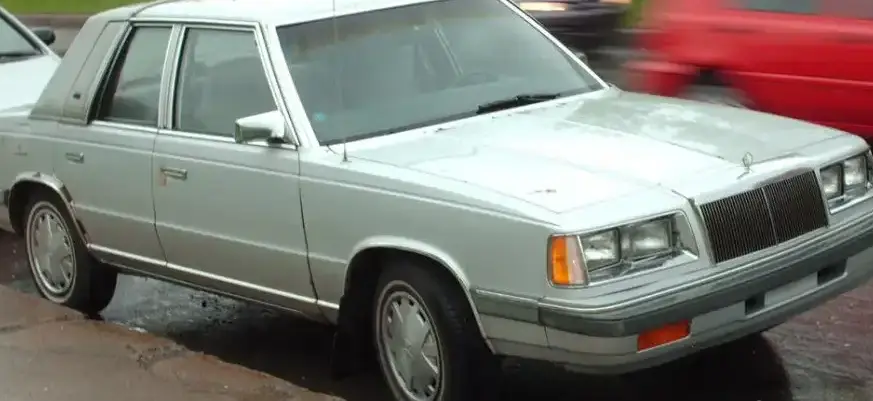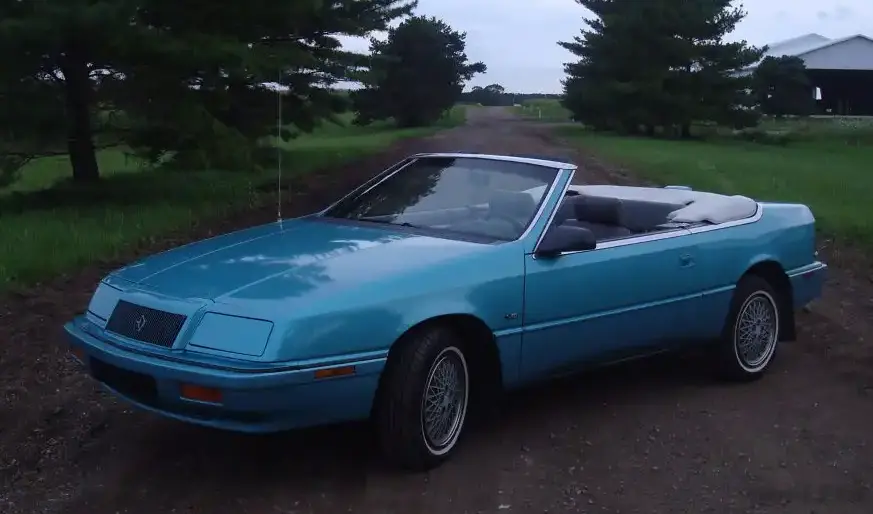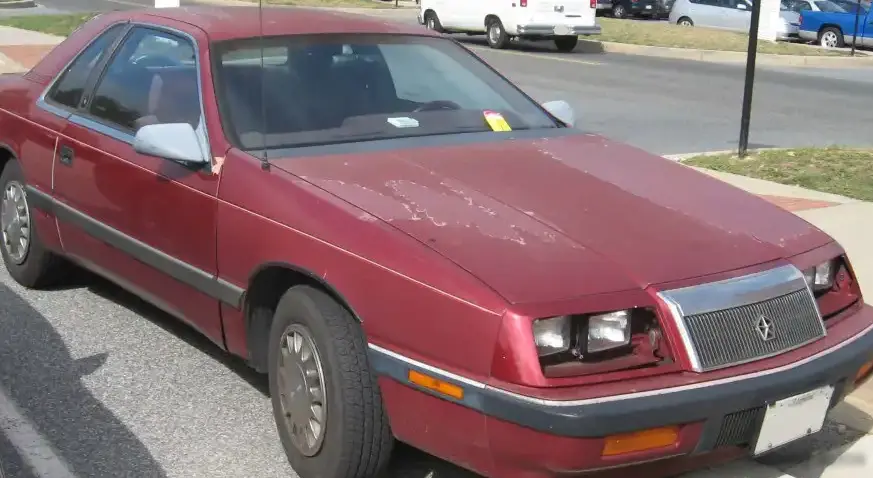
The Chrysler LeBaron Coupe 2.2i Turbo, produced between 1986 and 1990, represented a performance-oriented offering within the second generation LeBaron lineup (1987-1995). Positioned as a more spirited alternative to the base models, the 2.2i Turbo aimed to attract buyers seeking a blend of coupe styling, turbocharged power, and a relatively affordable price point. It was part of the broader K-car platform family, known for its efficient packaging and versatility, but distinguished itself with its unique engine and performance characteristics. The LeBaron Coupe, in general, was Chrysler’s attempt to offer a stylish, two-door alternative in the American market, competing with offerings from Ford and Chevrolet.
Technical Specifications
| Brand | Chrysler |
| Model | LeBaron |
| Generation | LeBaron Coupe (Second Generation) |
| Type (Engine) | 2.2 i Turbo (148 Hp) |
| Start of Production | 1986 |
| End of Production | 1990 |
| Powertrain Architecture | Internal Combustion Engine |
| Body Type | Coupe |
| Fuel Type | Petrol (Gasoline) |
| Power | 148 Hp |
| Engine Aspiration | Turbocharger |
| Engine Oil Capacity | 3.8 l (4.02 US qt | 3.34 UK qt) |
| Coolant Capacity | 8.5 l (8.98 US qt | 7.48 UK qt) |
Powertrain & Engine Architecture
The heart of the LeBaron Coupe 2.2i Turbo was the Chrysler 2.2-liter inline-four cylinder engine, designated as the G24. This engine was a significant departure from the naturally aspirated engines offered in other LeBaron trims. The addition of a Garrett T03 turbocharger, along with an intercooler, boosted power output to 148 horsepower. The engine utilized a multi-point fuel injection system, contributing to improved fuel efficiency and responsiveness. The valvetrain employed a single overhead camshaft (SOHC) design with two valves per cylinder. The turbocharger provided approximately 8.5 psi of boost.
The 2.2i Turbo was typically paired with a three-speed Torqueflite A727 automatic transmission. This transmission was a workhorse for Chrysler for many years, known for its durability, but not necessarily for its sophistication. It featured a torque converter and a relatively simple gear selection process. While a five-speed manual transmission was available on some LeBaron models, it was not offered with the 2.2i Turbo engine. The automatic transmission was geared towards providing smooth, comfortable shifts rather than aggressive performance.
Driving Characteristics
The LeBaron Coupe 2.2i Turbo offered a noticeable performance improvement over the base LeBaron models. The turbocharger provided a surge of power in the mid-range, making it capable of brisk acceleration. However, the three-speed automatic transmission limited its overall potential. The gear ratios were spaced relatively wide, meaning that the engine could feel somewhat strained at highway speeds. Turbo lag was present, a common characteristic of turbochargers of that era, but it was manageable. The suspension was tuned for comfort, resulting in a relatively soft ride. Handling was adequate for everyday driving, but not particularly sporty. The car weighed around 3,000 pounds, which helped to offset the limitations of the engine and transmission.
Compared to the naturally aspirated 2.5-liter engine available in other LeBaron trims, the 2.2i Turbo offered significantly more power, but at the expense of some fuel economy. The manual transmission versions of the 2.5-liter engine provided a more engaging driving experience, while the 2.2i Turbo prioritized ease of use and readily available torque.
Equipment & Trim Levels
The LeBaron Coupe 2.2i Turbo was generally positioned as a mid-range trim level. Standard equipment typically included features such as air conditioning, power steering, power brakes, cloth upholstery, and an AM/FM stereo. Optional extras included leather upholstery, a sunroof, upgraded sound systems, and cruise control. The interior design was typical of the late 1980s, featuring a functional layout with a focus on ergonomics. The dashboard was constructed from durable plastics, and the seats provided adequate support. The 2.2i Turbo often featured unique badging and styling cues to differentiate it from other LeBaron models.
Chassis & Braking
The LeBaron Coupe utilized a front-wheel-drive layout. The suspension consisted of independent front suspension with MacPherson struts and a semi-independent twist-beam rear suspension. The braking system featured power-assisted front disc brakes and rear drum brakes. Stabilizer bars were included at both the front and rear to reduce body roll during cornering. The tires were typically P205/60R15 size. The chassis was relatively lightweight, contributing to the car’s nimble handling characteristics. The braking performance was adequate for everyday driving, but not particularly strong.
Market Reception & Comparison
The LeBaron Coupe 2.2i Turbo received mixed reviews from automotive critics. While the turbocharged engine was praised for its performance, the three-speed automatic transmission was often criticized for its lack of refinement. Some reviewers also noted the presence of turbo lag and the relatively soft suspension. However, the LeBaron Coupe 2.2i Turbo was generally considered to be a good value for the money, offering a compelling combination of style, performance, and affordability.
Compared to other coupes in its class, such as the Ford Mustang and Chevrolet Camaro, the LeBaron Coupe 2.2i Turbo offered a more refined and comfortable driving experience. However, it lacked the raw power and sporty handling of its domestic rivals. Fuel economy was comparable to other turbocharged engines of the era, averaging around 20-25 mpg in combined driving.
Legacy
The Chrysler LeBaron Coupe 2.2i Turbo, while not a high-volume seller, holds a unique place in Chrysler’s history. It represented an attempt to inject some excitement into the LeBaron lineup and appeal to a wider range of buyers. The 2.2-liter turbocharged engine proved to be relatively reliable, although regular maintenance was essential. Today, the LeBaron Coupe 2.2i Turbo is a relatively rare and collectible vehicle. Well-maintained examples are sought after by enthusiasts who appreciate its unique combination of 1980s styling, turbocharged power, and affordability. Parts availability can be a challenge, but many components are still available through aftermarket suppliers. The car’s enduring appeal lies in its ability to evoke a sense of nostalgia for a bygone era of American automotive design.