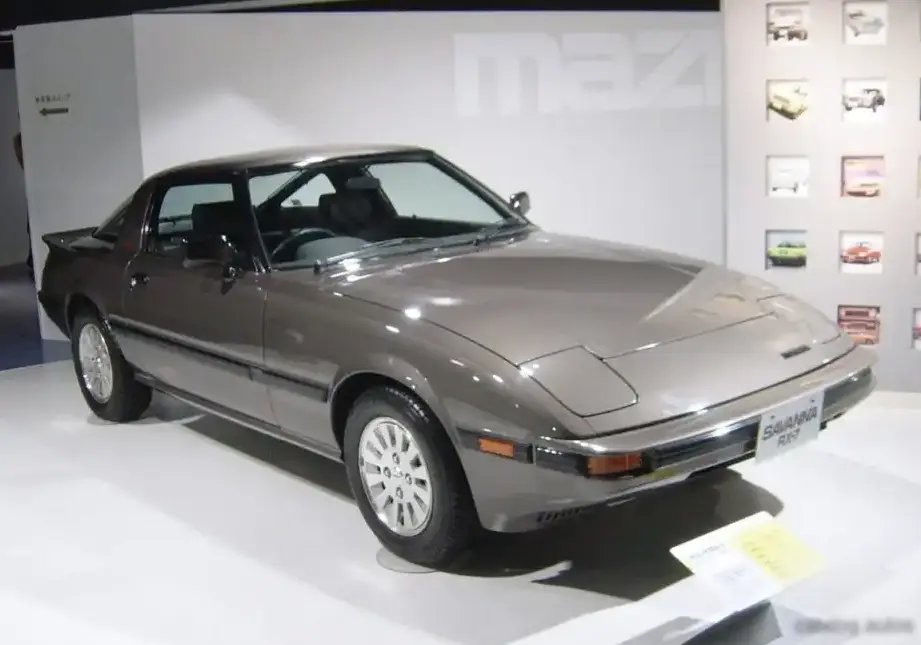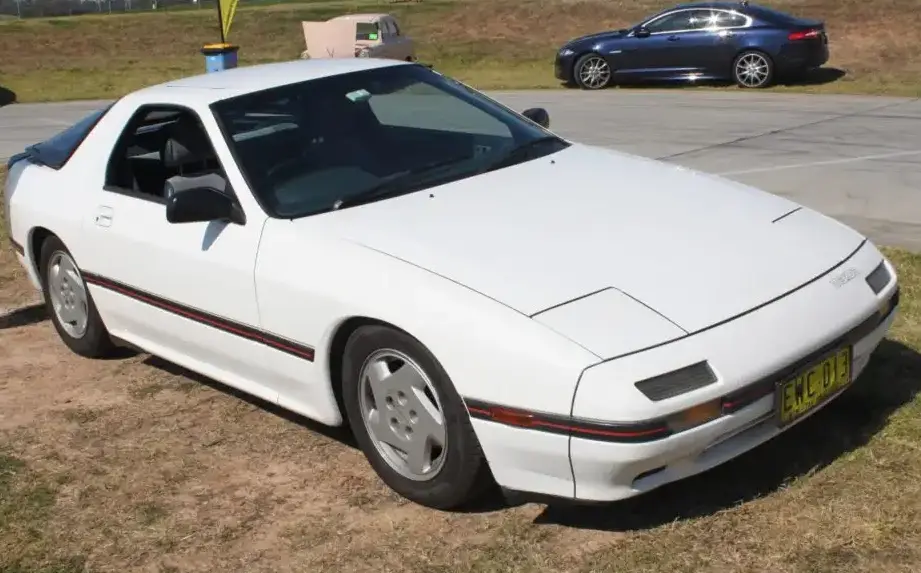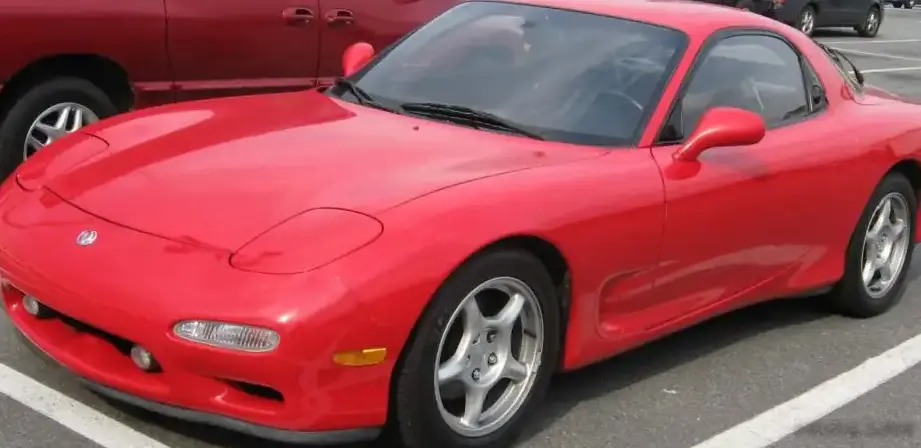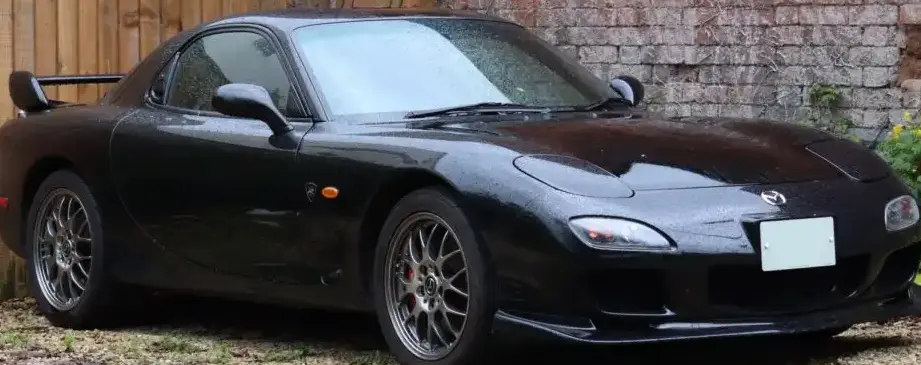
The Mazda RX-7 (FD) IV, produced from 2000 to 2002, represents the final iteration of Mazda’s iconic rotary-powered sports car. This generation, building upon the success of its predecessors, continued to push the boundaries of performance and driving dynamics. While the RX-7 was discontinued in most markets by 2002, the FD model remained in production for the Japanese domestic market (JDM) until 2002, solidifying its status as a legend among enthusiasts. The 1.3-liter twin-turbo rotary engine, a hallmark of the RX-7, was refined to deliver increased power and responsiveness. This particular variant, with its 280 horsepower output, occupied the top performance tier of the RX-7 lineup, offering a thrilling driving experience focused on agility and driver engagement.
Technical Specifications
| Brand | Mazda |
| Model | RX-7 |
| Generation | RX 7 IV |
| Type (Engine) | Wankel 1.3 (280 Hp) |
| Start of production | 2000 year |
| End of production | 2002 year |
| Powertrain Architecture | Internal Combustion engine |
| Body type | Coupe |
| Seats | 4 |
| Doors | 2 |
| Fuel Type | Petrol (Gasoline) |
| Maximum speed | 255 km/h (158.45 mph) |
| Weight-to-power ratio | 4.4 kg/Hp, 225.8 Hp/tonne |
| Weight-to-torque ratio | 3.9 kg/Nm, 253.2 Nm/tonne |
| Power | 280 Hp @ 6500 rpm |
| Power per litre | 214.1 Hp/l |
| Torque | 314 Nm @ 5000 rpm (231.59 lb.-ft. @ 5000 rpm) |
| Engine layout | Front, Longitudinal |
| Engine displacement | 1308 cm3 (79.82 cu. in.) |
| Number of cylinders | 4 |
| Engine configuration | Rotary (Wankel) |
| Compression ratio | 9.1:1 |
| Fuel injection system | Multi-port manifold injection |
| Engine aspiration | Twin-Turbo |
| Kerb Weight | 1240 kg (2733.73 lbs) |
| Max. weight | 1490 kg (3284.89 lbs) |
| Max load | 250 kg (551.16 lbs) |
| Fuel tank capacity | 76 l (20.08 US gal | 16.72 UK gal) |
| Length | 4285 mm (168.7 in) |
| Width | 1760 mm (69.29 in) |
| Height | 1230 mm (48.43 in) |
| Wheelbase | 2425 mm (95.47 in) |
| Front track | 1460 mm (57.48 in) |
| Rear (Back) track | 1460 mm (57.48 in) |
| Drivetrain Architecture | The Internal combustion engine (ICE) drives the rear wheels of the vehicle. |
| Drive wheel | Rear wheel drive |
| Number of gears and type of gearbox | 5 gears, manual transmission |
| Front suspension | Double wishbone |
| Rear suspension | Coil spring |
| Front brakes | Ventilated discs |
| Rear brakes | Ventilated discs |
| Assisting systems | ABS (Anti-lock braking system) |
| Steering type | Steering rack and pinion |
| Power steering | Hydraulic Steering |
| Tires size | 225/50 R16 |
| Wheel rims size | 16 |
Powertrain & Engine Architecture
The heart of the RX-7 IV is its 13B-REW rotary engine. This 1.3-liter engine, despite its relatively small displacement, produces 280 horsepower thanks to its twin-turbocharger setup. The sequential twin-turbo system was a key innovation, utilizing a small turbocharger for immediate response at low RPMs and a larger turbocharger to deliver peak power at higher engine speeds. This minimized turbo lag and provided a broad, usable powerband. The engine employs multi-port fuel injection for precise fuel delivery and features an apex seal design crucial to the longevity of rotary engines. The 5-speed manual transmission was the only available gearbox for this high-performance variant, chosen for its direct connection and driver control. The engine is longitudinally mounted, contributing to the car’s balanced weight distribution.
Driving Characteristics
The RX-7 IV 280 hp variant delivers a uniquely engaging driving experience. The rotary engine’s power delivery is distinct from that of a traditional piston engine, characterized by a smooth, linear acceleration that builds rapidly as the RPMs climb. The sequential turbo system effectively mitigates turbo lag, providing responsive power throughout the rev range. The 5-speed manual transmission allows for precise gear selection, enabling the driver to fully exploit the engine’s capabilities. While not possessing the brute force of some contemporary sports cars, the RX-7’s light weight and balanced chassis contribute to exceptional handling and agility. The car feels nimble and responsive, making it a joy to drive on winding roads. Compared to lower-powered RX-7 variants, the 280 hp model offers a significantly more exhilarating performance experience.
Equipment & Trim Levels
The RX-7 IV 280 hp model was typically equipped with a comprehensive set of features designed to enhance the driving experience. Standard equipment included power windows, power locks, air conditioning, and a premium sound system. The interior featured supportive bucket seats upholstered in a combination of leather and suede. A leather-wrapped steering wheel and shift knob added a touch of luxury. Optional extras included a sunroof, upgraded audio systems, and various cosmetic enhancements. The dashboard layout was driver-focused, with clearly visible gauges and intuitive controls. The overall interior design prioritized functionality and a sporty aesthetic.
Chassis & Braking
The RX-7 IV boasts a lightweight and rigid chassis, contributing to its exceptional handling characteristics. The suspension system utilizes a double wishbone setup at the front and a multi-link coil spring setup at the rear. This configuration provides excellent wheel control and minimizes body roll. Ventilated disc brakes are fitted on all four wheels, providing ample stopping power. An Anti-lock Braking System (ABS) was standard, enhancing safety and stability during hard braking. The steering system employs a rack-and-pinion design with hydraulic power assistance, offering precise and responsive steering feel. The car rides on 16-inch alloy wheels fitted with 225/50 R16 tires, providing a good balance of grip and ride comfort.
Market Reception & Comparison
The RX-7 IV 280 hp variant was widely praised by automotive critics for its performance, handling, and unique driving experience. However, the rotary engine’s reputation for requiring frequent maintenance and its relatively low fuel economy were often cited as drawbacks. Compared to other sports cars of the era, such as the Toyota Supra or Nissan Skyline, the RX-7 offered a more focused and engaging driving experience, but with a higher degree of mechanical complexity. The RX-7’s unique rotary engine and its distinctive styling set it apart from its competitors, appealing to enthusiasts who valued individuality and driving pleasure.
Legacy
The Mazda RX-7 IV, particularly the 280 hp variant, has achieved legendary status among automotive enthusiasts. Its unique rotary engine, its exceptional handling, and its striking design have made it a highly sought-after collector’s car. While the rotary engine’s maintenance requirements can be demanding, many owners are willing to accept these challenges in exchange for the unique driving experience it provides. Today, well-maintained RX-7 IVs command high prices in the used car market, reflecting their enduring appeal and their status as a true icon of Japanese sports car engineering. The RX-7’s influence can still be seen in Mazda’s current lineup, particularly in its commitment to innovative engine technology and driver-focused design.