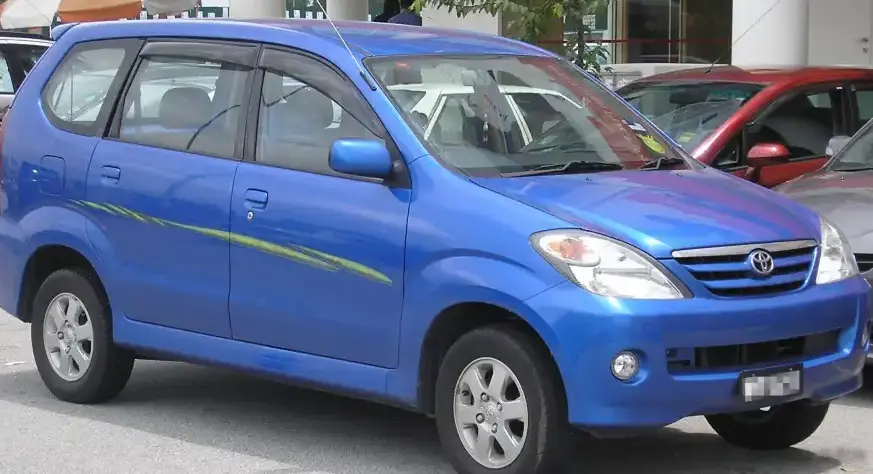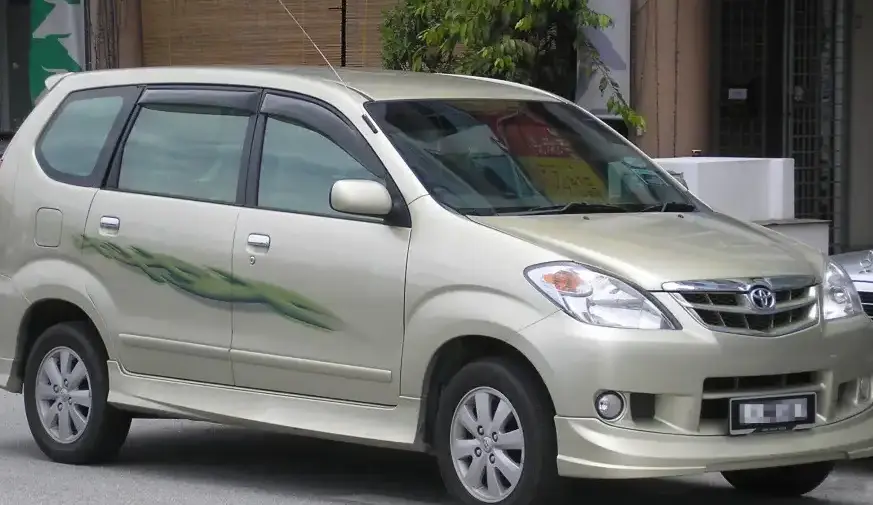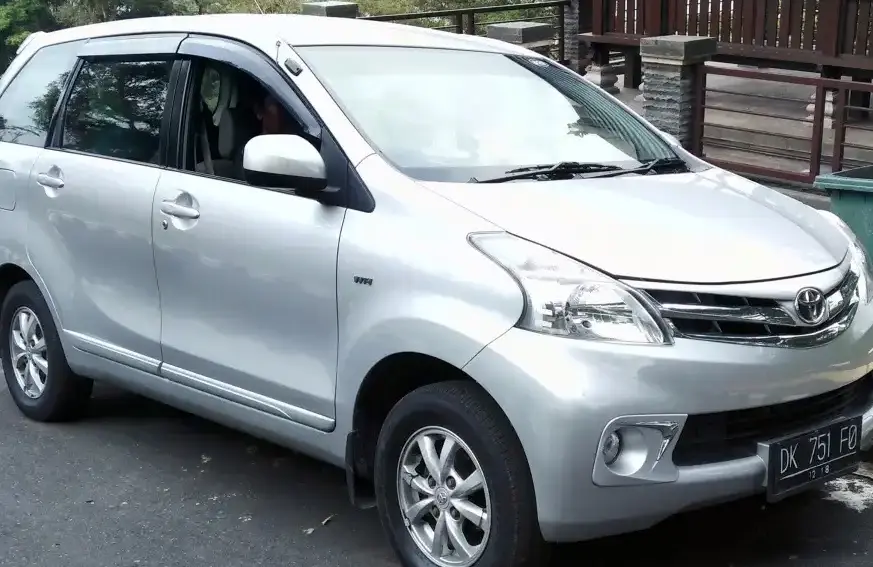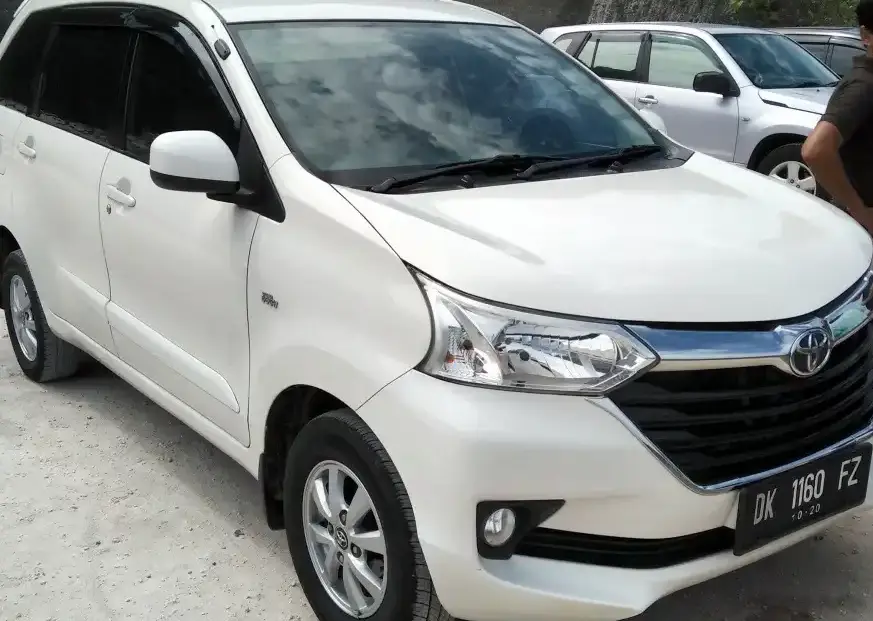
The Toyota Avanza II, specifically the 1.5-liter (105 hp) automatic variant produced from 2015 to 2018, represents a significant iteration of Toyota’s entry-level Multi-Purpose Vehicle (MPV) aimed primarily at the Southeast Asian market. This facelifted version of the second-generation Avanza (introduced in 2006) offered a practical and affordable seven-seat transportation solution, positioned as a step up from basic utility vehicles while remaining accessible to a broad customer base. The 1.5L Automatic trim occupied a middle ground within the Avanza II lineup, offering a balance between affordability and convenience compared to the base manual transmission models and the slightly more expensive 1.3L variants.
Technical Specifications
| Brand | Toyota |
| Model | Avanza |
| Generation | Avanza II (facelift 2015) |
| Type (Engine) | 1.5 (105 Hp) Automatic |
| Start of production | 2015 |
| End of production | 2018 |
| Powertrain Architecture | Internal Combustion engine |
| Body type | MPV |
| Seats | 7 |
| Doors | 5 |
| Fuel Type | Petrol (Gasoline) |
| Weight-to-power ratio | 11 kg/Hp, 90.9 Hp/tonne |
| Weight-to-torque ratio | 8.5 kg/Nm, 117.7 Nm/tonne |
| Power | 105 Hp @ 6000 rpm |
| Power per litre | 70.2 Hp/l |
| Torque | 136 Nm @ 4200 rpm (100.31 lb.-ft. @ 4200 rpm) |
| Engine layout | Front, Longitudinal |
| Engine Model/Code | 2NR-VE |
| Engine displacement | 1496 cm3 (91.29 cu. in.) |
| Number of cylinders | 4 |
| Engine configuration | Inline |
| Number of valves per cylinder | 4 |
| Fuel injection system | Multi-port manifold injection |
| Engine aspiration | Naturally aspirated engine |
| Valvetrain | DOHC, D-VVT-i |
| Engine oil capacity | 3.5 l (3.7 US qt | 3.08 UK qt) |
| Coolant | 6.1 l (6.45 US qt | 5.37 UK qt) |
| Kerb Weight | 1155-1160 kg (2546.34 – 2557.36 lbs.) |
| Fuel tank capacity | 45 l (11.89 US gal | 9.9 UK gal) |
| Length | 4190 mm (164.96 in.) |
| Width | 1660 mm (65.35 in.) |
| Height | 1695 mm (66.73 in.) |
| Wheelbase | 2655 mm (104.53 in.) |
| Front track | 1425 mm (56.1 in.) |
| Rear (Back) track | 1435 mm (56.5 in.) |
| Minimum turning circle (turning diameter) | 9.4 m (30.84 ft.) |
| Drivetrain Architecture | The Internal combustion engine (ICE) drives the rear wheels of the vehicle. |
| Drive wheel | Rear wheel drive |
| Number of gears and type of gearbox | 4 gears, automatic transmission |
| Front suspension | Independent, type McPherson with coil spring and anti-roll bar |
| Rear suspension | Independent multi-link spring suspension with stabilizer |
| Front brakes | Ventilated discs |
| Rear brakes | Drum |
| Assisting systems | ABS (Anti-lock braking system) |
| Steering type | Steering rack and pinion |
| Power steering | Electric Steering |
| Tires size | 185/70 R14; 185/65 R15 |
| Wheel rims size | 14; 15 |
Powertrain & Engine Architecture
The heart of the Avanza II 1.5 Automatic is the 2NR-VE engine, a 1.5-liter inline-four cylinder gasoline engine. This engine is part of Toyota’s NR engine family, known for its reliability and fuel efficiency. The 2NR-VE utilizes a dual overhead camshaft (DOHC) configuration with Toyota’s Dual Variable Valve Timing-intelligent (D-VVT-i) system. This technology optimizes valve timing based on engine load and speed, improving both power delivery and fuel economy. Fuel delivery is managed by a multi-port fuel injection system. The engine produces 105 horsepower at 6000 rpm and 136 Nm (100.31 lb-ft) of torque at 4200 rpm. The engine is mounted longitudinally in the front of the vehicle. Paired with the 2NR-VE is a four-speed automatic transmission. While not the most modern transmission available, it provided a convenient driving experience for the target market, prioritizing ease of use over outright performance.
Driving Characteristics
The 1.5L Automatic Avanza offers a comfortable, if not particularly sporty, driving experience. The four-speed automatic transmission is tuned for fuel efficiency and smooth shifts rather than rapid acceleration. Acceleration from a standstill is adequate for city driving, but can feel strained when fully loaded with passengers and cargo, or when attempting to overtake on the highway. The gear ratios are optimized for low-end torque, making it relatively easy to navigate urban environments. Compared to the five-speed manual version, the automatic sacrifices some responsiveness, but gains in convenience. The rear-wheel-drive layout contributes to a stable feel, especially when carrying a full load, but it also means that handling isn’t as sharp as front-wheel-drive competitors.
Equipment & Trim Levels
The 1.5 Automatic trim typically included standard features such as air conditioning, power windows, power door locks, and a basic audio system with AM/FM radio and CD player. Safety features generally included dual front airbags and an Anti-lock Braking System (ABS). Higher trim levels, often denoted with additional suffixes, could add features like alloy wheels, a more sophisticated audio system with Bluetooth connectivity, and rear parking sensors. Interior upholstery was typically cloth, with a durable and practical design. The dashboard layout was functional and straightforward, prioritizing usability over aesthetic flair.
Chassis & Braking
The Avanza II utilizes a body-on-frame construction, which contributes to its robustness and ability to carry heavy loads. The front suspension consists of an independent McPherson strut setup with coil springs and an anti-roll bar, while the rear suspension employs an independent multi-link system with a stabilizer bar. This suspension configuration provides a reasonably comfortable ride, although it can feel somewhat bouncy on uneven surfaces. Braking duties are handled by ventilated discs at the front and drum brakes at the rear. The ABS system helps to maintain steering control during emergency braking situations. Steering is rack and pinion, with electric power assistance for ease of maneuvering.
Market Reception & Comparison
The Toyota Avanza II 1.5 Automatic was generally well-received in its target markets, particularly in Southeast Asia and developing countries. Critics praised its practicality, affordability, and reliability. However, the four-speed automatic transmission was sometimes criticized for being outdated and less efficient than more modern transmissions. Compared to the 1.3L variants, the 1.5L offered a noticeable improvement in performance, making it a more suitable choice for those who frequently carry passengers or travel on highways. Compared to competitors like the Mitsubishi Xpander or Honda Mobilio, the Avanza often held an advantage in terms of brand reputation and perceived reliability.
Legacy
The Toyota Avanza II 1.5 Automatic has proven to be a durable and reliable vehicle, with many examples still on the road today. The 2NR-VE engine is known for its longevity and relatively low maintenance costs. While the four-speed automatic transmission may not be the most technologically advanced, it has generally proven to be dependable. In the used car market, these Avanzas are often sought after for their practicality and affordability, making them a popular choice for families and budget-conscious buyers. The Avanza’s success solidified Toyota’s position as a leading manufacturer of affordable and reliable MPVs in the region, paving the way for subsequent generations of the model.