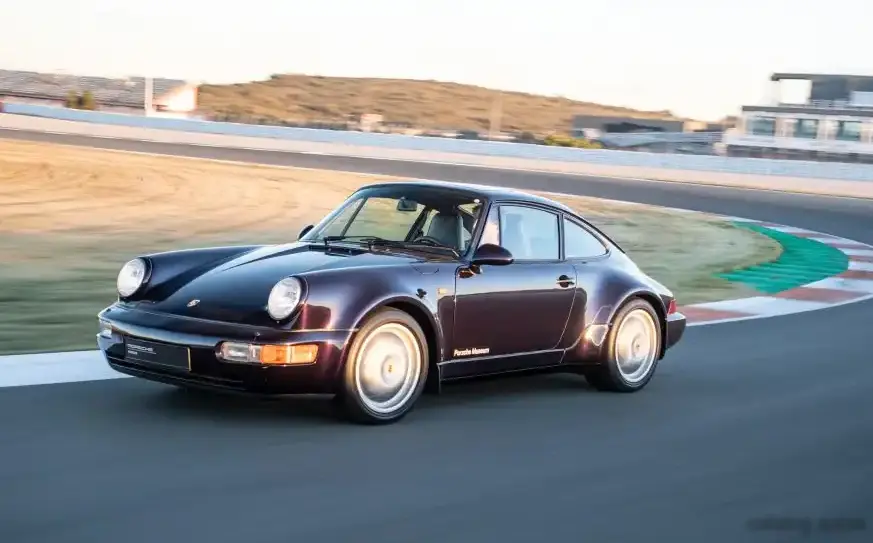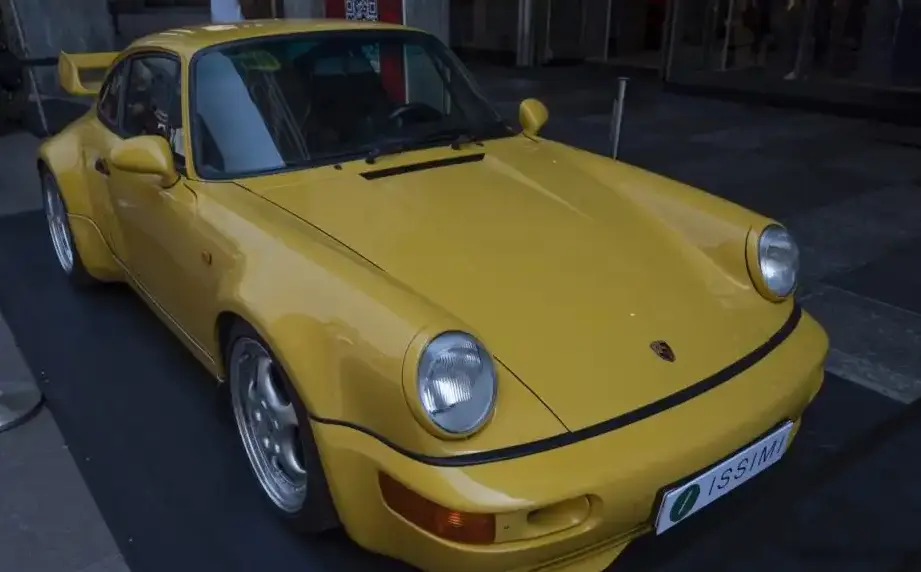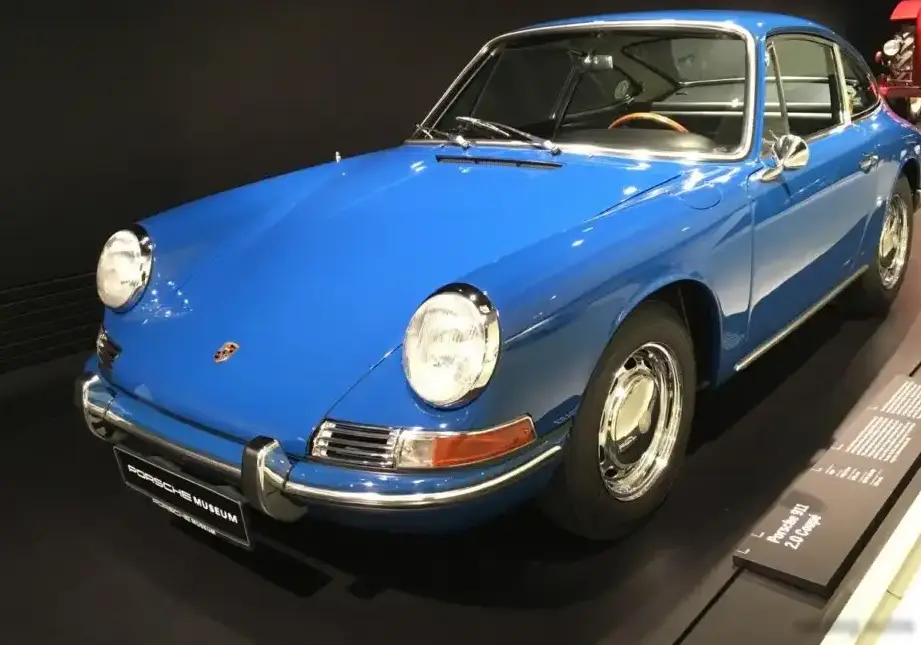
The Porsche 911 Coupe (F) 2.0 E, produced from 1968 to 1969, represents a pivotal moment in the evolution of Porsche’s iconic sports car. Falling within the early “F-series” of the original 911 generation (1964-1973), the 2.0 E served as an important step in refining the 911’s performance and establishing its reputation for both driving pleasure and engineering excellence. It occupied a middle ground in the early 911 lineup, offering a balance between the more basic 2.0L models and the higher-performance 2.2L variants that would follow. This model is particularly significant as it showcased Porsche’s commitment to continuous improvement and the development of a truly world-class sports car.
Technical Specifications
| Brand | Porsche |
| Model | 911 |
| Generation | 911 Coupe (F) |
| Type (Engine) | 2.0 E (140 Hp) |
| Start of production | 1968 |
| End of production | 1969 |
| Powertrain Architecture | Internal Combustion engine |
| Body type | Coupe |
| Seats | 4 |
| Doors | 2 |
| Fuel consumption (combined) | 9.6 l/100 km (24.5 US mpg, 29.4 UK mpg, 10.4 km/l) |
| Fuel Type | Petrol (Gasoline) |
| Maximum speed | 215 km/h (133.59 mph) |
| Weight-to-power ratio | 7.3 kg/Hp, 137.3 Hp/tonne |
| Weight-to-torque ratio | 5.2 kg/Nm, 193.1 Nm/tonne |
| Power | 140 Hp @ 6500 rpm |
| Power per litre | 70.3 Hp/l |
| Torque | 197 Nm @ 4500 rpm (145.3 lb.-ft. @ 4500 rpm) |
| Engine layout | Rear, Longitudinal |
| Engine Model/Code | 901.09 |
| Engine displacement | 1991 cm3 (121.5 cu. in.) |
| Number of cylinders | 6 |
| Engine configuration | Boxer |
| Cylinder Bore | 80 mm (3.15 in.) |
| Piston Stroke | 66 mm (2.6 in.) |
| Compression ratio | 9.1:1 |
| Number of valves per cylinder | 2 |
| Engine oil capacity | 9 l (9.51 US qt | 7.92 UK qt) |
| Kerb Weight | 1020 kg (2248.72 lbs.) |
| Max. weight | 1400 kg (3086.47 lbs.) |
| Max load | 380 kg (837.76 lbs.) |
| Fuel tank capacity | 62 l (16.38 US gal | 13.64 UK gal) |
| Length | 4200 mm (165.35 in.) |
| Width | 1610 mm (63.39 in.) |
| Height | 1320 mm (51.97 in.) |
| Wheelbase | 2268 mm (89.29 in.) |
| Front track | 1364 mm (53.7 in.) |
| Rear (Back) track | 1345 mm (52.95 in.) |
| Front overhang | 920 mm (36.22 in.) |
| Rear overhang | 1012 mm (39.84 in.) |
| Ride height (ground clearance) | 150 mm (5.91 in.) |
| Minimum turning circle (turning diameter) | 10.7 m (35.1 ft.) |
| Drivetrain Architecture | Rear wheel drive |
| Number of gears and type of gearbox | 5 gears, manual transmission |
| Front suspension | Spring Strut, Wishbone |
| Rear suspension | Trailing arm |
| Front brakes | Disc, 228 mm |
| Rear brakes | Disc, 224 mm |
| Steering type | Steering rack and pinion |
| Tires size | 185/70 R15 |
| Wheel rims size | R15 |
Powertrain & Engine Architecture
The heart of the 911 Coupe (F) 2.0 E is its 1,991 cc air-cooled, flat-six “boxer” engine, designated as the 901.09. This engine built upon the foundation of the original 911’s powerplant, but with key refinements. The ‘E’ designation signified ‘Einspritzung’ (German for fuel injection), indicating the adoption of Bosch mechanical fuel injection – a significant upgrade over the carburetors used in earlier 911 models. This system, while complex for its time, provided more precise fuel delivery, resulting in improved performance and throttle response. The engine produced 140 horsepower at 6,500 rpm and 197 Nm (145.3 lb-ft) of torque at 4,500 rpm. The engine’s layout, with horizontally opposed cylinders, contributed to a low center of gravity, enhancing handling. The 2.0 E was exclusively offered with a five-speed manual transmission, providing precise control over the engine’s power.
Driving Characteristics
The 911 2.0 E offered a distinctly engaging driving experience. While not the fastest 911 variant, its fuel injection system provided a noticeable improvement in responsiveness compared to carbureted models. The five-speed manual transmission allowed drivers to fully exploit the engine’s powerband. The rear-engine layout, characteristic of the 911, demanded respect and a skilled driver, but rewarded with exceptional cornering ability. Compared to the later 2.2L models, the 2.0 E felt more nimble and rev-happy, though it lacked the outright acceleration of its larger-displacement siblings. The gear ratios were tailored to maximize acceleration in the mid-range, making it a rewarding car to drive on winding roads.
Equipment & Trim Levels
The 911 2.0 E was positioned as a more refined and well-equipped version of the base 911. Standard features included comfortable cloth seats, a leather-wrapped steering wheel, and a comprehensive instrument cluster. Optional extras were plentiful, allowing buyers to personalize their cars. These included features like a Webasto heater, a Blaupunkt radio, and upgraded interior trim. The interior design was functional and driver-focused, reflecting Porsche’s commitment to performance. While not luxurious by modern standards, the 2.0 E offered a comfortable and well-appointed cabin for its time.
Chassis & Braking
The 911 2.0 E utilized a robust chassis with independent suspension all around. The front suspension featured spring struts and wishbones, while the rear employed a trailing arm setup. This configuration provided a good balance between ride comfort and handling precision. Braking duties were handled by disc brakes on all four wheels, offering adequate stopping power for the car’s performance capabilities. The brakes were unassisted, requiring a firm pedal effort. The car’s relatively light weight (approximately 1,020 kg or 2,248 lbs) contributed to its agile handling characteristics.
Market Reception & Comparison
The 911 2.0 E was generally well-received by automotive critics. It was praised for its improved performance and refinement compared to earlier 911 models. However, some critics noted that the car’s price was relatively high, placing it in competition with more luxurious grand tourers. Compared to the base 911, the 2.0 E offered a significant performance upgrade, justifying its higher price tag for enthusiasts. Compared to the later 2.2L models, the 2.0 E was seen as a more engaging and driver-focused machine, though it lacked the outright speed of its larger-displacement counterparts. Fuel economy, while not a primary concern for 911 buyers, was reasonable for a sports car of its era.
Legacy
The Porsche 911 Coupe (F) 2.0 E holds a significant place in the 911’s history. It represented a crucial step in the development of the model, showcasing Porsche’s commitment to continuous improvement and technological innovation. Today, the 2.0 E is a highly sought-after classic car, prized by collectors and enthusiasts for its rarity, driving experience, and historical significance. The engine, while requiring regular maintenance, is generally considered to be reliable when properly cared for. Original, well-preserved examples command high prices in the used car market, reflecting the enduring appeal of this iconic Porsche.