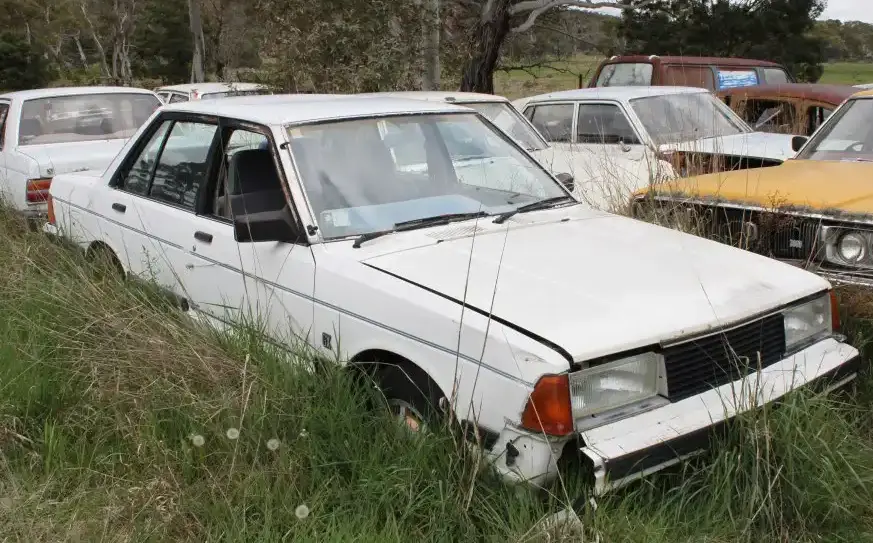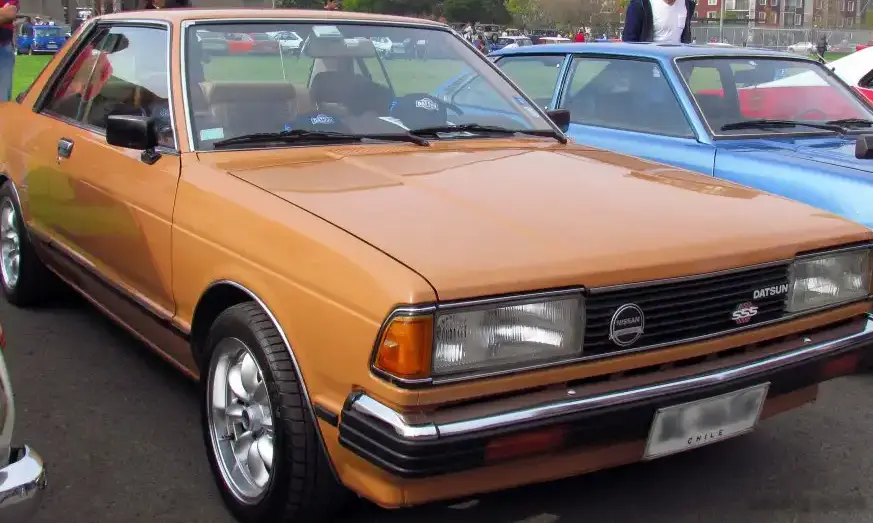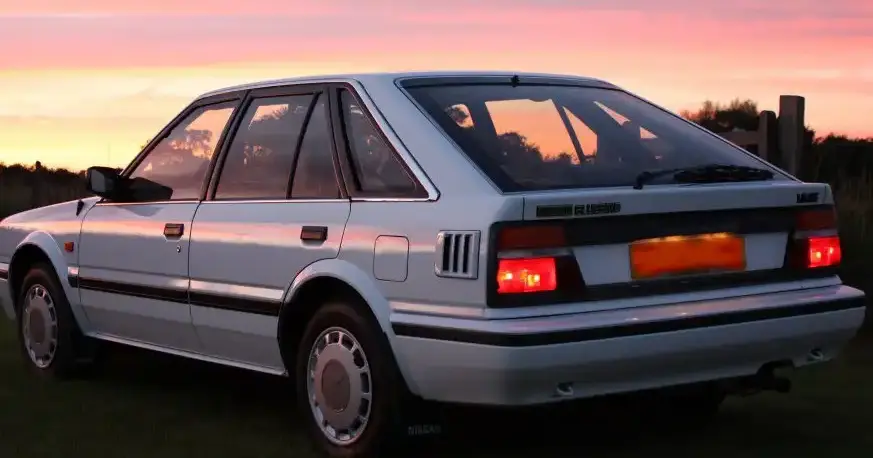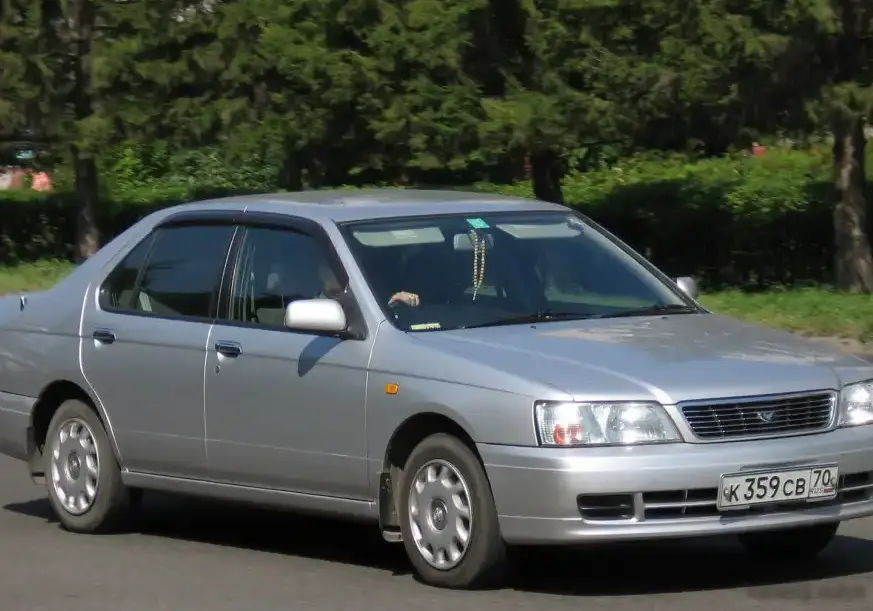
The Nissan Bluebird U14 2.0 SSS-Z, produced from 1997 to 1998, represented a high-performance variant within the broader U14 Bluebird generation. Positioned as the flagship trim, the SSS-Z aimed to deliver a sporty driving experience while maintaining the Bluebird’s reputation for comfort and reliability. The U14 Bluebird itself was a significant model for Nissan, continuing a lineage of family sedans that had been popular in Japan and export markets for decades. This generation saw a move towards more modern styling and technology, and the 2.0 SSS-Z was the pinnacle of that evolution, particularly in terms of powertrain.
Technical Specifications
| Brand | Nissan |
| Model | Bluebird |
| Generation | Bluebird (U14) |
| Type | 2.0 SSS-Z (190 Hp) CVT |
| Start of production | 1997 |
| End of production | 1998 |
| Powertrain Architecture | Internal Combustion engine |
| Body type | Sedan |
| Seats | 5 |
| Doors | 4 |
| Fuel consumption (urban) | 13.7-18 l/100 km (17.2 – 13.1 US mpg, 20.6 – 15.7 UK mpg, 7.3 – 5.6 km/l) |
| Fuel consumption (extra urban) | 7.5-9.9 l/100 km (31.4 – 23.8 US mpg, 37.7 – 28.5 UK mpg, 13.3 – 10.1 km/l) |
| Fuel consumption (combined) | 11.3 l/100 km (20.8 US mpg, 25 UK mpg, 8.8 km/l) |
| Fuel Type | Petrol (Gasoline) |
| Acceleration 0 – 100 km/h | 7.8 sec |
| Acceleration 0 – 62 mph | 7.8 sec |
| Acceleration 0 – 60 mph | 7.4 sec |
| Maximum speed | 222 km/h (137.94 mph) |
| Weight-to-power ratio | 6.6 kg/Hp, 152 Hp/tonne |
| Weight-to-torque ratio | 6.4 kg/Nm, 156.8 Nm/tonne |
| Power | 190 Hp @ 7000 rpm |
| Power per litre | 95.1 Hp/l |
| Torque | 196 Nm @ 6000 rpm (144.56 lb.-ft. @ 6000 rpm) |
| Engine layout | Front, Transverse |
| Engine Model/Code | SR20VE |
| Engine displacement | 1998 cm3 (121.93 cu. in.) |
| Number of cylinders | 4 |
| Engine configuration | Inline |
| Cylinder Bore | 86 mm (3.39 in.) |
| Piston Stroke | 86 mm (3.39 in.) |
| Compression ratio | 11:1 |
| Number of valves per cylinder | 4 |
| Fuel injection system | Multi-port manifold injection |
| Engine aspiration | Naturally aspirated engine |
| Valvetrain | DOHC |
| Kerb Weight | 1250 kg (2755.78 lbs.) |
| Length | 4565 mm (179.72 in.) |
| Width | 1695 mm (66.73 in.) |
| Height | 1395 mm (54.92 in.) |
| Wheelbase | 2600 mm (102.36 in.) |
| Front track | 1465 mm (57.68 in.) |
| Rear track | 1455 mm (57.28 in.) |
| Ride height (ground clearance) | 140 mm (5.51 in.) |
| Drag coefficient (Cd) | 0.32 |
| Minimum turning circle | 11 m (36.09 ft.) |
| Drivetrain Architecture | Front wheel drive |
| Number of gears and type of gearbox | 1 gears, automatic transmission CVT |
| Front brakes | Ventilated discs |
| Rear brakes | Disc |
| Steering type | Steering rack and pinion |
| Tires size | 195/60 R15 |
| Wheel rims size | 15 |
Powertrain & Engine Architecture
The heart of the Bluebird 2.0 SSS-Z was the SR20VE engine, a 1.998-liter, inline-four cylinder powerplant. This engine was a naturally aspirated design, utilizing multi-port fuel injection and a double overhead camshaft (DOHC) valvetrain. The 11:1 compression ratio contributed to its relatively high output of 190 horsepower at 7000 rpm and 196 Nm (144.56 lb-ft) of torque at 6000 rpm. The SR20VE was known for its responsiveness and willingness to rev, making it a desirable engine in the Nissan lineup. Paired with this engine was a Continuously Variable Transmission (CVT), a relatively new technology at the time. Nissan’s CVT offered smooth, stepless gear changes, prioritizing fuel efficiency and a comfortable driving experience over the more aggressive shifts of a traditional automatic.
Driving Characteristics
The combination of the SR20VE engine and the CVT transmission resulted in a unique driving experience. While the 190 hp output was respectable, the CVT’s programming prioritized smoothness and efficiency. Acceleration from 0-60 mph was achieved in approximately 7.4 seconds, and the car could reach a top speed of 222 km/h (137.94 mph). Compared to a manual transmission equipped Bluebird, the CVT version felt slightly less engaging, with a more linear power delivery. However, the CVT eliminated any jerkiness during acceleration and provided a relaxed cruising experience. The CVT’s gear ratios were continuously adjusted to keep the engine operating in its optimal power band, which helped to mask some of the engine’s limitations. The SSS-Z trim also featured a slightly stiffer suspension setup compared to lower trims, improving handling and body control.
Equipment & Trim Levels
The 2.0 SSS-Z was the top-of-the-line Bluebird trim, and as such, it came equipped with a comprehensive list of standard features. These typically included power windows, power locks, air conditioning, a high-quality audio system, and alloy wheels. Interior upholstery was usually a premium cloth or optional leather. The dashboard featured a sporty design with metallic accents and clear instrumentation. Optional extras could include a sunroof, upgraded audio systems, and anti-lock brakes (ABS), depending on the specific market. The SSS-Z also often featured unique exterior styling cues, such as a rear spoiler and body-colored side skirts, to differentiate it from other Bluebird models.
Chassis & Braking
The U14 Bluebird utilized a front-wheel-drive layout with an independent suspension system in the front and a semi-independent torsion beam suspension in the rear. The SSS-Z trim often featured a thicker front stabilizer bar to reduce body roll during cornering. Braking duties were handled by ventilated disc brakes in the front and solid disc brakes in the rear. While adequate for everyday driving, the braking system wasn’t particularly sporty and lacked the stopping power of some contemporary performance cars. The steering system was a rack-and-pinion setup, providing precise and responsive steering feel.
Market Reception & Comparison
The Nissan Bluebird 2.0 SSS-Z was generally well-received by automotive critics. It was praised for its comfortable ride, spacious interior, and refined engine. However, some critics noted that the CVT transmission lacked the engagement of a traditional manual gearbox. Compared to other trims in the Bluebird lineup, the SSS-Z offered a significant performance upgrade, but at a higher price point. It competed with other mid-size sedans such as the Toyota Corolla, Honda Accord, and Mazda 626. Fuel economy was reasonable for its class, averaging around 11.3 l/100 km (20.8 US mpg). Reliability was also a strong point, as the SR20VE engine was known for its durability.
Legacy
The Nissan Bluebird U14 2.0 SSS-Z remains a popular choice among enthusiasts and collectors. The SR20VE engine is highly regarded for its tunability and reliability, and the CVT transmission, while not universally loved, is known for its longevity. Today, well-maintained examples of the SSS-Z are becoming increasingly rare, and their value is steadily appreciating. The car represents a unique blend of comfort, performance, and technology from the late 1990s, and it continues to be a testament to Nissan’s engineering prowess. The U14 Bluebird, and particularly the SSS-Z variant, holds a nostalgic appeal for those who remember a time when Japanese sedans were known for their quality, reliability, and understated style.