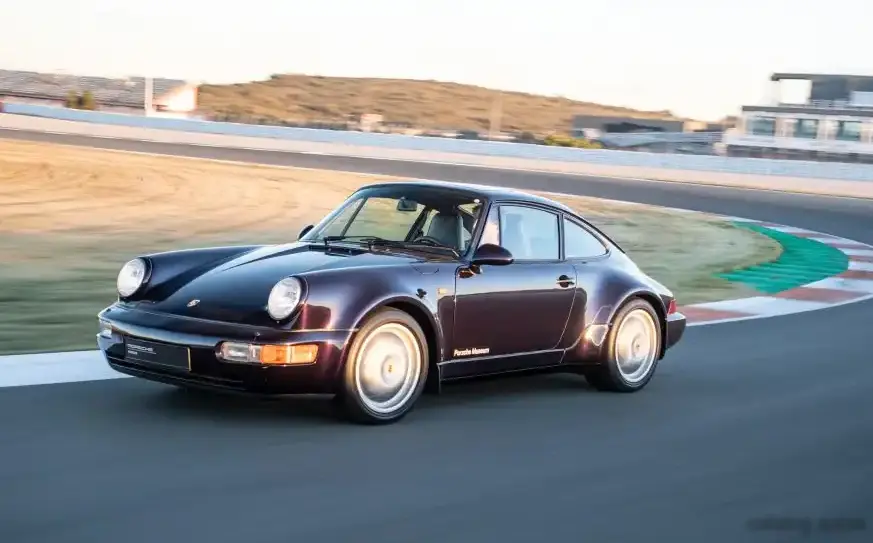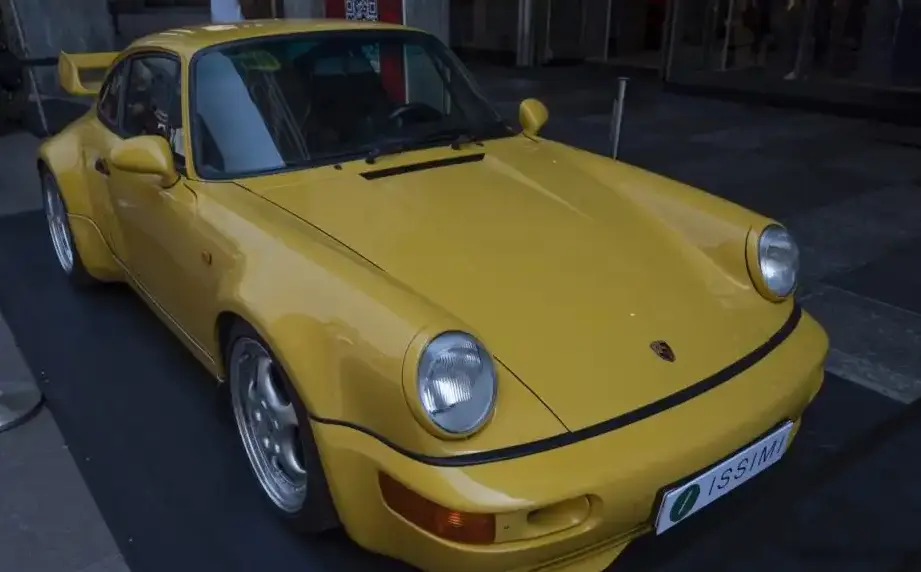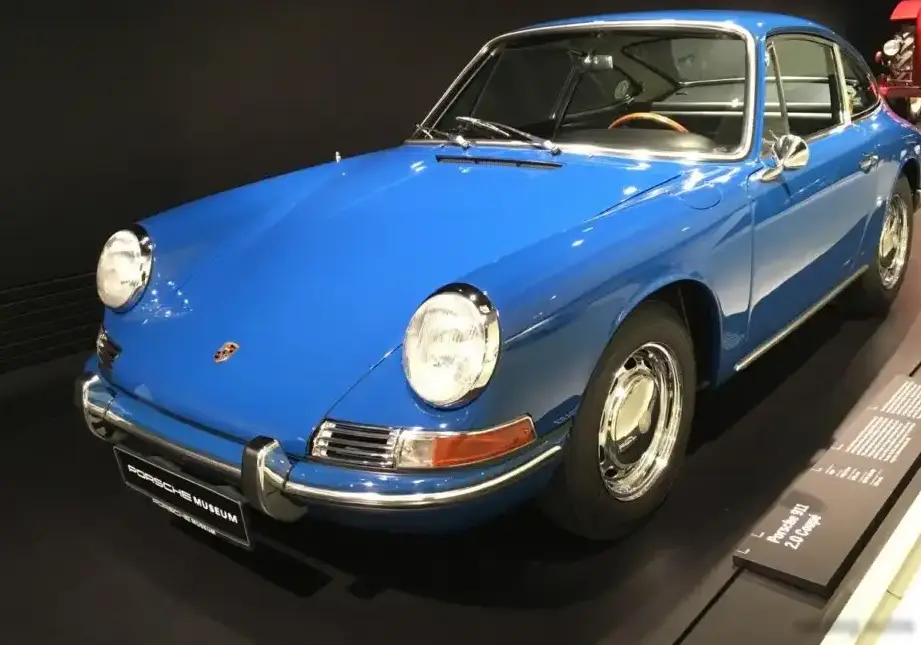
The Porsche 911 Coupe (F) 2.0 S, produced briefly in 1969, represents a pivotal moment in the evolution of Porsche’s iconic sports car. Falling within the early “F” series of the original 911 (1964-1973), the 2.0 S was positioned as a higher-performance variant of the 911, offering a significant step up in power and refinement compared to the base 911 models. It was built on the 911/82 chassis and utilized the 901.10 engine, a 2.0-liter flat-six. This model year is particularly significant as it was the last year for the 2.0-liter engine before Porsche increased displacement to 2.2 liters. The 2.0 S aimed to deliver a more engaging driving experience for enthusiasts while maintaining the 911’s reputation for reliability and build quality.
Technical Specifications
| Brand | Porsche |
| Model | 911 |
| Generation | 911 Coupe (F) |
| Type (Engine) | 2.0 S (170 Hp) |
| Start of production | 1969 |
| End of production | 1969 |
| Powertrain Architecture | Internal Combustion engine |
| Body type | Coupe |
| Seats | 4 |
| Doors | 2 |
| Fuel consumption (combined) | 9.6 l/100 km (24.5 US mpg, 29.4 UK mpg, 10.4 km/l) |
| Fuel Type | Petrol (Gasoline) |
| Maximum speed | 230 km/h (142.92 mph) |
| Weight-to-power ratio | 6.3 kg/Hp, 158.9 Hp/tonne |
| Weight-to-torque ratio | 5.3 kg/Nm, 188.8 Nm/tonne |
| Power | 170 Hp @ 6800 rpm |
| Power per litre | 85.4 Hp/l |
| Torque | 202 Nm @ 5500 rpm (148.99 lb.-ft. @ 5500 rpm) |
| Engine layout | Rear, Longitudinal |
| Engine Model/Code | 901.10 |
| Engine displacement | 1991 cm3 (121.5 cu. in.) |
| Number of cylinders | 6 |
| Engine configuration | Boxer |
| Cylinder Bore | 80 mm (3.15 in.) |
| Piston Stroke | 66 mm (2.6 in.) |
| Compression ratio | 9.9:1 |
| Number of valves per cylinder | 2 |
| Engine aspiration | Naturally aspirated engine |
| Engine oil capacity | 9 l (9.51 US qt | 7.92 UK qt) |
| Kerb Weight | 1070 kg (2358.95 lbs.) |
| Max. weight | 1350 kg (2976.24 lbs.) |
| Max load | 280 kg (617.29 lbs.) |
| Fuel tank capacity | 62 l (16.38 US gal | 13.64 UK gal) |
| Length | 4200 mm (165.35 in.) |
| Width | 1610 mm (63.39 in.) |
| Height | 1320 mm (51.97 in.) |
| Wheelbase | 2268 mm (89.29 in.) |
| Front track | 1374 mm (54.09 in.) |
| Rear track | 1355 mm (53.35 in.) |
| Front overhang | 920 mm (36.22 in.) |
| Rear overhang | 1012 mm (39.84 in.) |
| Ride height (ground clearance) | 150 mm (5.91 in.) |
| Minimum turning circle | 10.7 m (35.1 ft.) |
| Drivetrain Architecture | Rear wheel drive |
| Number of gears and type of gearbox | 5 gears, manual transmission |
| Front suspension | Spring Strut, Wishbone |
| Rear suspension | Trailing arm |
| Front brakes | Disc, 228 mm |
| Rear brakes | Disc, 224 mm |
| Steering type | Steering rack and pinion |
| Tires size | 185/70 R15 |
| Wheel rims size | 6J x 15 |
Powertrain & Engine Architecture
The heart of the 911 2.0 S is the 901.10 engine, a 1991cc air-cooled flat-six. This engine featured a bore of 80mm and a stroke of 66mm, with a compression ratio of 9.9:1. It utilized Bosch mechanical fuel injection, a significant upgrade over the carburetors found on earlier 911 models, contributing to improved throttle response and power delivery. The engine’s flat-six configuration, with its horizontally opposed cylinders, provided a low center of gravity, enhancing handling characteristics. The 2.0 S engine produced 170 horsepower at 6,800 rpm and 202 Nm (148.99 lb-ft) of torque at 5,500 rpm. The engine was mated to a robust 5-speed manual transmission, providing precise gear changes and allowing the driver to fully exploit the engine’s power band. The transmission’s ratios were geared towards performance, offering quick acceleration and a responsive feel.
Driving Characteristics
The 911 2.0 S offered a distinctly engaging driving experience. Compared to the standard 911 models, the 2.0 S felt noticeably more powerful and responsive. The improved fuel injection system and higher compression ratio resulted in a crisper throttle response and a broader power band. While not a brutally fast car by modern standards, the 2.0 S could accelerate from 0 to 60 mph in around 7.5 seconds and achieve a top speed of 143 mph. The rear-engine layout and relatively short wheelbase contributed to a unique handling balance. Drivers needed to be mindful of the car’s tendency to oversteer, particularly when entering corners at high speed. However, skilled drivers could exploit this characteristic to achieve impressive lap times. The 5-speed manual transmission allowed for precise control over the engine’s power, and the gear ratios were well-matched to the engine’s characteristics.
Equipment & Trim Levels
The 911 2.0 S was relatively well-equipped for its time, though options were plentiful. Standard features included comfortable bucket seats, a leather-wrapped steering wheel, and a comprehensive instrument cluster. The interior was typically finished in black leatherette or cloth. Optional extras included upgraded leather upholstery, a Webasto heater, and a Blaupunkt radio. The “S” designation also included some visual enhancements, such as Fuchs wheels (typically 6J x 15) and a polished exhaust system. The 2.0 S was positioned as a premium offering within the 911 lineup, appealing to buyers who desired a more refined and capable sports car.
Chassis & Braking
The 911 2.0 S utilized a robust chassis with independent suspension all around. The front suspension featured spring struts and wishbones, while the rear suspension employed trailing arms. This setup provided a good balance of ride comfort and handling precision. Braking duties were handled by disc brakes on all four wheels, offering adequate stopping power for the car’s performance capabilities. The front brakes measured 228mm in diameter, while the rear brakes were slightly smaller at 224mm. Steering was via a rack and pinion system, providing precise and responsive control.
Market Reception & Comparison
The 911 2.0 S was generally well-received by automotive critics. It was praised for its performance, handling, and build quality. However, some critics noted the car’s relatively high price and the challenging handling characteristics associated with its rear-engine layout. Compared to the standard 911 models, the 2.0 S offered a significant performance upgrade. It was also more refined and better equipped. Compared to the later 911 2.2 S, the 2.0 S offered a slightly more raw and visceral driving experience, appealing to purists. Fuel economy, while not a primary concern for sports car buyers, was around 24.5 US mpg.
Legacy
The Porsche 911 2.0 S remains a highly sought-after classic car today. Its rarity, performance, and historical significance contribute to its desirability. The 901.10 engine is known for its reliability, provided it is properly maintained. However, like all classic Porsches, the 2.0 S requires regular servicing and attention to detail. Original, well-preserved examples command high prices in the collector car market. The 2.0 S represents a crucial step in the development of the 911, laying the foundation for the iconic sports car that continues to evolve today. It’s a testament to Porsche’s engineering prowess and a reminder of a golden era in automotive history.