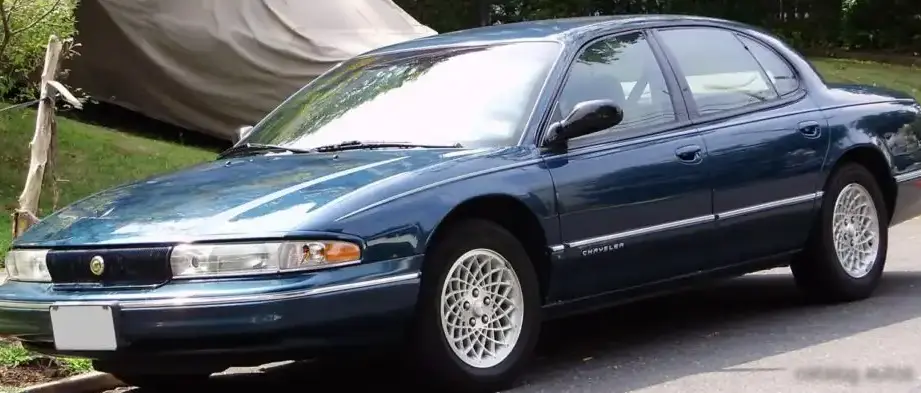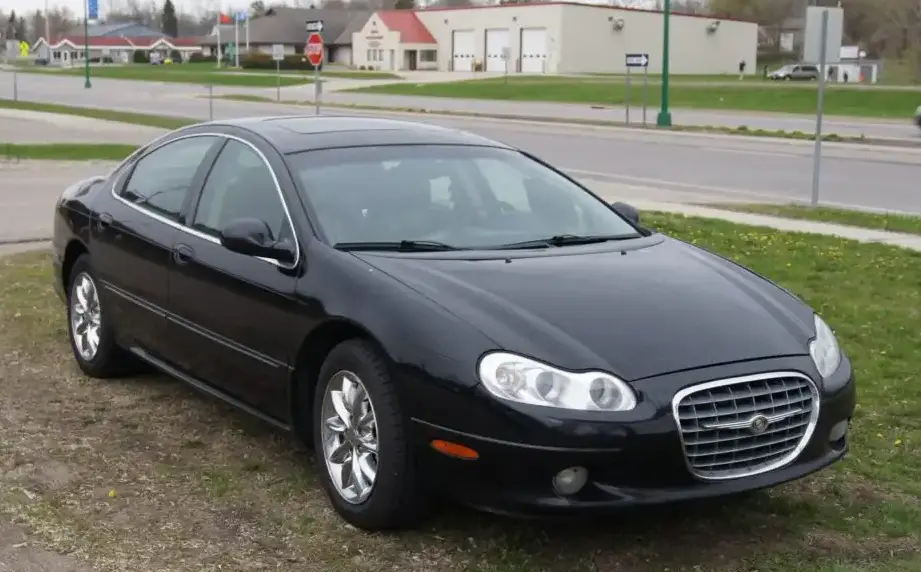
The Chrysler LHS II, specifically the 3.5L V6 24V variant paired with an automatic transmission, was manufactured from 1999 to 2001. Representing the second generation of the LHS (Luxury Home Sedan), this model continued Chrysler’s commitment to providing a spacious, comfortable, and relatively affordable full-size sedan. It was positioned as a step above the Concorde and Intrepid in terms of luxury and features, while still utilizing the same basic LH platform (the fourth generation). The LHS II aimed to deliver a near-premium experience without the associated high price tag, directly competing with entry-level models from Buick and Lincoln. This particular 3.5L V6 automatic configuration was the sole powertrain option offered for the LHS II throughout its production run.
Technical Specifications
| Brand | Chrysler |
| Model | LHS |
| Generation | LHS II |
| Engine Type | 3.5L V6 24V (257 Hp) Automatic |
| Start of Production | 1999 |
| End of Production | 2001 |
| Powertrain Architecture | Internal Combustion Engine |
| Body Type | Sedan |
| Seats | 5 |
| Doors | 4 |
| Urban Fuel Consumption | 15 l/100 km (15.7 US mpg, 18.8 UK mpg, 6.7 km/l) |
| Extra Urban Fuel Consumption | 8 l/100 km (29.4 US mpg, 35.3 UK mpg, 12.5 km/l) |
| Fuel Type | Petrol (Gasoline) |
| 0-100 km/h Acceleration | 9.1 sec |
| 0-62 mph Acceleration | 9.1 sec |
| 0-60 mph Acceleration | 8.6 sec |
| Maximum Speed | 210 km/h (130.49 mph) |
| Weight-to-Power Ratio | 6.3 kg/Hp, 158.2 Hp/tonne |
| Weight-to-Torque Ratio | 4.7 kg/Nm, 212.9 Nm/tonne |
| Power | 257 Hp @ 6400 rpm |
| Power per Liter | 73.1 Hp/l |
| Torque | 346 Nm @ 3950 rpm (255.2 lb.-ft. @ 3950 rpm) |
| Engine Layout | Front, Longitudinal |
| Engine Model/Code | EGG |
| Engine Displacement | 3518 cm3 (214.68 cu. in.) |
| Number of Cylinders | 6 |
| Engine Configuration | V-Engine |
| Cylinder Bore | 96 mm (3.78 in.) |
| Piston Stroke | 81 mm (3.19 in.) |
| Compression Ratio | 10:1 |
| Valves per Cylinder | 4 |
| Fuel Injection System | Multi-port Manifold Injection |
| Engine Aspiration | Naturally Aspirated |
| Valvetrain | OHC |
| Engine Oil Capacity | 4.7 l (4.97 US qt | 4.14 UK qt) |
| Coolant Capacity | 8.9 l (9.4 US qt | 7.83 UK qt) |
| Curb Weight | 1625 kg (3582.51 lbs.) |
| Max Weight | 2100 kg (4629.71 lbs.) |
| Max Load | 475 kg (1047.2 lbs.) |
| Trunk Space (minimum) | 530 l (18.72 cu. ft.) |
| Fuel Tank Capacity | 68 l (17.96 US gal | 14.96 UK gal) |
| Length | 5275 mm (207.68 in.) |
| Width | 1890 mm (74.41 in.) |
| Height | 1420 mm (55.91 in.) |
| Wheelbase | 2870 mm (112.99 in.) |
| Front Track | 1575 mm (62.01 in.) |
| Rear Track | 1565 mm (61.61 in.) |
| Drivetrain Architecture | Front Wheel Drive |
| Drive Wheel | Front Wheel Drive |
| Number of Gears & Gearbox Type | 4 gears, Automatic Transmission |
| Front Suspension | Wishbone |
| Rear Suspension | Coil Spring |
| Front Brakes | Ventilated Discs |
| Rear Brakes | Discs |
| Assisting Systems | ABS (Anti-lock Braking System) |
| Steering Type | Steering Rack and Pinion |
| Power Steering | Hydraulic Steering |
| Tire Size | 225/55 R17 |
The core of the LHS II 3.5 was the 3.5-liter EGG V6 engine. This engine belonged to Chrysler’s well-established 3.5L family, characterized by a 60-degree V-angle. It featured a single overhead camshaft (OHC) design with four valves per cylinder, and employed multi-port fuel injection for precise fuel delivery. The engine generated 257 horsepower at 6,400 rpm and 346 lb-ft of torque at 3,950 rpm. The automatic transmission was a 4-speed unit, specifically the 42RE, recognized for its durability and smooth shifting. This transmission was tuned for comfortable cruising rather than aggressive performance, aligning with the LHS’s luxury-focused positioning. The engine’s longitudinal mounting and front-wheel-drive configuration were standard for the LH platform.
Driving Characteristics
The LHS II 3.5L automatic delivered a comfortable and refined driving experience. Acceleration to 60 mph took approximately 8.6 seconds, and it could reach a top speed of 130.49 mph. While not a performance sedan, the engine provided sufficient power for everyday driving and highway passing maneuvers. The automatic transmission’s gear ratios were optimized for fuel efficiency and seamless transitions, but it lacked the responsiveness of a manual transmission or the more advanced multi-gear automatics found in later vehicles. The suspension, calibrated for comfort, effectively absorbed road imperfections, although some body roll was noticeable during cornering. Steering was light and precise, making it easy to navigate in urban settings.
Equipment & Trim Levels
The LHS II came standard with a comprehensive set of features, reflecting its status as the top-tier trim level within the LH series. Standard equipment included leather upholstery, power-adjustable front seats with memory functionality, a premium sound system, automatic climate control, and alloy wheels. Optional extras included a power sunroof, upgraded audio systems, and various convenience packages. The interior boasted woodgrain trim and an overall upscale aesthetic, aiming to create a luxurious ambiance. The dashboard layout was typical of late-1990s/early-2000s Chrysler designs, prioritizing ergonomics and ease of use.
Chassis & Braking
The LHS II featured an independent front suspension with wishbone components and a coil-spring rear suspension. This configuration provided a comfortable ride and respectable handling characteristics. The braking system consisted of ventilated discs at the front and solid discs at the rear. Anti-lock brakes (ABS) were standard, enhancing safety and control during emergency braking situations. The chassis was engineered for rigidity and crashworthiness, incorporating reinforced structures and energy-absorbing materials. The steering system utilized a rack-and-pinion setup with hydraulic power assistance, offering precise and effortless steering control.
Market Reception & Comparison
The LHS II was generally well-received by automotive critics, who lauded its spacious interior, comfortable ride, and generous features. However, some reviewers pointed out its lack of sporty handling and its relatively conservative styling. Compared to its siblings, the Concorde and Intrepid, the LHS offered a more luxurious experience with upgraded materials and additional features. Fuel economy was average for a full-size sedan of its time, with EPA estimates of 15 mpg city and 29 mpg highway. Reliability was generally good, although some owners reported minor issues with the automatic transmission and electrical components.
Legacy
The Chrysler LHS II, particularly the 3.5L V6 automatic variant, has garnered a modest following among collectors and enthusiasts. The 42RE automatic transmission, while not known for exceptional fuel efficiency, proved to be remarkably durable with proper maintenance. The 3.5L EGG engine is also considered relatively reliable. Today, well-maintained examples of the LHS II can be found in the used car market at affordable prices. While it may not possess the performance or prestige of some of its European counterparts, the LHS II remains a comfortable, spacious, and well-equipped sedan that provides a window into the American automotive landscape of the late 1990s and early 2000s.