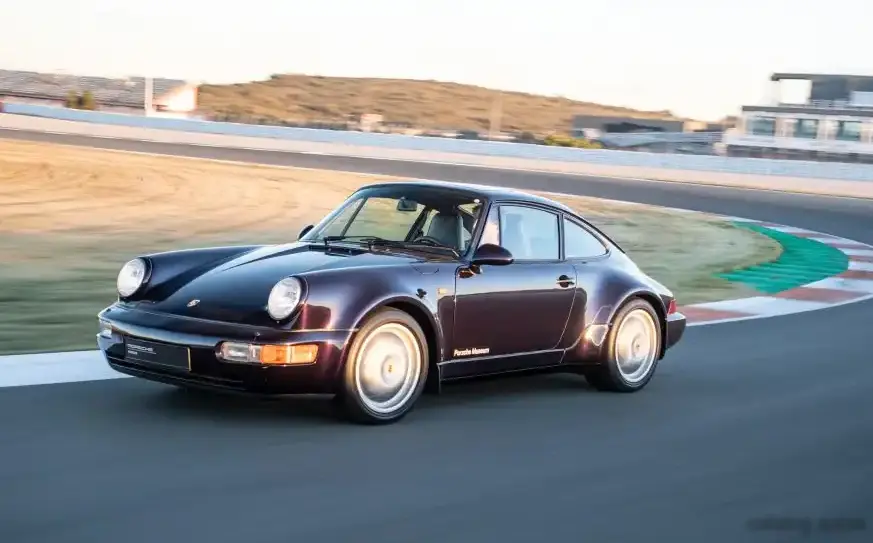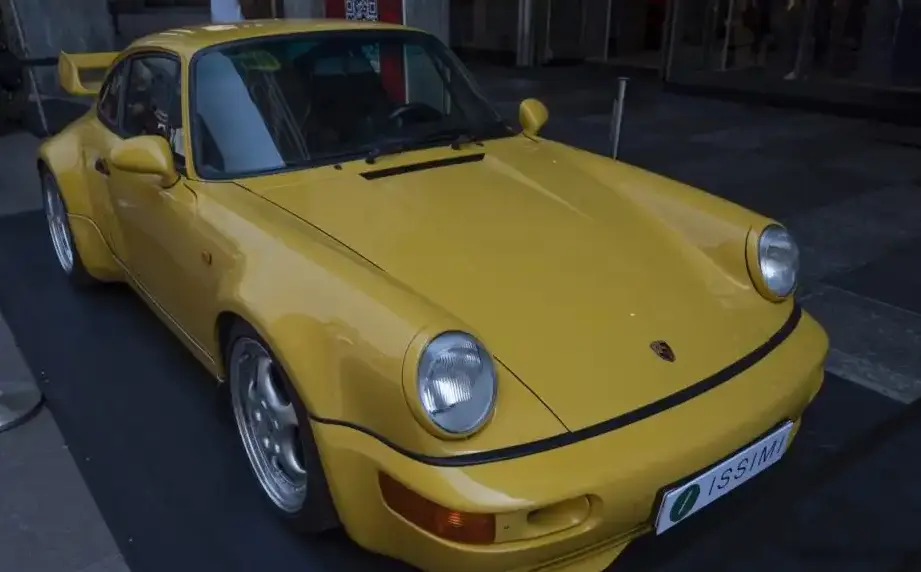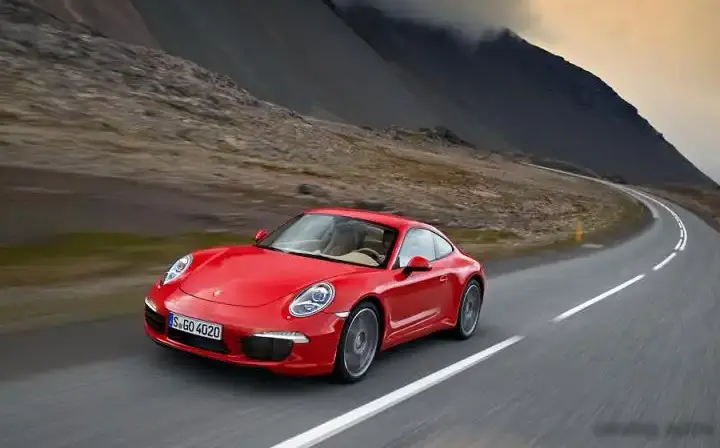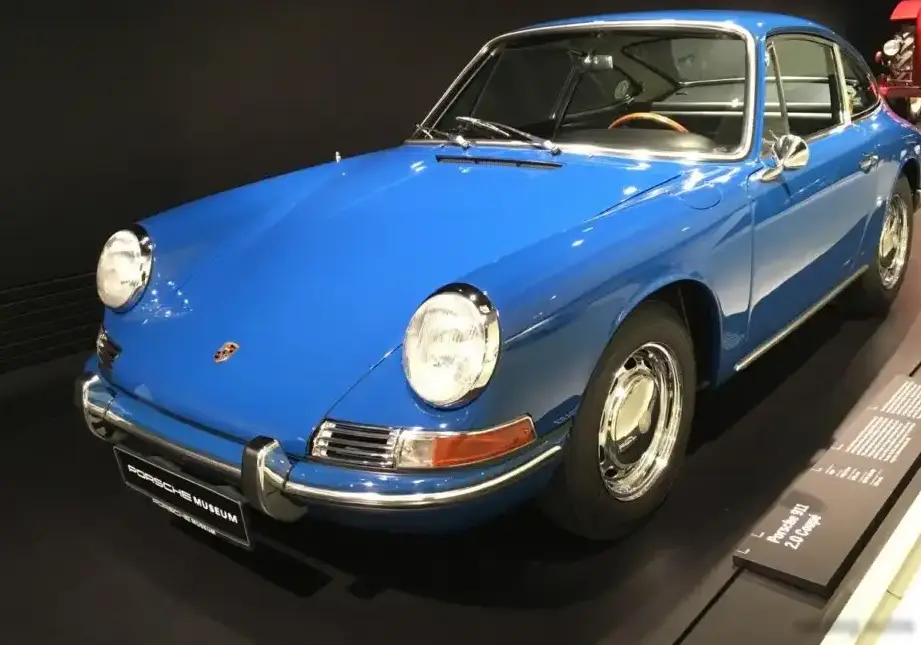
The Porsche 911 Coupe (F) 2.2 T, produced between 1970 and 1972, represents a pivotal moment in the evolution of Porsche’s iconic sports car. Falling within the first generation of the 911 (often referred to as the “F” platform), this 2.2-liter variant served as a crucial stepping stone between the initial 911 models and the later, more powerful iterations. It occupied a middle ground in the 911 lineup, offering a balance of performance and relative affordability compared to the more expensive ‘S’ models. This version was primarily aimed at enthusiasts seeking a genuine Porsche driving experience without the premium price tag of the higher-spec trims.
Technical Specifications
| Brand | Porsche |
| Model | 911 |
| Generation | 911 Coupe (F) |
| Type (Engine) | 2.2 T (125 Hp) |
| Start of production | 1970 |
| End of production | 1972 |
| Powertrain Architecture | Internal Combustion engine |
| Body type | Coupe |
| Seats | 4 |
| Doors | 2 |
| Fuel consumption (combined) | 9 l/100 km (26.1 US mpg, 31.4 UK mpg, 11.1 km/l) |
| Fuel Type | Petrol (Gasoline) |
| Acceleration 0 – 100 km/h | 10 sec |
| Acceleration 0 – 62 mph | 10 sec |
| Acceleration 0 – 60 mph | 9.5 sec |
| Maximum speed | 205 km/h (127.38 mph) |
| Weight-to-power ratio | 8.2 kg/Hp, 122.5 Hp/tonne |
| Weight-to-torque ratio | 5.8 kg/Nm, 173.5 Nm/tonne |
| Power | 125 Hp @ 5800 rpm |
| Power per litre | 56.9 Hp/l |
| Torque | 177 Nm @ 4200 rpm (130.55 lb.-ft. @ 4200 rpm) |
| Engine layout | Rear, Longitudinal |
| Engine Model/Code | 911.03 |
| Engine displacement | 2195 cm3 (133.95 cu. in.) |
| Number of cylinders | 6 |
| Engine configuration | Boxer |
| Cylinder Bore | 84 mm (3.31 in.) |
| Piston Stroke | 66 mm (2.6 in.) |
| Compression ratio | 8.6:1 |
| Engine aspiration | Naturally aspirated engine |
| Engine oil capacity | 9 l (9.51 US qt | 7.92 UK qt) |
| Kerb Weight | 1020 kg (2248.72 lbs.) |
| Max. weight | 1400 kg (3086.47 lbs.) |
| Max load | 380 kg (837.76 lbs.) |
| Trunk (boot) space – maximum | 200 l (7.06 cu. ft.) |
| Fuel tank capacity | 62 l (16.38 US gal | 13.64 UK gal) |
| Permitted trailer load with brakes (12%) | 600 kg (1322.77 lbs.) |
| Permitted trailer load without brakes | 480 kg (1058.22 lbs.) |
| Length | 4163 mm (163.9 in.) |
| Width | 1610 mm (63.39 in.) |
| Height | 1320 mm (51.97 in.) |
| Wheelbase | 2268 mm (89.29 in.) |
| Front track | 1362 mm (53.62 in.) |
| Rear (Back) track | 1343 mm (52.87 in.) |
| Ride height (ground clearance) | 150 mm (5.91 in.) |
| Minimum turning circle (turning diameter) | 10.7 m (35.1 ft.) |
| Drivetrain Architecture | The Internal combustion engine (ICE) drives the rear wheels of the vehicle. |
| Drive wheel | Rear wheel drive |
| Number of gears and type of gearbox | 5 gears, manual transmission |
| Front suspension | Spring Strut, Wishbone |
| Rear suspension | Trailing arm |
| Front brakes | Disc |
| Rear brakes | Disc |
| Steering type | Steering rack and pinion |
| Wheel rims size | 5.5J x 15 |
Powertrain & Engine Architecture
The heart of the 911 Coupe (F) 2.2 T is its 2.2-liter, air-cooled, flat-six (Boxer) engine, designated the 911.03. This engine builds upon the foundation laid by the original 911’s powerplant, featuring improvements to enhance reliability and performance. The engine utilizes a Bosch mechanical fuel injection system, a significant upgrade over the carburetors used in earlier models. This system provided more precise fuel delivery, contributing to improved throttle response and overall efficiency. The engine’s valvetrain employs two valves per cylinder, operated by pushrods and rocker arms. The 5-speed manual transmission was standard, delivering power to the rear wheels. The longitudinal engine placement, a hallmark of the 911, contributes to its distinctive handling characteristics.
Driving Characteristics
The 125 horsepower and 130.55 lb-ft of torque produced by the 2.2-liter engine provided a spirited, though not overwhelming, driving experience. Acceleration from 0-60 mph took approximately 9.5 seconds, and the car could reach a top speed of around 127 mph. Compared to the more powerful 911S models, the 2.2 T offered a more accessible powerband, making it easier to drive in everyday situations. The manual transmission’s gear ratios were well-matched to the engine’s characteristics, providing good acceleration in each gear. While not as brutally fast as later 911s, the 2.2 T delivered a rewarding driving experience characterized by its balanced handling and responsive steering.
Equipment & Trim Levels
The 911 Coupe (F) 2.2 T was relatively sparsely equipped compared to modern standards, but it offered a comfortable and functional interior. Standard features included comfortable cloth seats, a basic instrument cluster, and a leather-wrapped steering wheel. Optional extras included a sunroof, upgraded sound system, and various trim options. The interior design was functional and focused on the driving experience, with a minimalist aesthetic. The ‘T’ designation indicated a ‘Touring’ model, suggesting a slightly more comfort-oriented setup than the more track-focused ‘S’ models.
Chassis & Braking
The 911 Coupe (F) 2.2 T utilized a robust chassis with independent suspension all around. The front suspension featured spring struts and wishbones, while the rear suspension employed trailing arms. This setup provided excellent handling and ride quality for the time. Disc brakes were fitted on all four wheels, providing adequate stopping power. The car’s relatively light weight (around 2249 lbs) contributed to its nimble handling characteristics. Steering was via a rack and pinion system, offering precise and responsive control.
Market Reception & Comparison
The 911 Coupe (F) 2.2 T was well-received by automotive critics, who praised its balanced handling, responsive engine, and overall driving experience. It was seen as a more affordable and accessible entry point into the 911 world, appealing to a wider range of buyers. Compared to the 911S, the 2.2 T offered a more relaxed driving experience and slightly better fuel economy. However, it lacked the outright performance of the ‘S’ model. Compared to the later 911 models with larger engines, the 2.2 T offered a more classic and engaging driving experience, appealing to purists.
Legacy
The Porsche 911 Coupe (F) 2.2 T holds a significant place in Porsche history as a crucial link between the early 911 models and the later, more refined iterations. The 911.03 engine proved to be relatively reliable, and many examples are still on the road today. In the used car market, the 2.2 T is highly sought after by collectors and enthusiasts, particularly those seeking a classic 911 experience. Its relative affordability compared to the ‘S’ models makes it an attractive option for those looking to enter the world of classic Porsche ownership. The 2.2 T represents a sweet spot in the 911 lineage, offering a blend of performance, reliability, and classic Porsche charm.