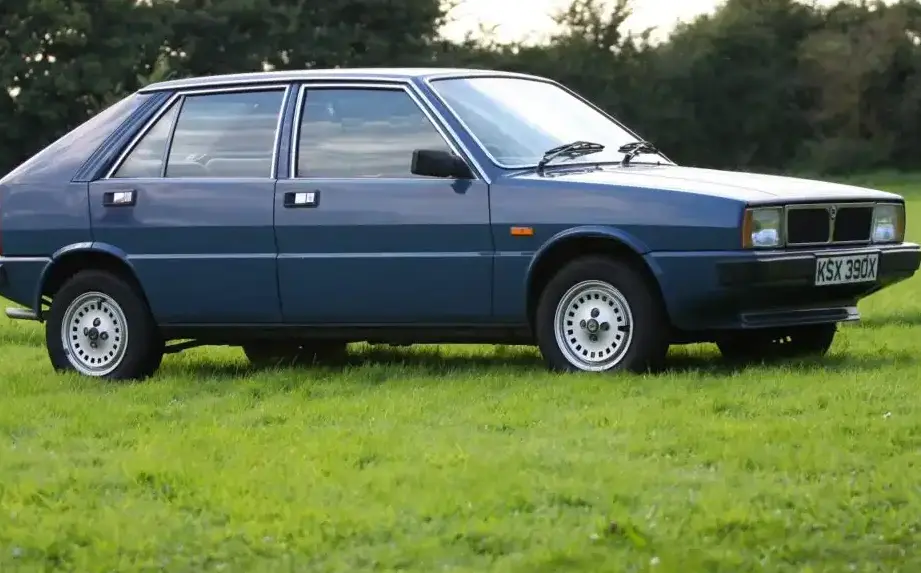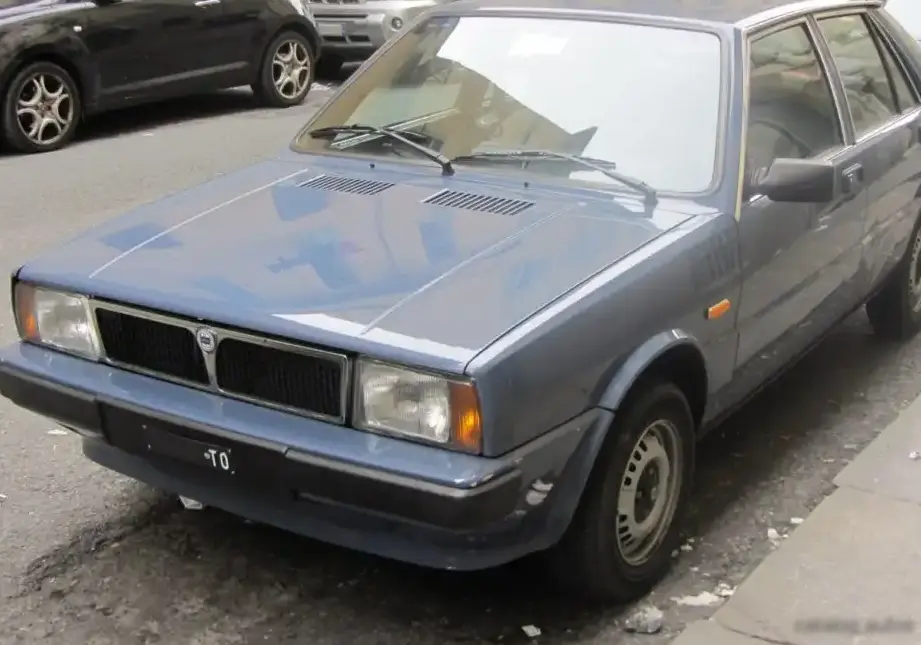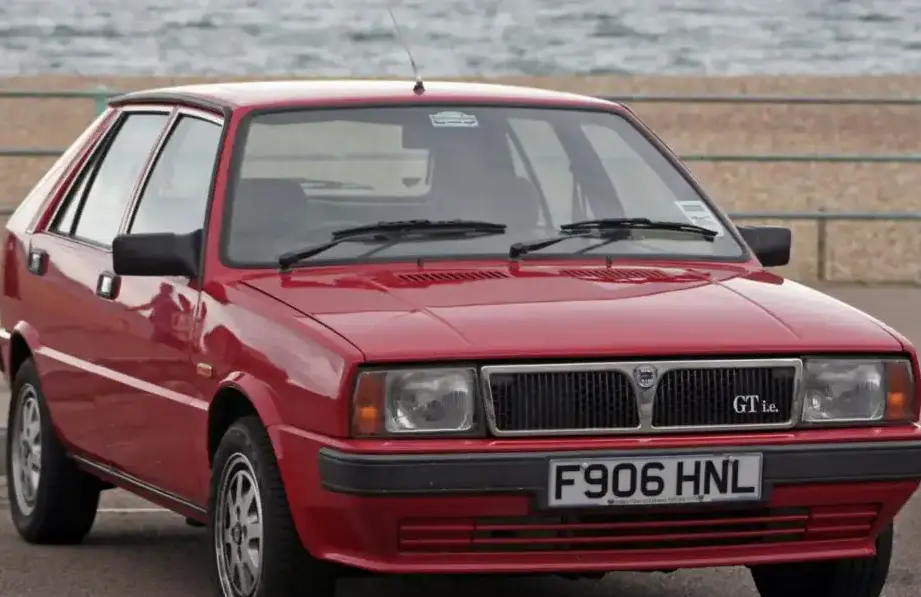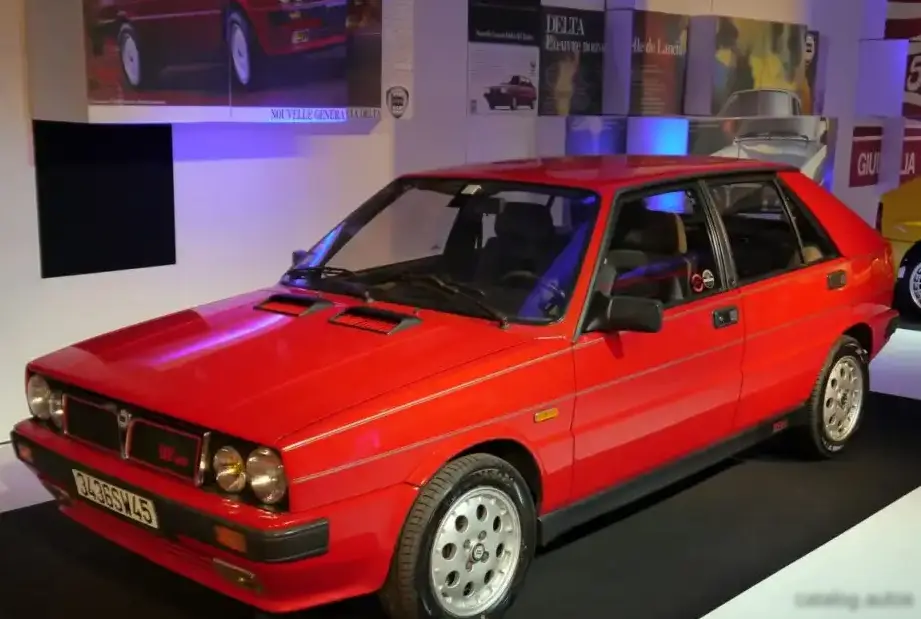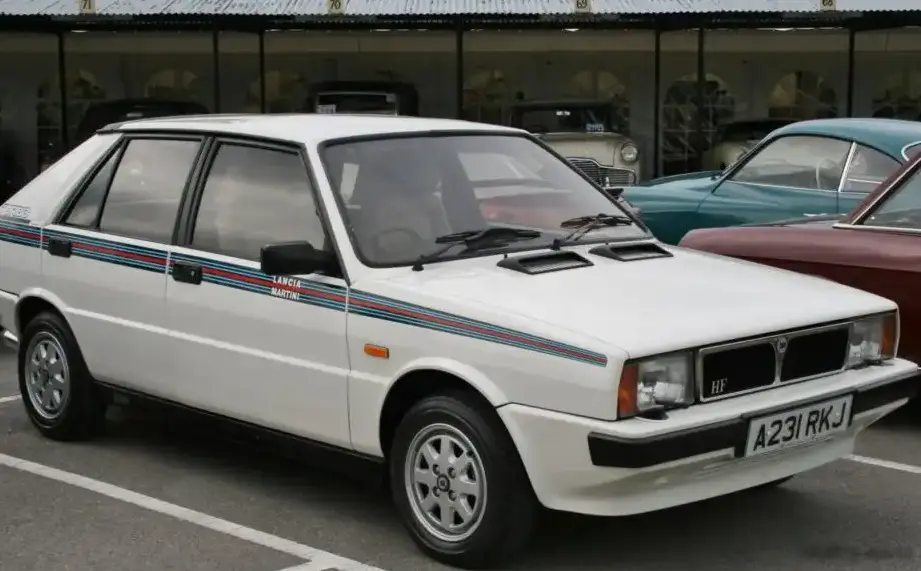
The Lancia Delta HF Turbo 1.6 (130 Hp), produced from June 1983 to May 1986, represents a pivotal point in the first generation (831 series, post-1982 facelift) of Lancia’s iconic Delta hatchback. This variant was positioned as a performance-oriented model within the Delta range, bridging the gap between the more economical base models and the outright rally-bred Delta Integrale that would follow. The HF Turbo aimed to deliver a blend of spirited driving and everyday usability, appealing to enthusiasts seeking a sporty yet practical vehicle. It played a significant role in establishing the Delta’s reputation for innovative engineering and dynamic handling, particularly within the European market.
Technical Specifications
| Brand | Lancia |
| Model | Delta |
| Generation | Delta I (831, facelift 1982) |
| Type (Engine) | HF Turbo 1.6 (130 Hp) |
| Start of production | June, 1983 |
| End of production | May, 1986 |
| Powertrain Architecture | Internal Combustion engine |
| Body type | Hatchback |
| Seats | 5 |
| Doors | 5 |
| Fuel consumption (urban) | 10.8 l/100 km (21.8 US mpg, 26.2 UK mpg, 9.3 km/l) |
| Fuel consumption (extra urban) | 6.8 l/100 km (34.6 US mpg, 41.5 UK mpg, 14.7 km/l) |
| Fuel Type | Petrol (Gasoline) |
| Acceleration 0 – 100 km/h | 8.9 sec |
| Acceleration 0 – 62 mph | 8.9 sec |
| Acceleration 0 – 60 mph | 8.6 sec |
| Maximum speed | 195 km/h (121.17 mph) |
| Weight-to-power ratio | 7.7 kg/Hp, 130 Hp/tonne |
| Weight-to-torque ratio | 5.2 kg/Nm, 191 Nm/tonne |
| Power | 130 Hp @ 5600 rpm |
| Power per litre | 82 Hp/l |
| Torque | 191 Nm @ 3700 rpm (140.87 lb.-ft. @ 3700 rpm) |
| Engine layout | Front, Transverse |
| Engine Model/Code | 831A7000 |
| Engine displacement | 1585 cm3 (96.72 cu. in.) |
| Number of cylinders | 4 |
| Engine configuration | Inline |
| Cylinder Bore | 84 mm (3.31 in.) |
| Piston Stroke | 71.5 mm (2.81 in.) |
| Compression ratio | 8:1 |
| Number of valves per cylinder | 2 |
| Fuel injection system | Carburettor |
| Engine aspiration | Turbocharger, Intercooler |
| Valvetrain | DOHC |
| Engine oil capacity | 5.8 l (6.13 US qt | 5.1 UK qt) |
| Coolant | 6 l (6.34 US qt | 5.28 UK qt) |
| Kerb Weight | 1000 kg (2204.62 lbs.) |
| Max. weight | 1450 kg (3196.7 lbs.) |
| Max load | 450 kg (992.08 lbs.) |
| Trunk (boot) space – minimum | 260 l (9.18 cu. ft.) |
| Trunk (boot) space – maximum | 1000 l (35.31 cu. ft.) |
| Fuel tank capacity | 45 l (11.89 US gal | 9.9 UK gal) |
| Permitted trailer load with brakes (12%) | 1000 kg (2204.62 lbs.) |
| Length | 3895 mm (153.35 in.) |
| Width | 1620 mm (63.78 in.) |
| Height | 1380 mm (54.33 in.) |
| Wheelbase | 2475 mm (97.44 in.) |
| Front track | 1400 mm (55.12 in.) |
| Rear (Back) track | 1400 mm (55.12 in.) |
| Minimum turning circle (turning diameter) | 10.6 m (34.78 ft.) |
| Climb angle | 21.2° |
| Drivetrain Architecture | The Internal combustion engine (ICE) drives the front wheels of the vehicle. |
| Drive wheel | Front wheel drive |
| Number of gears and type of gearbox | 5 gears, manual transmission |
| Front suspension | Independent, type McPherson with coil spring and anti-roll bar |
| Rear suspension | McPherson, Transverse stabilizer |
| Front brakes | Disc |
| Rear brakes | Disc |
| Steering type | Steering rack and pinion |
| Tires size | 175/65 R14 |
| Wheel rims size | 5J x 14 |
Powertrain & Engine Architecture
The heart of the Delta HF Turbo 1.6 is the 831A7000 engine, a 1.6-liter inline-four cylinder powerplant. This engine is notable for its use of a turbocharger and intercooler, which significantly boosted its output compared to naturally aspirated versions. While utilizing a carburetor for fuel delivery – a common practice for the era – the engine also featured a dual overhead camshaft (DOHC) valvetrain, contributing to improved breathing and efficiency. The 8:1 compression ratio was a compromise between performance and reliability, allowing the engine to run on readily available gasoline. The turbocharger provided a substantial increase in power, bringing the output to 130 horsepower at 5600 rpm and 191 Nm (140.87 lb-ft) of torque at 3700 rpm. The engine’s transverse mounting and front-wheel drive configuration were key elements of the Delta’s compact design and handling characteristics. The 5-speed manual transmission was the only gearbox option available with this engine.
Driving Characteristics
The Delta HF Turbo 1.6 offered a noticeable step up in performance compared to the base models. Acceleration to 60 mph took approximately 8.6 seconds, and it could achieve a top speed of 195 km/h (121.17 mph). The turbocharger provided a distinct surge of power, but it wasn’t without some turbo lag, typical of systems of that period. The 5-speed manual transmission allowed drivers to keep the engine in its optimal power band. Compared to later, more powerful Delta variants like the Integrale, the HF Turbo felt more accessible and less demanding to drive. The gear ratios were tuned for a balance between acceleration and fuel economy. While not as sharp or focused as the Integrale, the HF Turbo provided a rewarding driving experience for those seeking a sporty and engaging hatchback.
Equipment & Trim Levels
The HF Turbo trim level included several features that distinguished it from the lower-spec Delta models. Standard equipment typically included upgraded interior upholstery, often featuring sport seats with bolstered support. The dashboard featured additional gauges, such as a turbo pressure gauge, to monitor engine performance. Alloy wheels were also standard, enhancing the car’s visual appeal. Optional extras could include a sunroof, upgraded audio systems, and power windows. The interior design was functional and driver-focused, reflecting the car’s sporty intentions. The HF Turbo was positioned as a well-equipped and desirable variant within the Delta lineup.
Chassis & Braking
The Delta HF Turbo utilized an independent McPherson strut suspension setup at both the front and rear, incorporating coil springs and an anti-roll bar. This suspension design provided a good balance between ride comfort and handling precision. The front brakes were discs, offering superior stopping power compared to the drum brakes found on some lower-spec models. Rear brakes were also discs. The steering was rack and pinion, providing responsive and accurate control. The car’s relatively lightweight construction (around 1000 kg or 2204.62 lbs) contributed to its agile handling characteristics. Tire size was typically 175/65 R14.
Market Reception & Comparison
The Lancia Delta HF Turbo 1.6 was generally well-received by automotive critics. It was praised for its performance, handling, and overall refinement. Compared to other hot hatchbacks of the era, the Delta offered a unique blend of Italian style and engineering. Fuel economy was reasonable for a turbocharged vehicle, and reliability was generally good, although maintenance could be more complex than some of its rivals. Compared to the naturally aspirated Delta models, the HF Turbo offered a significant performance upgrade. It served as a stepping stone to the more extreme Delta Integrale, attracting a wider range of buyers who appreciated its blend of practicality and performance.
Legacy
The Lancia Delta HF Turbo 1.6 holds a significant place in automotive history as a precursor to the legendary Delta Integrale. While the Integrale ultimately achieved greater fame through its rally success, the HF Turbo laid the groundwork for the Delta’s reputation as a dynamic and innovative hatchback. Today, the HF Turbo is a sought-after classic car, appreciated by enthusiasts for its rarity, performance, and distinctive Italian character. The 831A7000 engine, while requiring careful maintenance, is generally considered to be a robust and reliable unit when properly cared for. Finding well-preserved examples can be challenging, but the Delta HF Turbo 1.6 remains a compelling and rewarding vehicle for those seeking a taste of 1980s Italian performance.