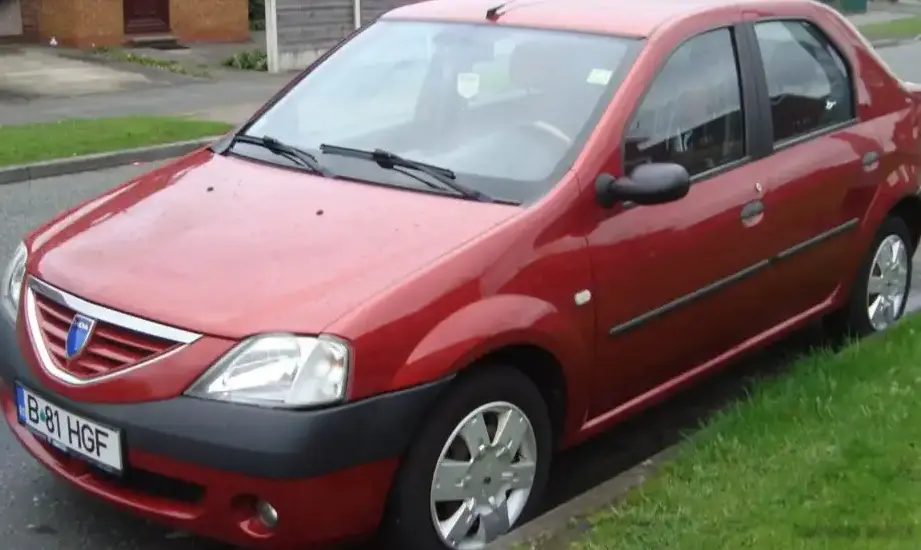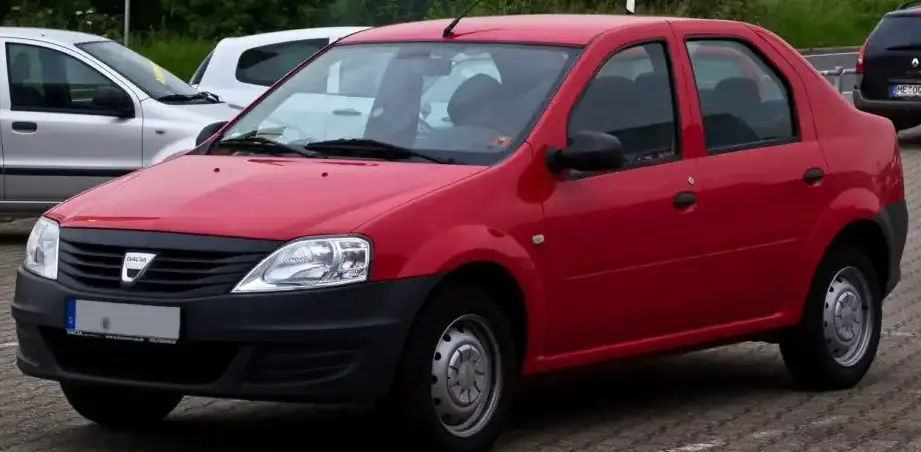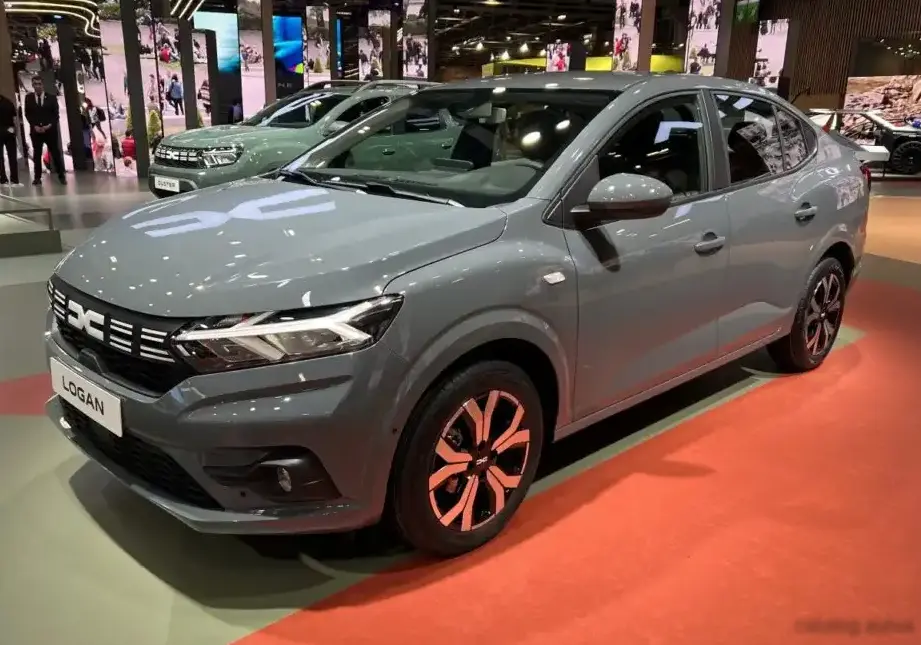
The Dacia Logan III (facelift 2022) 1.0 TCe (100 hp) represents a significant iteration of Dacia’s budget-focused sedan, introduced as part of the model’s mid-life refresh. Production began in 2022, building upon the foundation of the third-generation Logan (introduced in 2019), which itself utilizes the shared CMF-B platform developed by the Renault-Nissan-Mitsubishi Alliance. This variant, powered by the turbocharged 1.0 TCe engine, aimed to provide a balance of fuel efficiency and adequate performance for the European market, where the Logan is particularly popular as an affordable family vehicle. It occupies a mid-range position within the Logan III lineup, offering a step up from the base engine options while remaining more accessible than the higher-specification trims.
Technical Specifications
| Brand | Dacia |
| Model | Logan |
| Generation | Logan III (facelift 2022) |
| Type (Engine) | 1.0 TCe (100 Hp) |
| Start of production | 2022 |
| Powertrain Architecture | Internal Combustion engine |
| Body type | Sedan |
| Seats | 5 |
| Doors | 4 |
| Fuel consumption (combined) | 5.5 l/100 km (42.8 US mpg, 51.4 UK mpg, 18.2 km/l) |
| CO2 emissions | 127 g/km |
| Fuel Type | Petrol (Gasoline) |
| Power | 100 Hp @ 5000 rpm |
| Power per litre | 100.1 Hp/l |
| Torque | 160 Nm @ 2000-3750 rpm (118.01 lb.-ft. @ 2000-3750 rpm) |
| Engine layout | Front, Transverse |
| Engine Model/Code | H4Dt |
| Engine displacement | 999 cm3 (60.96 cu. in.) |
| Number of cylinders | 3 |
| Engine configuration | Inline |
| Cylinder Bore | 72.2 mm (2.84 in.) |
| Piston Stroke | 81.35 mm (3.2 in.) |
| Number of valves per cylinder | 4 |
| Fuel injection system | Multi-port manifold injection |
| Engine aspiration | Turbocharger, Intercooler |
| Valvetrain | DOHC |
| Engine oil capacity | 4.1 l (4.33 US qt | 3.61 UK qt) |
| Trunk (boot) space – minimum | 528 l (18.65 cu. ft.) |
| Trunk (boot) space – maximum | 1361 l (48.06 cu. ft.) |
| Fuel tank capacity | 50 l (13.21 US gal | 11 UK gal) |
| Length | 4396 mm (173.07 in.) |
| Width | 1848 mm (72.76 in.) |
| Width including mirrors | 2007 mm (79.02 in.) |
| Height | 1501 mm (59.09 in.) |
| Wheelbase | 2649 mm (104.29 in.) |
| Front track | 1533 mm (60.35 in.) |
| Rear track | 1519 mm (59.8 in.) |
| Front overhang | 819 mm (32.24 in.) |
| Rear overhang | 928 mm (36.54 in.) |
| Ride height (ground clearance) | 161 mm (6.34 in.) |
| Drivetrain Architecture | Front wheel drive, Internal Combustion engine |
| Number of gears and type of gearbox | 5 gears, manual transmission |
| Front suspension | Independent, type McPherson with coil spring and anti-roll bar |
| Front brakes | Ventilated discs |
| Rear brakes | Drum |
| Assisting systems | ABS (Anti-lock braking system) |
| Steering type | Steering rack and pinion |
| Power steering | Electric Steering |
| Tires size | 185/65 R15 |
| Wheel rims size | 15 |
Powertrain & Engine Architecture
The heart of this Logan variant is the Renault-developed H4Dt 1.0 TCe engine, a three-cylinder turbocharged petrol unit. This engine is part of the larger ‘Energy’ family of engines, known for its focus on efficiency. The 999cc displacement is achieved through a relatively oversquare design (72.2mm bore and 81.35mm stroke). The engine utilizes multi-point fuel injection and a single turbocharger with an intercooler to boost power and torque. The DOHC (Double Overhead Camshaft) valvetrain, with four valves per cylinder, contributes to efficient gas exchange. The engine is paired with a five-speed manual transmission, which was the standard offering for this trim level. The transmission is a conventional setup, prioritizing durability and cost-effectiveness over advanced features. The engine also incorporates a Start & Stop system to further improve fuel economy in urban driving conditions.
Driving Characteristics
The 100 hp 1.0 TCe engine, coupled with the five-speed manual gearbox, provides adequate, though not exhilarating, performance. Acceleration is best described as leisurely, with a 0-62 mph (0-100 km/h) time estimated around 12-13 seconds. The engine’s peak torque of 160 Nm (118 lb-ft) is available from 2000-3750 rpm, providing reasonable responsiveness for everyday driving situations. The gear ratios are tuned for fuel efficiency, meaning the engine can feel strained when pushed hard, particularly when fully loaded. Compared to the more powerful (but less fuel-efficient) 0.9 TCe 90 hp engine, the 100 hp version offers a slight improvement in overall performance, especially noticeable during highway overtaking. The manual transmission allows for greater driver control compared to an automatic, and contributes to the car’s relatively engaging driving experience.
Equipment & Trim Levels
The 1.0 TCe (100 hp) trim typically included standard features such as air conditioning, power steering, electric front windows, a basic audio system with USB connectivity, and ABS brakes. Safety features included driver and passenger airbags. Higher trim levels, available as options, added features like alloy wheels, a touchscreen infotainment system with smartphone integration, rear parking sensors, and cruise control. Interior upholstery was typically cloth, with a functional and durable design. The dashboard layout was straightforward and focused on practicality, with clearly labeled controls. The Logan III aimed to provide essential features at a competitive price point, with optional extras allowing buyers to customize their vehicle to their needs.
Chassis & Braking
The Logan III utilizes a McPherson strut front suspension setup with a coil spring and anti-roll bar, providing a comfortable ride quality. The rear suspension employs a simple torsion beam axle, which is cost-effective and contributes to the car’s overall stability. Braking is handled by ventilated discs at the front and drum brakes at the rear. While adequate for everyday use, the braking system isn’t particularly powerful. The electric power steering provides light and easy steering, making it well-suited for urban driving. The 15-inch wheels, typically fitted with 185/65 R15 tires, contribute to a comfortable ride and reasonable grip levels.
Market Reception & Comparison
The Dacia Logan III 1.0 TCe (100 hp) was generally well-received by critics for its affordability, practicality, and fuel efficiency. It was often praised as a sensible choice for budget-conscious buyers seeking a reliable and spacious family car. Compared to other trims in the Logan lineup, the 1.0 TCe offered a good balance between performance and economy. The 0.9 TCe 90 hp version was cheaper but felt underpowered, while the diesel options (1.5 dCi) offered better fuel economy but came with a higher purchase price and potential maintenance costs. The Logan consistently undercut competitors in terms of price, making it a popular choice in markets where value for money is a key consideration.
Legacy
The 1.0 TCe engine has proven to be a relatively reliable unit, although some owners have reported issues with the turbocharger and fuel injectors. Regular maintenance, including oil changes and timely replacement of wear items, is crucial for ensuring long-term reliability. In the used car market, the Logan III 1.0 TCe (100 hp) remains an attractive option for buyers seeking an affordable and practical vehicle. Its low running costs and spacious interior continue to appeal to a wide range of customers. The Logan’s reputation for durability and simplicity has helped it maintain a strong following, making it a popular choice for those seeking a no-frills, dependable car.