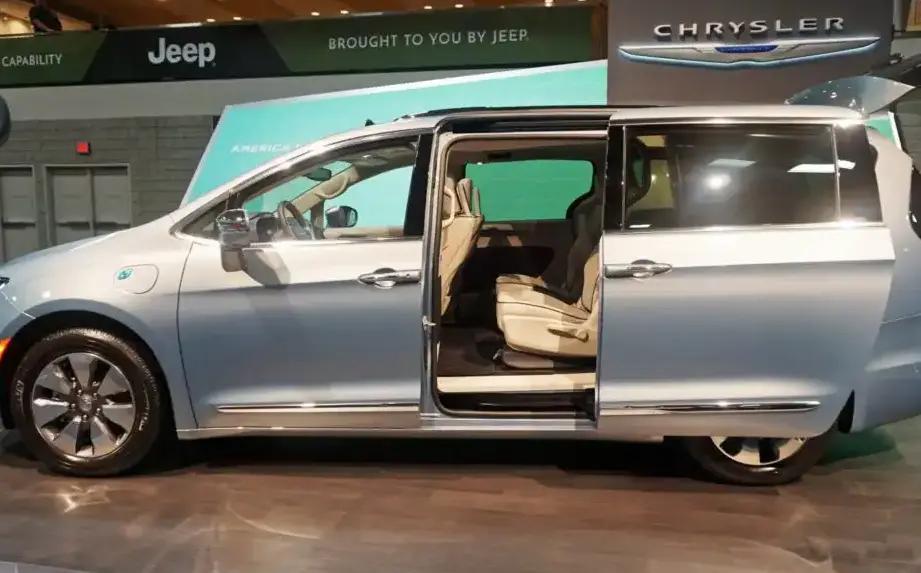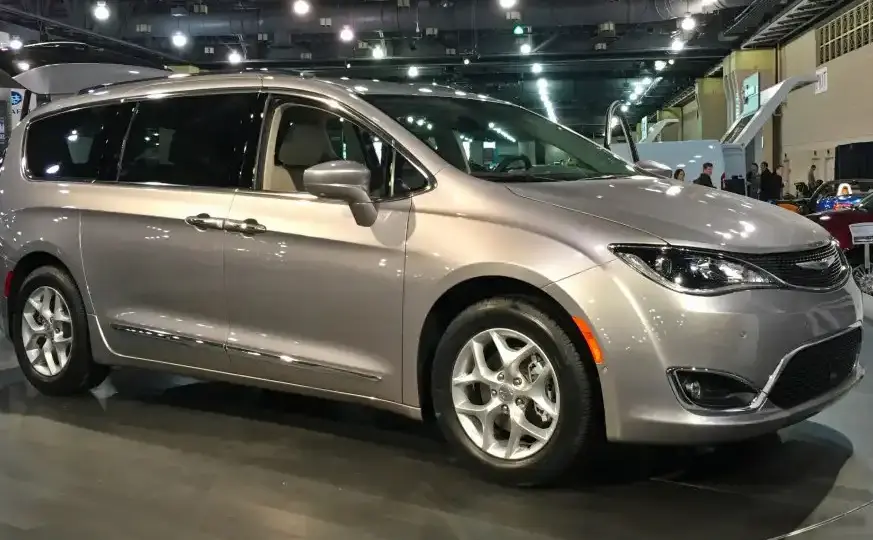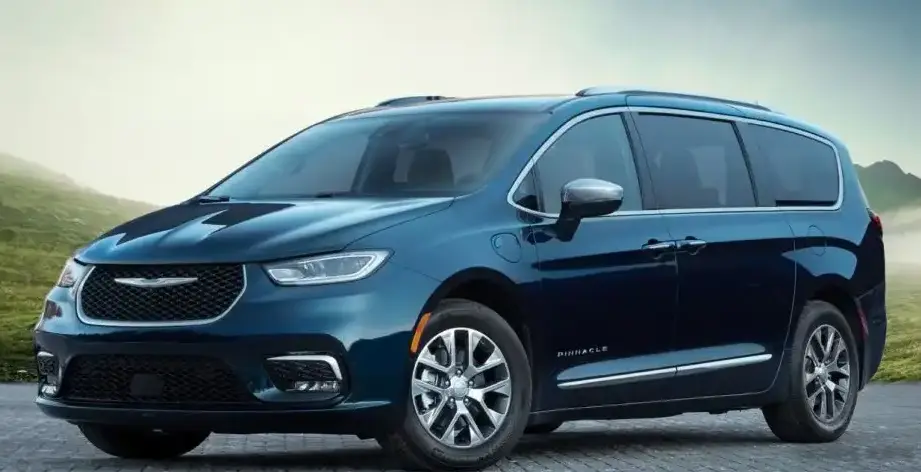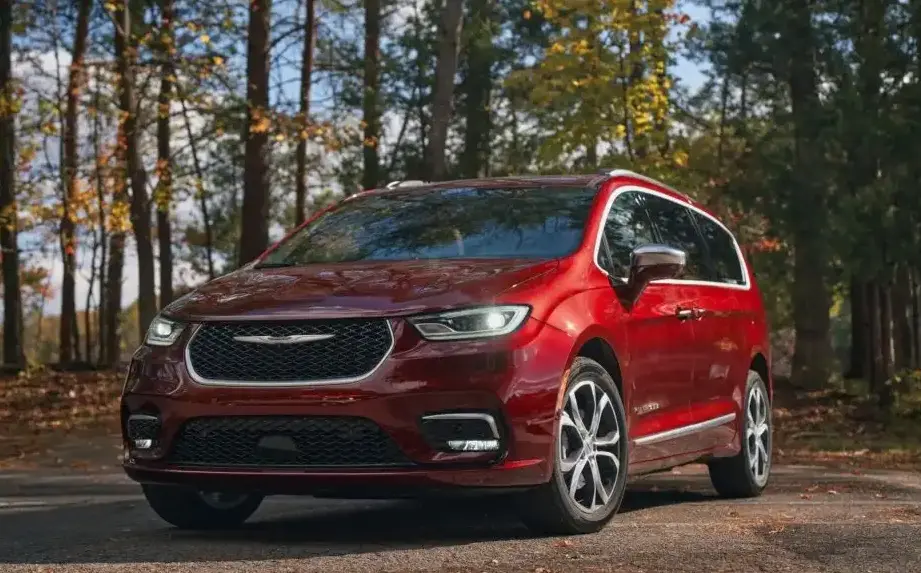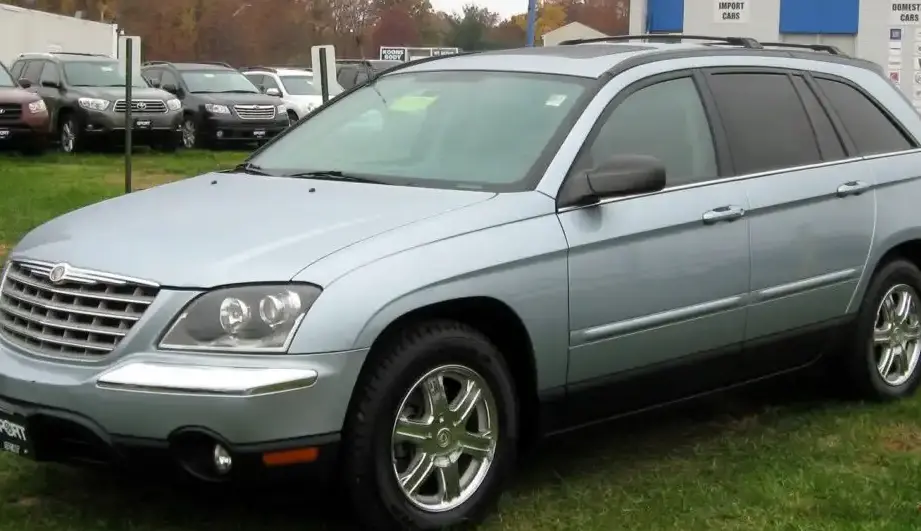
The Chrysler Pacifica 3.5 V6 AWD, produced from 2004 to 2008, represented Chrysler’s entry into the burgeoning crossover SUV market. Positioned as a more stylish and refined alternative to traditional minivans, the Pacifica aimed to attract families seeking a blend of space, comfort, and all-weather capability. This particular variant, equipped with the 3.5-liter V6 engine producing 253 horsepower and paired with a four-speed automatic transmission, served as a mid-range offering within the Pacifica lineup, slotting above the base 3.8L V6 models but below potential future performance-oriented trims that never materialized. The Pacifica was built on the Chrysler RS platform, sharing components with other Chrysler and Dodge vehicles of the era.
Technical Specifications
| Brand | Chrysler |
| Model | Pacifica (crossover) |
| Generation | Pacifica |
| Type (Engine) | 3.5 V6 (253 Hp) AWD |
| Start of production | 2004 |
| End of production | 2008 |
| Powertrain Architecture | Internal Combustion engine |
| Body type | Crossover |
| Seats | 7 |
| Doors | 5 |
| Fuel consumption (urban) | 13.9 l/100 km (16.9 US mpg) |
| Fuel consumption (extra urban) | 10.7 l/100 km (22 US mpg) |
| Fuel Type | Petrol (Gasoline) |
| Acceleration 0 – 100 km/h | 10 sec |
| Acceleration 0 – 62 mph | 10 sec |
| Acceleration 0 – 60 mph | 9.5 sec |
| Maximum speed | 190 km/h (118.06 mph) |
| Weight-to-power ratio | 8.5 kg/Hp |
| Weight-to-torque ratio | 6.4 kg/Nm |
| Power | 253 Hp @ 6400 rpm |
| Torque | 339 Nm @ 3900 rpm (250.03 lb.-ft. @ 3900 rpm) |
| Engine layout | Front, Longitudinal |
| Engine Model/Code | EGJ |
| Engine displacement | 3518 cm3 (214.68 cu. in.) |
| Number of cylinders | 6 |
| Engine configuration | V-engine |
| Cylinder Bore | 96 mm (3.78 in.) |
| Piston Stroke | 81 mm (3.19 in.) |
| Compression ratio | 9.9:1 |
| Number of valves per cylinder | 4 |
| Fuel injection system | Multi-port manifold injection |
| Engine aspiration | Naturally aspirated engine |
| Engine oil capacity | 5.2 l (5.49 US qt | 4.58 UK qt) |
| Coolant capacity | 10.1 l (10.67 US qt | 8.89 UK qt) |
| Kerb Weight | 2160 kg (4761.98 lbs.) |
| Trunk (boot) space – minimum | 369 l (13.03 cu. ft.) |
| Trunk (boot) space – maximum | 2250 l (79.46 cu. ft.) |
| Fuel tank capacity | 87 l (22.98 US gal | 19.14 UK gal) |
| Length | 5052 mm (198.9 in.) |
| Width | 2013 mm (79.25 in.) |
| Height | 1688 mm (66.46 in.) |
| Wheelbase | 2954 mm (116.3 in.) |
| Front track | 1676 mm (65.98 in.) |
| Rear track | 1676 mm (65.98 in.) |
| Drive wheel | All wheel drive (4×4) |
| Number of gears | 4 |
| Gearbox type | automatic transmission |
| Front suspension | Spring Strut |
| Rear suspension | Spring Strut |
| Front brakes | Ventilated discs |
| Rear brakes | Disc |
| Steering type | Steering rack and pinion |
| Tires size | 235/65 R17 |
| Wheel rims size | 7.5J x 17 |
Powertrain & Engine Architecture
The heart of the Pacifica 3.5 AWD was the EGJ engine, a 3.5-liter (3518 cc) naturally aspirated V6. This engine was part of Chrysler’s third-generation V6 family, known for its relatively smooth operation and decent power output. It featured a 60-degree V-angle, four valves per cylinder, and a multi-port fuel injection system. The engine produced 253 horsepower at 6400 rpm and 250 lb-ft of torque at 3900 rpm. The four-speed automatic transmission (42RLE) was chosen for its balance of cost-effectiveness and adequate performance. While not as sophisticated as some of the newer automatic transmissions available at the time, it provided smooth shifts under normal driving conditions. The all-wheel-drive system was an active system, utilizing a transfer case to distribute torque between the front and rear axles as needed, enhancing traction in slippery conditions.
Driving Characteristics
The 3.5L V6 and four-speed automatic combination in the Pacifica delivered adequate, but not exhilarating, performance. Acceleration from 0-60 mph took around 9.5 seconds, which was competitive for the class but noticeably slower than some of the V8-powered crossovers available. The automatic transmission’s gear ratios were tuned for comfort and fuel economy rather than outright speed. The AWD system provided confident handling in inclement weather, but added weight compared to front-wheel-drive models. The Pacifica felt stable and composed on the highway, but the suspension could feel somewhat soft and wallowy during spirited driving. Compared to the base 3.8L V6 Pacifica, the 3.5L offered a significant power boost, resulting in more effortless acceleration and better towing capacity.
Equipment & Trim Levels
The Pacifica 3.5 V6 AWD typically came standard with features such as air conditioning, power windows and locks, a CD player, and cloth upholstery. Higher trim levels added features like leather seats, a premium sound system, power-adjustable front seats, and a sunroof. Optional extras included a navigation system, rear-seat entertainment system, and upgraded wheels. The interior design was generally considered modern and spacious for its time, with a focus on comfort and practicality. The third-row seats were relatively easy to access and provided decent space for passengers, although they were best suited for children or shorter adults.
Chassis & Braking
The Pacifica utilized a traditional body-on-frame construction, which contributed to its robust feel and towing capacity. The front suspension consisted of independent spring struts, while the rear suspension employed a multi-link setup. The braking system featured ventilated discs at the front and solid discs at the rear. Anti-lock brakes (ABS) were standard. Steering was provided by a rack-and-pinion system. The 17-inch wheels were typically fitted with 235/65 R17 tires. The suspension tuning prioritized ride comfort over sporty handling, resulting in a relatively soft and forgiving ride quality.
Market Reception & Comparison
The Chrysler Pacifica received mixed reviews from automotive critics. While praised for its stylish design and spacious interior, it was often criticized for its somewhat lackluster performance and fuel economy. Compared to other crossovers like the Honda Pilot and Toyota Highlander, the Pacifica offered a more luxurious interior but lacked the same level of refinement and driving dynamics. The 3.5L V6 AWD variant was generally considered a good compromise between performance and fuel efficiency, but the four-speed automatic transmission was seen as outdated compared to the five- or six-speed automatics offered by some competitors. Fuel economy was rated at around 16.9 mpg in the city and 22 mpg on the highway.
Legacy
The Chrysler Pacifica, despite its relatively short production run, left a lasting impression on the crossover market. While not a runaway sales success, it helped to establish Chrysler as a player in the growing crossover segment. The 3.5L V6 engine proved to be generally reliable, although some owners have reported issues with the timing chain and oil leaks. Today, well-maintained Pacifica 3.5 AWD models can be found on the used car market at affordable prices. They represent a comfortable and spacious option for families seeking a versatile vehicle with all-weather capability, but potential buyers should be aware of the potential for age-related maintenance issues.