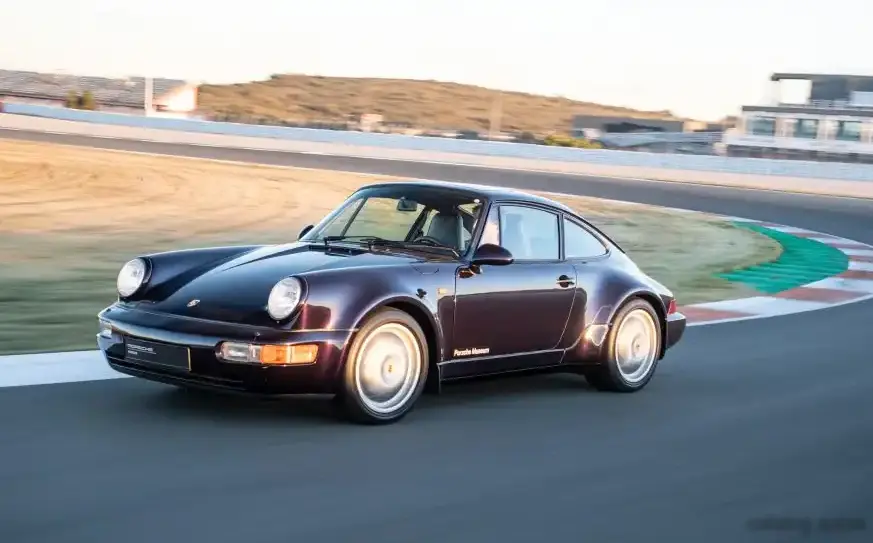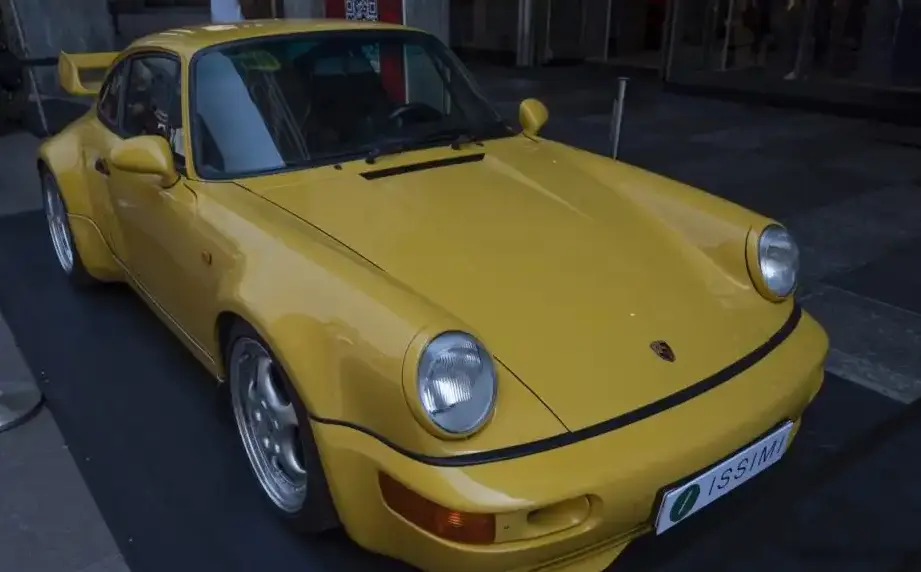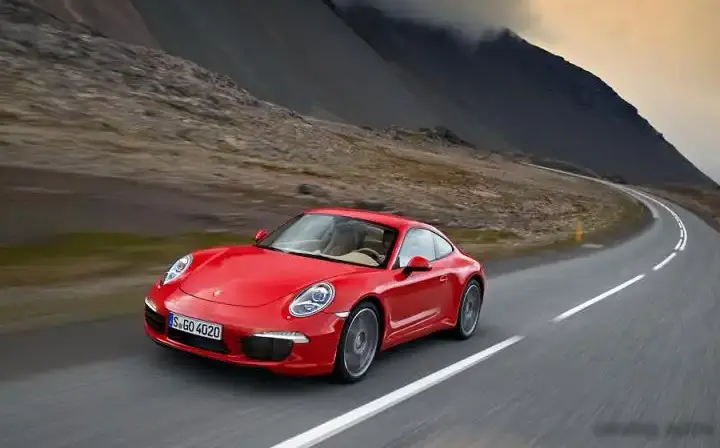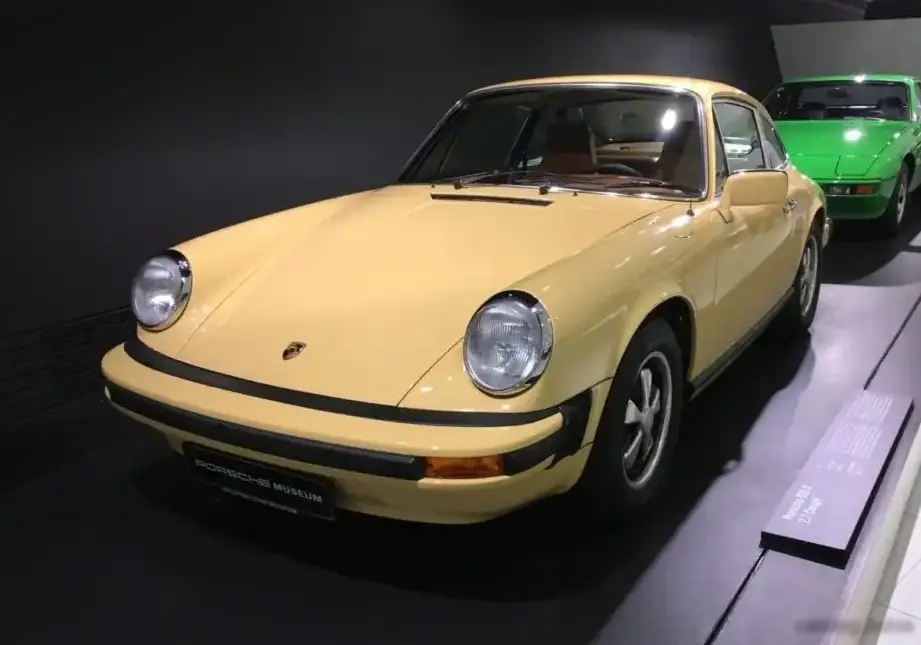
The Porsche 911 Coupe (G) 3.0 SC, produced between 1977 and 1979, represented a crucial evolution in the iconic 911 lineage. Falling within the ‘G-Series’ (1974-1989) of the 911, the 3.0 SC served as the mid-range offering, bridging the gap between the base 911 and the more potent 911 Carrera. It was designed to offer a balance of performance and usability, appealing to a broader customer base than its higher-spec siblings. The “SC” designation stood for “Super Carrera,” although it didn’t initially possess the full performance characteristics associated with the earlier Carrera models. This variant was primarily sold in North America, Europe, and Japan, becoming a popular choice for enthusiasts seeking a classic Porsche experience.
Technical Specifications
| Brand | Porsche |
| Model | 911 |
| Generation | 911 Coupe (G) |
| Type (Engine) | 3.0 SC (180 Hp) |
| Start of production | 1977 |
| End of production | 1979 |
| Powertrain Architecture | Internal Combustion engine |
| Body type | Coupe |
| Seats | 4 |
| Doors | 2 |
| Fuel consumption (combined) | 11 l/100 km |
| Fuel consumption (US mpg) | 21.4 US mpg |
| Fuel consumption (UK mpg) | 25.7 UK mpg |
| Fuel consumption (km/l) | 9.1 km/l |
| Fuel Type | Petrol (Gasoline) |
| Acceleration 0 – 100 km/h | 7 sec |
| Acceleration 0 – 62 mph | 7 sec |
| Acceleration 0 – 60 mph | 6.7 sec |
| Maximum speed | 220 km/h |
| Maximum speed (mph) | 136.7 mph |
| Weight-to-power ratio | 6.4 kg/Hp |
| Weight-to-torque ratio | 4.4 kg/Nm |
| Power | 180 Hp @ 5500 rpm |
| Power per litre | 60.1 Hp/l |
| Torque | 265 Nm @ 4200 rpm |
| Torque (lb.-ft.) | 195.45 lb.-ft. @ 4200 rpm |
| Engine layout | Rear, Longitudinal |
| Engine Model/Code | 930.03 |
| Engine displacement | 2993 cm3 |
| Engine displacement (cu. in.) | 182.64 cu. in. |
| Number of cylinders | 6 |
| Engine configuration | Boxer |
| Cylinder Bore | 95 mm |
| Cylinder Bore (in.) | 3.74 in. |
| Piston Stroke | 70.4 mm |
| Piston Stroke (in.) | 2.77 in. |
| Compression ratio | 8.5:1 |
| Number of valves per cylinder | 2 |
| Fuel injection system | Multi-port manifold injection |
| Engine aspiration | Naturally aspirated engine |
| Valvetrain | SOHC |
| Engine oil capacity | 13 l |
| Engine oil capacity (US qt) | 13.74 US qt |
| Engine oil capacity (UK qt) | 11.44 UK qt |
| Kerb Weight | 1160 kg |
| Kerb Weight (lbs) | 2557.36 lbs |
| Max. weight | 1500 kg |
| Max. weight (lbs) | 3306.93 lbs |
| Max load | 340 kg |
| Max load (lbs) | 749.57 lbs |
| Fuel tank capacity | 85 l |
| Fuel tank capacity (US gal) | 22.45 US gal |
| Fuel tank capacity (UK gal) | 18.7 UK gal |
| Length | 4291 mm |
| Length (in.) | 168.94 in. |
| Width | 1652 mm |
| Width (in.) | 65.04 in. |
| Height | 1320 mm |
| Height (in.) | 51.97 in. |
| Wheelbase | 2272 mm |
| Wheelbase (in.) | 89.45 in. |
| Front track | 1369 mm |
| Front track (in.) | 53.9 in. |
| Rear (Back) track | 1379 mm |
| Rear (Back) track (in.) | 54.29 in. |
| Front overhang | 932 mm |
| Front overhang (in.) | 36.69 in. |
| Rear overhang | 1087 mm |
| Rear overhang (in.) | 42.8 in. |
| Ride height (ground clearance) | 120 mm |
| Ride height (ground clearance) (in.) | 4.72 in. |
| Minimum turning circle | 10.9 m |
| Minimum turning circle (ft) | 35.76 ft |
| Approach angle | 16° |
| Departure angle | 17° |
| Drivetrain Architecture | Rear wheel drive |
| Number of gears | 5 |
| Type of gearbox | manual transmission |
| Front brakes | Ventilated discs |
| Rear brakes | Ventilated discs |
| Steering type | Steering rack and pinion |
| Front tires | 185/70 ZR15 |
| Rear tires | 215/60 ZR15 |
| Front wheel rims | 7J x 15 |
| Rear wheel rims | 6J x 15 |
Powertrain & Engine Architecture
The 911 SC 3.0 was powered by the 930.03 engine, a 2,993 cc (182.64 cu. in.) air-cooled, naturally aspirated flat-six (Boxer) engine. This engine represented an increase in displacement over the previous 2.7-liter 911s, contributing to its improved performance. The engine featured a compression ratio of 8.5:1 and utilized Bosch K-Jetronic mechanical fuel injection, a system known for its reliability and consistent fuel delivery. The single overhead camshaft (SOHC) design operated two valves per cylinder. The engine’s rear-mounted, longitudinal configuration was a defining characteristic of the 911, influencing its handling dynamics. The 5-speed manual transmission (Type 915) was standard, providing precise gear changes and contributing to the engaging driving experience.
Driving Characteristics
The 180 hp output of the 3.0 SC, coupled with the 5-speed manual transmission, delivered a respectable, though not overwhelming, performance profile. Acceleration from 0-60 mph took approximately 6.7 seconds, and it could achieve a top speed of around 136.7 mph. Compared to the more powerful 911 Carrera 3.0, the SC offered a slightly more relaxed driving experience. The gear ratios in the 915 transmission were well-suited to both spirited driving and comfortable cruising. While lacking the outright punch of the Carrera, the SC’s power delivery was smooth and predictable, making it accessible to a wider range of drivers. The rear-engine layout provided unique handling characteristics, requiring driver awareness and skill, particularly in challenging conditions.
Equipment & Trim Levels
The 911 SC 3.0 was relatively well-equipped for its time, though options were plentiful. Standard features included leatherette upholstery, a basic AM/FM radio, and manual windows. The interior design was functional and driver-focused, with a prominent central console housing the gauges and controls. Optional extras included air conditioning, a sunroof, upgraded sound systems, and sport seats. The exterior was typically finished in a range of solid colors, with metallic paints available at an extra cost. The Fuchs wheels, a signature Porsche design, were often specified as an option, enhancing the car’s visual appeal.
Chassis & Braking
The 911 SC 3.0 utilized a robust chassis with independent suspension on all four wheels. The front suspension featured torsion bars and shock absorbers, while the rear suspension employed semi-trailing arms with torsion bars and shock absorbers. Ventilated disc brakes were fitted to all four wheels, providing effective stopping power. The braking system was not assisted, requiring a firm pedal effort. The car’s relatively light weight (approximately 2,557 lbs) contributed to its agile handling. Stabilizer bars were fitted front and rear to reduce body roll during cornering.
Market Reception & Comparison
The 911 SC 3.0 was generally well-received by automotive critics. It was praised for its improved performance over earlier 911 models, its comfortable ride, and its overall usability. Compared to the 911 Carrera 3.0, the SC offered a more affordable entry point into the 911 world, making it a popular choice for buyers who prioritized value and practicality. Fuel economy was reasonable for a sports car of its era, averaging around 21.4 mpg. Reliability was generally good, although the air-cooled engine required regular maintenance to prevent issues.
Legacy
The Porsche 911 SC 3.0 remains a highly sought-after classic Porsche today. Its combination of performance, style, and relative affordability has made it a favorite among collectors and enthusiasts. The 930.03 engine is known for its durability, and well-maintained examples can provide years of reliable service. The 3.0 SC represents a pivotal moment in the 911’s evolution, bridging the gap between the early, more raw 911s and the more refined models that followed. Values have steadily increased in recent years, reflecting the car’s enduring appeal and its place in automotive history. Finding a well-preserved example requires careful inspection, as many cars have been modified or neglected over the years.