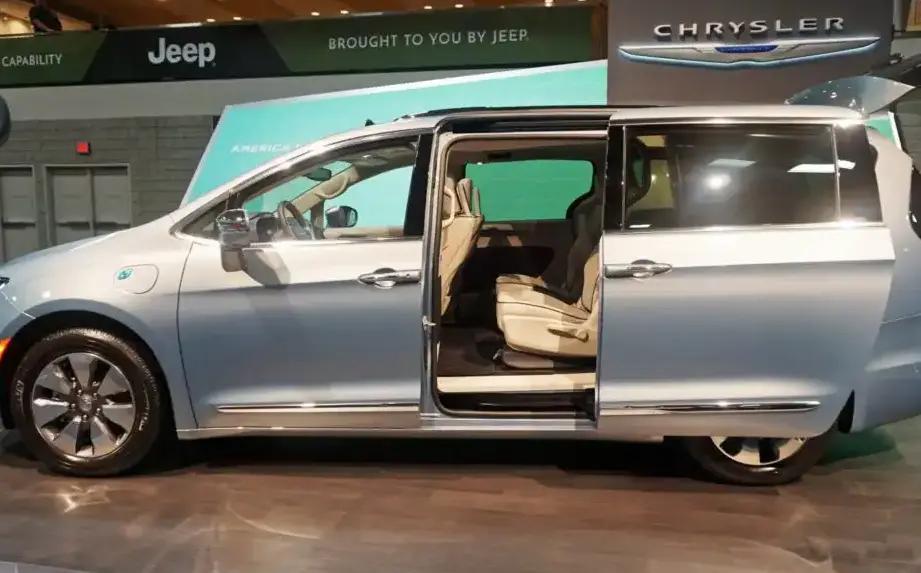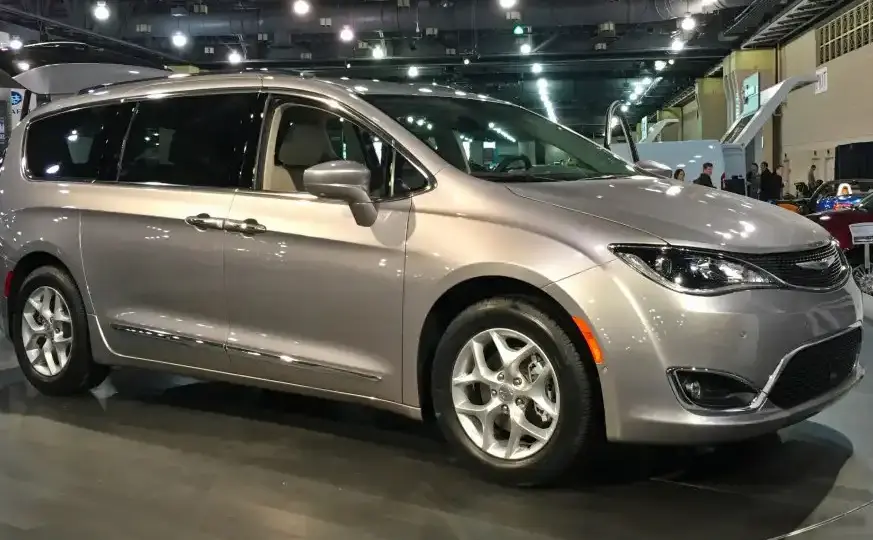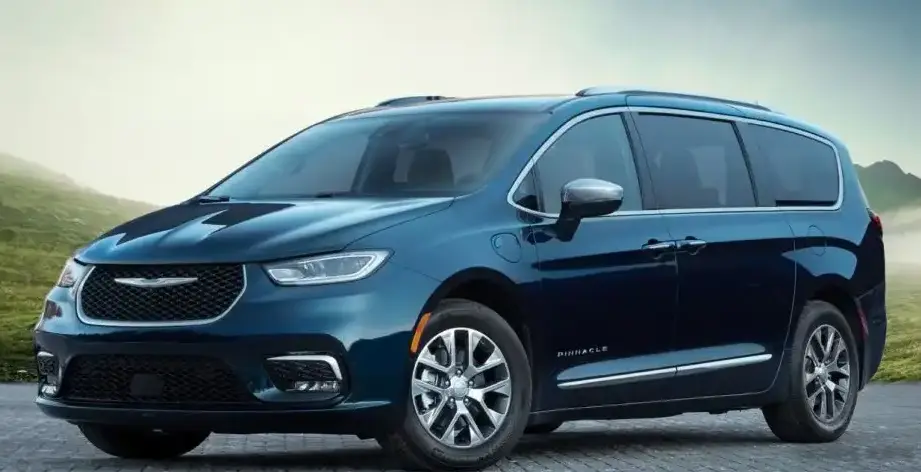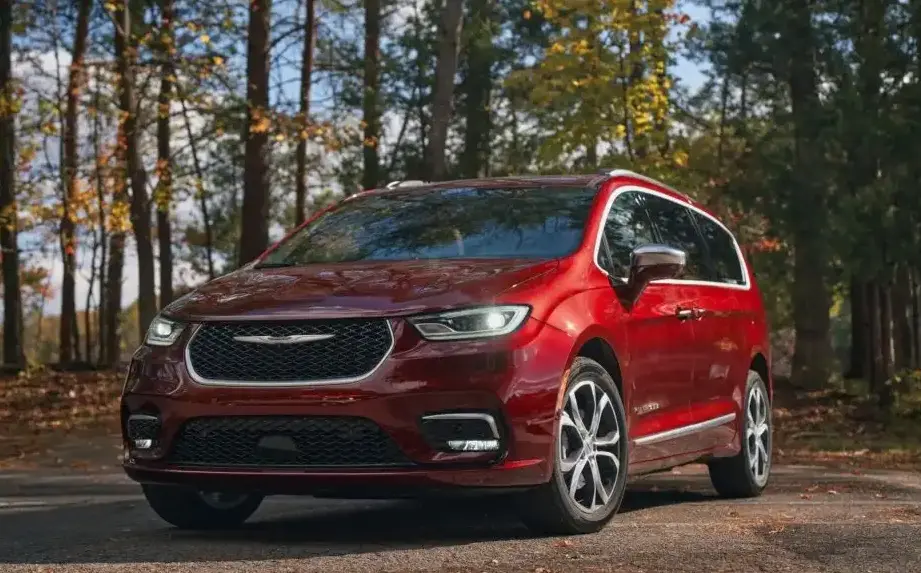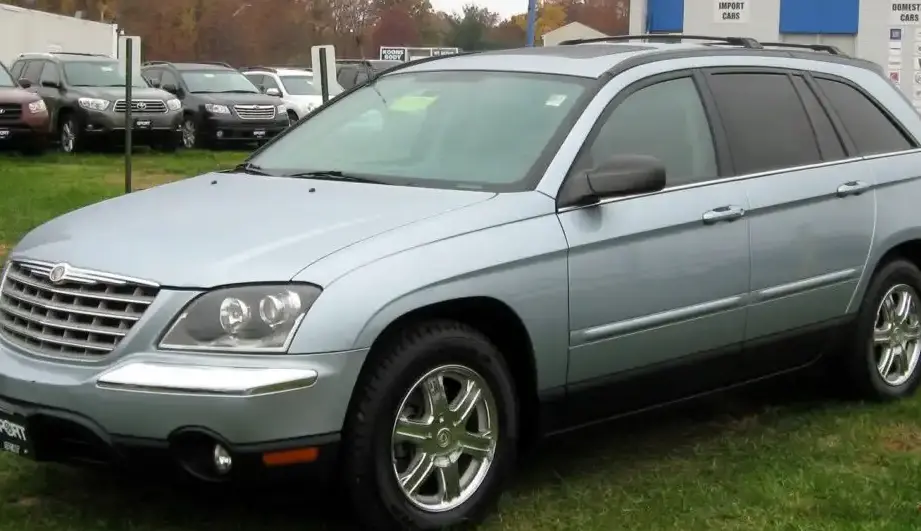
The Chrysler Pacifica 4.0 V6 AWD Automatic, produced from 2004 to 2008, represented Chrysler’s entry into the burgeoning crossover SUV market. Positioned as a more sophisticated alternative to the traditional minivan, the Pacifica aimed to blend the practicality of a minivan with the styling and perceived status of an SUV. This particular variant, equipped with the 4.0-liter V6 engine and an automatic transmission coupled with all-wheel drive, occupied a mid-to-upper trim level within the Pacifica lineup, offering a balance of performance and capability. It was built on the Chrysler RS platform, shared with other vehicles of the era, and sought to appeal to families desiring space and comfort without sacrificing a degree of driving enjoyment.
Technical Specifications
| Brand | Chrysler |
| Model | Pacifica (crossover) |
| Generation | Pacifica |
| Type (Engine) | 4.0 V6 (256 Hp) AWD Automatic |
| Start of production | 2004 |
| End of production | 2008 |
| Powertrain Architecture | Internal Combustion engine |
| Body type | Crossover |
| Seats | 7 |
| Doors | 5 |
| Fuel consumption (urban) | 16.8 l/100 km (14 US mpg, 16.8 UK mpg, 6 km/l) |
| Fuel consumption (extra urban) | 10.7 l/100 km (22 US mpg, 26.4 UK mpg, 9.3 km/l) |
| Fuel consumption (combined) | 13.8 l/100 km (17 US mpg, 20.5 UK mpg, 7.2 km/l) |
| Fuel Type | Petrol (Gasoline) |
| Maximum speed | 190 km/h (118.06 mph) |
| Weight-to-power ratio | 8.4 kg/Hp, 119.6 Hp/tonne |
| Weight-to-torque ratio | 6 kg/Nm, 165.8 Nm/tonne |
| Power | 256 Hp @ 6000 rpm |
| Power per litre | 64.8 Hp/l |
| Torque | 355 Nm @ 4100 rpm (261.83 lb.-ft. @ 4100 rpm) |
| Maximum engine speed | 6200 rpm |
| Engine layout | Front, Transverse |
| Engine Model/Code | EGQ |
| Engine displacement | 3952 cm3 (241.17 cu. in.) |
| Number of cylinders | 6 |
| Engine configuration | V-engine |
| Cylinder Bore | 96 mm (3.78 in.) |
| Piston Stroke | 91 mm (3.58 in.) |
| Compression ratio | 10.2:1 |
| Number of valves per cylinder | 4 |
| Fuel injection system | Multi-port manifold injection |
| Engine aspiration | Naturally aspirated engine |
| Valvetrain | SOHC |
| Engine oil capacity | 5.2 l (5.49 US qt | 4.58 UK qt) |
| Coolant | 10.1 l (10.67 US qt | 8.89 UK qt) |
| Kerb Weight | 2141 kg (4720.1 lbs.) |
| Trunk (boot) space – minimum | 370 l (13.07 cu. ft.) |
| Trunk (boot) space – maximum | 2250 l (79.46 cu. ft.) |
| Fuel tank capacity | 87 l (22.98 US gal | 19.14 UK gal) |
| Length | 5052 mm (198.9 in.) |
| Width | 2013 mm (79.25 in.) |
| Height | 1735 mm (68.31 in.) |
| Wheelbase | 2954 mm (116.3 in.) |
| Front track | 1676 mm (65.98 in.) |
| Rear (Back) track | 1676 mm (65.98 in.) |
| Ride height (ground clearance) | 149 mm (5.87 in.) |
| Drag coefficient (Cd) | 0.35 |
| Minimum turning circle (turning diameter) | 12.1 m (39.7 ft.) |
| Drive wheel | All wheel drive (4×4) |
| Number of gears and type of gearbox | 6 gears, automatic transmission |
| Front suspension | Spring Strut |
| Rear suspension | Spring Strut |
| Front brakes | Ventilated discs |
| Rear brakes | Disc |
| Assisting systems | ABS (Anti-lock braking system) |
| Steering type | Steering rack and pinion |
| Tires size | 235/55 R19 |
| Wheel rims size | 19 |
Powertrain & Engine Architecture
The heart of this Pacifica variant was the 3.952-liter (241.17 cubic inch) Chrysler 4.0L V6 engine, designated the EGQ code. This engine was a member of Chrysler’s well-established LA engine family, known for its durability and relatively simple design. It featured a single overhead camshaft (SOHC) valvetrain operating four valves per cylinder. Fuel delivery was handled by a multi-port fuel injection system, providing precise fuel metering for improved efficiency and performance. The engine produced 256 horsepower at 6000 rpm and 355 Nm (261.83 lb-ft) of torque at 4100 rpm. The engine’s transverse mounting and all-wheel-drive system necessitated a robust automatic transmission. Chrysler utilized a 6-speed automatic transmission, providing smooth shifts and a wide range of gear ratios to optimize both acceleration and fuel economy. The all-wheel-drive system was typically an on-demand system, engaging the rear wheels when traction was lost at the front, enhancing stability in inclement weather.
Driving Characteristics
The 4.0L V6 and automatic transmission combination in the Pacifica delivered adequate, but not exhilarating, performance. Acceleration was sufficient for everyday driving and highway merging, but the vehicle’s substantial weight (2141 kg / 4720.1 lbs) limited its overall responsiveness. Compared to the available manual transmission, the automatic offered convenience but sacrificed some driver engagement and fuel efficiency. The automatic’s gear ratios were tuned for comfort and drivability, prioritizing smooth transitions over aggressive downshifts. The all-wheel-drive system provided enhanced traction and stability, particularly in slippery conditions, making it a desirable feature for drivers in regions with harsh winters or frequent rain. However, the added weight of the AWD system did contribute to slightly reduced fuel economy compared to front-wheel-drive Pacifica models.
Equipment & Trim Levels
The 4.0L AWD Pacifica typically came well-equipped, reflecting its position as a mid-to-upper trim level. Standard features generally included air conditioning, power windows and locks, a premium sound system, and alloy wheels. Interior upholstery was typically cloth or leather, with higher trims offering upgraded leather options. Optional extras included a navigation system, a rear-seat entertainment system, and power-adjustable pedals. The dashboard layout was generally straightforward and functional, with a focus on ease of use. The seven-passenger seating configuration provided ample space for families, with comfortable seating in all three rows.
Chassis & Braking
The Pacifica’s chassis utilized an independent front suspension with spring struts and a multi-link rear suspension, also employing spring struts. This setup aimed to provide a comfortable ride while maintaining reasonable handling characteristics. Braking duties were handled by ventilated discs at the front and solid discs at the rear, equipped with an anti-lock braking system (ABS) as standard. The steering system was a rack-and-pinion setup, providing precise and responsive steering feel. The 19-inch wheels were fitted with 235/55 R19 tires, offering a balance of grip and ride comfort.
Market Reception & Comparison
The Chrysler Pacifica 4.0L AWD Automatic received mixed reviews from automotive critics. While praised for its spacious interior, comfortable ride, and available features, it was often criticized for its relatively poor fuel economy and somewhat uninspired driving dynamics. Compared to other crossovers of the time, such as the Honda Pilot or Toyota Highlander, the Pacifica offered a more minivan-like driving experience. However, its styling and available features appealed to buyers who preferred the look of an SUV. Reliability was generally considered average, with some reports of issues with the automatic transmission and electrical components.
Legacy
The Chrysler Pacifica, while not a runaway sales success, represented an important step in Chrysler’s attempt to broaden its appeal beyond traditional minivans. The 4.0L V6 and automatic transmission combination proved to be reasonably durable, and well-maintained examples can still be found on the used car market today. However, potential buyers should be aware of the potential for transmission issues and the relatively high fuel consumption. The Pacifica’s legacy lies in its attempt to bridge the gap between minivans and crossovers, paving the way for the more successful Chrysler Pacifica minivan that debuted in 2017.