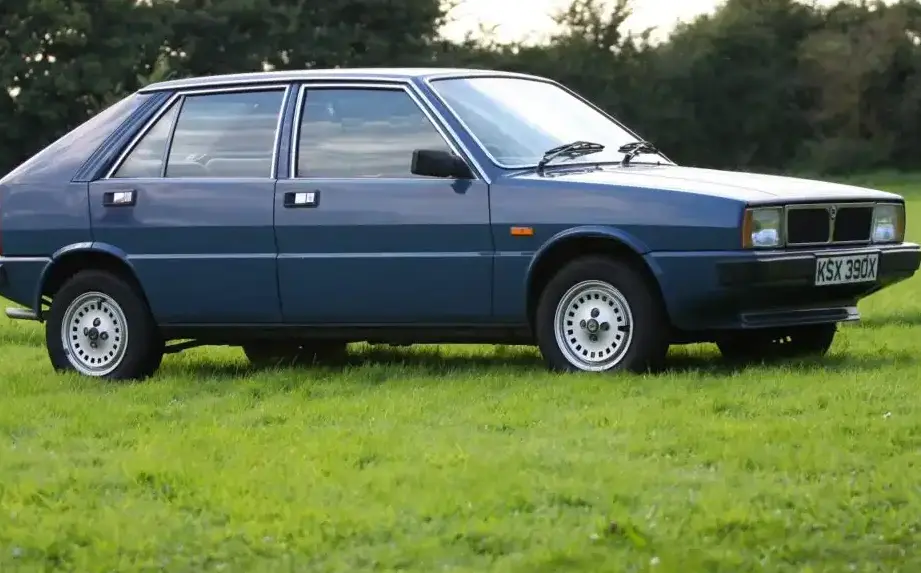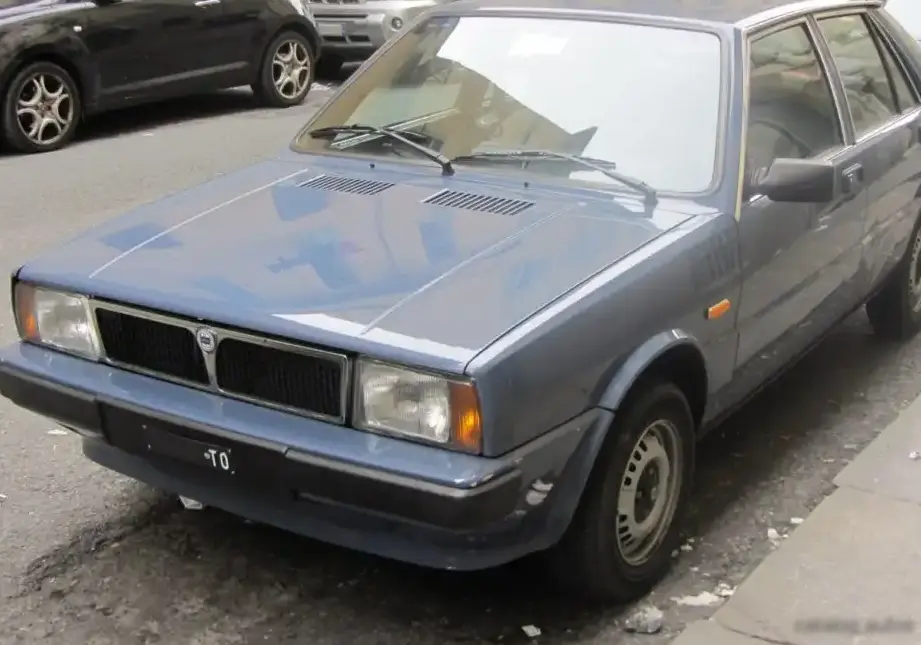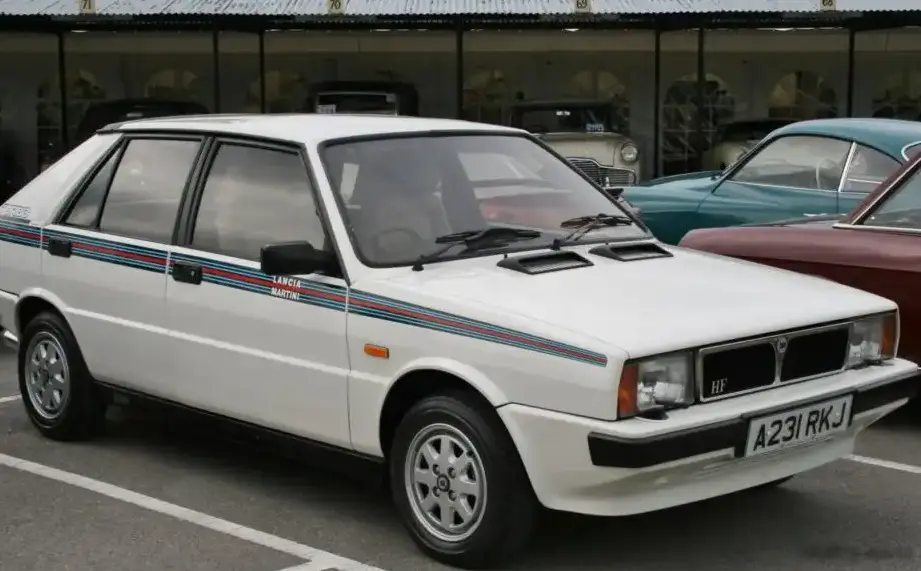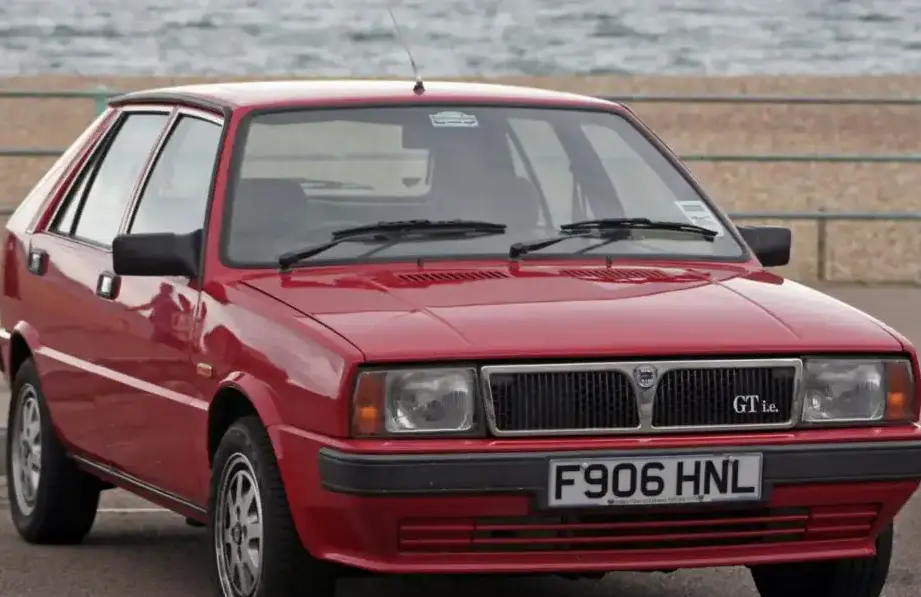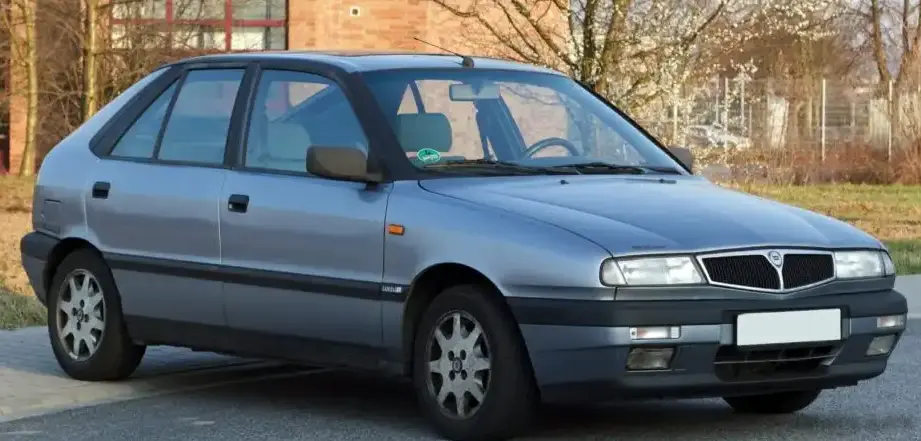
The Lancia Delta II (836) 1.6, produced between 1996 and 1999, represented a significant evolution of the iconic Delta model. Positioned as an entry-level offering within the 836 series, it aimed to provide accessible Italian styling and practicality to a broader customer base. Built on the 836 platform, which was a substantial redesign from the original Delta, this variant offered a balance between affordability and the Delta’s established reputation for spaciousness and comfort. While the Delta name had a storied history in rallying, the 1.6 model focused on everyday usability rather than outright performance. It served as a key model in Lancia’s lineup during a period of transition and changing market demands.
Technical Specifications
| Brand | Lancia |
| Model | Delta |
| Generation | Delta II (836) |
| Type (Engine) | 1.6 (103 Hp) |
| Start of production | 1996 |
| End of production | 1999 |
| Powertrain Architecture | Internal Combustion engine |
| Body type | Hatchback |
| Seats | 5 |
| Doors | 5 |
| Fuel consumption (urban) | 11.4 l/100 km (20.6 US mpg) |
| Fuel consumption (extra urban) | 6.6 l/100 km (35.6 US mpg) |
| Fuel Type | Petrol (Gasoline) |
| Acceleration 0 – 100 km/h | 11 sec |
| Acceleration 0 – 62 mph | 11 sec |
| Acceleration 0 – 60 mph | 10.5 sec |
| Maximum speed | 190 km/h (118.06 mph) |
| Weight-to-power ratio | 11.7 kg/Hp |
| Weight-to-torque ratio | 8.4 kg/Nm |
| Power | 103 Hp @ 5750 rpm |
| Power per litre | 65.1 Hp/l |
| Torque | 144 Nm @ 4000 rpm (106.21 lb.-ft. @ 4000 rpm) |
| Engine layout | Front, Transverse |
| Engine Model/Code | 182 A4.000 |
| Engine displacement | 1581 cm3 (96.48 cu. in.) |
| Number of cylinders | 4 |
| Engine configuration | Inline |
| Cylinder Bore | 86.4 mm (3.4 in.) |
| Piston Stroke | 67.4 mm (2.65 in.) |
| Compression ratio | 10.5:1 |
| Number of valves per cylinder | 4 |
| Fuel injection system | Multi-port manifold injection |
| Engine aspiration | Naturally aspirated engine |
| Valvetrain | DOHC |
| Engine oil capacity | 3.8 l (4.02 US qt | 3.34 UK qt) |
| Coolant capacity | 7 l (7.4 US qt | 6.16 UK qt) |
| Kerb Weight | 1205 kg (2656.57 lbs.) |
| Max. weight | 1670 kg (3681.72 lbs.) |
| Max load | 465 kg (1025.15 lbs.) |
| Trunk (boot) space – minimum | 335 l (11.83 cu. ft.) |
| Trunk (boot) space – maximum | 975 l (34.43 cu. ft.) |
| Fuel tank capacity | 50 l (13.21 US gal | 11 UK gal) |
| Length | 4011 mm (157.91 in.) |
| Width | 1759 mm (69.25 in.) |
| Height | 1430 mm (56.3 in.) |
| Wheelbase | 2540 mm (100 in.) |
| Front track | 1486 mm (58.5 in.) |
| Rear track | 1424 mm (56.06 in.) |
| Drivetrain Architecture | Front wheel drive |
| Number of gears | 5 |
| Gearbox type | Manual transmission |
| Front suspension | Independent type McPherson |
| Rear suspension | Trailing arm |
| Front brakes | Disc |
| Rear brakes | Disc |
| Assisting systems | ABS (Anti-lock braking system) |
| Steering type | Steering rack and pinion |
| Power steering | Hydraulic Steering |
| Tires size | 185/60 R14 |
| Wheel rims size | 5.5jx14 4×98 |
INTRODUCTION
The Lancia Delta II 1.6 (836) was produced from 1996 to 1999, representing a significant departure from the original Delta, while still attempting to capture some of its spirit. The 836 series was a complete redesign, moving away from the sharply angled, boxy design of the first generation to a more rounded, contemporary aesthetic. This 1.6-liter variant served as the entry point into the Delta II range, offering a more affordable option for buyers who prioritized practicality and comfort over outright performance. It was positioned below the more powerful 1.8 and 2.0-liter models, and significantly below the high-performance HF versions. The Delta II aimed to compete in the crowded European C-segment hatchback market, facing rivals like the Ford Focus, Volkswagen Golf, and Opel/Vauxhall Astra.
Powertrain & Engine Architecture
The heart of the Delta II 1.6 was the 182 A4.000 engine, a 1.6-liter inline-four cylinder gasoline engine. This engine featured a multi-port fuel injection system and a double overhead camshaft (DOHC) valvetrain, contributing to reasonable efficiency and power output for its displacement. The engine produced 103 horsepower at 5750 rpm and 144 Nm (106.21 lb-ft) of torque at 4000 rpm. The engine’s design prioritized smooth operation and fuel economy over peak performance. It was paired with a five-speed manual transmission as standard, delivering power to the front wheels. The engine’s architecture was relatively simple and robust, contributing to its overall reliability. The 1.6 engine was known for being relatively easy to maintain, with readily available parts.
Driving Characteristics
The Delta II 1.6 offered a comfortable, if not particularly exciting, driving experience. With 103 horsepower, acceleration was adequate for everyday driving, with a 0-60 mph time of around 10.5 seconds. The five-speed manual transmission provided reasonable control, but the engine lacked the punch of the higher-displacement variants. The gear ratios were tuned for fuel efficiency and smooth cruising rather than spirited acceleration. Compared to the 1.8 or 2.0-liter models, the 1.6 felt noticeably less responsive, particularly when overtaking or climbing hills. However, the Delta II’s comfortable suspension and well-weighted steering made it a pleasant car to drive on a daily basis. The front-wheel-drive configuration provided predictable handling, although it wasn’t particularly engaging for driving enthusiasts.
Equipment & Trim Levels
The Delta II 1.6 typically came equipped with a reasonable level of standard features, reflecting its position as an entry-level model. Standard equipment generally included power steering, central locking, electric front windows, and an adjustable steering column. Interior upholstery was typically cloth, and the dashboard featured a functional, if somewhat dated, design. Optional extras included air conditioning, alloy wheels, a radio/cassette player, and upgraded interior trim. Higher trim levels within the Delta II range offered more luxurious features, such as leather upholstery, automatic climate control, and a sunroof. The 1.6 model was often chosen by buyers who prioritized value for money and didn’t require the extra features offered by the more expensive trims.
Chassis & Braking
The Delta II 1.6 utilized an independent McPherson strut suspension at the front and a trailing arm suspension at the rear. This setup provided a comfortable ride quality, absorbing bumps and imperfections in the road effectively. The braking system consisted of disc brakes on all four wheels, providing adequate stopping power for the car’s weight and performance. An Anti-lock Braking System (ABS) was standard, enhancing safety and control during emergency braking situations. The chassis was designed to provide a balance between handling and comfort, prioritizing stability and predictability over sporty dynamics. The tires were typically 185/60 R14, offering a good compromise between grip and fuel efficiency.
Market Reception & Comparison
The Delta II 1.6 received mixed reviews from automotive critics. While praised for its spacious interior, comfortable ride, and reasonable fuel economy, it was often criticized for its lack of performance and somewhat dated interior design. Compared to its rivals, such as the Ford Focus and Volkswagen Golf, the Delta II 1.6 was often seen as less refined and less engaging to drive. However, it offered a distinctive Italian style and a reputation for reliability that appealed to some buyers. The 1.8 and 2.0-liter versions of the Delta II offered significantly better performance, but at a higher price point. The 1.6 model was often chosen by buyers who prioritized affordability and practicality over outright performance.
Legacy
The Lancia Delta II 1.6, while not a performance icon like its rally-bred predecessors, remains a reasonably well-regarded vehicle in the used car market. The 182 A4.000 engine is known for its reliability, and parts are generally readily available. However, like many European cars of this era, rust can be a concern, particularly in regions with harsh winters. Today, the Delta II 1.6 represents an affordable and practical option for buyers seeking a spacious and comfortable hatchback with a touch of Italian flair. It’s a reminder of a time when Lancia was a more prominent player in the European automotive market, and a testament to the enduring appeal of the Delta name.