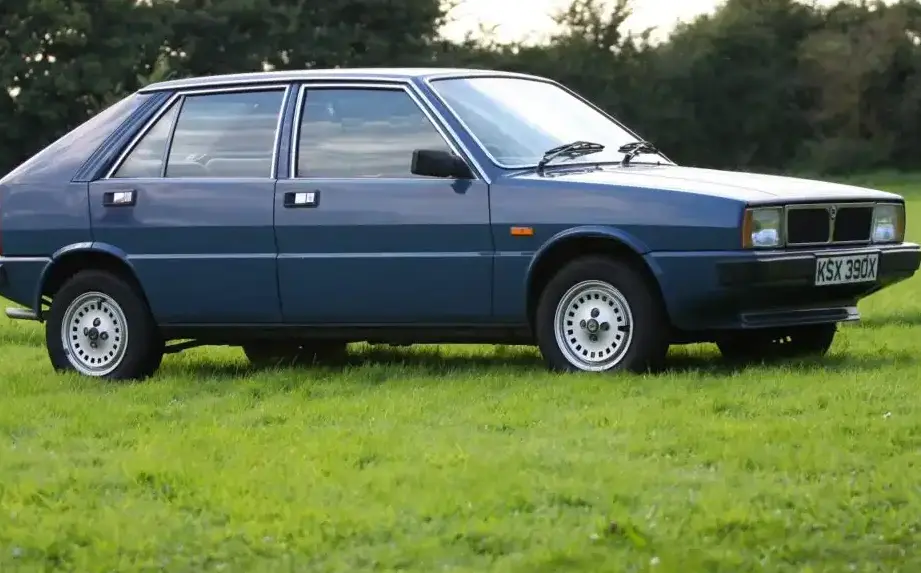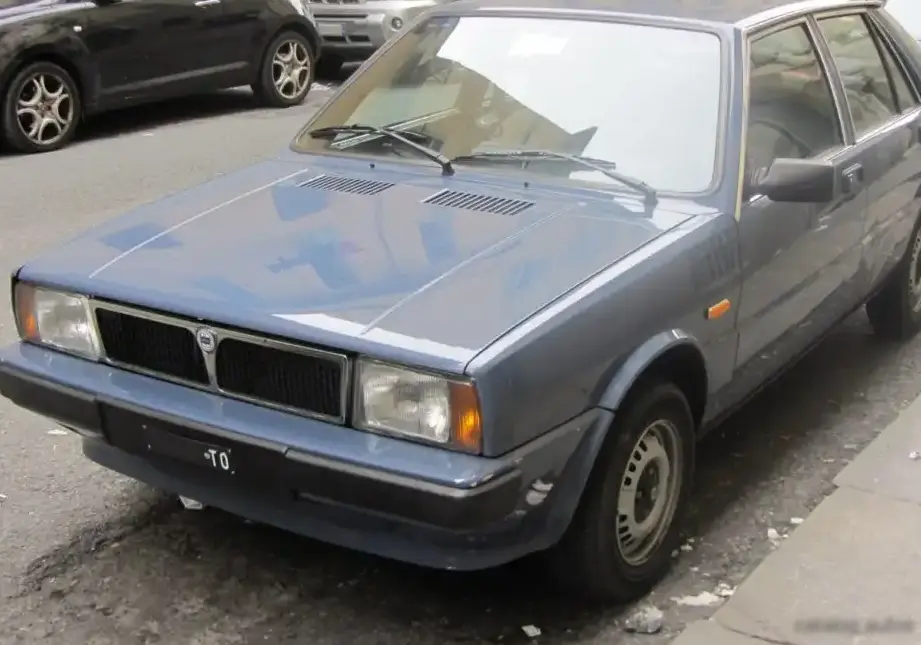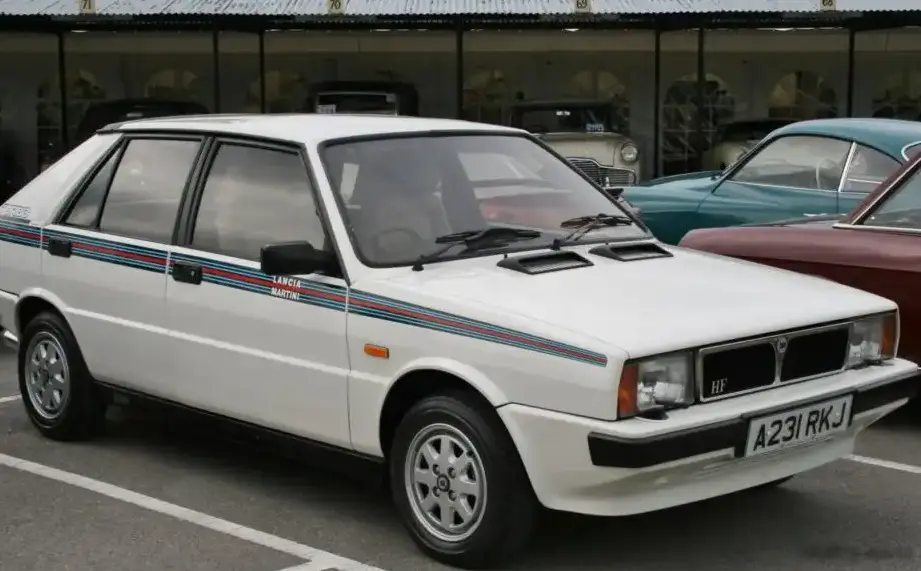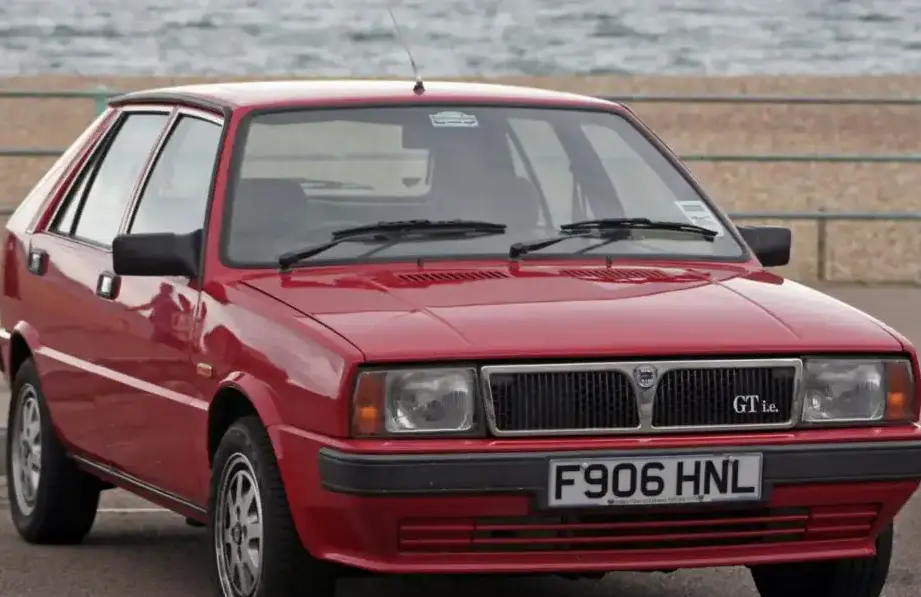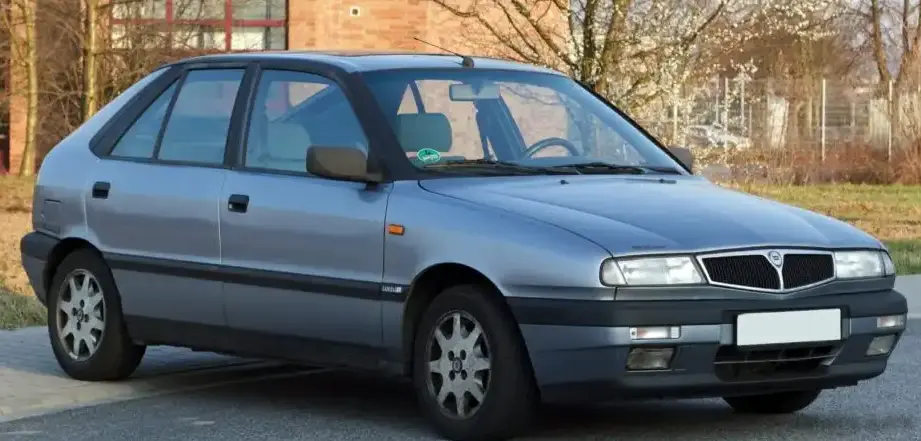
The Lancia Delta II 1.9 TD (90 hp) represents a significant iteration of the iconic Delta hatchback, produced between 1994 and 1999. Falling within the 836 series, this variant occupied a crucial position in the Delta lineup, offering a balance of fuel efficiency and respectable performance for the European market. It was positioned as a practical, economical choice for buyers seeking a versatile family vehicle, particularly in countries where diesel engines were favored. The Delta II, built upon the Lancia 836 platform, aimed to modernize the Delta while retaining its core strengths of spaciousness and driving enjoyment. This specific 1.9 TD model was a key component of that strategy, appealing to a broad customer base.
Technical Specifications
| Brand | Lancia |
| Model | Delta |
| Generation | Delta II (836) |
| Type (Engine) | 1.9 TD (90 Hp) |
| Start of production | 1994 |
| End of production | 1999 |
| Powertrain Architecture | Internal Combustion engine |
| Body type | Hatchback |
| Seats | 5 |
| Doors | 5 |
| Fuel consumption (urban) | 8.7 l/100 km (27 US mpg, 32.5 UK mpg, 11.5 km/l) |
| Fuel consumption (extra urban) | 5.4 l/100 km (43.6 US mpg, 52.3 UK mpg, 18.5 km/l) |
| Fuel Type | Diesel |
| Acceleration 0 – 100 km/h | 12 sec |
| Acceleration 0 – 62 mph | 12 sec |
| Acceleration 0 – 60 mph | 11.4 sec |
| Maximum speed | 180 km/h (111.85 mph) |
| Weight-to-power ratio | 14.9 kg/Hp, 67.3 Hp/tonne |
| Weight-to-torque ratio | 7.2 kg/Nm, 139.1 Nm/tonne |
| Power | 90 Hp @ 4200 rpm |
| Power per litre | 46.7 Hp/l |
| Torque | 186 Nm @ 2500 rpm (137.19 lb.-ft. @ 2500 rpm) |
| Engine layout | Front, Transverse |
| Engine Model/Code | 835 A4.000 |
| Engine displacement | 1929 cm3 (117.71 cu. in.) |
| Number of cylinders | 4 |
| Engine configuration | Inline |
| Cylinder Bore | 82.6 mm (3.25 in.) |
| Piston Stroke | 90 mm (3.54 in.) |
| Compression ratio | 19.2:1 |
| Number of valves per cylinder | 2 |
| Fuel injection system | Precombustion chamber injection |
| Engine aspiration | Turbocharger |
| Valvetrain | DOHC |
| Engine oil capacity | 5 l (5.28 US qt | 4.4 UK qt) |
| Coolant | 8.9 l (9.4 US qt | 7.83 UK qt) |
| Kerb Weight | 1337 kg (2947.58 lbs.) |
| Max. weight | 1780 kg (3924.23 lbs.) |
| Max load | 443 kg (976.65 lbs.) |
| Trunk (boot) space – minimum | 335 l (11.83 cu. ft.) |
| Trunk (boot) space – maximum | 975 l (34.43 cu. ft.) |
| Fuel tank capacity | 55 l (14.53 US gal | 12.1 UK gal) |
| Length | 4011 mm (157.91 in.) |
| Width | 1759 mm (69.25 in.) |
| Height | 1430 mm (56.3 in.) |
| Wheelbase | 2540 mm (100 in.) |
| Front track | 1486 mm (58.5 in.) |
| Rear (Back) track | 1424 mm (56.06 in.) |
| Drivetrain Architecture | The Internal combustion engine (ICE) drives the front wheels of the vehicle. |
| Drive wheel | Front wheel drive |
| Number of gears and type of gearbox | 5 gears, manual transmission |
| Front suspension | Spring Strut |
| Rear suspension | Coil spring |
| Front brakes | Disc |
| Rear brakes | Disc |
| Assisting systems | ABS (Anti-lock braking system) |
| Steering type | Steering rack and pinion |
| Power steering | Hydraulic Steering |
| Tires size | 185/60 R14 |
Powertrain & Engine Architecture
The heart of the Delta II 1.9 TD was the 835 A4.000 engine, a 1929cc inline-four cylinder diesel. This engine utilized a precombustion chamber injection system, a common technology for diesel engines of the era, designed to improve combustion efficiency and reduce noise. The engine featured a single overhead camshaft (SOHC) design, operating two valves per cylinder. A turbocharger was employed to boost power output to 90 horsepower at 4200 rpm and 186 Nm (137 lb-ft) of torque at 2500 rpm. This torque figure was particularly important, providing good low-end grunt for everyday driving. The engine’s relatively high compression ratio of 19.2:1 was typical for indirect injection diesel engines. The 5-speed manual transmission was the standard offering, providing a good balance between fuel economy and drivability. While an automatic transmission was available on some Delta II models, it was not commonly paired with the 1.9 TD engine.
Driving Characteristics
The 1.9 TD 90 hp variant of the Delta II offered a practical and economical driving experience. Acceleration was modest, taking around 12 seconds to reach 62 mph (100 km/h), but the engine’s strong torque delivery made it feel more responsive in everyday driving situations. The gear ratios in the 5-speed manual transmission were well-chosen to maximize fuel efficiency and provide adequate performance. Compared to the more powerful 2.0-liter versions of the Delta, the 1.9 TD prioritized fuel economy and ease of driving over outright performance. The handling was typical of front-wheel-drive hatchbacks of the time – safe and predictable, but not particularly sporty. The turbocharger did introduce a degree of turbo lag, but once spooled up, it provided a noticeable boost in power.
Equipment & Trim Levels
The 1.9 TD typically represented a mid-range trim level within the Delta II lineup. Standard equipment generally included power steering, central locking, electric front windows, and an adjustable steering column. Interior upholstery was typically cloth, with a functional and durable design. Optional extras included air conditioning, alloy wheels, a sunroof, and upgraded audio systems. The dashboard layout was typical of Lancia designs of the period, with a focus on ergonomics and ease of use. Higher trim levels offered more luxurious appointments, such as leather upholstery and wood trim.
Chassis & Braking
The Delta II 1.9 TD utilized a relatively simple chassis design. Front suspension consisted of MacPherson struts, while the rear employed a twist-beam axle with coil springs. This setup provided a comfortable ride, although it wasn’t particularly sophisticated. Braking was handled by disc brakes on all four wheels, with ABS (Anti-lock Braking System) as standard equipment. The braking system was adequate for the vehicle’s weight and performance, providing safe and reliable stopping power. Stabilizer bars were fitted to both the front and rear axles to reduce body roll during cornering.
Market Reception & Comparison
The Lancia Delta II 1.9 TD was generally well-received by automotive critics as a practical and economical family car. It was praised for its spacious interior, comfortable ride, and fuel efficiency. However, some critics noted its modest performance and somewhat dated interior design. Compared to other diesel-powered hatchbacks of the time, such as the Volkswagen Golf TDI and the Ford Escort Diesel, the Delta II 1.9 TD offered a compelling combination of features and value. Its fuel economy was competitive, and its spacious interior gave it an advantage over some rivals. Reliability was generally good, although diesel engines of this era could be prone to issues with the fuel injection system.
Legacy
The Lancia Delta II 1.9 TD has become a popular choice among enthusiasts and collectors seeking a classic European hatchback. The 835 A4.000 engine is known for its durability and relatively simple construction, making it relatively easy to maintain. While parts availability can be a challenge, a dedicated community of Delta owners and specialists exists to provide support and assistance. Today, well-maintained examples of the Delta II 1.9 TD are increasingly sought after as affordable and enjoyable classic cars, representing a unique chapter in Lancia’s rich automotive history. The combination of practicality, fuel efficiency, and Italian styling continues to appeal to a wide range of drivers.