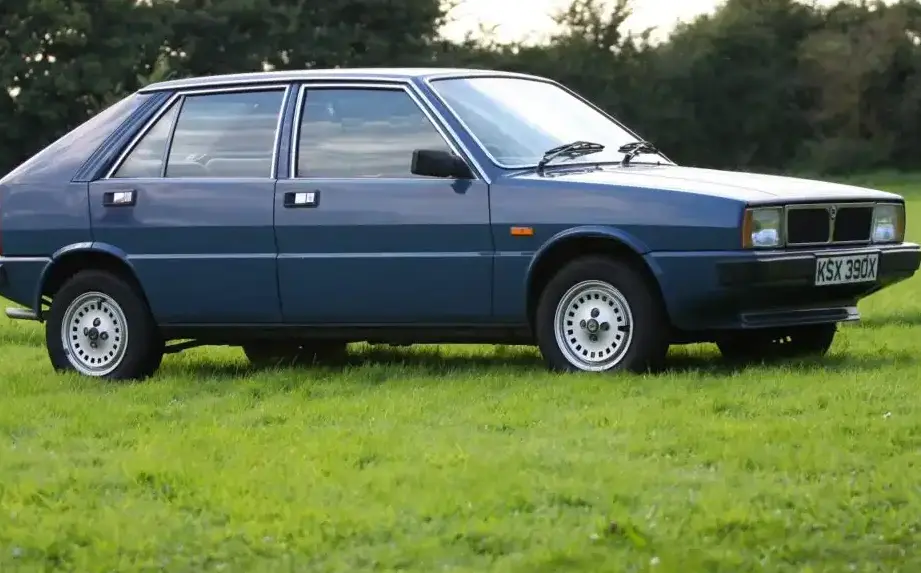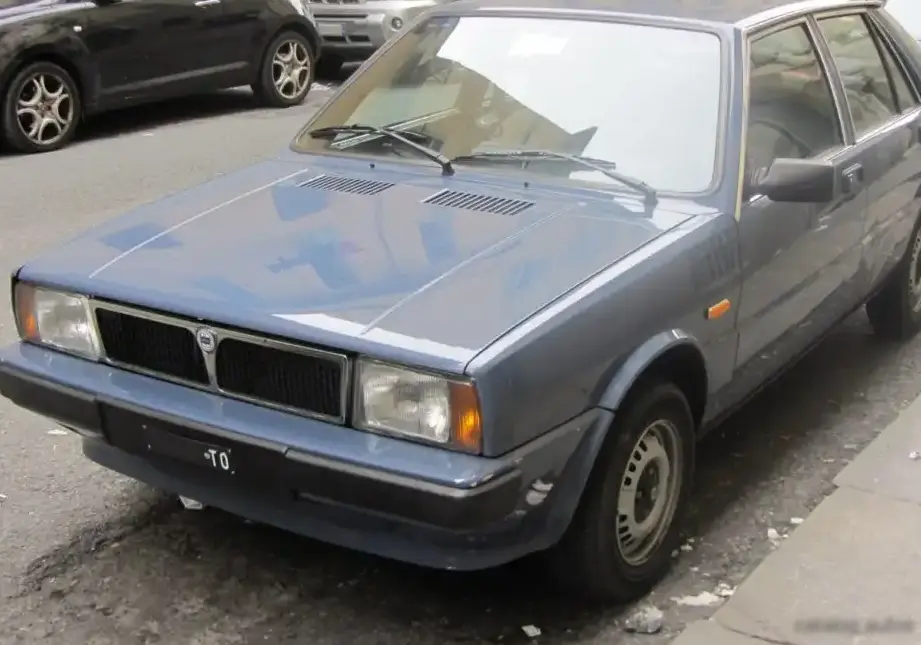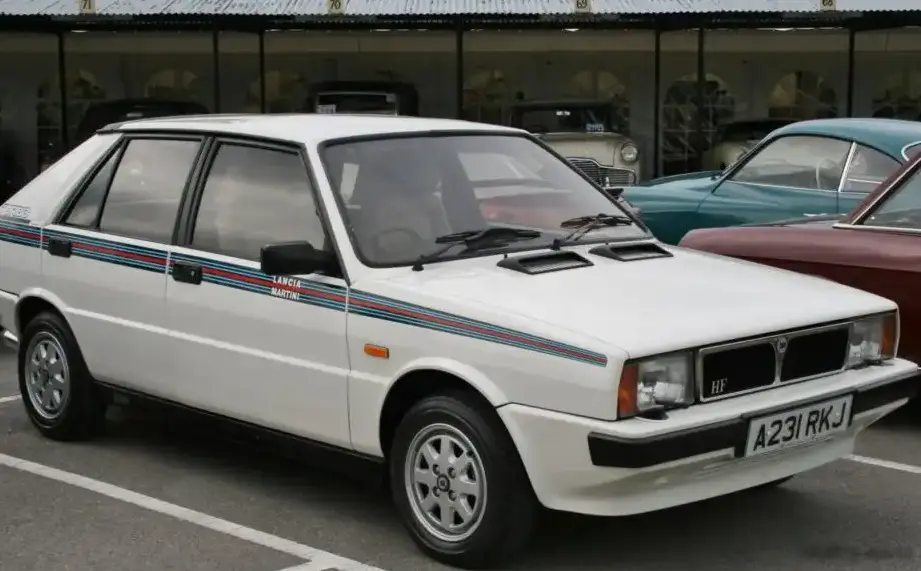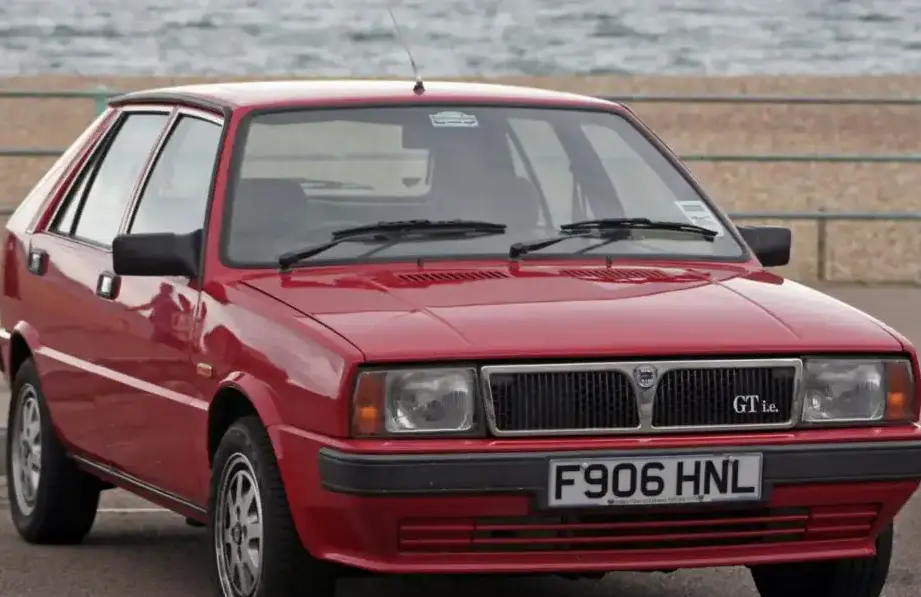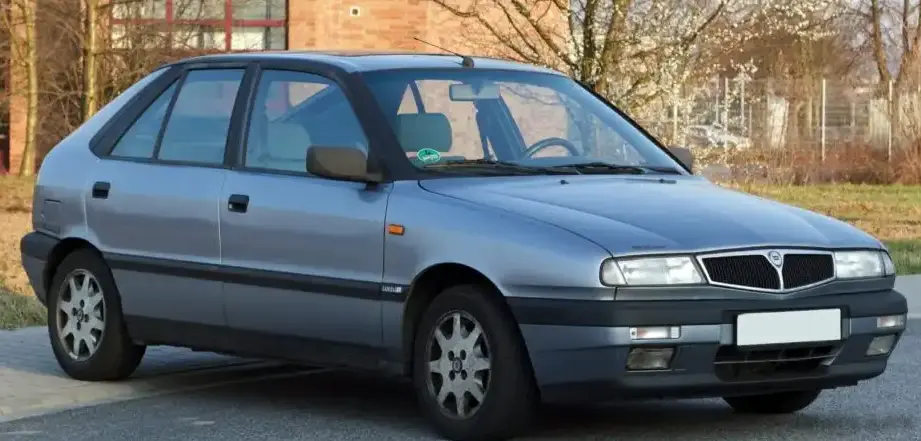
The Lancia Delta II (836) 2.0 16V, produced between 1993 and 1998, represented a significant evolution of the iconic Delta model. Positioned as a performance-oriented variant within the 836 series, it aimed to recapture some of the spirit of the original Delta Integrale, though in a more accessible and road-focused package. This model occupied a mid-to-upper tier in the Delta II lineup, offering a substantial step up in power and driving experience compared to the lower-displacement engines, but without the outright cost and complexity of a potential return to all-wheel drive. It was built on the Lancia Delta II platform, also known as the 836 series, which was a redesign of the original Delta, moving away from the boxy styling of its predecessor towards a more rounded, contemporary aesthetic.
Technical Specifications
| Brand | Lancia |
| Model | Delta |
| Generation | Delta II (836) |
| Type (Engine) | 2.0 16V (139 Hp) |
| Start of production | 1993 |
| End of production | 1998 |
| Powertrain Architecture | Internal Combustion engine |
| Body type | Hatchback |
| Seats | 5 |
| Doors | 5 |
| Fuel consumption (combined) | 9.2 l/100 km (25.6 US mpg, 30.7 UK mpg, 10.9 km/l) |
| Fuel Type | Petrol (Gasoline) |
| Acceleration 0 – 100 km/h | 9.6 sec |
| Acceleration 0 – 62 mph | 9.6 sec |
| Acceleration 0 – 60 mph | 9.1 sec |
| Maximum speed | 206 km/h (128 mph) |
| Weight-to-power ratio | 8.9 kg/Hp, 112.8 Hp/tonne |
| Weight-to-torque ratio | 6.8 kg/Nm, 146.1 Nm/tonne |
| Power | 139 Hp @ 6000 rpm |
| Power per litre | 69.7 Hp/l |
| Torque | 180 Nm @ 4500 rpm (132.76 lb.-ft. @ 4500 rpm) |
| Engine layout | Front, Transverse |
| Engine Model/Code | 836 A3.000 |
| Engine displacement | 1995 cm3 (121.74 cu. in.) |
| Number of cylinders | 4 |
| Engine configuration | Inline |
| Cylinder Bore | 84 mm (3.31 in.) |
| Piston Stroke | 90 mm (3.54 in.) |
| Compression ratio | 9.5:1 |
| Number of valves per cylinder | 4 |
| Fuel injection system | Multi-port manifold injection |
| Engine aspiration | Naturally aspirated engine |
| Valvetrain | DOHC |
| Engine oil capacity | 4.8 l (5.07 US qt | 4.22 UK qt) |
| Coolant | 6.9 l (7.29 US qt | 6.07 UK qt) |
| Kerb Weight | 1232 kg (2716.1 lbs.) |
| Max. weight | 1750 kg (3858.09 lbs.) |
| Max load | 518 kg (1141.99 lbs.) |
| Trunk (boot) space – minimum | 310 l (10.95 cu. ft.) |
| Fuel tank capacity | 55 l (14.53 US gal | 12.1 UK gal) |
| Length | 4011 mm (157.91 in.) |
| Width | 1703 mm (67.05 in.) |
| Height | 1430 mm (56.3 in.) |
| Wheelbase | 2540 mm (100 in.) |
| Front track | 1436 mm (56.54 in.) |
| Rear (Back) track | 1415 mm (55.71 in.) |
| Drivetrain Architecture | The Internal combustion engine (ICE) drives the front wheels of the vehicle. |
| Drive wheel | Front wheel drive |
| Number of gears and type of gearbox | 5 gears, manual transmission |
| Front suspension | Spring Strut |
| Rear suspension | Coil spring |
| Front brakes | Ventilated discs |
| Rear brakes | Disc |
| Assisting systems | ABS (Anti-lock braking system) |
| Steering type | Steering rack and pinion |
| Power steering | Hydraulic Steering |
| Tires size | 195/50 R15 |
Powertrain & Engine Architecture
The heart of the Delta II 2.0 16V is the 836 A3.000 engine, a 1995cc inline-four cylinder powerplant. This engine featured a dual overhead camshaft (DOHC) valvetrain operating four valves per cylinder, a configuration that was crucial for achieving its relatively high specific output. Fuel delivery was handled by a multi-port fuel injection system, providing precise control over the air-fuel mixture. The engine’s 9.5:1 compression ratio was a compromise between performance and the fuel quality available in European markets. The 139 horsepower and 180 Nm (132.76 lb-ft) of torque were respectable figures for its time, and the engine was known for its smooth operation and willingness to rev. The engine was paired exclusively with a five-speed manual transmission, chosen for its responsiveness and driver engagement. This transmission was a standard unit for the Fiat group at the time, known for its durability and relatively short throw.
Driving Characteristics
The 2.0 16V Delta II offered a noticeably more engaging driving experience than its lower-powered siblings. Acceleration to 60 mph took approximately 9.1 seconds, and it could reach a top speed of 128 mph. While not a sports car by modern standards, the Delta II 2.0 16V provided a good balance of performance and practicality. The five-speed manual transmission allowed drivers to keep the engine in its sweet spot, maximizing power delivery. The front-wheel-drive configuration, while not ideal for ultimate handling, was predictable and manageable. Compared to the 1.6L and 1.8L versions, the 2.0 16V felt significantly more powerful, especially during overtaking maneuvers. The gear ratios were well-chosen, providing adequate acceleration in each gear. However, it lacked the all-wheel-drive grip and sophisticated suspension of the original Integrale, resulting in more pronounced understeer when pushed hard.
Equipment & Trim Levels
The 2.0 16V trim generally included features such as power windows, central locking, and an upgraded audio system. Interior upholstery typically consisted of cloth seats, although leather options were available. Dashboard design was functional and straightforward, with a focus on ergonomics. Optional extras included air conditioning, alloy wheels, and a sunroof. The trim level aimed for a balance between comfort and sportiness, appealing to drivers who wanted a more refined experience than the base models but didn’t require the full luxury of higher-end vehicles. The exterior styling was relatively understated, with subtle badging to indicate the 2.0 16V specification.
Chassis & Braking
The Delta II 2.0 16V utilized a MacPherson strut front suspension and a coil spring rear suspension. This setup provided a comfortable ride while maintaining reasonable handling characteristics. The front brakes were ventilated discs, offering good stopping power, while the rear brakes were solid discs. Anti-lock braking system (ABS) was standard, enhancing safety and control during emergency braking situations. The chassis was reinforced compared to the lower-powered models to handle the increased output of the 2.0 16V engine. Stabilizer bars were fitted to both the front and rear axles to reduce body roll during cornering.
Market Reception & Comparison
The Lancia Delta II 2.0 16V was generally well-received by automotive critics. It was praised for its lively engine, comfortable ride, and practical hatchback body style. However, some critics noted that it lacked the all-wheel-drive prowess of the original Integrale and that its interior quality wasn’t quite up to par with some of its competitors. Compared to the 1.8L version, the 2.0 16V offered significantly better performance, but at a slightly higher price point and with marginally lower fuel economy. The 2.0 16V was considered a more sensible alternative to the more expensive and complex all-wheel-drive models, appealing to drivers who prioritized performance and practicality over outright rally-bred handling.
Legacy
The Lancia Delta II 2.0 16V has become a sought-after classic among enthusiasts. The 836 A3.000 engine is generally considered to be a reliable unit, although regular maintenance is essential. Parts availability can be a challenge, as the Delta II is no longer in production. However, a dedicated community of owners and specialists exists to support the preservation of these vehicles. Today, the Delta II 2.0 16V represents a compelling blend of Italian style, performance, and practicality, and it continues to be appreciated for its unique character and driving experience. Well-maintained examples command a premium in the used car market, reflecting their growing popularity among collectors and enthusiasts.