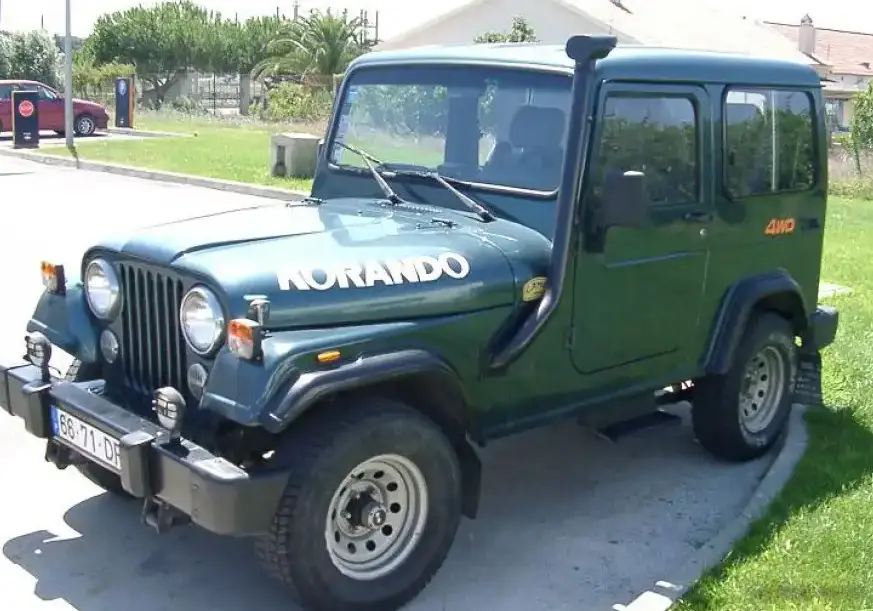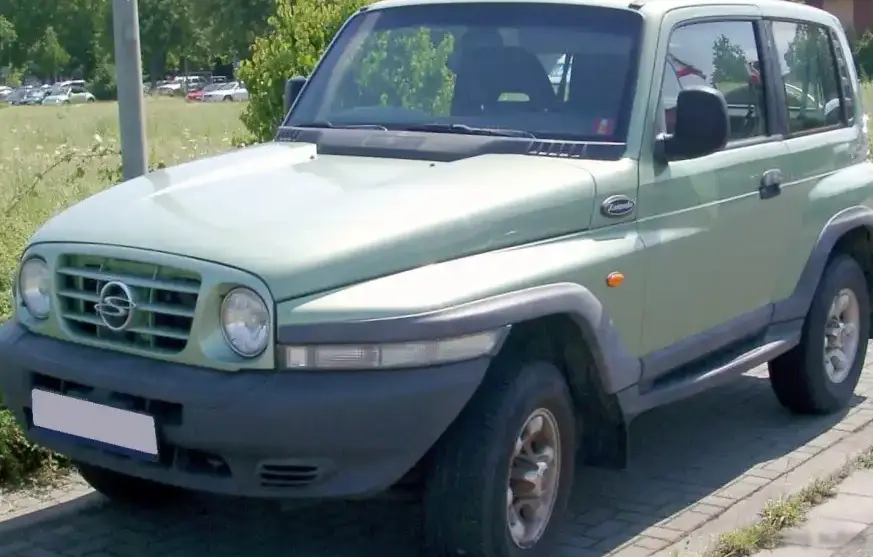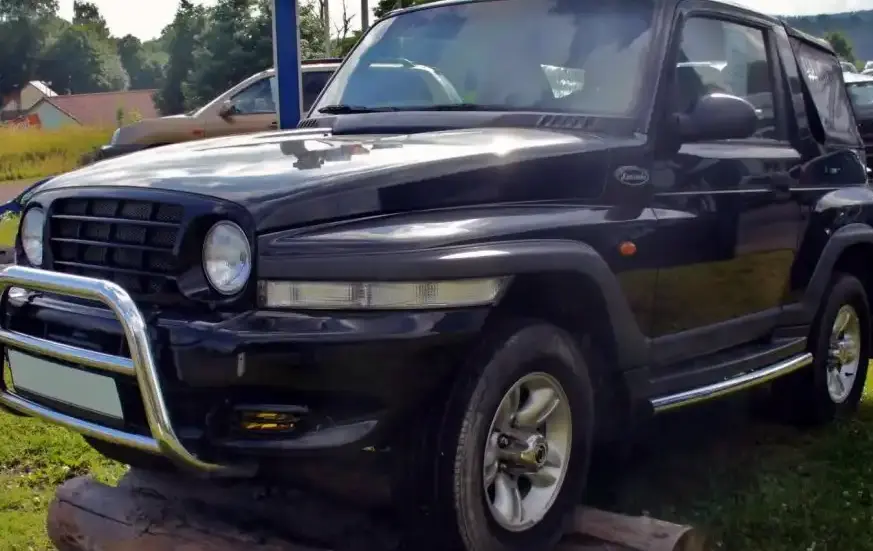
The SsangYong Korando Cabrio II (KJ) 2.9 D, produced between 1996 and 1999, represents a unique and somewhat niche offering in the late 1990s automotive landscape. This variant combined the rugged, body-on-frame construction of the Korando with the open-air enjoyment of a convertible, powered by a Mercedes-Benz derived diesel engine. Positioned as a relatively affordable and utilitarian soft-top SUV, it aimed to appeal to buyers seeking a distinctive vehicle capable of both on- and off-road adventures. The KJ generation Korando, launched in 1996, was a significant update to the original Korando, offering improved refinement and a more modern aesthetic while retaining the core characteristics that made the original popular.
Technical Specifications
| Brand | SsangYong |
| Model | Korando |
| Generation | Korando Cabrio II (KJ) |
| Type (Engine) | 2.9 D (98 Hp) |
| Start of production | 1996 |
| End of production | 1999 |
| Powertrain Architecture | Internal Combustion engine |
| Body type | Cabriolet, SUV |
| Fuel Type | Diesel |
| Power | 98 Hp |
| Engine Model/Code | OM 662 |
| Engine aspiration | Naturally aspirated engine |
| Engine oil capacity | 8 l (8.45 US qt | 7.04 UK qt) |
| Coolant capacity | 10.5 l (11.1 US qt | 9.24 UK qt) |
Powertrain & Engine Architecture
The heart of the Korando Cabrio II 2.9 D is the OM662 diesel engine, a 2.9-liter inline-five cylinder unit. This engine was licensed from Mercedes-Benz, a long-standing partnership that provided SsangYong with robust and reliable powertrain technology. The OM662 is a naturally aspirated engine, meaning it doesn’t utilize a turbocharger or supercharger to force air into the cylinders. This results in a more linear power delivery, but also limits overall horsepower and torque compared to forced-induction alternatives. The engine features indirect injection, a common technology for diesel engines of that era. Fuel is injected into a pre-chamber before entering the main combustion chamber, promoting more complete combustion and reducing noise. The valve train utilizes a single overhead camshaft (SOHC) design, operating two valves per cylinder. While relatively simple, this configuration proved durable and easy to maintain.
The 98 horsepower output is delivered at approximately 3,800 rpm, with peak torque of around 167 lb-ft (226 Nm) available from a low 1,800 rpm. This torque characteristic is typical of diesel engines and provides good low-end pulling power, useful for off-road driving and towing. The engine is mated to a four-speed automatic transmission. This transmission, while providing convenience, wasn’t known for its particularly quick shifts or fuel efficiency compared to manual transmissions available in other Korando variants. The automatic transmission was geared towards providing smooth operation and ease of use, rather than sporty performance.
Driving Characteristics
The Korando Cabrio II 2.9 D with the automatic transmission offers a driving experience best described as relaxed and capable. Acceleration is modest, with a 0-60 mph time estimated to be around 14-16 seconds. The automatic transmission contributes to this slower pace, as it doesn’t allow the engine to rev as freely as a manual gearbox. However, the ample low-end torque makes it well-suited for navigating challenging terrain or towing light loads. The automatic transmission’s gear ratios are spaced to prioritize fuel economy and drivability over outright performance. The vehicle feels stable and planted on the road, thanks to its body-on-frame construction and relatively high center of gravity. The soft top, while providing open-air enjoyment, does introduce some body flex, particularly on uneven surfaces. The steering is hydraulic, providing reasonable assistance, but lacks the precision of more modern steering systems.
Equipment & Trim Levels
The Korando Cabrio II 2.9 D typically came with a fairly basic level of equipment, reflecting its utilitarian positioning. Standard features generally included power steering, cloth upholstery, and a basic audio system. Air conditioning was often an optional extra, as were power windows and central locking. The interior design is functional rather than luxurious, with durable plastics and straightforward controls. Trim levels were relatively limited, with most examples featuring similar equipment packages. The focus was on providing a robust and practical vehicle rather than a highly specified one. The convertible top was manually operated, requiring physical effort to raise and lower.
Chassis & Braking
The Korando Cabrio II utilizes a traditional body-on-frame construction, providing excellent durability and off-road capability. The suspension consists of double wishbones at the front and a multi-link setup at the rear, offering a reasonable balance between ride comfort and handling. Rear brakes are typically drum brakes, while the front brakes are disc brakes. This configuration was common for vehicles in this class during the 1990s. Stabilizer bars are present at both the front and rear, helping to reduce body roll during cornering. The chassis is designed to withstand the stresses of off-road driving, with a robust ladder frame and ample ground clearance.
Market Reception & Comparison
The Korando Cabrio II 2.9 D received mixed reviews from automotive critics. While praised for its unique combination of features and ruggedness, it was often criticized for its slow acceleration and relatively basic interior. Compared to other Korando variants, such as the 2.3-liter gasoline engine with a manual transmission, the 2.9 D automatic offered less performance but greater fuel economy and low-end torque. The 2.9 D was generally considered a more practical choice for those who prioritized utility and durability over sporty driving. Fuel economy was reasonable for a vehicle of its size and type, averaging around 25-30 mpg. Reliability was generally good, thanks to the robust Mercedes-Benz derived engine and simple mechanical design.
Legacy
The SsangYong Korando Cabrio II 2.9 D remains a relatively rare and collectible vehicle today. The combination of a diesel engine, automatic transmission, and convertible top is unusual, making it a sought-after model among enthusiasts. The OM662 engine is known for its longevity and relatively simple maintenance requirements. However, finding parts can be challenging, as the vehicle is no longer in production. The Korando Cabrio II represents a unique chapter in SsangYong’s history, showcasing the company’s willingness to experiment with unconventional vehicle designs. While not a mainstream success, it has gained a loyal following among those who appreciate its distinctive character and rugged charm. Well-maintained examples are increasingly valuable in the used car market, appealing to collectors and those seeking a distinctive and capable off-road vehicle.