Technical Specifications
| Brand | Lancia |
| Model | Delta |
| Generation | Delta II (836) |
| Type (Engine) | 2.0 Turbo (186 Hp) |
| Start of production | 1993 |
| End of production | 1999 |
| Powertrain Architecture | Internal Combustion engine |
| Body type | Hatchback |
| Seats | 5 |
| Doors | 5 |
| Fuel consumption (combined) | 9.8 l/100 km (24 US mpg, 28.8 UK mpg, 10.2 km/l) |
| Fuel Type | Petrol (Gasoline) |
| Acceleration 0 – 100 km/h | 7.5 sec |
| Acceleration 0 – 62 mph | 7.5 sec |
| Acceleration 0 – 60 mph | 7.1 sec |
| Maximum speed | 220 km/h (136.7 mph) |
| Weight-to-power ratio | 7.1 kg/Hp, 141.8 Hp/tonne |
| Weight-to-torque ratio | 4.5 kg/Nm, 221 Nm/tonne |
| Power | 186 Hp @ 5750 rpm |
| Power per litre | 93.2 Hp/l |
| Torque | 290 Nm @ 3500 rpm (213.89 lb.-ft. @ 3500 rpm) |
| Engine layout | Front, Transverse |
| Engine Model/Code | 836 A2.000 |
| Engine displacement | 1995 cm3 (121.74 cu. in.) |
| Number of cylinders | 4 |
| Engine configuration | Inline |
| Cylinder Bore | 84 mm (3.31 in.) |
| Piston Stroke | 90 mm (3.54 in.) |
| Compression ratio | 8:1 |
| Number of valves per cylinder | 4 |
| Fuel injection system | Multi-port manifold injection |
| Engine aspiration | Turbocharger |
| Valvetrain | DOHC |
| Engine oil capacity | 5.8 l (6.13 US qt | 5.1 UK qt) |
| Coolant | 6 l (6.34 US qt | 5.28 UK qt) |
| Kerb Weight | 1312 kg (2892.46 lbs.) |
| Max. weight | 1830 kg (4034.46 lbs.) |
| Max load | 518 kg (1141.99 lbs.) |
| Trunk (boot) space – minimum | 310 l (10.95 cu. ft.) |
| Fuel tank capacity | 63 l (16.64 US gal | 13.86 UK gal) |
| Length | 4011 mm (157.91 in.) |
| Width | 1759 mm (69.25 in.) |
| Height | 1430 mm (56.3 in.) |
| Wheelbase | 2540 mm (100 in.) |
| Front track | 1478 mm (58.19 in.) |
| Rear (Back) track | 1402 mm (55.2 in.) |
| Drivetrain Architecture | The Internal combustion engine (ICE) drives the front wheels of the vehicle. |
| Drive wheel | Front wheel drive |
| Number of gears and type of gearbox | 5 gears, manual transmission |
| Front suspension | Spring Strut |
| Rear suspension | Coil spring |
| Front brakes | Ventilated discs |
| Rear brakes | Disc |
| Assisting systems | ABS (Anti-lock braking system) |
| Steering type | Steering rack and pinion |
| Power steering | Hydraulic Steering |
| Tires size | 205/50 R15 |
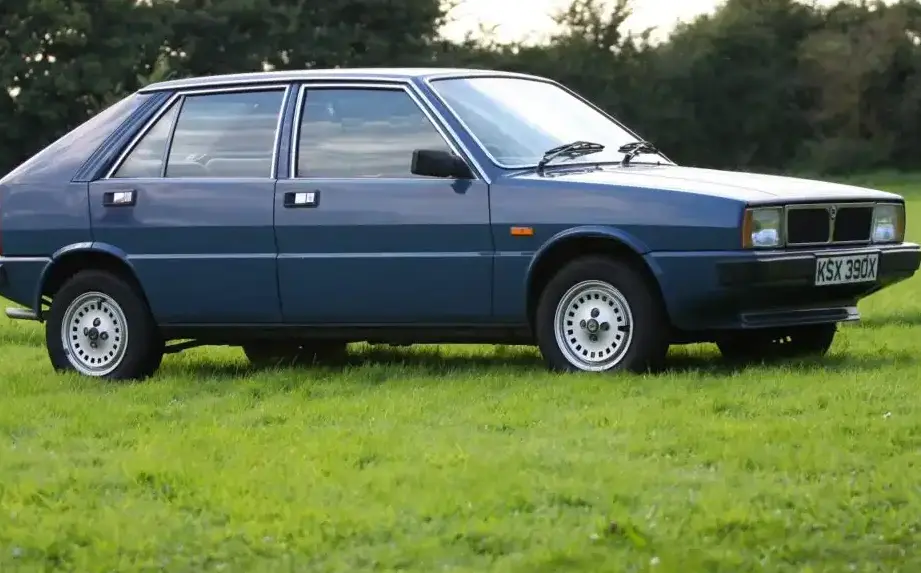
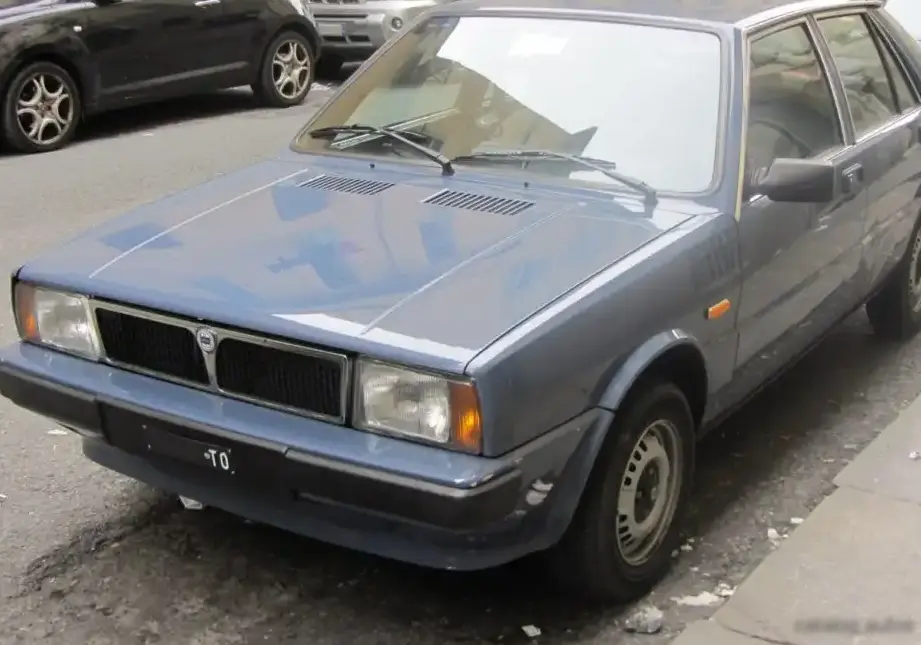
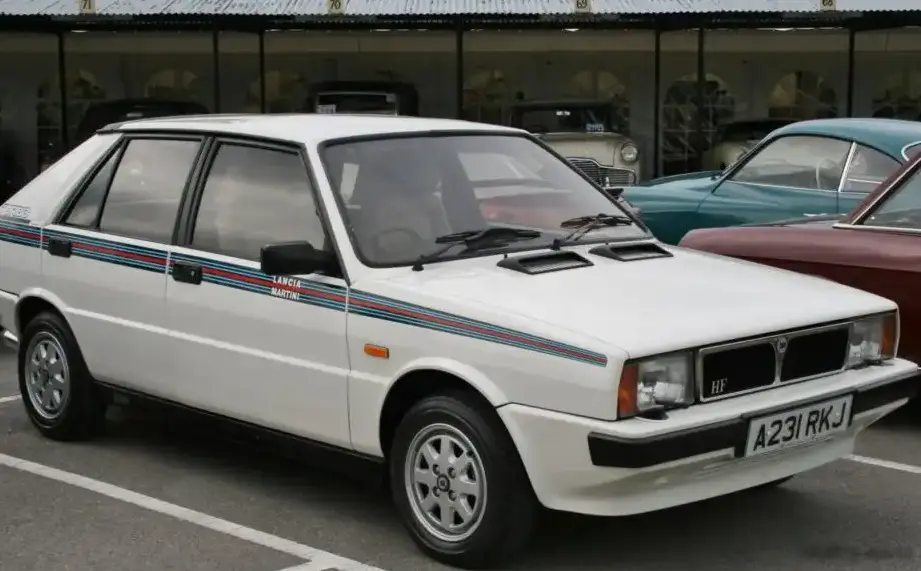
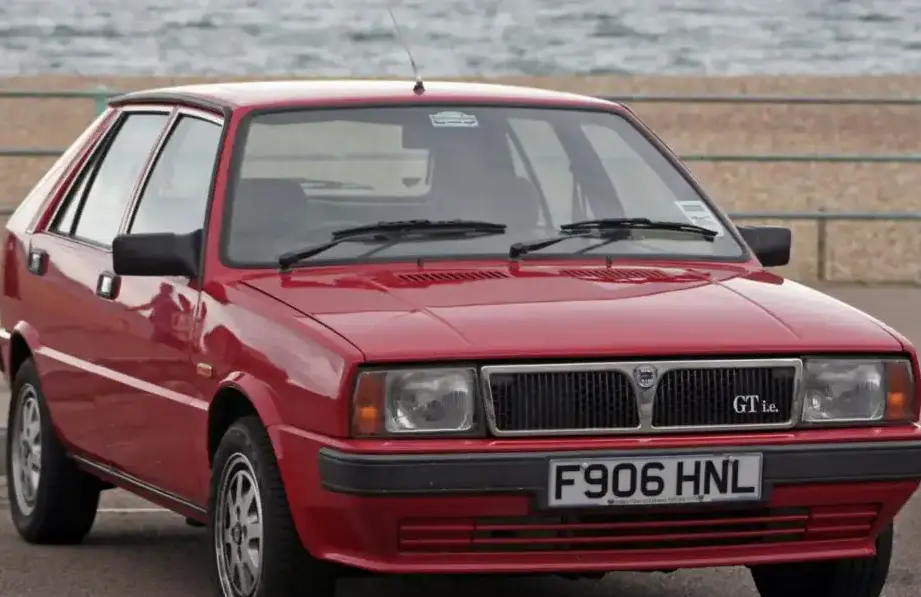
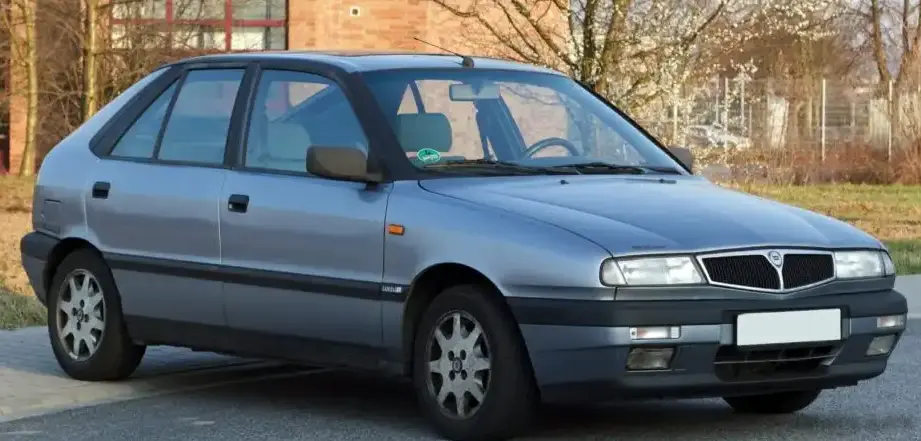
The Lancia Delta II 2.0 Turbo, launched in 1993, was a pivotal model in Lancia’s effort to modernize the iconic Delta nameplate. Following the immense success of the Delta Integrale, a dominant force in the World Rally Championship, Lancia aimed to create a Delta that was more accessible and comfortable for a wider audience. The 836 series, while retaining the Delta moniker, marked a significant departure from its predecessor, adopting a conventional front-wheel-drive layout and a less aggressive exterior design. The 2.0 Turbo variant, boasting 186 horsepower, was positioned as the performance flagship of the range, offering a compelling combination of speed and practicality. It aimed to bridge the gap between the more affordable Delta models and the high-performance legacy of the Integrale.
Powertrain & Engine Architecture
The heart of the Delta II 2.0 Turbo is the 836 A2.000 engine, a 1995cc inline-four cylinder powerplant. This engine is equipped with a turbocharger and multi-port fuel injection, enabling it to generate 186 horsepower at 5750 rpm and 290 Nm (213.89 lb-ft) of torque at 3500 rpm. The engine features a double overhead camshaft (DOHC) valvetrain with four valves per cylinder, contributing to its respectable specific output. A compression ratio of 8:1 was utilized. The engine is mounted transversely at the front of the vehicle, powering the front wheels. A 5-speed manual transmission was the sole gearbox option, providing a direct and engaging driving experience. The engine’s design prioritized drivability and responsiveness, making it suitable for both daily commutes and spirited driving. The turbocharger was a key component, providing a noticeable boost in power during acceleration.
Driving Characteristics
The Delta II 2.0 Turbo delivered a demonstrably more engaging driving experience compared to the lower-powered Delta variants. The turbocharger provided a distinct surge of power in the mid-range, making overtaking maneuvers and accelerating from cruising speeds relatively effortless. While lacking the raw, focused character of the Integrale, the 2.0 Turbo still offered a sporty feel, thanks to its responsive engine and well-tuned chassis. The 5-speed manual transmission allowed for precise gear selection, and the front-wheel-drive layout provided good traction in most driving conditions. Compared to the base 1.6-liter models, the 2.0 Turbo offered a substantial performance improvement, achieving a 0-60 mph time of around 7.1 seconds and a top speed of 136.7 mph. However, the absence of the Integrale’s all-wheel-drive system resulted in a different handling balance, with a tendency towards understeer when pushed hard.
Equipment & Trim Levels
The 2.0 Turbo trim level generally included a higher standard of equipment compared to the entry-level Delta II models. Common features included power windows, central locking, an upgraded audio system, and alloy wheels. Interior upholstery was typically cloth, although leather options were available as an upgrade. The dashboard featured a sporty design with clear and easily readable instrumentation. Optional extras could include air conditioning, a sunroof, and enhanced sound systems. The overall interior ambiance was designed to be comfortable and functional, reflecting the Delta’s role as a practical and versatile family hatchback.
Chassis & Braking
The Delta II 2.0 Turbo employed a MacPherson strut front suspension and a coil spring rear suspension. The suspension setup was carefully tuned to strike a balance between ride comfort and handling performance. The front brakes consisted of ventilated discs, providing ample stopping power, while the rear brakes utilized solid discs. An anti-lock braking system (ABS) was standard equipment, enhancing safety and control during hard braking situations. The steering system was a rack and pinion type with hydraulic power assistance, offering precise and responsive steering feel. The vehicle was equipped with 205/50 R15 tires, providing a good compromise between grip and ride comfort.
Market Reception & Comparison
The Delta II 2.0 Turbo received generally favorable reviews from automotive journalists. It was praised for its strong engine performance, comfortable ride quality, and practical hatchback body style. However, some critics pointed out that it lacked the all-wheel-drive system and the rally-inspired pedigree of the original Integrale. When compared to other hot hatchbacks of the era, such as the Volkswagen Golf GTI and the Ford Escort RS2000, the Delta II 2.0 Turbo offered a unique blend of Italian styling and turbocharged performance. Fuel economy was reasonable for a performance car of its time, averaging around 24 US mpg in combined driving cycles. Reliability was generally considered good, although occasional issues with the turbocharger were reported.
Legacy
The Lancia Delta II 2.0 Turbo continues to hold a special place among Lancia enthusiasts. While it may not be as highly revered as the Integrale, it provides a more affordable and accessible entry point into the Delta lineage. The 836 A2.000 engine is known for its durability and potential for tuning, and parts availability remains relatively good. Today, well-maintained examples of the Delta II 2.0 Turbo are becoming increasingly collectible, representing a significant piece of Lancia’s rich automotive history. The car’s combination of performance, practicality, and distinctive Italian styling continues to appeal to a dedicated and passionate following, ensuring its place in automotive folklore.