
Technical Specifications
| Brand | Renault |
| Model | 17 |
| Generation | 17 |
| Type (Engine) | 1.6 (90 Hp) |
| Start of production | July, 1971 |
| End of production | August, 1979 |
| Powertrain Architecture | Internal Combustion engine |
| Body type | Coupe |
| Seats | 5 |
| Doors | 3 |
| Fuel Type | Petrol (Gasoline) |
| Power | 90 Hp |
| Engine Model/Code | A2L 807-10 |
| Engine aspiration | Naturally aspirated engine |
| Engine oil capacity | 4.3 l (4.54 US qt | 3.78 UK qt) |
| Coolant capacity | 5.5 l (5.81 US qt | 4.84 UK qt) |
| Fuel tank capacity | 55 l (14.53 US gal | 12.1 UK gal) |
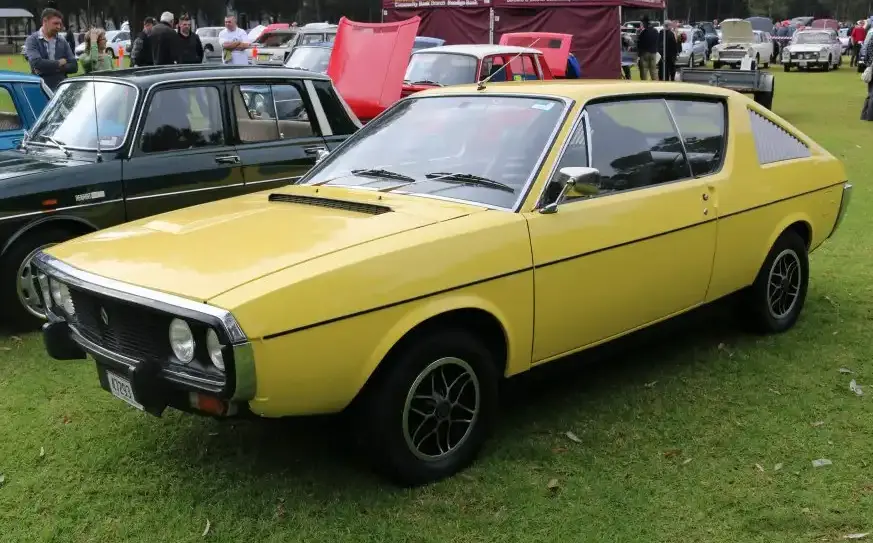
The Renault 17 1.6, produced from July 1971 to August 1979, represents a significant offering within the broader Renault 17 range. Positioned as a stylish and relatively affordable coupe, it aimed to provide a blend of practicality and performance for the European market. This variant, powered by the A2L 807-10 1.6-liter engine producing 90 horsepower, occupied a middle ground in the lineup, offering a step up from the base models while remaining more accessible than the higher-performance versions. The Renault 17 itself was a pivotal model for Renault, showcasing innovative design features and a focus on driver comfort.
Powertrain & Engine Architecture
The heart of the Renault 17 1.6 is the A2L 807-10 engine, a 1.6-liter inline-four cylinder gasoline engine. This engine is naturally aspirated, meaning it doesn’t utilize a turbocharger or supercharger to force air into the cylinders. It features a single overhead camshaft (SOHC) valvetrain, operating two valves per cylinder. Fuel delivery is managed by a Solex carburetor, a common setup for European cars of this era. The carburetor mixes air and fuel to create a combustible mixture, which is then ignited by the spark plugs. While not the most technologically advanced fuel delivery system by modern standards, it was considered reliable and relatively easy to maintain. The engine’s 90 horsepower output at approximately 6000 rpm, and around 103 lb-ft of torque, provided adequate performance for the time. The engine block is cast iron, contributing to its durability, while the cylinder head is aluminum, helping to reduce weight. The Renault 17 1.6 was typically paired with a three-speed automatic transmission, although a four-speed manual was also available. The automatic transmission, while offering convenience, was known to slightly diminish the car’s acceleration compared to the manual version.
Driving Characteristics
The Renault 17 1.6 with the automatic transmission offered a comfortable, if not particularly sporty, driving experience. The three-speed automatic transmission provided smooth, albeit somewhat leisurely, gear changes. Acceleration from 0 to 60 mph was estimated to be around 12-13 seconds, which was competitive for its class in the 1970s, but noticeably slower than the manual transmission variants. The gear ratios were optimized for fuel economy and cruising comfort rather than outright performance. The engine delivered its peak torque at around 4000 rpm, providing reasonable pulling power for everyday driving situations. The steering was light and responsive, making the car easy to maneuver in urban environments. However, the suspension, while comfortable, could feel somewhat soft and exhibit body roll during cornering. Compared to the more powerful Renault 17 TS (Tourisme Sport), which featured a larger engine and a more performance-oriented suspension, the 1.6 felt less engaging to drive. The automatic transmission also contributed to a slight reduction in fuel efficiency compared to the manual.
Equipment & Trim Levels
The Renault 17 1.6 typically came equipped with a reasonable level of standard features for its price point. The interior generally featured cloth upholstery, although vinyl options were available. The dashboard was characterized by its simple, functional design, with a speedometer, fuel gauge, and temperature gauge. A basic AM/FM radio was often included. Optional extras included a sunroof, upgraded upholstery, and a more sophisticated radio system. The trim level of the 1.6 often sat between the base models and the more luxurious TS variants. While it didn’t boast the same level of refinement as the TS, it offered a more comfortable and well-equipped interior than the entry-level models. The exterior typically featured chrome trim and relatively simple steel wheels, although alloy wheels were available as an option.
Chassis & Braking
The Renault 17 1.6 utilized a relatively simple chassis design. It featured independent front suspension with coil springs and a twist-beam rear suspension. The front suspension provided a comfortable ride, while the rear suspension helped to maintain stability. The braking system consisted of disc brakes on the front wheels and drum brakes on the rear wheels. This configuration was common for cars of this era and provided adequate stopping power for everyday driving. The car’s unladen weight, around 2,200 lbs, contributed to its manageable handling characteristics. A stabilizer bar was fitted to the front suspension to reduce body roll during cornering, but it wasn’t as substantial as the one found on the TS model.
Market Reception & Comparison
The Renault 17 1.6 was generally well-received by automotive critics as a practical and stylish coupe. It was praised for its comfortable ride, spacious interior, and relatively affordable price. However, the automatic transmission was sometimes criticized for its sluggish performance. Compared to other coupes in its class, such as the Ford Capri and the Opel Manta, the Renault 17 1.6 offered a unique blend of French design and engineering. Its fuel economy was considered reasonable for the time, although it wasn’t class-leading. Reliability was generally good, although the carburetor required periodic adjustment and maintenance. The 1.6 version offered a compelling alternative to the more expensive and performance-focused TS model, appealing to buyers who prioritized comfort and practicality over outright speed.
Legacy
The Renault 17 1.6, while not a high-performance icon, holds a significant place in automotive history as a representative of 1970s European coupe design. The A2L 807-10 engine proved to be a durable and reliable unit, and many examples are still on the road today. In the used car market, the Renault 17 1.6 is often sought after by enthusiasts and collectors who appreciate its classic styling and relatively simple mechanicals. Parts availability can be a challenge, but a dedicated community of owners and suppliers helps to keep these cars running. The automatic transmission variant, while not as desirable as the manual, remains a viable option for those seeking a comfortable and easy-to-drive classic coupe. The Renault 17 1.6 stands as a testament to Renault’s commitment to innovation and its ability to create stylish and affordable cars for the masses.
