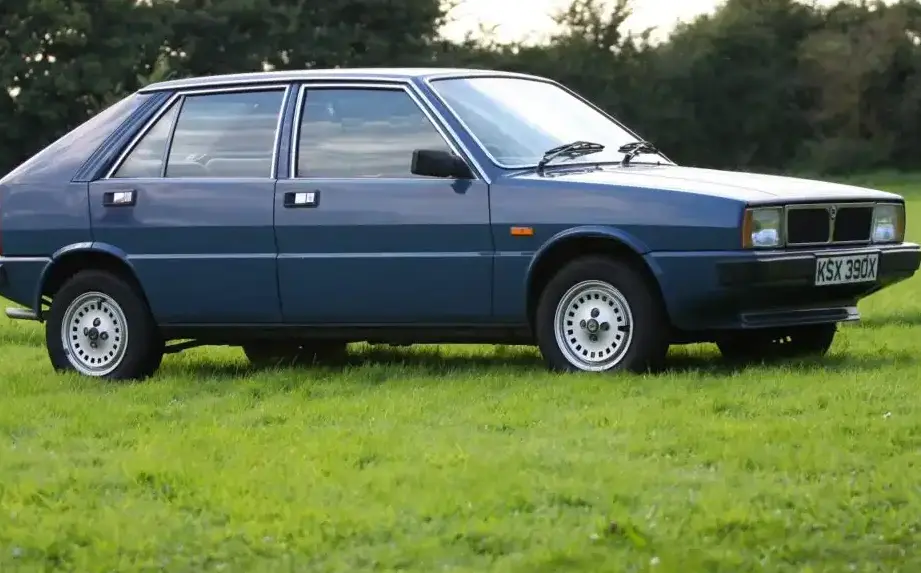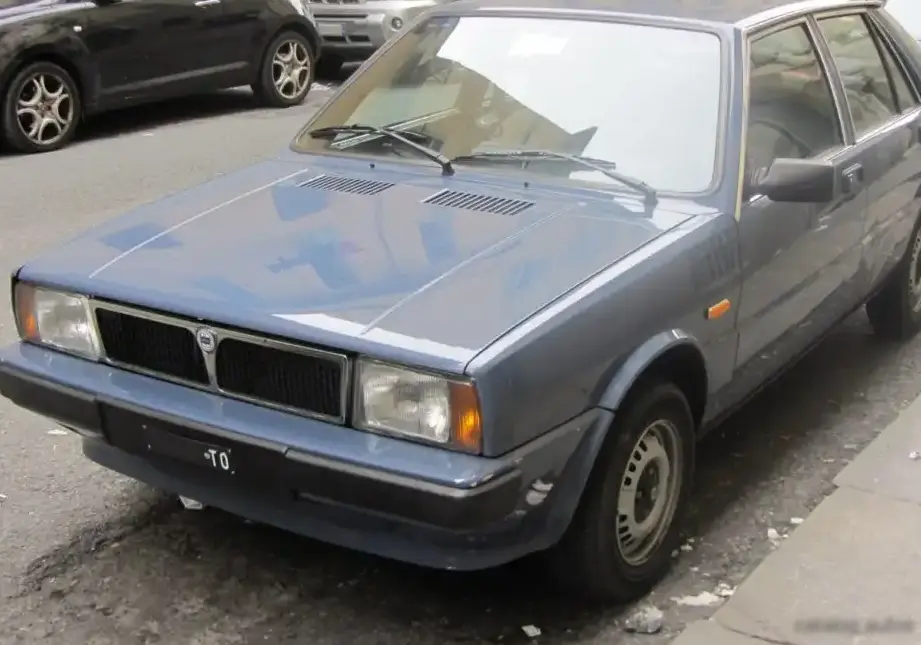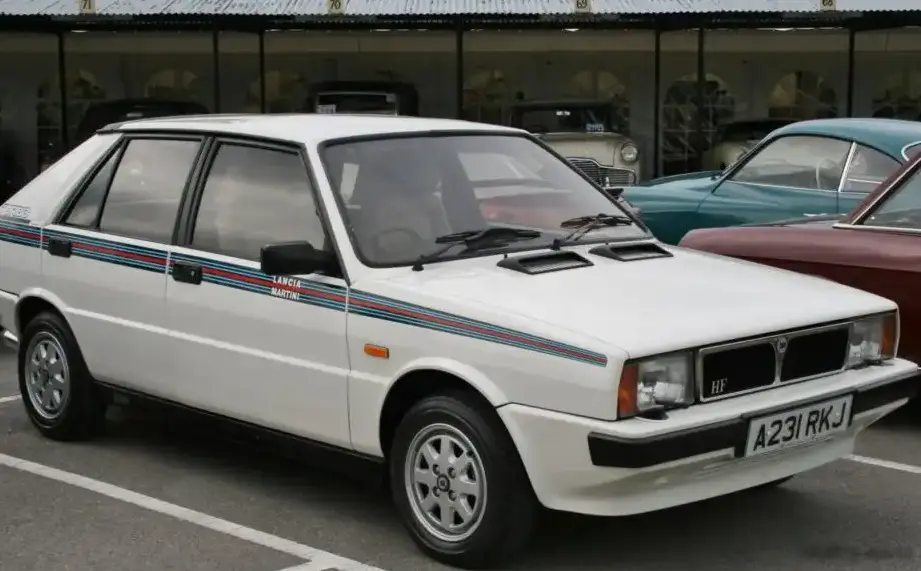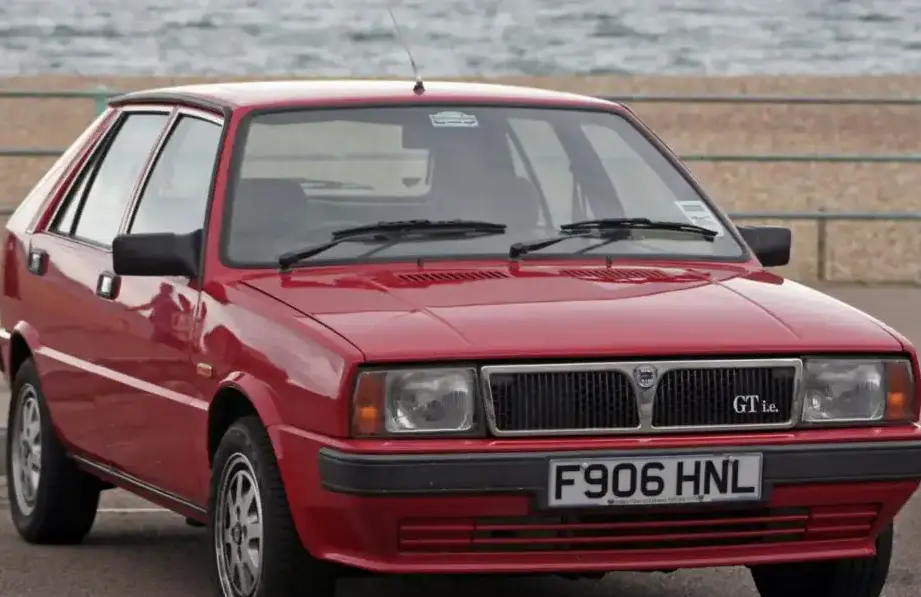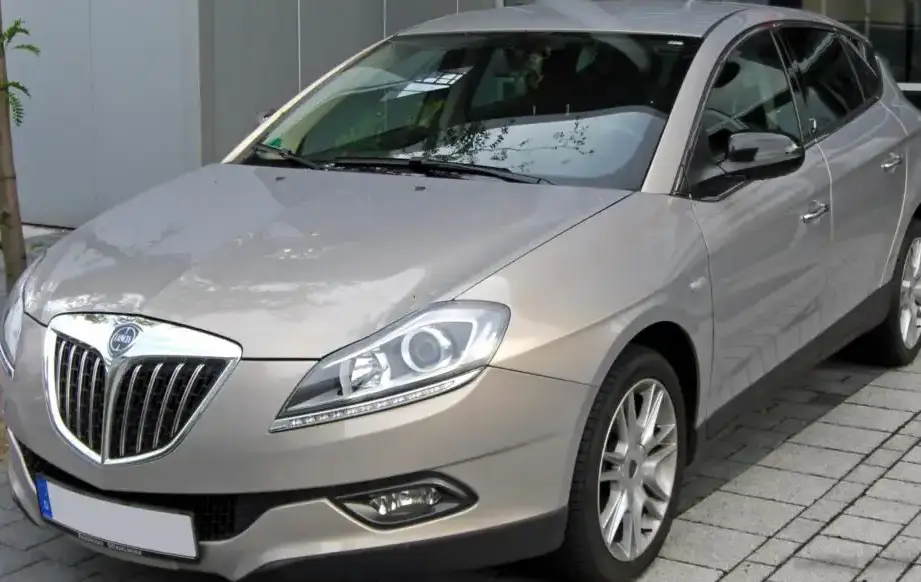
The Lancia Delta III (844) 1.6 Multijet 16V, produced from 2008 to 2011, represented a significant attempt to revive the iconic Delta nameplate. Positioned as a mid-range offering within the Delta III lineup, this variant aimed to balance fuel efficiency with acceptable performance for everyday driving. It was a key component of Lancia’s strategy to recapture a segment of the European hatchback market, leveraging the Delta’s historical reputation for innovation and sporty handling. The 844 series Delta was built on the Fiat/Chrysler C-segment platform, shared with models like the Fiat Bravo and Alfa Romeo Giulietta.
Technical Specifications
| Brand | Lancia |
| Model | Delta |
| Generation | Delta III (844) |
| Type (Engine) | 1.6 Multijet 16V (120 Hp) DFN DPF |
| Start of production | August, 2008 |
| End of production | 2011 |
| Powertrain Architecture | Internal Combustion engine |
| Body type | Hatchback |
| Seats | 5 |
| Doors | 5 |
| Fuel consumption (urban) | 5.7 l/100 km (41.3 US mpg, 49.6 UK mpg, 17.5 km/l) |
| Fuel consumption (extra urban) | 3.9 l/100 km (60.3 US mpg, 72.4 UK mpg, 25.6 km/l) |
| Fuel consumption (combined) | 4.6 l/100 km (51.1 US mpg, 61.4 UK mpg, 21.7 km/l) |
| Fuel Type | Diesel |
| Acceleration 0 – 100 km/h | 10.7 sec |
| Acceleration 0 – 62 mph | 10.7 sec |
| Acceleration 0 – 60 mph | 10.2 sec |
| Maximum speed | 194 km/h (120.55 mph) |
| Emission standard | Euro 4 |
| Weight-to-power ratio | 12.4 kg/Hp, 80.8 Hp/tonne |
| Weight-to-torque ratio | 5 kg/Nm, 202 Nm/tonne |
| Power | 120 Hp @ 4000 rpm |
| Power per litre | 75.1 Hp/l |
| Torque | 300 Nm @ 1500 rpm (221.27 lb.-ft. @ 1500 rpm) |
| Engine layout | Front, Transverse |
| Engine Model/Code | 198 A2.000 |
| Engine displacement | 1598 cm3 (97.52 cu. in.) |
| Number of cylinders | 4 |
| Engine configuration | Inline |
| Number of valves per cylinder | 4 |
| Fuel injection system | Diesel Commonrail |
| Engine aspiration | Turbocharger, Intercooler |
| Valvetrain | DOHC |
| Engine oil capacity | 4.6 l (4.86 US qt | 4.05 UK qt) |
| Coolant capacity | 7.1 l (7.5 US qt | 6.25 UK qt) |
| Kerb Weight | 1485 kg (3273.86 lbs.) |
| Max. weight | 1980 kg (4365.15 lbs.) |
| Max load | 495 kg (1091.29 lbs.) |
| Trunk (boot) space – minimum | 380 l (13.42 cu. ft.) |
| Trunk (boot) space – maximum | 1190 l (42.02 cu. ft.) |
| Fuel tank capacity | 57 l (15.06 US gal | 12.54 UK gal) |
| Length | 4510 mm (177.56 in.) |
| Width | 1797 mm (70.75 in.) |
| Height | 1497 mm (58.94 in.) |
| Wheelbase | 2700 mm (106.3 in.) |
| Front track | 1538 mm (60.55 in.) |
| Rear track | 1531 mm (60.28 in.) |
| Minimum turning circle | 10.8 m (35.43 ft.) |
| Drivetrain Architecture | Front wheel drive |
| Number of gears | 6 |
| Gearbox type | Automatic transmission |
| Front suspension | Independent type McPherson |
| Rear suspension | Semi-independent, coil spring |
| Front brakes | Ventilated discs |
| Rear brakes | Disc |
| Assisting systems | ABS (Anti-lock braking system), Electric Power Steering |
| Tires size | 205/55R16 |
Powertrain & Engine Architecture
The heart of the Delta 1.6 Multijet 16V is the 198 A2.000 engine, a 1.6-liter inline-four cylinder diesel. This engine is part of Fiat’s Multijet family, known for its common-rail direct injection and variable geometry turbocharger (VGT). The Multijet technology allows for multiple fuel injections per combustion cycle, improving efficiency and reducing noise. The 16V designation refers to the four valves per cylinder, enhancing volumetric efficiency and contributing to the engine’s power output. The engine utilizes a double overhead camshaft (DOHC) valvetrain. The DFN transmission is a six-speed automatic gearbox, chosen for its smooth operation and contribution to fuel economy. It was designed to provide comfortable shifting, particularly in urban environments, and was a key selling point for buyers prioritizing ease of use over outright performance. The inclusion of a Diesel Particulate Filter (DPF) was crucial for meeting Euro 4 emission standards.
Driving Characteristics
The 120 horsepower and 300 Nm (221 lb-ft) of torque delivered by the 1.6 Multijet, coupled with the six-speed automatic, resulted in a driving experience geared towards practicality and fuel efficiency rather than spirited performance. Acceleration from 0-60 mph took around 10.2 seconds, and top speed was approximately 120.55 mph. Compared to the more powerful 1.9-liter diesel or the petrol-powered versions, the 1.6 Multijet felt noticeably less responsive. However, the automatic transmission provided seamless gear changes, and the engine offered ample torque for everyday driving situations, such as overtaking on highways or navigating city traffic. The gear ratios were optimized for fuel economy, meaning the engine often operated at lower RPMs during cruising. This contributed to the car’s impressive fuel consumption figures, but also meant that downshifts were sometimes necessary for quicker acceleration.
Equipment & Trim Levels
The 1.6 Multijet 16V DFN DPF trim typically included standard features such as air conditioning, power windows, central locking, and an integrated audio system. Safety features included ABS, electronic stability control (ESC), and multiple airbags. Interior upholstery was generally cloth, with options for upgrading to leather. Higher trim levels offered additional features like alloy wheels, a sunroof, and a more sophisticated infotainment system. The Delta III aimed for a premium feel, with a focus on interior design and material quality, although the base 1.6 Multijet trim was more conservatively equipped.
Chassis & Braking
The Delta III utilized an independent McPherson strut suspension at the front and a semi-independent coil spring suspension at the rear. This setup provided a comfortable ride quality, absorbing bumps and imperfections in the road surface effectively. The front brakes were ventilated discs, offering good stopping power, while the rear brakes were solid discs. Electric power steering was standard, providing light and precise steering feel. The chassis was designed to balance handling with ride comfort, making it suitable for both city driving and longer journeys.
Market Reception & Comparison
The Lancia Delta 1.6 Multijet 16V DFN DPF received mixed reviews. Critics praised its fuel efficiency and comfortable ride, but some found the engine performance underwhelming, especially compared to other engines available in the Delta range. The automatic transmission was generally well-received for its smoothness, but some drivers preferred the engagement of the manual gearbox. In terms of fuel economy, the 1.6 Multijet outperformed the more powerful petrol engines, making it an attractive option for drivers prioritizing running costs. However, the 1.9-liter diesel offered a better balance of performance and economy. The Delta faced competition from established rivals like the Volkswagen Golf, Ford Focus, and Opel Astra.
Legacy
The Lancia Delta III, despite its relatively short production run, represents a significant chapter in the Delta’s history. The 1.6 Multijet 16V variant, while not the most powerful or sporty version, proved to be a reliable and fuel-efficient option for buyers seeking a practical and comfortable hatchback. On the used car market, these models are generally considered to be relatively dependable, with the Multijet engine known for its longevity when properly maintained. However, potential buyers should be aware of the potential costs associated with DPF maintenance and ensure the car has a full service history. The Delta III, and specifically this engine/transmission combination, remains a testament to Lancia’s ambition to blend Italian style with modern technology.