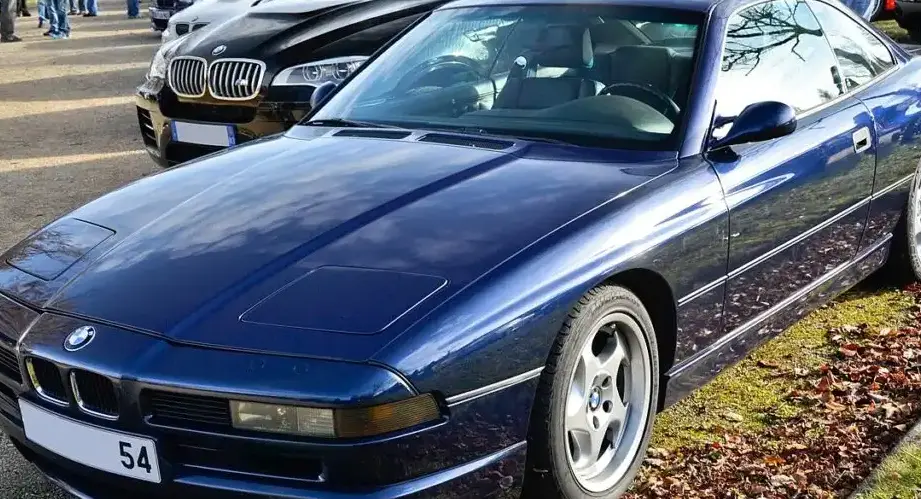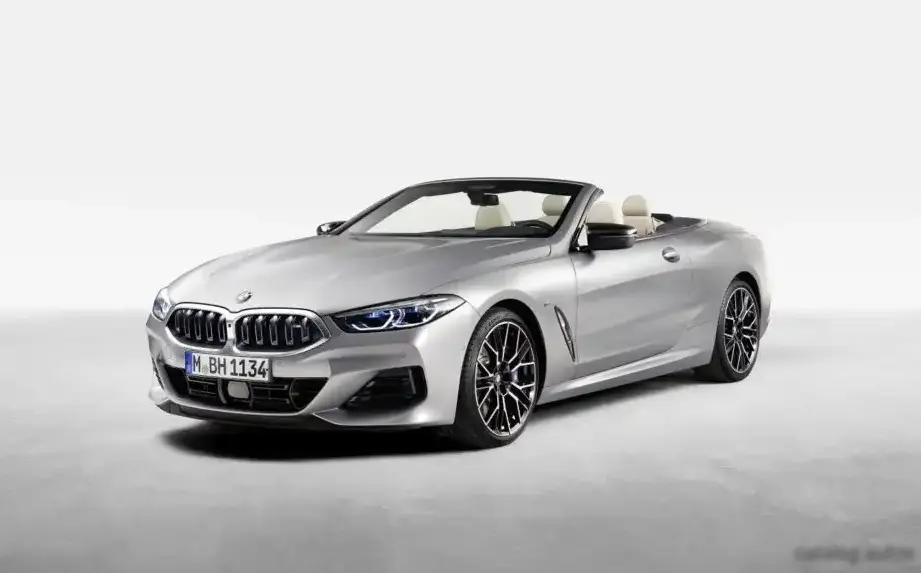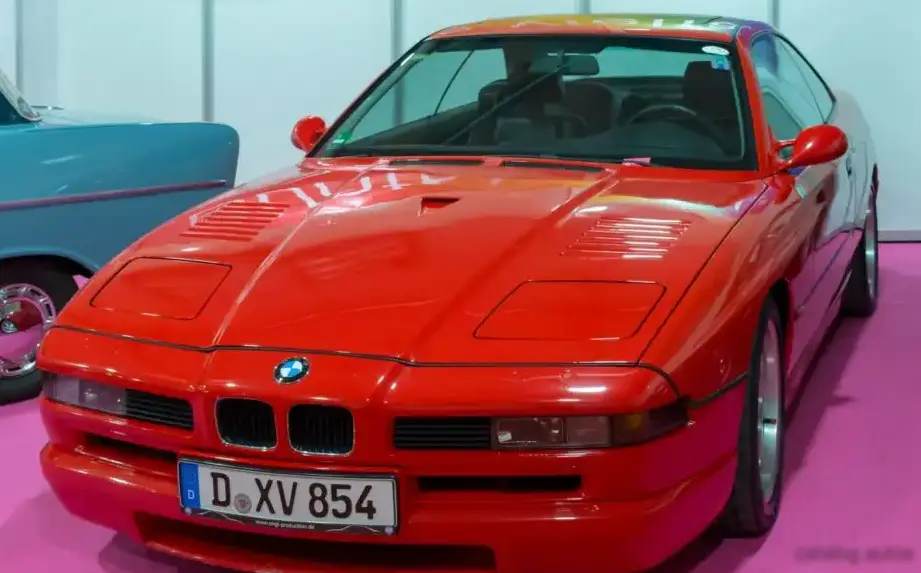
The BMW 850Ci 5.0, produced between 1989 and 1994, represents the pinnacle of grand touring luxury from BMW during that era. Part of the E31 8 Series generation, the 850Ci 5.0 was positioned as the flagship coupe, offering a blend of performance, technology, and opulent comfort. It served as a statement vehicle for BMW, showcasing their engineering prowess and design capabilities. While the 8 Series initially faced challenges in the US market due to its high price point, it has since gained a dedicated following among collectors and enthusiasts. This specific variant, equipped with the M70B50 5.0-liter V12 engine, was the initial launch engine for the 8 Series, setting the standard for performance within the range.
Technical Specifications
| Brand | BMW |
| Model | 8 Series |
| Generation | 8 Series (E31) |
| Type (Engine) | 850Ci 5.0 (300 Hp) |
| Start of production | 1989 |
| End of production | 1994 |
| Powertrain Architecture | Internal Combustion engine |
| Body type | Coupe |
| Seats | 4 |
| Doors | 2 |
| Fuel consumption (economy) – urban | 19.8 l/100 km (11.9 US mpg, 14.3 UK mpg, 5.1 km/l) |
| Fuel consumption (economy) – extra urban | 8.8 l/100 km (26.7 US mpg, 32.1 UK mpg, 11.4 km/l) |
| Fuel consumption (economy) – combined | 10.4 l/100 km (22.6 US mpg, 27.2 UK mpg, 9.6 km/l) |
| Fuel Type | Petrol (Gasoline) |
| Acceleration 0 – 100 km/h | 6.8 sec |
| Acceleration 0 – 62 mph | 6.8 sec |
| Acceleration 0 – 60 mph | 6.5 sec |
| Maximum speed | 250 km/h (155.34 mph) |
| Weight-to-power ratio | 6 kg/Hp, 167.6 Hp/tonne |
| Weight-to-torque ratio | 4 kg/Nm, 251.4 Nm/tonne |
| Power | 300 Hp @ 5200 rpm |
| Power per litre | 60.1 Hp/l |
| Torque | 450 Nm @ 4100 rpm (331.9 lb.-ft. @ 4100 rpm) |
| Engine layout | Front, Longitudinal |
| Engine Model/Code | M70B50 |
| Engine displacement | 4988 cm3 (304.39 cu. in.) |
| Number of cylinders | 12 |
| Engine configuration | V-engine |
| Cylinder Bore | 84 mm (3.31 in.) |
| Piston Stroke | 75 mm (2.95 in.) |
| Compression ratio | 8.8:1 |
| Fuel injection system | Multi-port manifold injection |
| Engine aspiration | Naturally aspirated engine |
| Engine oil capacity | 7.5 l (7.93 US qt | 6.6 UK qt) |
| Coolant | 13 l (13.74 US qt | 11.44 UK qt) |
| Kerb Weight | 1790 kg (3946.27 lbs.) |
| Max. weight | 2210 kg (4872.22 lbs.) |
| Max load | 420 kg (925.94 lbs.) |
| Trunk (boot) space – minimum | 320 l (11.3 cu. ft.) |
| Fuel tank capacity | 90 l (23.78 US gal | 19.8 UK gal) |
| Length | 4780 mm (188.19 in.) |
| Width | 1855 mm (73.03 in.) |
| Height | 1340 mm (52.76 in.) |
| Wheelbase | 2685 mm (105.71 in.) |
| Front track | 1555 mm (61.22 in.) |
| Rear (Back) track | 1560 mm (61.42 in.) |
| Drivetrain Architecture | The Internal combustion engine (ICE) drives the rear wheels of the vehicle. |
| Drive wheel | Rear wheel drive |
| Number of gears and type of gearbox | 6 gears, manual transmission |
| Front suspension | Wishbone |
| Rear suspension | Coil spring |
| Front brakes | Ventilated discs |
| Rear brakes | Disc |
| Assisting systems | ABS (Anti-lock braking system), Hydraulic Steering |
| Tires size | 235/50 R16 |
| Wheel rims size | 16 |
Powertrain & Engine Architecture
The heart of the 850Ci 5.0 is the M70B50, a 5.0-liter (4988cc) naturally aspirated V12 engine. This engine, a cornerstone of BMW’s engineering at the time, features a 60-degree V-angle and utilizes aluminum alloy cylinder heads and block. The M70 employed a multi-port fuel injection system, delivering fuel directly into each intake port for optimized combustion. The valvetrain consists of two overhead camshafts per cylinder bank, operating four valves per cylinder. This configuration contributed to the engine’s smooth power delivery and high-end performance. The 6-speed manual transmission was standard, providing precise control over the engine’s substantial power. The engine’s longitudinal mounting and rear-wheel-drive configuration were typical for BMW’s performance-oriented vehicles of the period.
Driving Characteristics
The 850Ci 5.0 offered a grand touring experience characterized by effortless acceleration and a refined ride. The 300 horsepower and 331 lb-ft of torque provided brisk performance, with a 0-60 mph time of around 6.5 seconds. While not a track-focused machine, the V12 engine delivered a broad torque curve, making it responsive in various driving situations. The 6-speed manual transmission allowed drivers to fully exploit the engine’s power, while the relatively long gear ratios were geared towards comfortable highway cruising. Compared to later, more powerful 8 Series variants (like the 850CSi), the 850Ci 5.0 prioritized smoothness and refinement over outright aggression. It felt less demanding to drive, making it a more accessible grand tourer.
Equipment & Trim Levels
The 850Ci 5.0 came standard with a comprehensive list of luxury features. The interior was lavishly appointed with leather upholstery, wood trim, and power-adjustable seats. Standard equipment included automatic climate control, a premium sound system, and power windows and locks. Optional extras included a sunroof, upgraded leather, and a more sophisticated sound system. The dashboard layout was driver-focused, with clear instrumentation and intuitive controls. The overall ambiance was one of understated elegance and technological sophistication.
Chassis & Braking
The E31 8 Series featured a robust chassis designed to handle the power of the V12 engine. The front suspension utilized a double wishbone design, while the rear employed a semi-trailing arm setup with coil springs. This configuration provided a comfortable ride while maintaining good handling characteristics. The 850Ci 5.0 was equipped with ventilated disc brakes at all four corners, providing ample stopping power. An Anti-lock Braking System (ABS) was standard, enhancing safety and control. The steering was hydraulically assisted, offering precise and responsive feedback.
Market Reception & Comparison
The 850Ci 5.0 received generally positive reviews from automotive critics, who praised its luxurious interior, smooth engine, and refined driving experience. However, its high price tag limited its appeal to a relatively small segment of the market. Compared to the later 850CSi, which featured a more powerful engine and sport-tuned suspension, the 850Ci 5.0 was seen as a more comfortable and accessible grand tourer. Fuel economy was predictably poor for a V12 engine, averaging around 22.6 mpg combined. Reliability was generally good, although the complex V12 engine required diligent maintenance.
Legacy
The BMW 850Ci 5.0 remains a highly sought-after classic car today. Its combination of luxury, performance, and timeless design has earned it a dedicated following among collectors and enthusiasts. The M70B50 V12 engine is known for its durability and smooth operation, although regular maintenance is essential to keep it in top condition. Well-maintained examples of the 850Ci 5.0 command premium prices in the used car market, reflecting their rarity and desirability. The E31 8 Series, and the 850Ci 5.0 in particular, represents a high point in BMW’s grand touring heritage, and continues to be admired for its engineering excellence and elegant styling.