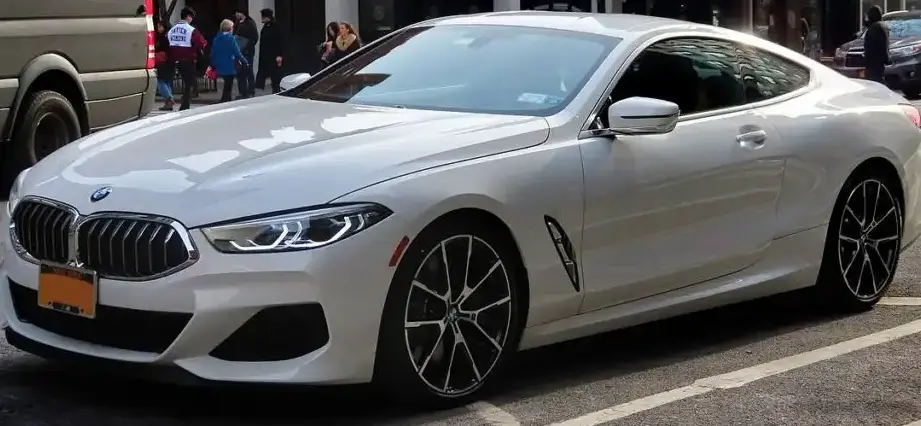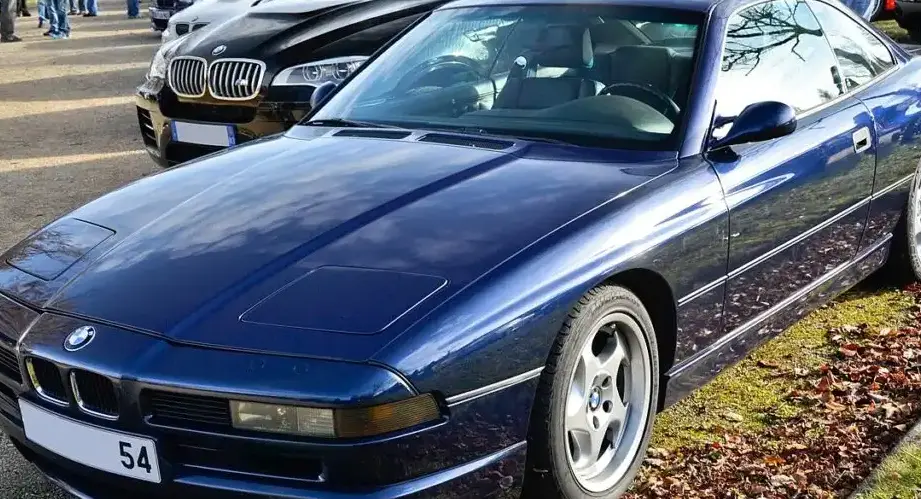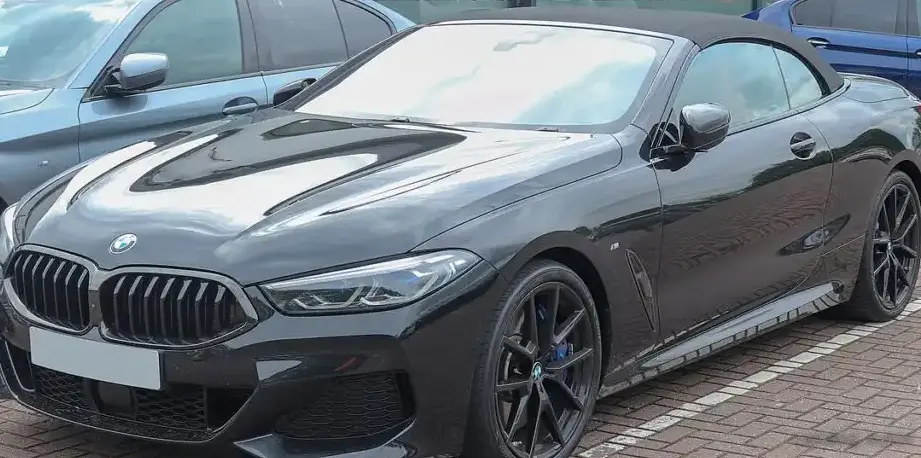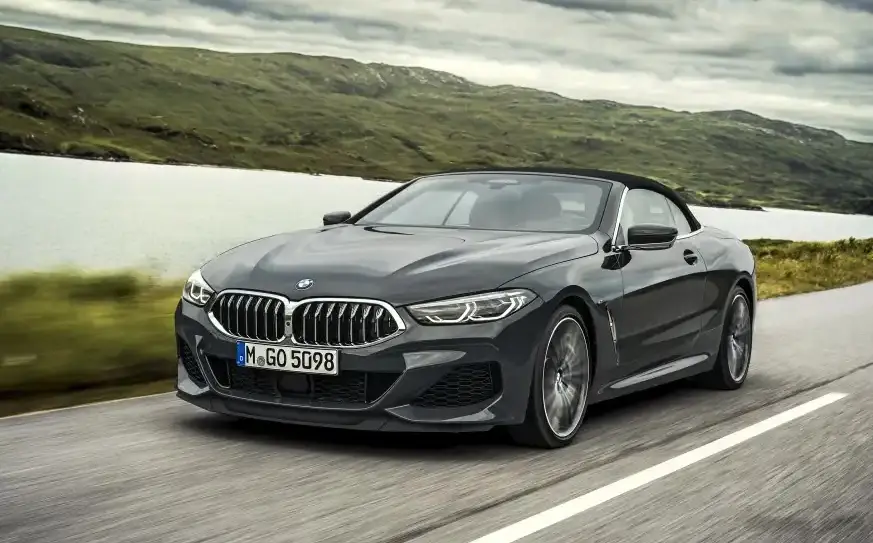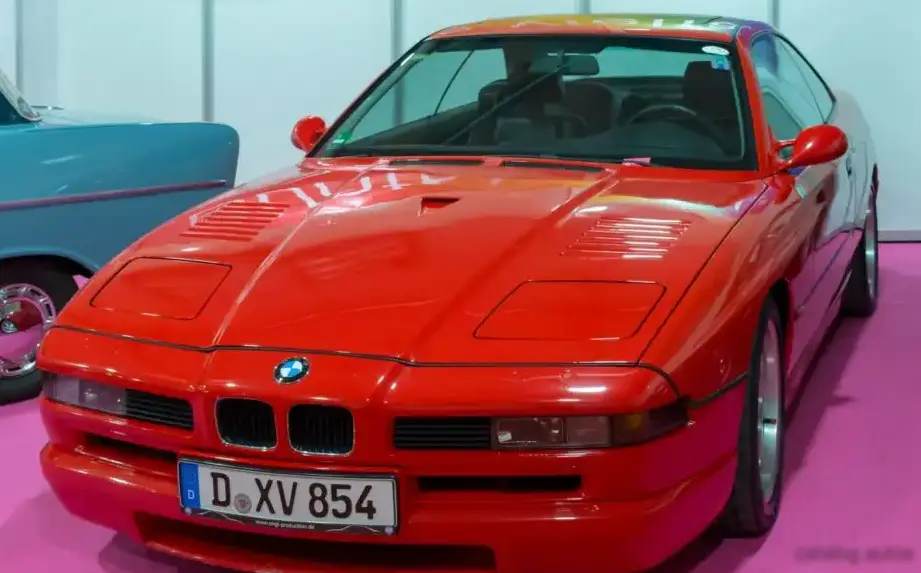
The BMW 850i, produced between 1989 and 1992, represents the initial iteration of the E31 8 Series grand tourer. Positioned as the flagship coupe from BMW, the 850i aimed to blend luxurious comfort with high performance. It was the first model released in the E31 series, paving the way for the 840Ci and 850CSi variants. The 850i was a significant departure for BMW, showcasing a more technologically advanced and visually striking design than its predecessors, and was intended to compete with the likes of the Mercedes-Benz SL and Porsche 928.
Technical Specifications
| Brand | BMW |
| Model | 8 Series |
| Generation | 8 Series (E31) |
| Type (Engine) | 850i (300 Hp) Automatic |
| Start of production | 1989 |
| End of production | 1992 |
| Powertrain Architecture | Internal Combustion engine |
| Body type | Coupe |
| Seats | 4 |
| Doors | 2 |
| Fuel consumption (economy) – urban | 19.8 l/100 km (11.9 US mpg, 14.3 UK mpg, 5.1 km/l) |
| Fuel consumption (economy) – extra urban | 8.6 l/100 km (27.4 US mpg, 32.8 UK mpg, 11.6 km/l) |
| Fuel consumption (economy) – combined | 10.3 l/100 km (22.8 US mpg, 27.4 UK mpg, 9.7 km/l) |
| Fuel Type | Petrol (Gasoline) |
| Acceleration 0 – 100 km/h | 7.4 sec |
| Acceleration 0 – 62 mph | 7.4 sec |
| Acceleration 0 – 60 mph | 7 sec |
| Maximum speed | 250 km/h (155.34 mph) |
| Weight-to-power ratio | 6 kg/Hp, 167.6 Hp/tonne |
| Weight-to-torque ratio | 4 kg/Nm, 251.4 Nm/tonne |
| Power | 300 Hp @ 5200 rpm |
| Power per litre | 60.1 Hp/l |
| Torque | 450 Nm @ 4100 rpm (331.9 lb.-ft. @ 4100 rpm) |
| Engine layout | Front, Longitudinal |
| Engine Model/Code | M70B50 |
| Engine displacement | 4988 cm3 (304.39 cu. in.) |
| Number of cylinders | 12 |
| Engine configuration | V-engine |
| Cylinder Bore | 84 mm (3.31 in.) |
| Piston Stroke | 75 mm (2.95 in.) |
| Compression ratio | 8.8:1 |
| Number of valves per cylinder | 4 |
| Fuel injection system | Multi-port manifold injection |
| Engine aspiration | Naturally aspirated engine |
| Engine oil capacity | 7.5 l (7.93 US qt | 6.6 UK qt) |
| Coolant | 13 l (13.74 US qt | 11.44 UK qt) |
| Kerb Weight | 1790 kg (3946.27 lbs.) |
| Max. weight | 2190 kg (4828.12 lbs.) |
| Max load | 400 kg (881.85 lbs.) |
| Trunk (boot) space – minimum | 360 l (12.71 cu. ft.) |
| Fuel tank capacity | 90 l (23.78 US gal | 19.8 UK gal) |
| Length | 4780 mm (188.19 in.) |
| Width | 1855 mm (73.03 in.) |
| Height | 1340 mm (52.76 in.) |
| Wheelbase | 2684 mm (105.67 in.) |
| Front track | 1554 mm (61.18 in.) |
| Rear (Back) track | 1562 mm (61.5 in.) |
| Ride height (ground clearance) | 140 mm (5.51 in.) |
| Drag coefficient (Cd) | 0.29 |
| Minimum turning circle (turning diameter) | 11.5 m (37.73 ft.) |
| Drivetrain Architecture | The Internal combustion engine (ICE) drives the rear wheels of the vehicle. |
| Drive wheel | Rear wheel drive |
| Number of gears and type of gearbox | 4 gears, automatic transmission |
| Front brakes | Ventilated discs |
| Rear brakes | Disc |
| Assisting systems | ABS (Anti-lock braking system) |
| Steering type | Steering rack and pinion |
| Power steering | Hydraulic Steering |
| Tires size | 235/50 ZR 16 |
| Wheel rims size | 16 |
Powertrain & Engine Architecture
The heart of the 850i is the M70B50, a 5.0-liter (4988cc) V12 engine. This engine is notable for its all-aluminum construction, a relatively advanced feature for the time. It utilizes a 60-degree V-angle, contributing to a smoother engine operation. The M70B50 employs multi-port fuel injection and a single overhead camshaft per cylinder bank, operating with a compression ratio of 8.8:1. The engine produces 300 horsepower at 5200 rpm and 450 Nm (331.9 lb-ft) of torque at 4100 rpm. Paired with the engine is a 4-speed automatic transmission, designed to provide smooth shifts and complement the grand touring nature of the vehicle. This transmission was a common unit used in BMW’s higher-end models of the era.
Driving Characteristics
The 850i with the automatic transmission delivers a refined and comfortable driving experience. While not as overtly sporty as the later 850CSi or manual transmission versions, the 850i offers ample power for effortless cruising and confident overtaking. The automatic transmission, while smooth, does result in a slight performance deficit compared to the 6-speed manual option. The gear ratios are tuned for relaxed highway driving, prioritizing comfort over outright acceleration. The 0-60 mph time of around 7 seconds is respectable for a large, luxurious coupe of this era, but it doesn’t match the performance of more focused sports cars. The weight distribution, while not ideal, is managed well by the chassis, providing predictable handling.
Equipment & Trim Levels
The 850i came standard with a comprehensive list of luxury features. Leather upholstery was standard, along with power-adjustable front seats with memory function. Other standard amenities included automatic climate control, a high-end sound system, and power windows and locks. The dashboard featured a wood trim, enhancing the luxurious ambiance. Optional extras included a sunroof, upgraded leather options, a telephone system, and a more advanced sound system. The 850i was positioned as a premium offering, and as such, even the base specification was well-equipped.
Chassis & Braking
The E31 8 Series features a sophisticated chassis design. It utilizes a MacPherson strut front suspension and a multi-link rear suspension, providing a comfortable ride and good handling characteristics. The 850i is equipped with ventilated disc brakes at the front and solid disc brakes at the rear. Anti-lock braking system (ABS) is standard, enhancing safety and control. The steering is a rack-and-pinion system with hydraulic power assistance, providing precise and responsive steering feel. The relatively heavy weight of the 850i (approximately 1790 kg or 3946 lbs) necessitates a robust braking system and suspension setup.
Market Reception & Comparison
The BMW 850i received generally positive reviews upon its release. Critics praised its luxurious interior, smooth ride, and powerful engine. However, the high price tag and relatively complex technology were points of concern for some. Compared to the later 840Ci, the 850i offered significantly more power but came at a higher cost. The 850CSi, with its manual transmission and upgraded engine, was aimed at a more performance-oriented buyer. Fuel economy was a common criticism, with the 850i returning around 22.8 US mpg in combined driving. Reliability was generally good, but the complex electronics and V12 engine could be expensive to maintain.
Legacy
The BMW E31 8 Series, including the 850i, is now considered a modern classic. While initially sales were slow due to its high price, the E31 has gained a dedicated following among enthusiasts. The M70B50 V12 engine is known for its durability and smooth operation, although maintenance can be costly. Today, well-maintained 850i models are sought after by collectors and enthusiasts who appreciate their blend of luxury, performance, and technological innovation. The E31 8 Series remains a distinctive and iconic vehicle in BMW’s history, representing a bold design statement and a commitment to engineering excellence.