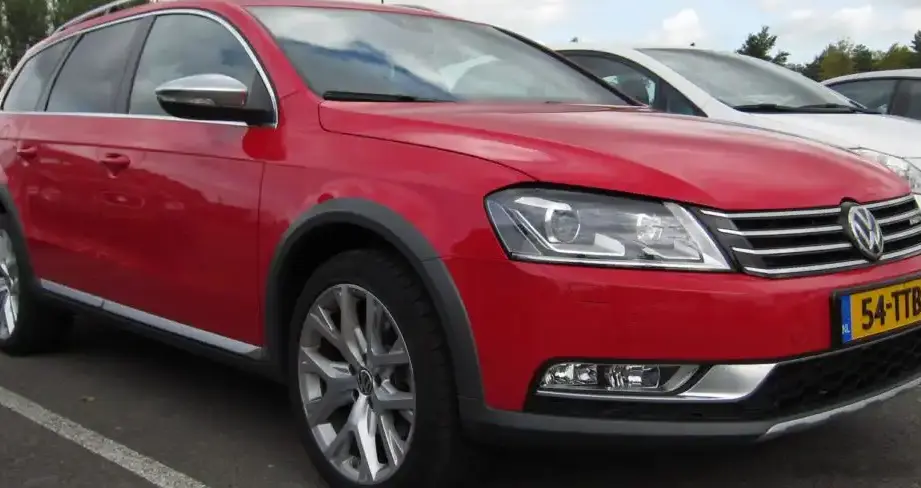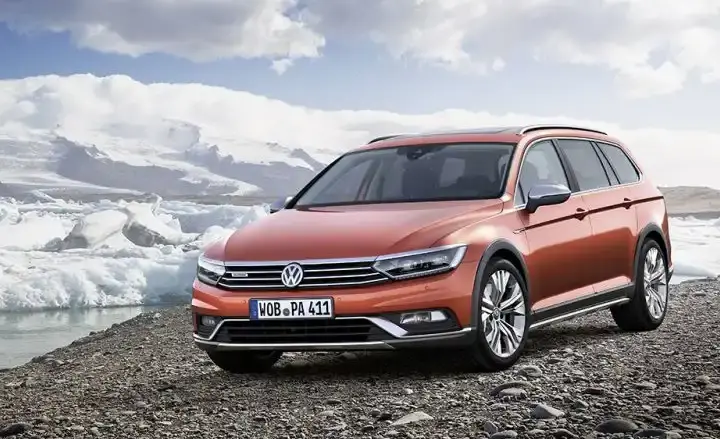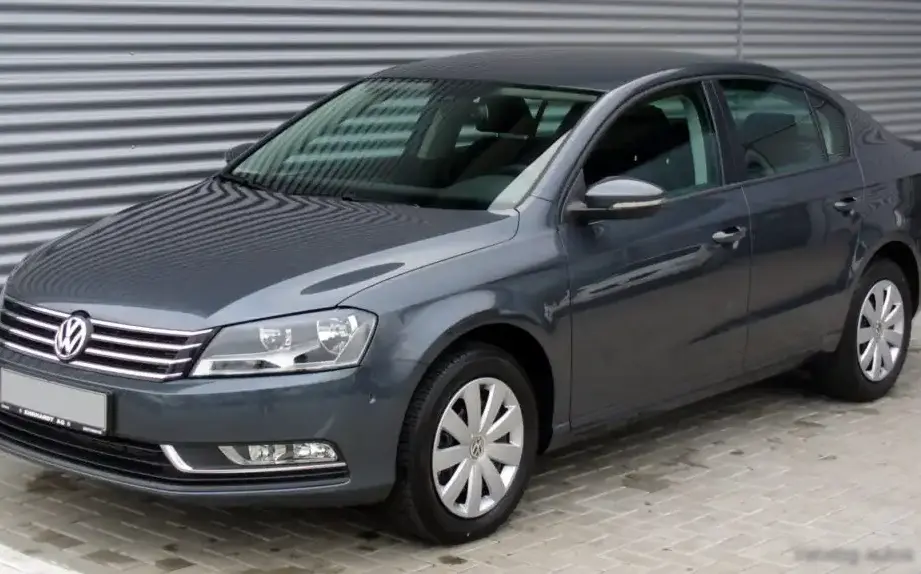
The Volkswagen Passat B7 1.4 TSI BMT (160 hp) represents a significant iteration of Volkswagen’s mid-size sedan, produced from 2013 to 2014. Positioned as a fuel-efficient and technologically advanced option within the B7 Passat range, it aimed to balance performance with economy. This variant was primarily marketed in Europe and other regions where smaller displacement, turbocharged engines were favored. It sat in the middle of the Passat lineup, offering a step up from the base models while remaining more accessible than the higher-powered TSI variants or diesel options. The B7 generation itself was a comprehensive refresh of the B6, focusing on refinement, technology, and a more premium feel.
Technical Specifications
| Brand | Volkswagen |
| Model | Passat |
| Generation | Passat (B7) |
| Type (Engine) | 1.4 TSI BMT (160 Hp) |
| Start of production | 2013 |
| End of production | 2014 |
| Powertrain Architecture | Internal Combustion engine |
| Body type | Sedan |
| Seats | 5 |
| Doors | 4 |
| Fuel consumption (economy) – urban (NEDC) | 8.2 l/100 km (28.7 US mpg, 34.4 UK mpg, 12.2 km/l) |
| Fuel consumption (economy) – extra urban (NEDC) | 5 l/100 km (47 US mpg, 56.5 UK mpg, 20 km/l) |
| Fuel consumption (economy) – combined (NEDC) | 6.2 l/100 km (37.9 US mpg, 45.6 UK mpg, 16.1 km/l) |
| CO2 emissions (NEDC) | 144 g/km |
| Fuel Type | Petrol (Gasoline) |
| Acceleration 0 – 100 km/h | 8.5 sec |
| Acceleration 0 – 62 mph | 8.5 sec |
| Acceleration 0 – 60 mph | 8.1 sec |
| Maximum speed | 220 km/h (136.7 mph) |
| Emission standard | Euro 5 |
| Weight-to-power ratio | 8.7 kg/Hp, 114.5 Hp/tonne |
| Weight-to-torque ratio | 5.8 kg/Nm, 171.8 Nm/tonne |
| Power | 160 Hp @ 5500 rpm |
| Power per litre | 115.1 Hp/l |
| Torque | 240 Nm @ 1500-4500 rpm (177.01 lb.-ft. @ 1500-4500 rpm) |
| Engine layout | Front, Transverse |
| Engine Model/Code | EA111 / CTHD |
| Engine displacement | 1390 cm3 (84.82 cu. in.) |
| Number of cylinders | 4 |
| Engine configuration | Inline |
| Cylinder Bore | 76.5 mm (3.01 in.) |
| Piston Stroke | 75.6 mm (2.98 in.) |
| Compression ratio | 10:1 |
| Number of valves per cylinder | 4 |
| Fuel injection system | Direct injection |
| Engine aspiration | Turbocharging and Supercharger, Intercooler |
| Valvetrain | DOHC |
| Engine oil capacity | 3.6 l (3.8 US qt | 3.17 UK qt) |
| Kerb Weight | 1397 kg (3079.86 lbs.) |
| Max. weight | 2010 kg (4431.29 lbs.) |
| Max load | 613 kg (1351.43 lbs.) |
| Trunk (boot) space – minimum | 565 l (19.95 cu. ft.) |
| Fuel tank capacity | 70 l (18.49 US gal | 15.4 UK gal) |
| Length | 4769 mm (187.76 in.) |
| Width | 1820 mm (71.65 in.) |
| Width including mirrors | 2062 mm (81.18 in.) |
| Height | 1470 mm (57.87 in.) |
| Wheelbase | 2712 mm (106.77 in.) |
Powertrain & Engine Architecture
The heart of the Passat B7 1.4 TSI BMT is the EA111 engine code, specifically the CTHD variant. This 1.4-liter inline-four engine is notable for its combination of turbocharging and supercharging – a system Volkswagen termed “Twincharger.” At lower engine speeds, the mechanically driven supercharger provides instant boost, eliminating turbo lag. As engine speed increases, a turbocharger takes over, delivering sustained power. This dual-charging system, coupled with direct fuel injection, allows for a relatively small engine to produce 160 horsepower and 240 Nm (177 lb-ft) of torque. The engine features a double overhead camshaft (DOHC) valvetrain with four valves per cylinder. The BMT designation stands for “BlueMotion Technology,” indicating features aimed at improving fuel efficiency, such as start-stop functionality. The engine is transversely mounted, driving the front wheels. The transmission is a 7-speed dual-clutch gearbox (DSG), known for its quick and smooth shifts.
Driving Characteristics
The 1.4 TSI BMT-equipped Passat B7 offers a comfortable and refined driving experience. While not overtly sporty, the engine provides adequate power for everyday driving and highway cruising. The dual-charger setup ensures responsive acceleration, particularly from a standstill. The 7-speed DSG transmission contributes to this responsiveness, offering both automatic and manual shift modes. Compared to the more powerful 1.8 TSI or 2.0 TSI variants, the 1.4 TSI feels less eager to rev and has a more limited power band. However, it excels in fuel economy, offering a noticeable advantage over its larger-engined siblings. The DSG transmission is programmed for efficiency, often upshifting quickly to maintain optimal fuel consumption. The steering is light and precise, making the Passat easy to maneuver in urban environments.
Equipment & Trim Levels
The Passat B7 1.4 TSI BMT was typically offered in mid-range trim levels, such as Trendline or Comfortline, depending on the market. Standard equipment generally included air conditioning, power windows, central locking, an audio system with a CD player, and alloy wheels. Higher trim levels added features like automatic climate control, a touchscreen infotainment system, parking sensors, and leather upholstery. Optional extras included a sunroof, navigation system, and advanced driver-assistance systems. Interior upholstery was typically cloth, with leather options available. The dashboard layout was clean and functional, with a focus on ergonomics.
Chassis & Braking
The Passat B7 utilizes an independent suspension setup, with McPherson struts at the front and a multi-link suspension at the rear. This configuration provides a good balance between ride comfort and handling. Stabilizer bars are fitted to both axles to reduce body roll. Braking duties are handled by ventilated discs at the front and solid discs at the rear. Anti-lock braking system (ABS) and electronic stability control (ESC) are standard safety features. The steering system is a rack-and-pinion type with electric power assistance.
Market Reception & Comparison
The Passat B7 1.4 TSI BMT was generally well-received by automotive critics for its fuel efficiency and refined driving experience. It was praised for its comfortable ride and well-equipped interior. However, some reviewers noted that the engine could feel strained when pushed hard, and the performance was not as exhilarating as that of the larger-engined models. Compared to the 1.8 TSI, the 1.4 TSI offered better fuel economy but less power. Compared to the diesel variants, the 1.4 TSI provided a quieter and smoother driving experience but lacked the low-end torque of the TDI engines.
Legacy
The EA111 1.4 TSI engine, while innovative, has been known to exhibit some long-term reliability issues, particularly related to carbon buildup on the intake valves. Regular maintenance, including the use of high-quality fuel and occasional intake valve cleaning, is crucial to prevent these problems. The DSG transmission, while generally reliable, also requires regular servicing, including fluid changes. Today, the Passat B7 1.4 TSI BMT represents a relatively affordable and fuel-efficient option in the used car market. Its combination of comfort, technology, and economy makes it a practical choice for those seeking a mid-size sedan. However, potential buyers should be aware of the potential maintenance requirements associated with the engine and transmission.