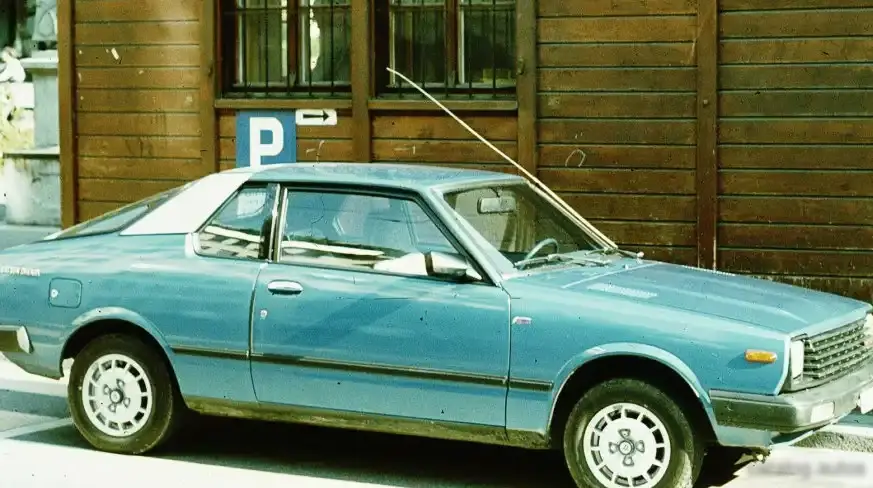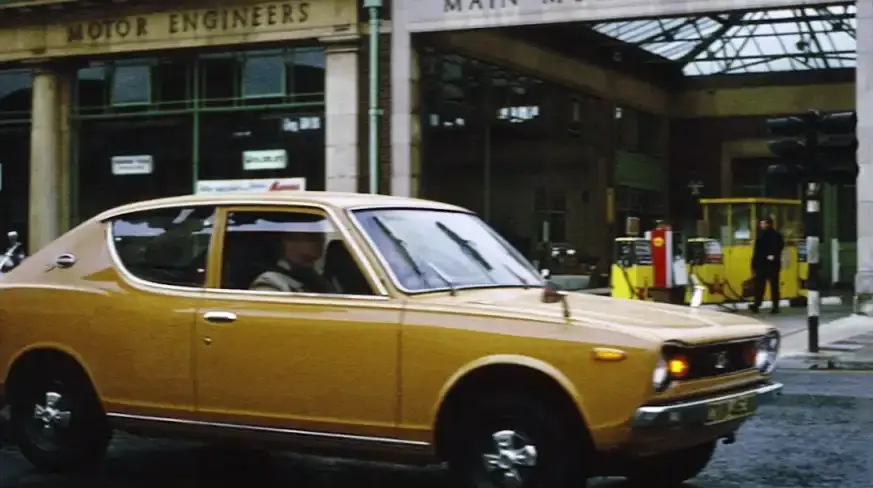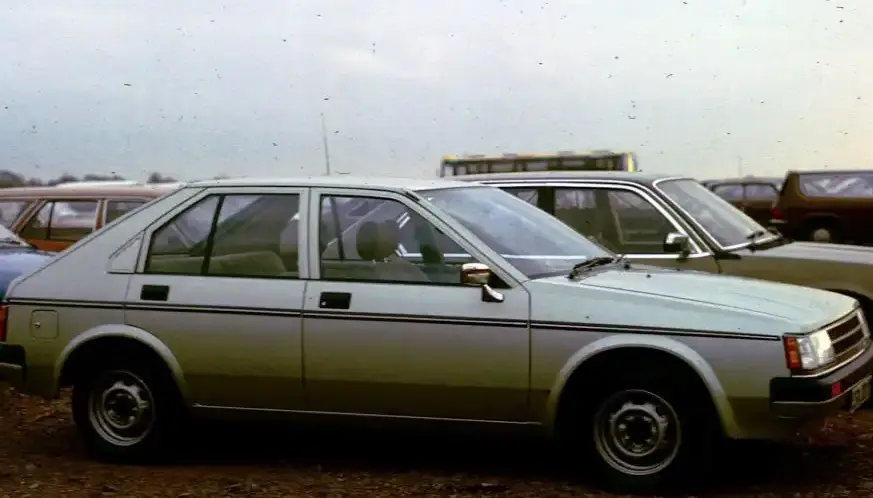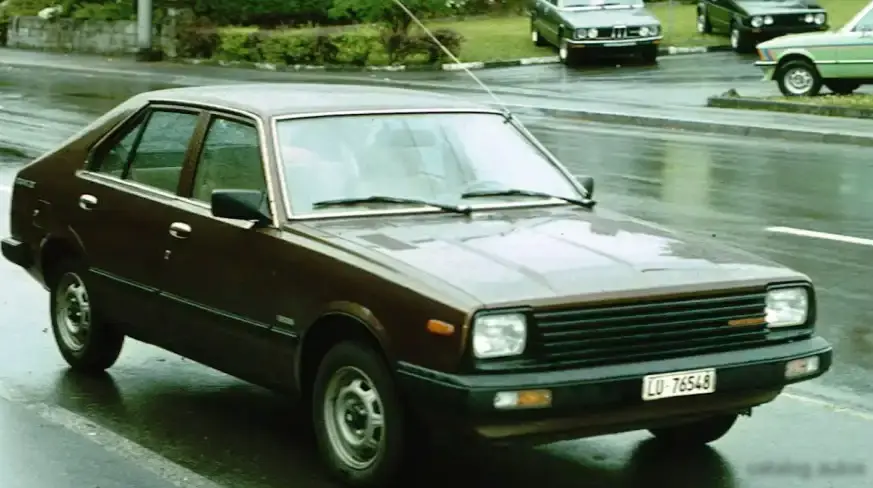
The Nissan Cherry Hatchback (N10) 1.2, produced between 1978 and 1981, represented Nissan’s entry into the burgeoning small hatchback market, primarily aimed at European and Japanese consumers. This variant, powered by a modest 1.2-liter engine producing 52 horsepower, served as the base model for the N10 Cherry range. It was designed to offer affordable and economical transportation during a period of rising fuel costs and increasing demand for compact cars. The N10 Cherry was a significant departure for Nissan, moving away from larger, more traditional sedan designs and embracing a more modern, space-efficient package. It played a crucial role in establishing Nissan’s presence in the subcompact segment.
Technical Specifications
| Brand | Nissan |
| Model | Cherry |
| Generation | Cherry Hatchback (N10) |
| Type (Engine) | 1.2 (52 Hp) |
| Start of production | 1978 |
| End of production | 1981 |
| Powertrain Architecture | Internal Combustion Engine |
| Body type | Hatchback |
| Fuel Type | Petrol (Gasoline) |
| Power | 52 Hp |
| Engine aspiration | Naturally Aspirated |
Powertrain & Engine Architecture
The heart of the N10 Cherry 1.2 was the A12 engine, a 1189cc inline-four cylinder petrol engine. This engine, while simple in design, was known for its reliability and fuel efficiency. It featured a single overhead camshaft (SOHC) configuration, operating two valves per cylinder. Fuel delivery was managed by a carburetor, a common feature for vehicles of this era, rather than fuel injection. The A12 engine produced 52 horsepower at 6000 rpm and approximately 68 lb-ft of torque at 3600 rpm. The engine was transversely mounted, a space-saving design that became increasingly popular in front-wheel-drive vehicles. The transmission was a four-speed manual, being the standard offering for this base model. An optional three-speed automatic transmission was available, though less common in this base trim. The engine block was cast iron, contributing to its durability, while the cylinder head was aluminum, helping to reduce weight. The A12 engine was a relatively unsophisticated design, prioritizing simplicity and ease of maintenance over outright performance.
Driving Characteristics
The Nissan Cherry 1.2, with its modest power output, was not designed for spirited driving. Acceleration was leisurely, taking approximately 18 seconds to reach 60 mph. However, its lightweight construction and nimble handling made it surprisingly enjoyable to drive around town. The four-speed manual transmission offered a reasonable level of control, allowing drivers to keep the engine in its optimal power band. The automatic transmission, while providing convenience, further reduced acceleration performance. The steering was light and precise, making it easy to maneuver in tight spaces. The suspension, consisting of MacPherson struts at the front and a twist-beam axle at the rear, provided a comfortable ride, although it could become somewhat unsettled on uneven surfaces. Compared to later, more powerful Cherry variants, the 1.2-liter model felt significantly underpowered, particularly when carrying passengers or cargo. However, its fuel economy was a major selling point, making it an attractive option for budget-conscious buyers.
Equipment & Trim Levels
The N10 Cherry 1.2 was a fairly basic vehicle, reflecting its position as the entry-level model. Standard equipment included cloth upholstery, vinyl floor covering, and basic instrumentation consisting of a speedometer, fuel gauge, and temperature gauge. The steering wheel was made of plastic, and the door panels were relatively spartan. Optional extras included a radio, heater, and upgraded upholstery. The exterior featured steel wheels with hubcaps, black plastic bumpers, and relatively simple trim. The interior space was surprisingly generous for a car of its size, offering comfortable seating for four adults. The rear seats could be folded down to increase cargo capacity, adding to the vehicle’s practicality. The overall design philosophy was one of functionality and affordability, prioritizing essential features over luxury or refinement.
Chassis & Braking
The Nissan Cherry N10 featured a monocoque body construction, providing a good balance of strength and weight. The front suspension utilized MacPherson struts, offering a relatively comfortable ride and good handling characteristics. The rear suspension employed a twist-beam axle, a simple and cost-effective design. Braking was initially provided by drum brakes on all four wheels, although some later models were equipped with front disc brakes. The braking system was adequate for the vehicle’s weight and performance, but lacked the stopping power of more modern systems. The steering was a rack-and-pinion system, providing precise and responsive handling. The tires were typically 155/80R13, reflecting the vehicle’s modest performance capabilities. The chassis was designed to prioritize fuel efficiency and ease of driving, rather than outright performance or handling prowess.
Market Reception & Comparison
The Nissan Cherry 1.2 was generally well-received by critics as an affordable and economical small car. It was praised for its fuel efficiency, nimble handling, and surprisingly spacious interior. However, it was also criticized for its lack of power and basic equipment levels. Compared to its rivals, such as the Fiat 127 and the Renault 5, the Cherry 1.2 offered a similar level of practicality and affordability. However, some competitors offered more sophisticated features or a more engaging driving experience. The automatic transmission version, while convenient, suffered from even slower acceleration and reduced fuel economy. The manual transmission version was generally preferred by those seeking the best possible performance and fuel efficiency. The Cherry 1.2 appealed to a specific segment of the market – those seeking a reliable and economical car for everyday transportation.
Legacy
The Nissan Cherry N10, particularly the 1.2-liter variant, established Nissan as a credible player in the European and Japanese small car market. While not known for its performance or luxury, the Cherry 1.2 earned a reputation for reliability and affordability. The A12 engine proved to be a durable and long-lasting powerplant, and many examples remain on the road today. In the used car market, the N10 Cherry 1.2 is often sought after by enthusiasts looking for a classic and affordable vehicle. Parts availability can be a challenge, but the engine’s simplicity makes it relatively easy to maintain. The Cherry N10 paved the way for future Nissan models, such as the Micra, which would continue to build on the Cherry’s legacy of affordability and practicality. It remains a fondly remembered example of 1970s automotive design, representing a shift towards smaller, more efficient vehicles.