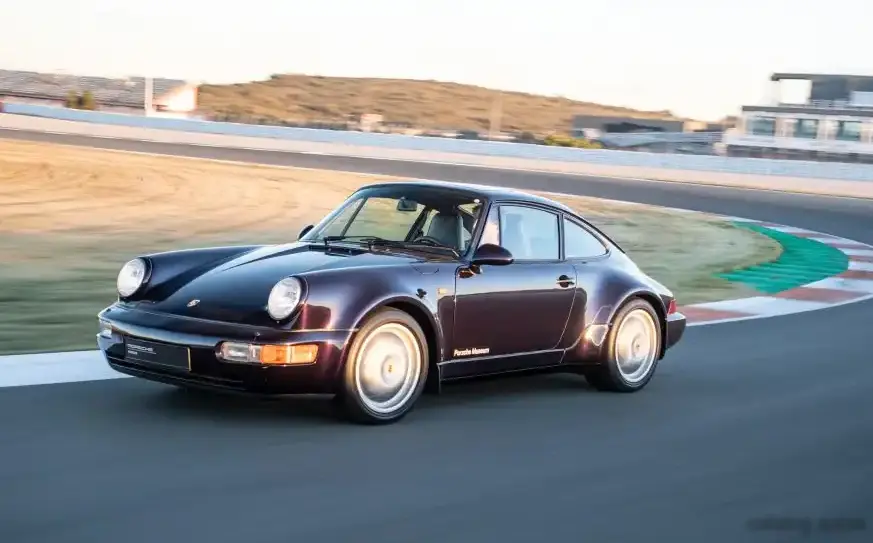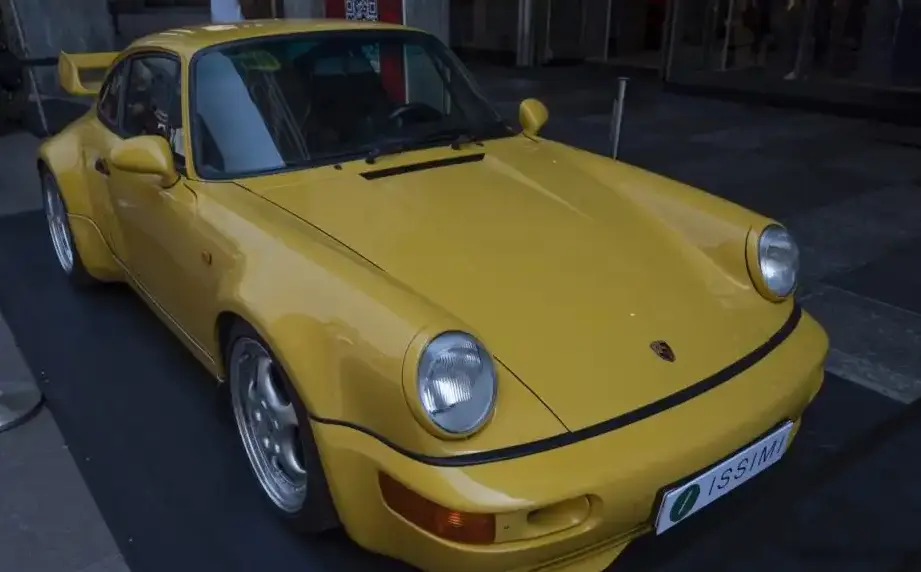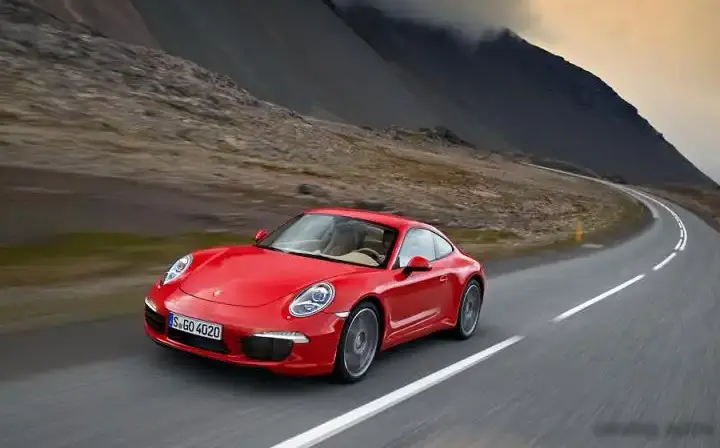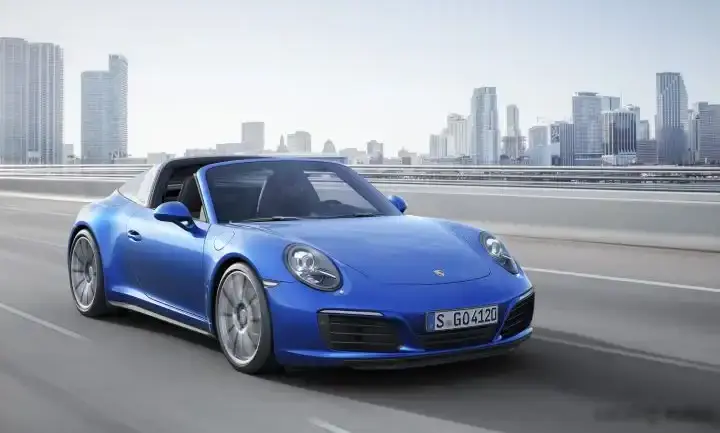
The Porsche 911 Targa 4S (991 II) 3.0, produced from 2015 to 2018, represents a compelling blend of open-air motoring and all-weather capability within the iconic 911 lineage. This variant falls within the second generation (991.2) of the 991 series, benefitting from a mid-cycle refresh that included updated engines, revised styling, and enhanced technology. The Targa 4S specifically combines the unique retractable roof mechanism of the Targa body style with Porsche’s sophisticated all-wheel-drive system and a potent twin-turbocharged flat-six engine. Positioned as a premium offering within the 911 Targa range, it sat above the base Targa model and below the even more performance-focused Targa 4 GTS.
Technical Specifications
| Brand | Porsche |
| Model | 911 |
| Generation | 911 Targa (991 II) |
| Type (Engine) | 4S 3.0 (420 Hp) |
| Start of production | 2015 |
| End of production | 2018 |
| Powertrain Architecture | Internal Combustion engine |
| Body type | Targa |
| Seats | 4 |
| Doors | 2 |
| Fuel consumption (economy) – urban | 12.6 l/100 km (18.7 US mpg, 22.4 UK mpg, 7.9 km/l) |
| Fuel consumption (economy) – extra urban | 6.8 l/100 km (34.6 US mpg, 41.5 UK mpg, 14.7 km/l) |
| Fuel consumption (economy) – combined | 9 l/100 km (26.1 US mpg, 31.4 UK mpg, 11.1 km/l) |
| CO2 emissions | 208 g/km |
| Fuel Type | Petrol (Gasoline) |
| Acceleration 0 – 100 km/h | 4.4 sec |
| Acceleration 0 – 62 mph | 4.4 sec |
| Acceleration 0 – 60 mph | 4.2 sec |
| Maximum speed | 303 km/h (188.28 mph) |
| Emission standard | Euro 6 |
| Weight-to-power ratio | 3.8 kg/Hp, 265.8 Hp/tonne |
| Weight-to-torque ratio | 3.2 kg/Nm, 316.5 Nm/tonne |
| Power | 420 Hp @ 6500 rpm |
| Power per litre | 140.9 Hp/l |
| Torque | 500 Nm @ 1700-5000 rpm (368.78 lb.-ft. @ 1700-5000 rpm) |
| Engine layout | Rear, Longitudinal |
| Engine Model/Code | MA2.01, MA2.02 |
| Engine displacement | 2981 cm3 (181.91 cu. in.) |
| Number of cylinders | 6 |
| Engine configuration | Boxer |
| Cylinder Bore | 91 mm (3.58 in.) |
| Piston Stroke | 76.4 mm (3.01 in.) |
| Compression ratio | 10:1 |
| Number of valves per cylinder | 4 |
| Fuel injection system | Direct injection |
| Engine aspiration | BiTurbo, Intercooler |
| Valvetrain | DOHC |
| Engine oil capacity | 8 l (8.45 US qt | 7.04 UK qt) |
| Kerb Weight | 1580 kg (3483.3 lbs.) |
| Max. weight | 2025 kg (4464.36 lbs.) |
| Max load | 445 kg (981.06 lbs.) |
| Trunk (boot) space – minimum | 160 l (5.65 cu. ft.) |
| Fuel tank capacity | 68 l (17.96 US gal | 14.96 UK gal) |
| Length | 4499 mm (177.13 in.) |
| Width | 1852 mm (72.91 in.) |
| Width including mirrors | 1978 mm (77.87 in.) |
| Height | 1293 mm (50.91 in.) |
| Wheelbase | 2450 mm (96.46 in.) |
| Front track | 1543 mm (60.75 in.) |
| Rear (Back) track | 1558 mm (61.34 in.) |
| Drag coefficient (Cd) | 0.3 |
| Drive wheel | All wheel drive (4×4) |
| Number of gears and type of gearbox | 7 gears, manual transmission |
| Front suspension | Independent type McPherson |
| Rear suspension | Independent multi-link spring suspension with stabilizer |
| Front brakes | Ventilated discs |
| Rear brakes | Ventilated discs |
| Assisting systems | ABS (Anti-lock braking system) |
| Steering type | Steering rack and pinion |
| Power steering | Electric Steering |
| Tires size | 245/35 ZR 20; 305/30 ZR 20 |
| Wheel rims size | 8.5J x 20; 11.5J x 20 |
Powertrain & Engine Architecture
The heart of the 911 Targa 4S (991 II) is the 3.0-liter twin-turbocharged flat-six engine, designated as the MA2.01 or MA2.02 depending on minor revisions. This engine represents a significant departure from the naturally aspirated engines of previous 911 generations. The introduction of turbocharging resulted in a substantial increase in both power and torque, while also improving fuel efficiency. The engine utilizes direct fuel injection, ensuring precise fuel delivery and optimized combustion. The valvetrain is a dual overhead camshaft (DOHC) design, allowing for precise control of valve timing and lift. The engine’s layout is rear-mounted and longitudinal, a defining characteristic of the 911. The 4S model specifically produces 420 horsepower at 6500 rpm and 368 lb-ft of torque available from a low 1700 rpm all the way to 5000 rpm. This broad torque curve contributes to strong acceleration in all gears. The standard transmission for the 991.2 Targa 4S is a seven-speed manual, but an optional seven-speed Porsche Doppelkupplung (PDK) dual-clutch automatic transmission was also available. The PDK transmission offers incredibly fast and smooth gear changes, enhancing both performance and driving comfort.
Driving Characteristics
The 911 Targa 4S delivers a refined yet engaging driving experience. The twin-turbocharged engine provides immediate throttle response and strong acceleration. The all-wheel-drive system ensures excellent traction, particularly in inclement weather conditions. Compared to the rear-wheel-drive 911 Carrera S, the Targa 4S offers increased stability and confidence, especially during cornering. The standard sport suspension provides a firm but controlled ride, while the optional Porsche Active Suspension Management (PASM) system allows drivers to adjust the damping characteristics to suit their preferences. The Targa top mechanism, while adding some weight, does not significantly detract from the car’s handling prowess. The 0-60 mph sprint takes approximately 4.2 seconds, making it a very quick car by any standard. The PDK transmission, when equipped, further enhances acceleration and provides a more seamless driving experience. The steering is precise and communicative, providing ample feedback to the driver.
Equipment & Trim Levels
The 911 Targa 4S came standard with a comprehensive list of features, including leather upholstery, a power-adjustable driver’s seat, automatic climate control, a touchscreen infotainment system with navigation, and a premium sound system. Optional extras were plentiful, allowing buyers to personalize their vehicles to a high degree. Popular options included sport seats, adaptive cruise control, a sunroof, and various interior trim packages. The Targa-specific feature, of course, was the automatically retractable roof, which could be opened or closed in approximately 19 seconds, even while the car was in motion at speeds up to 31 mph. Interior color options ranged from classic black and tan to more vibrant hues, and buyers could choose from a variety of materials, including leather, Alcantara, and carbon fiber.
Chassis & Braking
The 911 Targa 4S utilizes a sophisticated chassis design, featuring an independent McPherson strut suspension at the front and an independent multi-link suspension at the rear. Stabilizer bars are fitted to both axles to reduce body roll during cornering. The braking system consists of ventilated discs at all four corners, providing ample stopping power. Porsche’s ABS (Anti-lock Braking System) is standard, enhancing safety and control. The car’s weight distribution is carefully optimized to enhance handling balance. The standard wheel size is 20 inches, with wider tires at the rear to provide increased grip.
Market Reception & Comparison
The 911 Targa 4S (991 II) was generally well-received by automotive critics. It was praised for its performance, handling, and luxurious interior. The twin-turbocharged engine was lauded for its power and responsiveness, while the all-wheel-drive system was appreciated for its added stability. Compared to the base Targa model, the 4S offered a significant performance upgrade. Compared to the Targa 4 GTS, it offered a slightly more comfortable ride, although the GTS provided even more aggressive performance. Fuel economy was respectable for a high-performance sports car, averaging around 26 mpg in combined driving. Reliability has generally been good, although some owners have reported minor issues with the cooling system and the PDK transmission.
Legacy
The 911 Targa 4S (991 II) represents a significant milestone in the evolution of the 911. The introduction of turbocharging marked a major shift in the car’s powertrain philosophy, while the continued refinement of the Targa body style cemented its place as a unique and desirable variant. On the used car market, these models hold their value well, reflecting their performance, exclusivity, and Porsche’s reputation for quality. The 3.0-liter twin-turbocharged engine has proven to be a durable and reliable unit, and with proper maintenance, these cars are expected to provide many years of driving enjoyment. The 991.2 generation, in general, is considered a sweet spot in the 911 lineage, offering a compelling blend of modern technology and classic Porsche character.