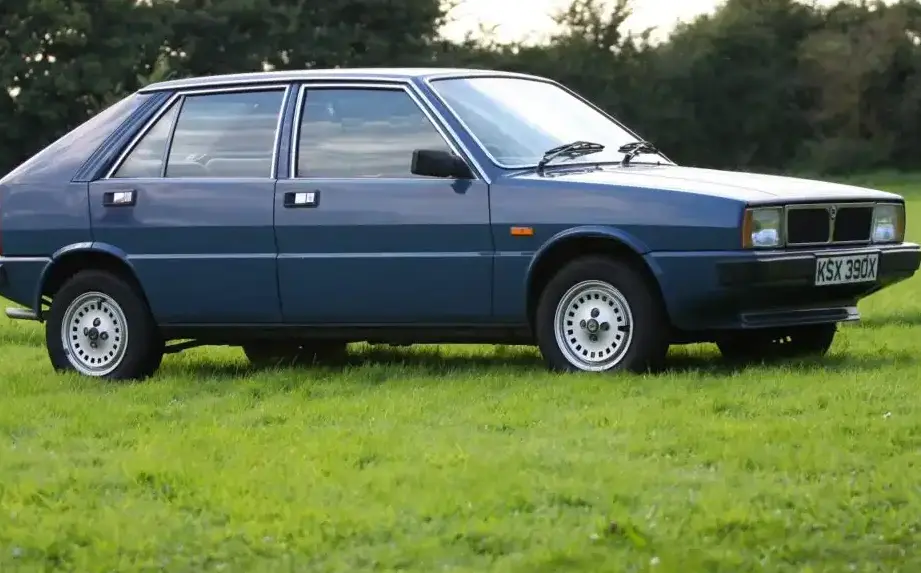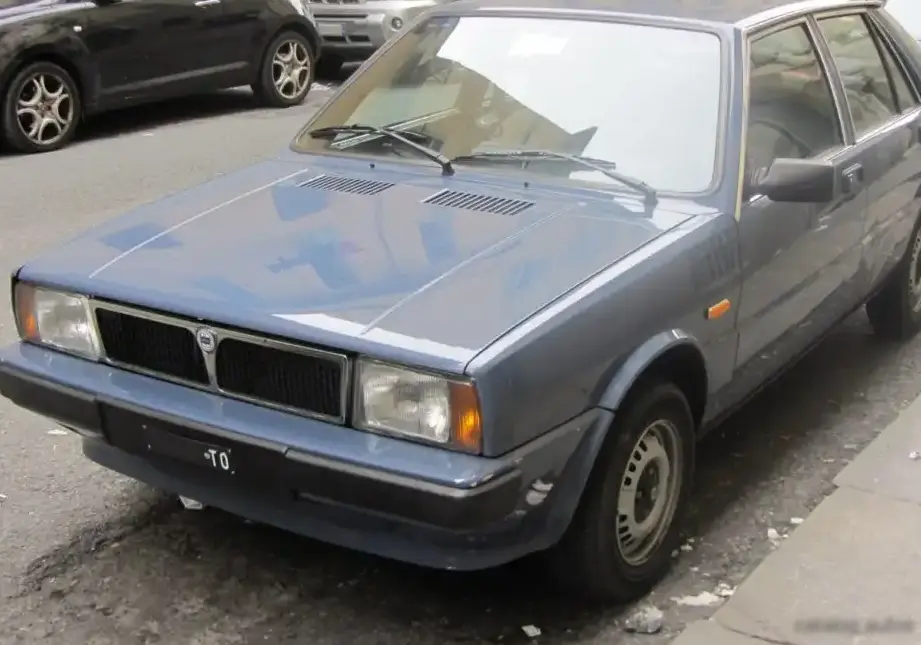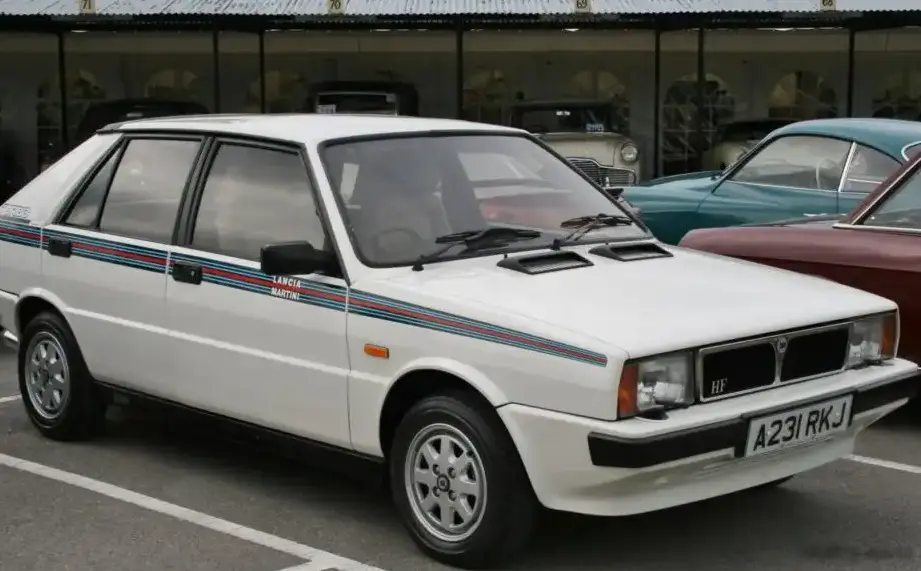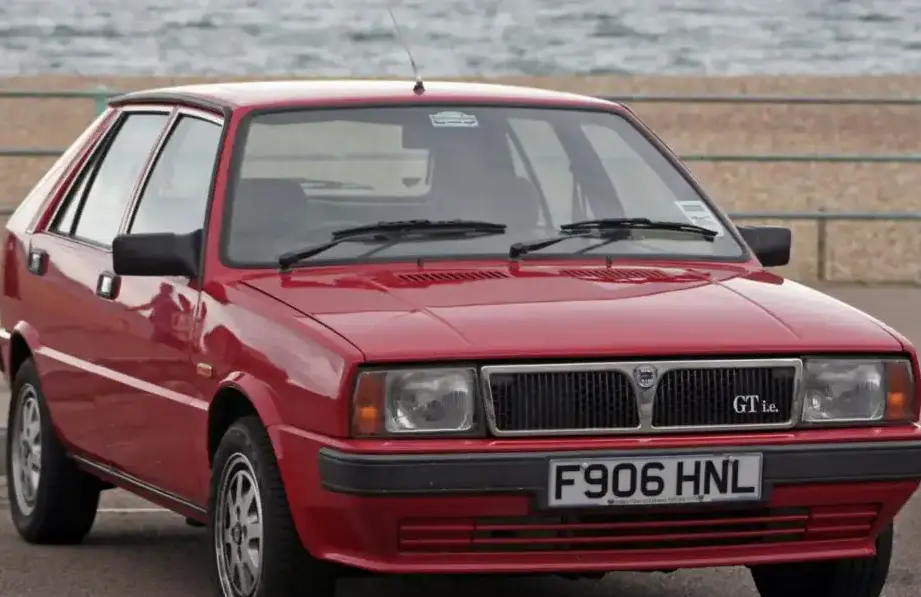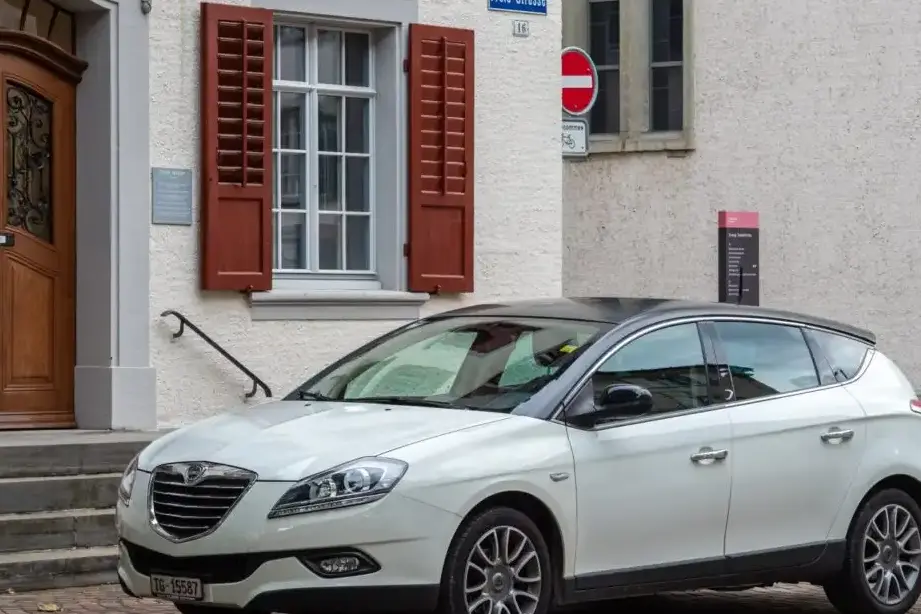
The Lancia Delta III, specifically the 844 series facelift introduced in 2011, represented a significant attempt to revive the iconic Delta nameplate. Produced from 2011 to 2014, this generation aimed to blend practicality with a touch of Italian flair, targeting the European compact hatchback market. The 1.6 MultiJet 16V variant, producing 120 horsepower, occupied a crucial mid-range position within the Delta III lineup, offering a balance between fuel efficiency and acceptable performance. It was positioned as a more economical alternative to the higher-powered versions, like the 1.9 TwinTurbo, while offering more refinement than the base-level engine options.
Technical Specifications
| Brand | Lancia |
| Model | Delta |
| Generation | Delta III (844, facelift 2011) |
| Type (Engine) | 1.6 MultiJet 16V (120 Hp) |
| Start of production | 2011 |
| End of production | 2014 |
| Powertrain Architecture | Internal Combustion engine |
| Body type | Hatchback |
| Seats | 5 |
| Doors | 5 |
| Fuel consumption (urban) | 5.8 l/100 km (40.6 US mpg, 48.7 UK mpg, 17.2 km/l) |
| Fuel consumption (extra urban) | 4 l/100 km (58.8 US mpg, 70.6 UK mpg, 25 km/l) |
| Fuel consumption (combined) | 4.7 l/100 km (50 US mpg, 60.1 UK mpg, 21.3 km/l) |
| CO2 emissions | 122 g/km |
| Fuel Type | Diesel |
| Acceleration 0 – 100 km/h | 10.7 sec |
| Acceleration 0 – 62 mph | 10.7 sec |
| Acceleration 0 – 60 mph | 10.2 sec |
| Maximum speed | 194 km/h (120.55 mph) |
| Emission standard | Euro 5 |
| Weight-to-power ratio | 11.8 kg/Hp, 85.1 Hp/tonne |
| Weight-to-torque ratio | 4.7 kg/Nm, 212.8 Nm/tonne |
| Power | 120 Hp @ 4000 rpm |
| Power per litre | 75.1 Hp/l |
| Torque | 300 Nm @ 1500 rpm (221.27 lb.-ft. @ 1500 rpm) |
| Engine layout | Front, Transverse |
| Engine Model/Code | 198A2000 |
| Engine displacement | 1598 cm3 (97.52 cu. in.) |
| Number of cylinders | 4 |
| Engine configuration | Inline |
| Cylinder Bore | 79.5 mm (3.13 in.) |
| Piston Stroke | 80.5 mm (3.17 in.) |
| Compression ratio | 16.5:1 |
| Number of valves per cylinder | 4 |
| Fuel injection system | Diesel Commonrail |
| Engine aspiration | Turbocharger, Intercooler |
| Valvetrain | DOHC |
| Engine oil capacity | 4.6 l (4.86 US qt | 4.05 UK qt) |
| Coolant capacity | 7.1 l (7.5 US qt | 6.25 UK qt) |
| Kerb Weight | 1410 kg (3108.52 lbs.) |
| Max. weight | 1980 kg (4365.15 lbs.) |
| Max load | 570 kg (1256.63 lbs.) |
| Trunk (boot) space – minimum | 420 l (14.83 cu. ft.) |
| Trunk (boot) space – maximum | 1190 l (42.02 cu. ft.) |
| Fuel tank capacity | 58 l (15.32 US gal | 12.76 UK gal) |
| Permitted trailer load with brakes (12%) | 1300 kg (2866.01 lbs.) |
| Permitted trailer load without brakes | 500 kg (1102.31 lbs.) |
| Length | 4520 mm (177.95 in.) |
| Width | 1797 mm (70.75 in.) |
| Height | 1499 mm (59.02 in.) |
| Wheelbase | 2700 mm (106.3 in.) |
| Front track | 1538 mm (60.55 in.) |
| Rear track | 1531 mm (60.28 in.) |
| Front overhang | 1017 mm (40.04 in.) |
| Rear overhang | 803 mm (31.61 in.) |
| Minimum turning circle | 10.6 m (34.78 ft.) |
| Drivetrain | Front wheel drive |
| Number of gears | 6 |
| Gearbox type | Manual transmission |
| Front suspension | Independent type McPherson, Transverse stabilizer |
| Rear suspension | Transverse stabilizer, Torsion |
| Front brakes | Ventilated discs, 284×22 mm |
| Rear brakes | Disc, 251×10 mm |
| Assisting systems | ABS (Anti-lock braking system) |
| Steering type | Steering rack and pinion |
| Power steering | Electric Steering |
| Tires size | 205/55 R16 |
| Wheel rims size | 7J x 16 |
Powertrain & Engine Architecture
The heart of the Delta 1.6 MultiJet 16V is the 198A2000 engine, a 1.6-liter inline-four cylinder diesel. This engine is a member of the Fiat/PSA diesel engine family, known for its efficiency and relatively compact size. The “MultiJet” technology refers to a common-rail direct injection system with multiple injection events per combustion cycle. This allows for finer control over the combustion process, resulting in reduced noise, lower emissions, and improved fuel economy. The 16V designation indicates the engine features four valves per cylinder (Dual Overhead Camshaft – DOHC), enhancing breathing and contributing to its power output. A turbocharger with an intercooler is employed to boost power and torque. The engine’s 300 Nm (221 lb-ft) of torque, available from a low 1500 rpm, is a key characteristic, providing good low-end responsiveness. The engine is transversely mounted in the front of the vehicle, driving the front wheels. The 6-speed manual transmission was the standard offering for this variant, providing a good balance between fuel efficiency and driver control.
Driving Characteristics
The 120 horsepower and 300 Nm of torque delivered by the 1.6 MultiJet, coupled with the 6-speed manual gearbox, resulted in a practical and reasonably engaging driving experience. Acceleration from 0-60 mph took around 10.2 seconds, and top speed was approximately 120.55 mph. While not a performance-oriented variant, the engine provided sufficient power for everyday driving and highway cruising. The turbocharger provided a noticeable boost in power during acceleration, but turbo lag was present, particularly at lower engine speeds. The manual transmission offered precise shifts, and the gear ratios were well-suited to maximizing fuel efficiency and providing adequate acceleration. Compared to the more powerful 1.9 TwinTurbo models, the 1.6 MultiJet felt less urgent, but it offered a more refined and economical driving experience. The lower weight compared to the TwinTurbo also contributed to slightly better handling.
Equipment & Trim Levels
The 1.6 MultiJet 16V typically came equipped with a respectable level of standard features. These included air conditioning, power windows, central locking, a basic audio system with CD player, and ABS brakes. Interior upholstery was typically cloth, with a functional, if not luxurious, dashboard layout. Optional extras included alloy wheels, a more advanced audio system with navigation, parking sensors, and climate control. Trim levels varied slightly depending on the market, but generally, the 1.6 MultiJet was positioned as a mid-range offering, bridging the gap between the base models and the more premium trims.
Chassis & Braking
The Delta III utilized an independent McPherson strut suspension setup at the front, providing a comfortable ride and decent handling. The rear suspension employed a torsion beam setup, which was a cost-effective solution that offered a good compromise between ride comfort and handling. Front brakes were ventilated discs, while rear brakes were solid discs. ABS (Anti-lock Braking System) was standard, enhancing safety. The suspension tuning was geared towards comfort, but the car remained relatively stable and predictable in corners. Stabilizer bars were fitted to both the front and rear axles to reduce body roll.
Market Reception & Comparison
The Lancia Delta III 1.6 MultiJet 16V was generally well-received by critics as a practical and fuel-efficient hatchback. Its fuel economy of around 50 US mpg combined was a major selling point. However, some reviewers criticized the interior quality and the somewhat bland styling. Compared to rivals like the Volkswagen Golf and Ford Focus, the Delta offered a unique Italian flair but often fell short in terms of perceived quality and brand prestige. The 1.6 MultiJet offered significantly better fuel economy than the 1.9 TwinTurbo, but at the expense of performance. Reliability was generally good, although some owners reported issues with the diesel particulate filter (DPF) and the electronic systems.
Legacy
The Lancia Delta III, including the 1.6 MultiJet variant, ultimately failed to achieve the sales success that Lancia had hoped for. Production ceased in 2014. However, the 1.6 MultiJet engine proved to be a relatively reliable and durable unit. On the used car market, these Deltas represent an affordable and economical option for those seeking a practical hatchback with a touch of Italian style. The engine’s fuel efficiency and relatively low maintenance costs make it an attractive proposition for budget-conscious buyers. While not a collector’s item, the Delta III 1.6 MultiJet remains a reasonably popular choice for everyday transportation.