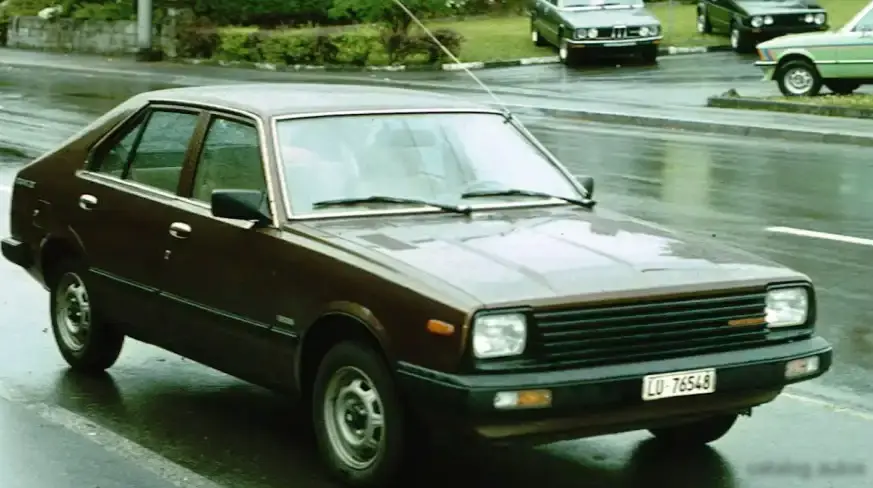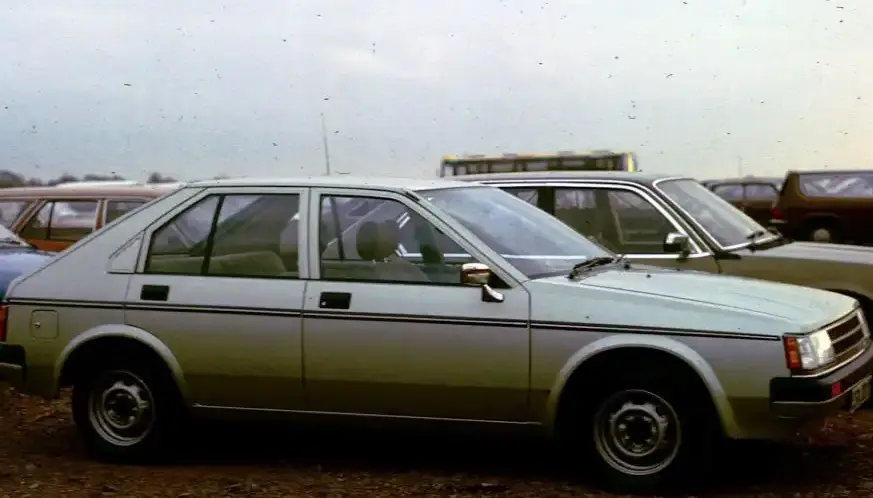
The Nissan Cherry N12, produced between 1982 and 1986, represented Nissan’s entry into the supermini class, primarily aimed at the European market. This generation of the Cherry was a significant departure from its predecessors, adopting a more modern, front-wheel-drive layout and a range of fuel-efficient engines. The 1.0-liter, 50 horsepower variant was the base model, designed to offer affordable transportation with a focus on economy. It served as the gateway to the Cherry lineup, appealing to first-time car buyers and those seeking a practical, no-frills vehicle. While not known for its performance, the N12 Cherry 1.0 played a crucial role in establishing Nissan’s presence in the competitive European small car segment.
Technical Specifications
| Brand | Nissan |
| Model | Cherry |
| Generation | Cherry (N12) |
| Type (Engine) | 1.0 (50 Hp) |
| Start of Production | 1982 |
| End of Production | 1986 |
| Powertrain Architecture | Internal Combustion Engine |
| Body Type | Sedan |
| Fuel Type | Petrol (Gasoline) |
| Power | 50 Hp |
| Engine Aspiration | Naturally Aspirated |
Powertrain & Engine Architecture
The heart of the N12 Cherry 1.0 was the A10S engine, a 988cc inline-four cylinder petrol engine. This engine was a relatively simple design, featuring a single overhead camshaft (SOHC) and two valves per cylinder. Fuel delivery was managed by a carburetor, a common feature for engines of this era and displacement, prioritizing simplicity and cost-effectiveness over outright performance. The carburetor system, while reliable, wasn’t as precise as fuel injection, contributing to the engine’s modest power output. The engine’s bore and stroke measured 73mm x 82.6mm, resulting in a compression ratio of 9.5:1. The 50 horsepower peak was achieved at 6,000 rpm, with a torque output of approximately 62 lb-ft at 3,600 rpm. The engine was paired with a four-speed manual transmission as standard, though a three-speed automatic transmission was offered as an option. The automatic transmission, while providing convenience, further reduced acceleration and fuel economy compared to the manual version.
Driving Characteristics
The Cherry 1.0, particularly in automatic guise, was not a performance-oriented vehicle. Acceleration was leisurely, taking approximately 18-20 seconds to reach 60 mph. The engine felt strained at higher speeds, and overtaking required careful planning. The automatic transmission, while smooth, had relatively long gear ratios, prioritizing fuel efficiency over responsiveness. The manual transmission offered a slightly more engaging driving experience, allowing the driver to better utilize the engine’s limited power band. Handling was adequate for city driving, with a relatively soft suspension setup that prioritized ride comfort. The steering was light and easy to use, making it maneuverable in tight spaces. Overall, the driving experience was best described as functional and undemanding, perfectly suited for its intended purpose as an economical city car.
Equipment & Trim Levels
The N12 Cherry 1.0 was typically offered in a basic trim level, reflecting its position as the entry point to the range. Standard equipment included cloth upholstery, vinyl floor covering, and basic instrumentation consisting of a speedometer, fuel gauge, and temperature gauge. The steering wheel was made of plastic, and the door panels were relatively spartan. Optional extras were limited but could include a radio, heated rear window, and upgraded seat fabric. The interior was designed for practicality and durability rather than luxury. The exterior featured steel wheels with hubcaps, black plastic bumpers, and minimal chrome trim. The overall aesthetic was functional and understated.
Chassis & Braking
The N12 Cherry featured a MacPherson strut front suspension and a twist-beam rear suspension. This setup provided a reasonable balance between ride comfort and handling, although it wasn’t particularly sporty. The front brakes were disc brakes, while the rear brakes were drums. This configuration was typical for cars in this price range during the early 1980s. The steering was rack and pinion, providing light and precise steering feel. The tires were typically 155/80R13, prioritizing fuel economy and ride comfort over grip. The chassis was relatively lightweight, contributing to the car’s fuel efficiency, but also limiting its handling capabilities.
Market Reception & Comparison
The Nissan Cherry N12 1.0 was generally well-received as an affordable and reliable small car. Critics praised its fuel economy and practicality, but noted its lack of performance. Compared to its rivals, such as the Ford Fiesta, Volkswagen Polo, and Renault 5, the Cherry 1.0 offered a competitive price point and a reputation for reliability. However, it lacked the sporty appeal of some of its competitors. The automatic transmission version was often criticized for its sluggish performance and reduced fuel economy. The manual transmission version was considered a better choice for those seeking a more engaging driving experience. Fuel economy averaged around 45-50 mpg, making it an attractive option for budget-conscious buyers.
Legacy
The Nissan Cherry N12, particularly the 1.0-liter variant, has become a relatively rare sight on the roads today. While not known for its collectibility, well-maintained examples are starting to attract interest from enthusiasts. The A10S engine is generally considered to be a reliable unit, although age and neglect can lead to issues such as oil leaks and carburetor problems. Parts availability can be challenging, but many components are still available through specialist suppliers. The Cherry N12 represents a significant milestone in Nissan’s history, marking its successful entry into the European supermini market. It laid the foundation for future Nissan models and helped establish the brand’s reputation for building affordable and reliable cars. The 1.0-liter version, while the least powerful in the lineup, remains a testament to the era’s focus on fuel efficiency and practicality.