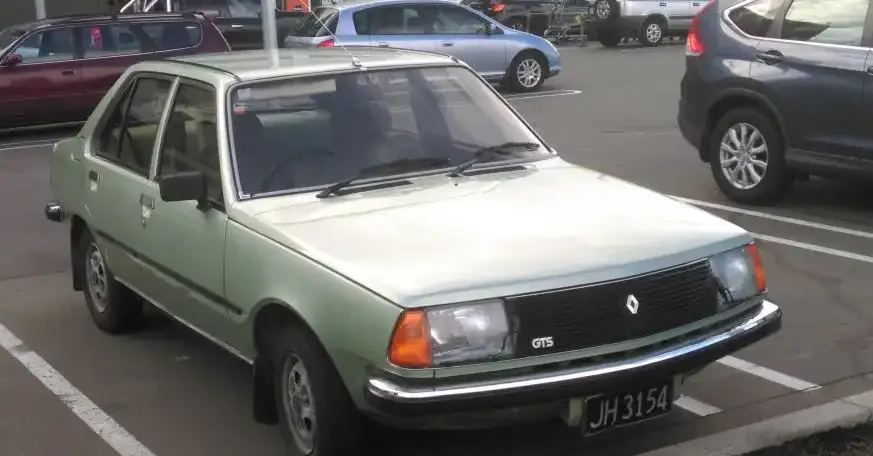
The Renault 18 Variable (135) 1.4, produced between 1979 and 1986, represents an entry-level variant within the broader Renault 18 range. This model, specifically the 135 designation denoting the station wagon (estate) body style, was aimed at providing affordable and practical transportation for families. It occupied the lower end of the 18 lineup, offering a more economical alternative to the higher-powered and better-equipped versions. The Renault 18 itself was a significant model for Renault, intended to replace the aging Renault 12 and compete with other European compacts like the Volkswagen Golf and Opel Astra.
Technical Specifications
| Brand | Renault |
| Model | 18 |
| Generation | 18 Variable (135) |
| Type (Engine) | 1.4 (1350) (64 Hp) |
| Start of Production | 1979 |
| End of Production | 1986 |
| Powertrain Architecture | Internal Combustion Engine |
| Body Type | Station Wagon (Estate) |
| Fuel Type | Petrol (Gasoline) |
| Power | 64 Hp |
| Engine Model/Code | 847-20 |
| Engine Aspiration | Naturally Aspirated |
| Engine Oil Capacity | 3.3 l (3.49 US qt | 2.9 UK qt) |
| Coolant Capacity | 6 l (6.34 US qt | 5.28 UK qt) |
| Fuel Tank Capacity | 57 l (15.06 US gal | 12.54 UK gal) |
Powertrain & Engine Architecture
The Renault 18 Variable (135) 1.4 utilized the 847-20 engine, a 1349cc inline-four cylinder petrol engine. This engine was a relatively simple design, featuring a single overhead camshaft (SOHC) operating two valves per cylinder. Fuel delivery was managed by a single, down-draft carburetor – a common feature for vehicles of this era and price point. The carburetor system, while less precise than fuel injection, contributed to the engine’s affordability and ease of maintenance. The engine’s modest 64 horsepower output was achieved at approximately 5300 rpm, with peak torque of around 88 lb-ft (120 Nm) at 3000 rpm. The engine was paired with a three-speed automatic transmission, a relatively uncommon option in Europe at the time, often preferred by drivers seeking convenience over performance. This automatic transmission was a traditional hydraulic unit, known for its smooth, if somewhat slow, shifts.
Driving Characteristics
The 1.4L engine and three-speed automatic combination in the Renault 18 Variable (135) resulted in a driving experience focused on practicality and fuel economy rather than spirited performance. Acceleration was leisurely, with a 0-60 mph time estimated to be around 14-16 seconds. The automatic transmission’s gear ratios were optimized for low-speed drivability and fuel efficiency, meaning the engine often felt strained during overtaking maneuvers or when climbing hills. Compared to the manual transmission versions of the 1.4, or the more powerful 1.6 and 2.0-liter variants, the automatic felt noticeably slower. However, the automatic provided a comfortable and easy driving experience, particularly in urban environments. The suspension, while basic, offered a reasonably comfortable ride, absorbing bumps and imperfections in the road surface adequately for everyday use.
Equipment & Trim Levels
The Renault 18 Variable (135) 1.4, as the entry-level trim, was equipped with a fairly basic set of features. Standard equipment typically included cloth upholstery, vinyl floor covering, and a simple dashboard layout with analog gauges. Power steering was not standard, and air conditioning was rarely fitted to this base model. The exterior featured steel wheels with hubcaps, and relatively minimal chrome trim. Optional extras, available at extra cost, included a radio, upgraded upholstery, and occasionally, a sunroof. The interior was designed with practicality in mind, offering ample space for passengers and cargo, particularly given the station wagon body style. The rear seats could be folded down to increase cargo capacity further.
Chassis & Braking
The Renault 18 featured a relatively conventional chassis design for the late 1970s and early 1980s. It utilized a front-engine, front-wheel-drive layout with independent front suspension using MacPherson struts and a torsion beam rear suspension. The braking system on the 1.4L model typically consisted of disc brakes on the front wheels and drum brakes on the rear wheels. The drum brakes on the rear were a cost-saving measure for the base model. Steering was a recirculating ball system, providing a somewhat vague but manageable steering feel. Stabilizer bars were often omitted on the base models to further reduce cost, contributing to a slightly more pronounced body roll during cornering.
Market Reception & Comparison
The Renault 18 Variable (135) 1.4 was generally well-received as an affordable and practical family car. Critics acknowledged its spacious interior and reasonable fuel economy, but often criticized its lack of performance, particularly when equipped with the automatic transmission. Compared to the manual transmission versions, the automatic suffered from slower acceleration and reduced fuel efficiency. The 1.6L and 2.0L variants offered significantly more power and a more engaging driving experience, but at a higher price point. The Renault 18 competed directly with other European compacts such as the Volkswagen Golf, Opel Astra, and Ford Escort. The Renault 18 often offered a more spacious interior and a more comfortable ride than some of its competitors, but lacked the brand prestige of Volkswagen or the sporty image of Ford.
Legacy
The Renault 18, and specifically the 1.4L automatic variant, has become a relatively uncommon sight on the roads today. While generally considered reliable, the 847-20 engine is prone to wear and tear with age, particularly if not properly maintained. Common issues include carburetor problems, oil leaks, and wear in the valve train. The automatic transmission, while durable, can also experience issues with solenoid failure or slipping gears. In the used car market, these vehicles are typically valued for their affordability and simplicity. They appeal to enthusiasts looking for a classic European car that is relatively easy to maintain and repair. Parts availability can be a challenge, but many components are still available through specialist suppliers or can be sourced from other Renault models of the same era. The Renault 18 Variable (135) 1.4 remains a testament to Renault’s commitment to providing practical and affordable transportation to a wide range of customers.