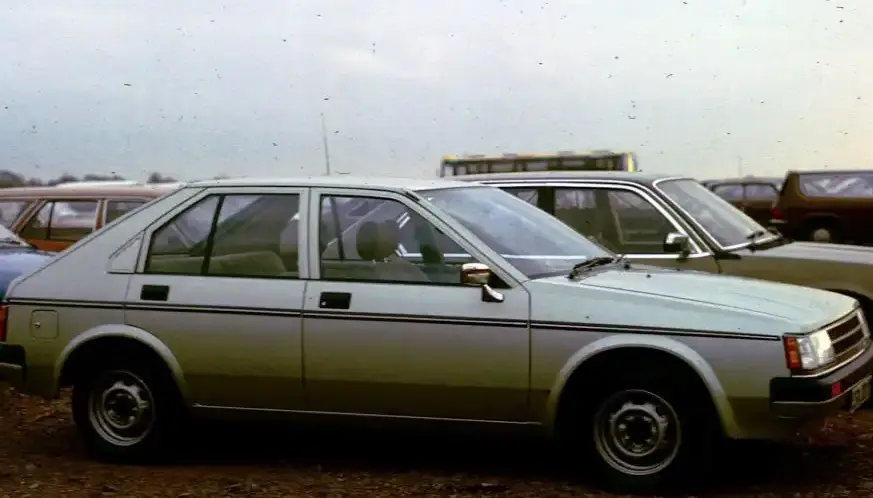
The Nissan Cherry N12, produced between 1983 and 1985, represented a significant step forward for Nissan’s compact car offerings. While the Cherry nameplate had existed previously, the N12 series marked a complete redesign, aiming for a more modern and refined vehicle. The 1.5 Turbo variant, producing 105 horsepower, was positioned as the performance-oriented trim level within the N12 lineup, offering a more spirited driving experience than the base models. It was primarily marketed in Europe and Japan, where smaller, fuel-efficient cars with a touch of performance were highly sought after. The N12 series aimed to compete with vehicles like the Ford Escort, Opel Kadett, and Toyota Corolla, offering a blend of practicality, economy, and a surprisingly potent turbocharged engine in this top-tier trim.
Technical Specifications
| Brand | Nissan |
| Model | Cherry |
| Generation | Cherry (N12) |
| Type (Engine) | 1.5 Turbo (105 Hp) |
| Start of production | 1983 |
| End of production | 1985 |
| Powertrain Architecture | Internal Combustion Engine |
| Body type | Sedan |
| Fuel Type | Petrol (Gasoline) |
| Power | 105 Hp |
| Engine Aspiration | Turbocharger |
Powertrain & Engine Architecture
The heart of the Cherry N12 1.5 Turbo was the E15T engine, a 1488cc inline-four cylinder gasoline engine. This engine utilized a single overhead camshaft (SOHC) valvetrain, a relatively common configuration for the time, prioritizing simplicity and cost-effectiveness. The key feature, of course, was the addition of a turbocharger, which significantly boosted power output compared to the naturally aspirated 1.5-liter engines available in other Cherry N12 models. The turbocharger was a Garrett unit, and it provided approximately 8 psi of boost. Fuel delivery was managed by a Bosch Jetronic fuel injection system, a sophisticated system for the early 1980s that improved fuel efficiency and reduced emissions compared to carbureted engines. The engine featured a cast iron block and an aluminum cylinder head. The transmission paired with the 1.5 Turbo was a three-speed automatic transmission, chosen to provide ease of use and accessibility for a wider range of drivers. While a five-speed manual transmission was available on other N12 models, it wasn’t offered with the turbo engine, likely due to concerns about the automatic transmission’s ability to handle the increased torque.
Driving Characteristics
The 1.5 Turbo automatic Cherry N12 offered a noticeable performance advantage over its naturally aspirated counterparts. The turbocharger provided a significant boost in torque, making the car feel much more responsive, especially during overtaking maneuvers. While 105 horsepower doesn’t sound like much by modern standards, it was a respectable figure for a car of this size and weight in the early 1980s. The three-speed automatic transmission, however, did somewhat limit the engine’s potential. The gear ratios were spaced to prioritize fuel economy and smooth cruising, rather than outright acceleration. This meant that while the car felt quick off the line thanks to the turbo boost, it could feel a bit sluggish at higher speeds. Compared to the five-speed manual versions of the Cherry, the automatic turbo model traded some performance for convenience. The manual transmission allowed drivers to keep the engine in its optimal power band, resulting in quicker acceleration and more engaging driving experience. The suspension was tuned for comfort, providing a relatively smooth ride, but it wasn’t particularly sporty. Body roll was noticeable during cornering, and the steering lacked the precision of some of its European competitors.
Equipment & Trim Levels
The 1.5 Turbo trim level of the Cherry N12 was generally considered the top-of-the-line model. Standard equipment included features such as power steering, a radio, and upgraded interior trim. The seats were typically upholstered in a cloth material, and the dashboard featured a woodgrain finish. Optional extras included air conditioning, electric windows, and a sunroof. The interior design was functional and straightforward, with a focus on practicality rather than luxury. The instrument cluster included a speedometer, tachometer, fuel gauge, and temperature gauge. The overall impression was one of a well-equipped and comfortable compact car. The exterior styling of the 1.5 Turbo was largely similar to other N12 models, but it often featured subtle differences, such as a chrome trim strip along the side of the body and a more prominent rear spoiler.
Chassis & Braking
The Cherry N12 utilized a front-engine, front-wheel-drive layout. The suspension consisted of MacPherson struts at the front and a twist-beam axle at the rear. The front suspension provided a comfortable ride and decent handling, while the rear suspension was relatively simple and cost-effective. The braking system featured disc brakes at the front and drum brakes at the rear. While the front discs provided adequate stopping power, the rear drums were less effective, particularly in wet conditions. The car’s relatively light weight helped to compensate for the limitations of the rear drum brakes. The steering was a rack-and-pinion system, providing reasonable precision and feedback. The N12’s chassis was designed to prioritize comfort and practicality, rather than outright performance. It wasn’t a particularly sporty car, but it provided a stable and predictable driving experience.
Market Reception & Comparison
The Nissan Cherry N12 1.5 Turbo received generally positive reviews from automotive critics. It was praised for its responsive engine, comfortable ride, and well-equipped interior. However, some critics noted that the three-speed automatic transmission held the engine back from reaching its full potential. Compared to other trims in the Cherry N12 lineup, the 1.5 Turbo offered a significant performance advantage, but it also came with a higher price tag. Fuel economy was slightly lower than the naturally aspirated models, but the added performance was considered a worthwhile trade-off by many buyers. In terms of reliability, the Cherry N12 was generally considered to be a dependable car, but the turbocharger did add a potential point of failure. Regular maintenance, including oil changes and turbocharger inspections, was essential to ensure long-term reliability. Compared to its competitors, the Cherry N12 1.5 Turbo offered a unique combination of performance, economy, and practicality.
Legacy
The Nissan Cherry N12 1.5 Turbo, while not a hugely popular model, holds a special place in the hearts of many enthusiasts. It was one of the first affordable turbocharged cars available in Europe and Japan, and it helped to popularize the technology. Today, the Cherry N12 1.5 Turbo is a relatively rare car, and well-maintained examples are becoming increasingly collectible. The E15T engine, while not known for being particularly robust, is generally reliable if properly maintained. Parts availability can be a challenge, but many parts are still available from Nissan or aftermarket suppliers. The Cherry N12 1.5 Turbo represents a fascinating chapter in Nissan’s history, and it remains a testament to the company’s willingness to experiment with new technologies. Its blend of practicality, economy, and a surprising amount of performance continues to appeal to enthusiasts today.