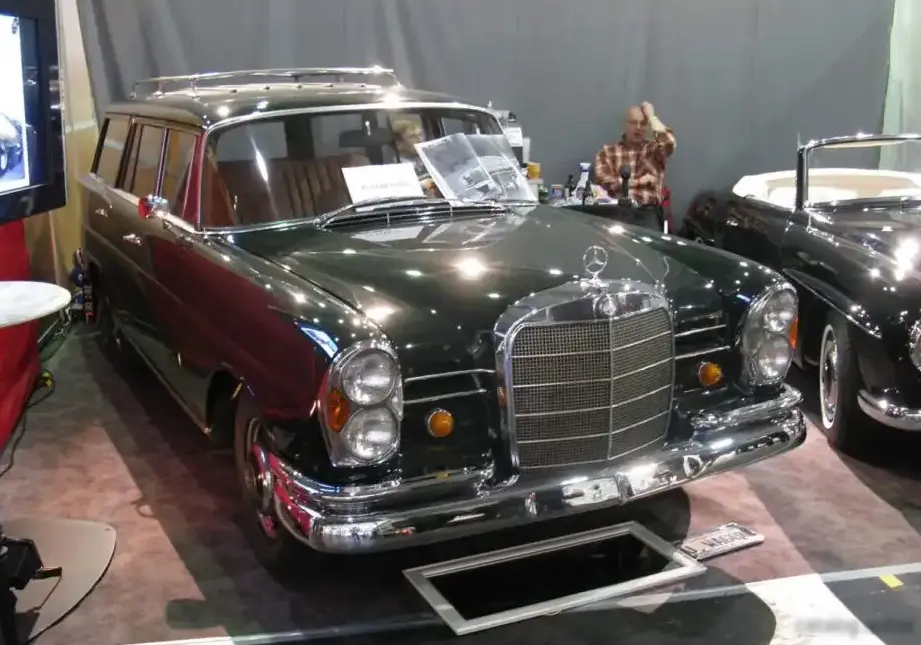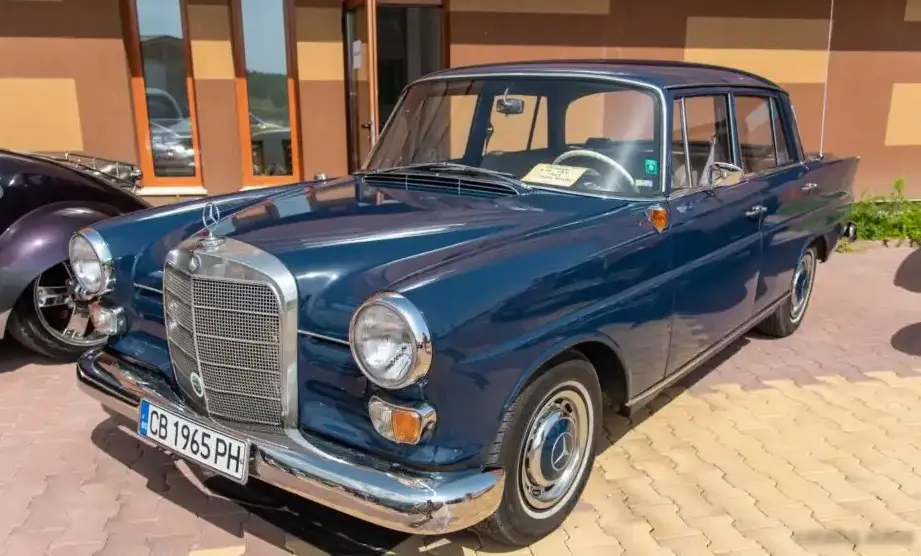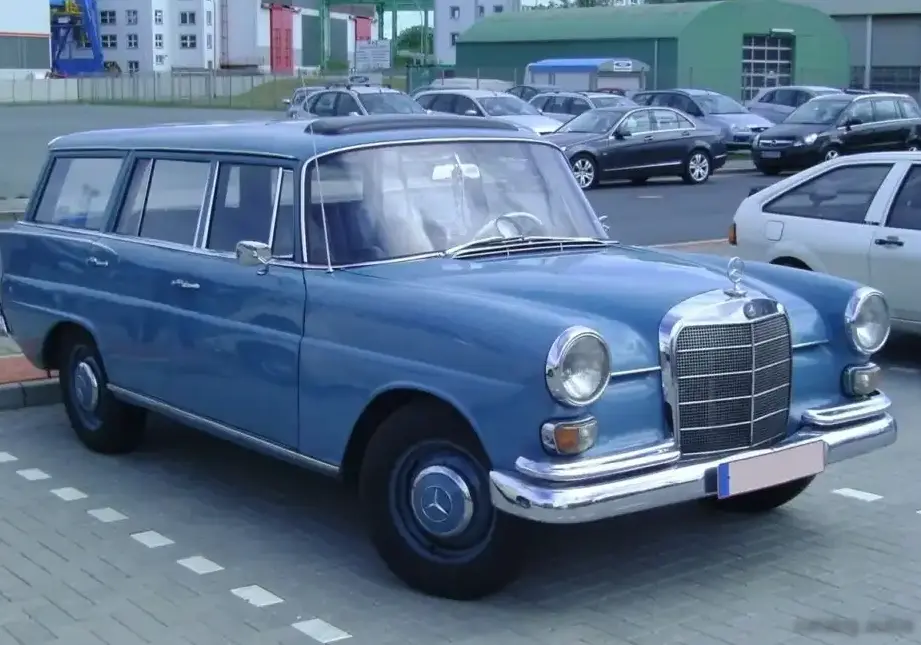
The Mercedes-Benz W110 “Fintail” Universal 190 Dc, produced briefly in 1965, represents a unique and often overlooked variant within the iconic Fintail family. This model, powered by the OM 621 III 1.9-liter diesel engine producing 55 horsepower, served as the entry-level offering in the Universal (estate) body style. It occupied a specific niche, appealing to buyers prioritizing fuel economy and practicality over outright performance. The 190 Dc was a single-year production run, making it a relatively rare find today. It was positioned below the petrol-powered 190 D and 200 models in terms of performance and price, but offered the spaciousness of the Universal body style with the renowned durability of a Mercedes-Benz diesel engine.
Technical Specifications
| Brand | Mercedes-Benz |
| Model | Fintail |
| Generation | Fintail Universal (W110) |
| Type (Engine) | 190 Dc (55 Hp) |
| Start of production | 1965 |
| End of production | 1965 |
| Powertrain Architecture | Internal Combustion engine |
| Body type | Station wagon (estate) |
| Seats | 5 |
| Doors | 5 |
| Fuel consumption (combined) | 7.6 l/100 km |
| Fuel consumption (US mpg) | 30.9 US mpg |
| Fuel consumption (UK mpg) | 37.2 UK mpg |
| Fuel consumption (km/l) | 13.2 km/l |
| Fuel Type | Diesel |
| Acceleration 0 – 100 km/h | 30 sec |
| Acceleration 0 – 62 mph | 30 sec |
| Acceleration 0 – 60 mph | 28.5 sec |
| Maximum speed | 125 km/h (77.67 mph) |
| Weight-to-power ratio | 27.8 kg/Hp |
| Weight-to-torque ratio | 13 kg/Nm |
| Power | 55 Hp @ 4200 rpm |
| Power per litre | 27.7 Hp/l |
| Torque | 118 Nm @ 2400 rpm (87.03 lb.-ft. @ 2400 rpm) |
| Engine layout | Front, Longitudinal |
| Engine Model/Code | OM 621 III / 621.912 |
| Engine displacement | 1988 cm3 (121.32 cu. in.) |
| Number of cylinders | 4 |
| Engine configuration | Inline |
| Cylinder Bore | 87 mm (3.43 in.) |
| Piston Stroke | 83.6 mm (3.29 in.) |
| Compression ratio | 21:1 |
| Number of valves per cylinder | 2 |
| Fuel injection system | Precombustion chamber injection |
| Engine aspiration | Naturally aspirated engine |
| Valvetrain | SOHC |
| Kerb Weight | 1530 kg (3373.07 lbs.) |
| Max. weight | 2130 kg (4695.85 lbs.) |
| Max load | 600 kg (1322.77 lbs.) |
| Fuel tank capacity | 52 l (13.74 US gal | 11.44 UK gal) |
| Length | 4740 mm (186.61 in.) |
| Width | 1795 mm (70.67 in.) |
| Height | 1530 mm (60.24 in.) |
| Wheelbase | 2700 mm (106.3 in.) |
| Front track | 1482 mm (58.35 in.) |
| Rear track | 1485 mm (58.46 in.) |
| Drivetrain Architecture | Rear wheel drive |
| Number of gears | 4 gears, manual transmission |
| Front suspension | Double wishbone, Transverse stabilizer |
| Rear suspension | Air suspension, Trailing arm |
| Front brakes | Disc |
| Rear brakes | Drum |
| Steering type | Cone worm with recirculation balls |
| Wheel rims size | 5J x 15 |
Powertrain & Engine Architecture
The heart of the 190 Dc Universal is the OM 621 III 1.9-liter inline-four diesel engine. This engine, a stalwart of Mercedes-Benz’s diesel lineup, utilized precombustion chamber injection. This system, common for diesel engines of the era, involved injecting fuel into a small precombustion chamber connected to the main cylinder, where it was partially ignited before entering the main combustion chamber. This aided in cold starting and smoother combustion. The engine featured a single overhead camshaft (SOHC) operating two valves per cylinder. The 55 horsepower output was achieved at 4200 rpm, while peak torque of 118 Nm (87 lb-ft) arrived at 2400 rpm. The engine was longitudinally mounted in the front of the vehicle, driving the rear wheels. The 190 Dc was exclusively offered with a four-speed manual transmission, a deliberate choice to maximize fuel efficiency and keep costs down.
Driving Characteristics
The 190 Dc Universal’s driving experience was defined by its modest power output and focus on practicality. Acceleration was leisurely, taking approximately 30 seconds to reach 100 km/h (62 mph). The four-speed manual transmission required frequent shifting to maintain momentum, especially when loaded or tackling inclines. Compared to the petrol-powered Fintail models, the 190 Dc offered significantly less performance. However, the diesel engine’s torque characteristics provided reasonable usability in everyday driving situations. The gear ratios were optimized for fuel economy rather than outright speed. The ride quality, typical of the W110 chassis, was comfortable, thanks to the independent front suspension and air suspension on the rear axle.
Equipment & Trim Levels
As the entry-level Universal variant, the 190 Dc was relatively sparsely equipped. Standard features included basic cloth upholstery, a simple dashboard layout, and minimal chrome trim. The interior prioritized functionality over luxury. Options were limited, but could include a sunroof, upgraded upholstery, and a radio. The exterior typically featured steel wheels with hubcaps and basic paint options. The focus was on providing a durable and practical vehicle at an affordable price point.
Chassis & Braking
The W110 chassis featured independent double wishbone suspension with a transverse stabilizer at the front, providing a comfortable ride and decent handling. The rear suspension utilized an air suspension system with trailing arms, further enhancing ride comfort and allowing for load leveling. Braking was accomplished via disc brakes at the front and drum brakes at the rear. The braking system was adequate for the vehicle’s weight and performance, but lacked the stopping power of more modern systems. Steering was handled by a cone worm and recirculation balls system, offering a relatively direct feel.
Market Reception & Comparison
The 190 Dc Universal was primarily marketed to buyers seeking a fuel-efficient and practical vehicle for family or commercial use. Critics acknowledged its durability and economy but often noted its lack of performance. Compared to the 190 D and 200 Universal models, the 190 Dc offered lower running costs but significantly less power. The 190 D, with its petrol engine, provided a noticeable performance upgrade, while the 200 offered even more power and refinement. The 190 Dc’s appeal lay in its affordability and the reputation for longevity associated with Mercedes-Benz diesel engines.
Legacy
The Mercedes-Benz W110 Fintail Universal 190 Dc, despite its short production run, holds a unique place in Mercedes-Benz history. Its robust diesel engine and practical estate body style made it a popular choice for those prioritizing durability and economy. Today, surviving examples are relatively rare and sought after by collectors and enthusiasts. The OM 621 engine is known for its longevity and relative simplicity, making it a relatively easy engine to maintain. While not a performance icon, the 190 Dc represents a significant chapter in the evolution of the Mercedes-Benz Universal, and a testament to the brand’s commitment to building durable and reliable vehicles.