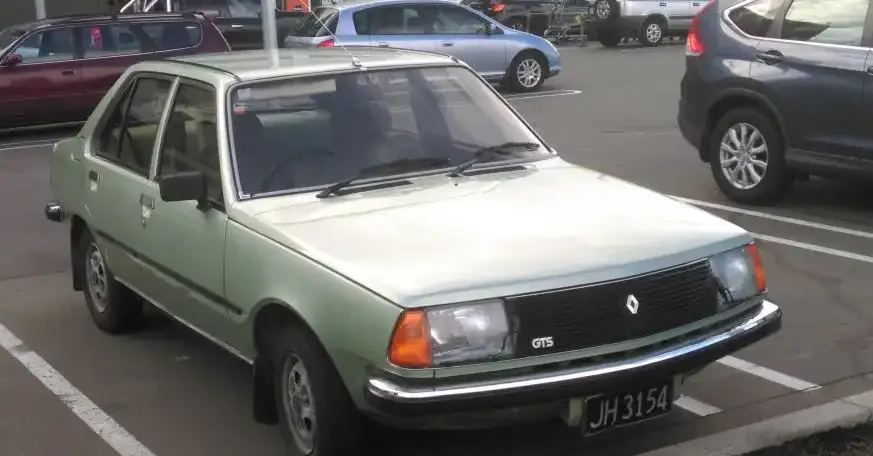
The Renault 18 Variable (135), specifically the 1.6-liter (1351 cc) 79 horsepower variant, was a key offering in the Renault 18 lineup produced between 1979 and 1982. Positioned as a practical and affordable family vehicle, the “Variable” designation denoted the station wagon (estate) body style. This model played a significant role in Renault’s strategy to offer a versatile and spacious vehicle to compete in the European compact family car segment. It represented a blend of practicality, reasonable performance, and fuel efficiency, aimed at buyers needing a car for everyday use and occasional longer journeys.
Technical Specifications
| Brand | Renault |
| Model | 18 |
| Generation | 18 Variable (135) |
| Type (Engine) | 1.6 (1351) (79 Hp) |
| Start of production | 1979 |
| End of production | 1982 |
| Powertrain Architecture | Internal Combustion engine |
| Body type | Station wagon (estate) |
| Fuel Type | Petrol (Gasoline) |
| Power | 79 Hp |
| Engine Model/Code | 841-25 |
| Engine aspiration | Naturally aspirated engine |
| Engine oil capacity | 4.3 l (4.54 US qt | 3.78 UK qt) |
| Coolant capacity | 6.3 l (6.66 US qt | 5.54 UK qt) |
| Fuel tank capacity | 57 l (15.06 US gal | 12.54 UK gal) |
Powertrain & Engine Architecture
The Renault 18 Variable (135) was powered by the Renault 841-25 engine, a 1.6-liter (1351 cc) inline-four cylinder gasoline engine. This engine featured a cast iron block and an aluminum cylinder head. It was a naturally aspirated engine, meaning it did not utilize a turbocharger or supercharger. Fuel delivery was managed by a Solex carburetor, a common setup for vehicles of this era. The engine employed a single overhead camshaft (SOHC) valvetrain, operating two valves per cylinder. This configuration prioritized simplicity and reliability over outright performance. The 79 horsepower output was achieved at approximately 5,500 rpm, with peak torque of around 98 lb-ft (133 Nm) at 3,500 rpm. The engine was typically paired with a four-speed manual transmission, but a three-speed automatic transmission was also available, though less common. The automatic transmission was a conventional hydraulic unit, offering smooth but not particularly quick shifts.
Driving Characteristics
The 1.6-liter engine in the Renault 18 Variable (135) provided adequate, but not exhilarating, performance. With 79 horsepower propelling a station wagon body style, acceleration was modest. Zero to sixty mph times were typically in the 13-15 second range. The automatic transmission, while convenient, further reduced acceleration due to its less efficient power transfer compared to the manual gearbox. The gear ratios were optimized for fuel economy and relaxed cruising rather than sporty driving. In real-world conditions, the car felt most comfortable at highway speeds, where the engine could operate efficiently. Compared to the later, more powerful Renault 18 models (such as those with the 1.4 or 2.0-liter engines), the 1.6-liter version felt noticeably slower, particularly when fully loaded with passengers and cargo. However, the automatic transmission provided a smoother and more comfortable driving experience for those prioritizing ease of use over performance.
Equipment & Trim Levels
The Renault 18 Variable (135) 1.6-liter model was generally considered a mid-range trim level. Standard equipment typically included cloth upholstery, basic instrumentation (speedometer, fuel gauge, temperature gauge), and a two-spoke steering wheel. The interior was functional and durable, designed for practicality rather than luxury. Optional extras included a radio, upgraded upholstery, and a sunroof. The “Variable” designation itself implied a degree of practicality, with features like a folding rear seat to maximize cargo space. The dashboard layout was straightforward, with all controls within easy reach of the driver. Air conditioning was available as an option, but not standard equipment.
Chassis & Braking
The Renault 18 Variable (135) utilized a relatively simple chassis design. It featured independent front suspension with MacPherson struts and a torsion beam rear suspension. This setup provided a reasonable balance between ride comfort and handling. The steering was a rack-and-pinion system, offering decent precision. Braking was typically accomplished with disc brakes on the front wheels and drum brakes on the rear wheels. The braking system was adequate for the car’s weight and performance, but lacked the stopping power of more modern vehicles. Stabilizer bars were often included, contributing to reduced body roll during cornering. The suspension was tuned for comfort, prioritizing a smooth ride over sporty handling.
Market Reception & Comparison
The Renault 18 Variable (135) 1.6-liter automatic was generally well-received as a practical and affordable family car. Critics praised its spacious interior, comfortable ride, and reasonable fuel economy. However, the automatic transmission was sometimes criticized for its sluggish performance. Compared to other station wagons in its class, such as the Ford Sierra Estate or the Opel Ascona Caravan, the Renault 18 offered a competitive level of space and practicality at a lower price point. The 1.6-liter engine provided acceptable fuel economy, typically around 28-32 mpg (US), but was less powerful than some of its rivals. The manual transmission version of the 1.6-liter engine offered better performance and fuel economy, making it a more popular choice among drivers who prioritized driving enjoyment.
Legacy
The Renault 18 Variable (135) 1.6-liter automatic, while not a performance icon, remains a fondly remembered vehicle for many owners. The 841-25 engine proved to be relatively reliable, although regular maintenance was essential. The automatic transmission, while not particularly sophisticated, was generally durable. Today, these cars are relatively rare, and well-maintained examples are sought after by classic car enthusiasts. Parts availability can be a challenge, but many components are still available through specialist suppliers. The Renault 18 Variable (135) represents a significant chapter in Renault’s history, showcasing the company’s commitment to providing practical and affordable transportation to families across Europe.