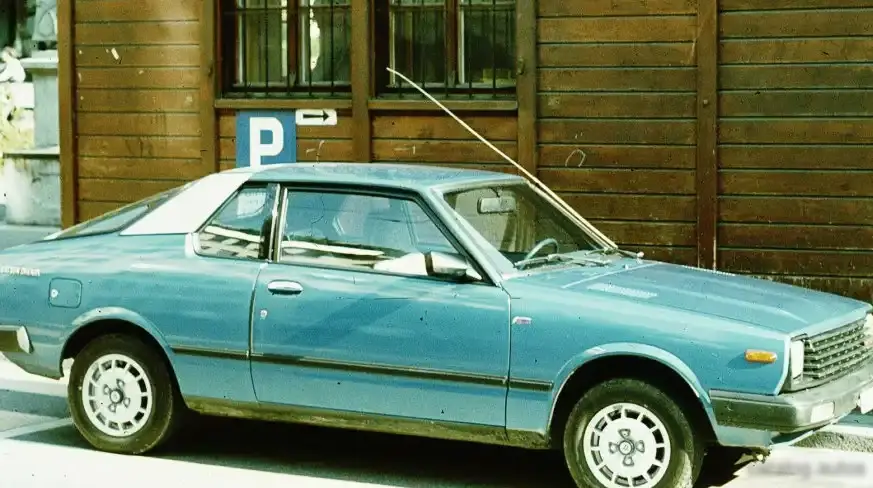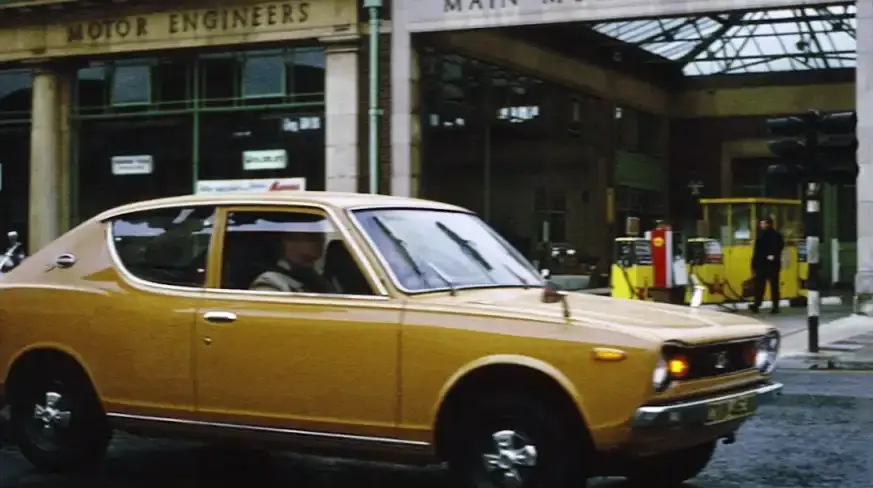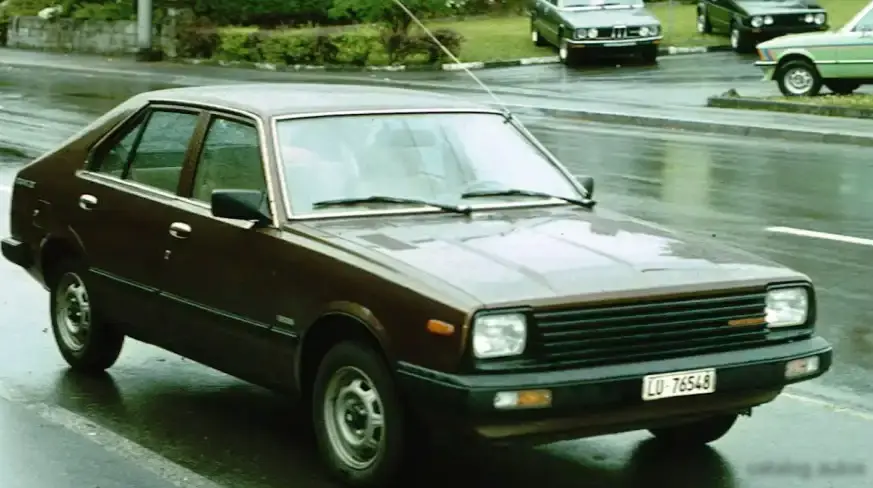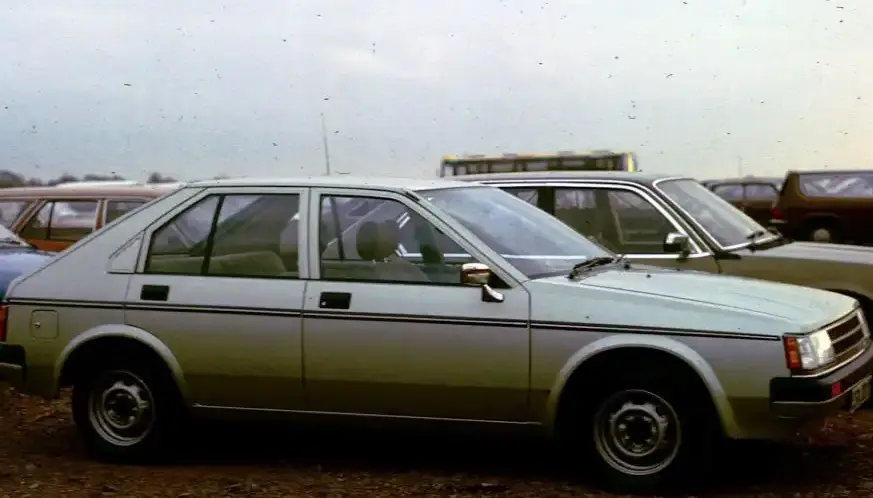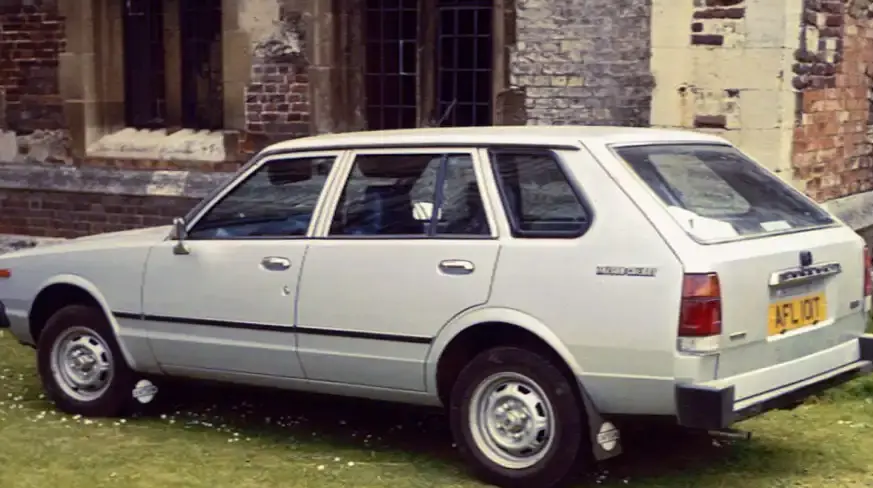
The Nissan Cherry Traveller (VN10) 1.2, produced between 1978 and 1981, represents a practical and economical station wagon variant of Nissan’s popular Cherry model. Positioned as an entry-level family vehicle, the Traveller aimed to provide affordable transportation with increased cargo capacity compared to the standard Cherry sedan. It was primarily marketed in Europe and Japan, offering a budget-friendly alternative in the small family car segment. The VN10 designation refers to the chassis code for this generation of the Cherry, and the 1.2 indicates the engine displacement. This model played a significant role in establishing Nissan’s presence in the European market, offering a compelling package of practicality and reliability.
Technical Specifications
| Brand | Nissan |
| Model | Cherry |
| Generation | Cherry Traveller (VN10) |
| Type (Engine) | 1.2 (52 Hp) |
| Start of production | 1978 |
| End of production | 1981 |
| Powertrain Architecture | Internal Combustion Engine |
| Body type | Station Wagon (Estate) |
| Fuel Type | Petrol (Gasoline) |
| Power | 52 Hp |
| Engine Aspiration | Naturally Aspirated |
Powertrain & Engine Architecture
The Nissan Cherry Traveller 1.2 was powered by the A12 engine, a 1.2-liter (1189cc) inline-four cylinder petrol engine. This engine, a staple in Nissan’s early offerings, was known for its simplicity and durability. The A12 featured a single overhead camshaft (SOHC) valvetrain, operating two valves per cylinder. Fuel delivery was managed by a carburetor, a common feature for vehicles of this era, rather than fuel injection. The carburetor provided adequate fuel atomization for the engine’s modest power output. The engine’s design prioritized fuel economy and reliability over outright performance. The VN10 Traveller utilized a four-speed manual transmission as standard, although a three-speed automatic transmission was offered as an option. The automatic transmission, while providing ease of use, did impact fuel economy and acceleration compared to the manual version. The engine block was constructed from cast iron, contributing to its robustness, while the cylinder head was made of aluminum alloy to reduce weight.
Driving Characteristics
The 52 horsepower output of the 1.2-liter engine resulted in modest, but adequate, performance for everyday driving. Acceleration was not a strong point, and overtaking maneuvers required careful planning. The VN10 Traveller was geared towards practicality and fuel efficiency rather than sporty driving. The manual transmission allowed for better control and slightly improved acceleration, while the automatic transmission provided a smoother, more relaxed driving experience, particularly in urban environments. The gear ratios in the manual transmission were relatively long, prioritizing fuel economy at cruising speeds. The automatic transmission, with its fewer gears, resulted in a noticeable drop in engine RPM during acceleration, leading to a less responsive feel. The suspension, consisting of independent front suspension with MacPherson struts and a leaf spring rear suspension, provided a comfortable ride, although it wasn’t particularly sporty. The steering was relatively light, making it easy to maneuver in tight spaces.
Equipment & Trim Levels
The Nissan Cherry Traveller 1.2 was typically offered in a single, fairly basic trim level, reflecting its position as an entry-level vehicle. Standard equipment included cloth upholstery, vinyl floor covering, and basic instrumentation consisting of a speedometer, fuel gauge, and temperature gauge. The steering wheel was made of plastic, and the interior trim was functional rather than luxurious. Optional extras were limited, but could include a radio, heater, and upgraded seat upholstery. The exterior featured simple steel wheels with hubcaps, and chrome trim was minimal. The rear tailgate offered a relatively large opening for easy loading and unloading of cargo. The rear seats could be folded down to increase cargo space, providing added versatility. The dashboard layout was straightforward and easy to use, with clearly labeled controls.
Chassis & Braking
The VN10 Cherry Traveller utilized a body-on-frame construction, which was common for vehicles of this era. This construction method contributed to the vehicle’s durability but also added to its weight. The front suspension featured independent MacPherson struts, providing a reasonable level of ride comfort and handling. The rear suspension employed a leaf spring setup, which was simpler and more robust but less refined than independent suspension. Braking was provided by drum brakes on all four wheels, which were adequate for the vehicle’s weight and performance. Power steering was not available on the 1.2-liter model, requiring more effort at low speeds. The chassis was designed to prioritize stability and durability over sporty handling. The relatively narrow tires contributed to a comfortable ride but limited grip in cornering situations.
Market Reception & Comparison
The Nissan Cherry Traveller 1.2 was generally well-received as a practical and affordable family vehicle. Critics praised its fuel economy and reliability, but noted its lack of performance. Compared to other small station wagons of the time, such as the Ford Escort Estate or the Vauxhall Astra Estate, the Cherry Traveller offered a more economical option, but with less power and refinement. The 1.2-liter engine was considered adequate for urban driving, but struggled on long highway journeys or when fully loaded with passengers and cargo. The automatic transmission, while convenient, further reduced performance and increased fuel consumption. The manual transmission version offered a better balance of performance and economy. The Cherry Traveller’s simple design and robust construction contributed to its good reliability record.
Legacy
The Nissan Cherry Traveller (VN10) 1.2, while not a performance icon, holds a significant place in Nissan’s history as a pioneering model in the European market. The A12 engine proved to be remarkably durable, and many examples of the VN10 Traveller are still on the road today, testament to its robust construction. In the used car market, these vehicles are often sought after by enthusiasts looking for a classic, affordable, and reliable vehicle. Maintenance is relatively straightforward due to the engine’s simple design, and spare parts are still reasonably available. The VN10 Traveller represents a bygone era of automotive engineering, prioritizing practicality, reliability, and affordability over outright performance and luxury. It remains a charming and functional classic car for those seeking a simple and economical mode of transportation.