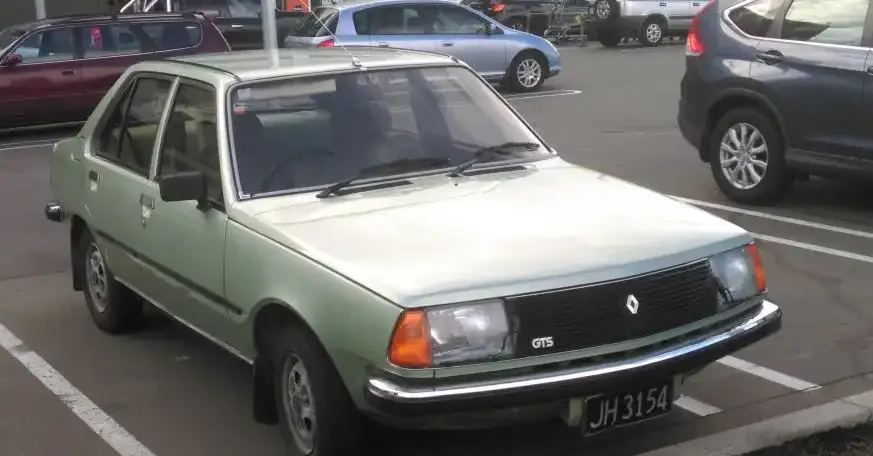
The Renault 18 Variable (135) 1.6 TS, produced between 1982 and 1986, represents a significant offering in the compact family car segment for Renault. Specifically, the “Variable” designation denoted the estate (station wagon) body style, offering increased practicality compared to the saloon version. This 1.6 TS trim level, with its 97 horsepower engine, occupied a mid-range position within the 18 lineup, aiming to balance performance with affordability. It was a key model for Renault in Europe, competing with vehicles like the Ford Escort Estate and Peugeot 305 Break, offering a blend of French comfort and practicality. The 135 chassis code refers to the estate body style.
Technical Specifications
| Brand | Renault |
| Model | 18 |
| Generation | 18 Variable (135) |
| Type (Engine) | 1.6 TS (97 Hp) |
| Start of Production | 1982 |
| End of Production | 1986 |
| Powertrain Architecture | Internal Combustion Engine |
| Body Type | Station Wagon (Estate) |
| Fuel Type | Petrol (Gasoline) |
| Power | 97 Hp |
| Engine Model/Code | 843 |
| Engine Aspiration | Naturally Aspirated |
| Engine Oil Capacity | 4.3 l (4.54 US qt | 3.78 UK qt) |
| Coolant Capacity | 6.3 l (6.66 US qt | 5.54 UK qt) |
| Fuel Tank Capacity | 57 l (15.06 US gal | 12.54 UK gal) |
Powertrain & Engine Architecture
The Renault 18 1.6 TS utilized the Renault 843 engine, a 1.6-liter inline-four cylinder petrol engine. This engine was a relatively conventional design for the early 1980s, featuring a cast iron block and an aluminum cylinder head. It employed a single overhead camshaft (SOHC) valvetrain, operating two valves per cylinder. Fuel delivery was managed by a Bosch mechanical fuel injection system, a step up from carburation offering improved fuel efficiency and emissions control compared to earlier Renault models. The 843 engine produced 97 horsepower at approximately 6000 rpm and 132 Nm (97 lb-ft) of torque at 4000 rpm. The engine was known for its relatively smooth operation and decent mid-range power. The transmission paired with the 1.6 TS was typically a four-speed automatic gearbox. This automatic transmission, while providing convenience, was not particularly advanced, featuring a traditional torque converter design. It was chosen to appeal to buyers prioritizing ease of driving over outright performance.
Driving Characteristics
The Renault 18 1.6 TS Automatic offered a comfortable, if not particularly sporty, driving experience. The automatic transmission, while smooth, did detract from the engine’s potential. Acceleration was adequate for everyday driving, with a 0-60 mph time estimated around 12-13 seconds. The gear ratios were geared towards fuel economy and relaxed cruising rather than rapid acceleration. Compared to the five-speed manual version of the 1.6 TS, the automatic suffered a noticeable performance penalty. The manual transmission allowed the engine to rev more freely, resulting in quicker acceleration and a more engaging driving experience. The suspension, tuned for comfort, provided a reasonably smooth ride, absorbing bumps and imperfections in the road surface effectively. However, this came at the expense of handling precision; the car exhibited noticeable body roll in corners. Steering was light and easy, making it well-suited for urban driving.
Equipment & Trim Levels
The 1.6 TS trim level of the Renault 18 Variable offered a reasonable level of equipment for its time. Standard features typically included cloth upholstery, a basic instrument cluster with speedometer, fuel gauge, and temperature gauge, and a two-spoke steering wheel. The estate body style naturally provided a large cargo area, making it a practical choice for families. Optional extras included a sunroof, upgraded stereo system, and power windows. Interior trim was generally functional and durable, reflecting the car’s focus on practicality. The dashboard layout was straightforward and easy to use, with all essential controls within easy reach of the driver. The 1.6 TS sat in the middle of the range, above the base models and below the more luxurious and powerful versions.
Chassis & Braking
The Renault 18 Variable utilized a relatively simple chassis design. It featured independent front suspension with MacPherson struts and a torsion beam rear suspension. The front suspension provided a comfortable ride and reasonable handling, while the rear torsion beam kept costs down and offered adequate stability. Braking was typically accomplished with disc brakes on the front wheels and drum brakes on the rear wheels. This configuration was common for cars in this price range during the 1980s. The braking system was adequate for normal driving conditions, but lacked the stopping power of more modern systems. Stabilizer bars were fitted to both the front and rear axles to reduce body roll, but their effectiveness was limited by the car’s overall weight and suspension design.
Market Reception & Comparison
The Renault 18 Variable 1.6 TS was generally well-received by automotive critics as a practical and affordable family car. It was praised for its spacious interior, comfortable ride, and relatively fuel-efficient engine. However, the automatic transmission was often criticized for its sluggish performance. Compared to the manual version, the automatic offered less driver engagement and slower acceleration. Fuel economy was respectable for the time, averaging around 28-32 mpg in mixed driving conditions. Reliability was generally good, although the Bosch fuel injection system could occasionally require maintenance. The 1.6 TS offered a good compromise between performance and economy, making it a popular choice for families and commuters. It was often seen as a more sensible alternative to the more powerful, but also more expensive, Renault 18 Gordini.
Legacy
The Renault 18, and specifically the 1.6 TS Automatic estate, has become a relatively sought-after classic car in recent years. While not as iconic as some of its contemporaries, it represents a well-built and practical French car from the 1980s. The 843 engine is known for its durability, and many examples are still on the road today. However, finding parts can be challenging, as some components are now obsolete. The automatic transmission, while reliable, is not as highly regarded as the manual gearbox. In the used car market, well-maintained examples of the 18 1.6 TS Automatic can fetch reasonable prices, appealing to enthusiasts and collectors looking for a classic French estate car. Its enduring appeal lies in its blend of practicality, comfort, and affordability, making it a representative example of 1980s family motoring.