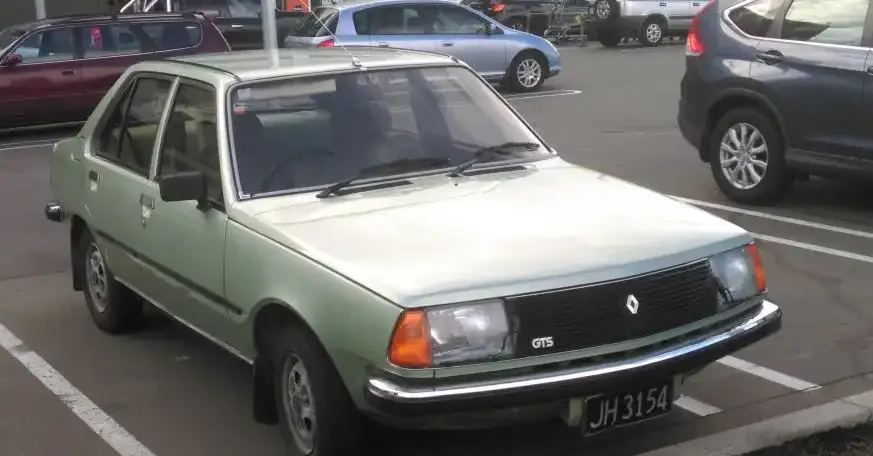
The Renault 18 Variable (135) 2.0 4×4, produced between 1983 and 1986, represents a unique and relatively rare variant within the broader Renault 18 range. Positioned as a practical, all-wheel-drive station wagon (estate), it aimed to provide enhanced versatility and capability for drivers needing to tackle varied road conditions. This model was primarily marketed in Europe, where the demand for all-wheel-drive vehicles, particularly in estate body styles, was growing. It occupied a niche position, offering a blend of family practicality and off-pavement ability not commonly found in its class at the time. The “Variable” designation referred to the trim level, indicating a higher level of equipment compared to the base models.
Technical Specifications
| Brand | Renault |
| Model | 18 |
| Generation | 18 Variable (135) |
| Type (Engine) | 2.0 (104 Hp) 4×4 |
| Start of production | 1983 |
| End of production | 1986 |
| Powertrain Architecture | Internal Combustion engine |
| Body type | Station wagon (estate) |
| Fuel Type | Petrol (Gasoline) |
| Power | 104 Hp |
| Engine Model/Code | J6R 714-5 |
| Engine aspiration | Naturally aspirated engine |
| Engine oil capacity | 5.5 l (5.81 US qt | 4.84 UK qt) |
| Coolant capacity | 8 l (8.45 US qt | 7.04 UK qt) |
| Fuel tank capacity | 57 l (15.06 US gal | 12.54 UK gal) |
Powertrain & Engine Architecture
The Renault 18 Variable (135) 4×4 was powered by the J6R 714-5 engine, a 1995cc, naturally aspirated inline-four cylinder gasoline engine. This engine featured a cast iron block and an aluminum cylinder head. It utilized a single overhead camshaft (SOHC) valvetrain, operating two valves per cylinder. Fuel delivery was managed by a Bosch mechanical fuel injection system, a common setup for European vehicles of this era. While not as sophisticated as later electronic fuel injection systems, it provided reliable and reasonably efficient operation. The engine produced 104 horsepower at approximately 5,800 rpm and 138 Nm (102 lb-ft) of torque at 3,500 rpm. The engine’s design prioritized durability and ease of maintenance over outright performance.
The drivetrain is where this variant truly distinguished itself. Renault employed a viscous coupling-based all-wheel-drive system. Under normal driving conditions, the majority of the power was sent to the front wheels. However, when wheel slip was detected at the front, the viscous coupling would progressively transfer torque to the rear wheels, providing enhanced traction. The transmission was a four-speed manual gearbox, chosen for its robustness and suitability for the all-wheel-drive system. An automatic transmission was not offered with this specific 4×4 configuration.
Driving Characteristics
The Renault 18 2.0 4×4 offered a noticeably different driving experience compared to its front-wheel-drive siblings. The all-wheel-drive system provided significantly improved grip, particularly on loose surfaces like gravel, snow, or mud. However, the added weight of the 4×4 components and the viscous coupling did impact performance slightly. Acceleration was adequate, but not particularly brisk, with a 0-60 mph time estimated around 11-12 seconds. The four-speed gearbox, while durable, had relatively widely spaced gear ratios, which could necessitate frequent shifting to maintain optimal engine speed. The steering felt heavier than the front-wheel-drive models, due to the added drivetrain components. The suspension, tuned for a balance of comfort and stability, provided a reasonably compliant ride, even on uneven roads. The car wasn’t designed for aggressive cornering, but it offered predictable handling within its limits.
Equipment & Trim Levels
The “Variable” trim level placed the 4×4 model in the mid-range of the Renault 18 lineup. Standard equipment included cloth upholstery, a basic stereo system, and power-assisted steering. The dashboard featured a straightforward layout with analog gauges for speed, engine temperature, fuel level, and a clock. Optional extras included a sunroof, upgraded stereo systems, and metallic paint finishes. The interior was functional and durable, reflecting the car’s practical orientation. The 4×4 models often featured reinforced suspension components and underbody protection to withstand the demands of off-road use.
Chassis & Braking
The Renault 18 4×4 utilized a conventional chassis design with independent front suspension and a solid rear axle. The front suspension employed MacPherson struts, while the rear featured coil springs and trailing arms. The brakes were disc brakes at the front and drum brakes at the rear. The braking system was adequate for the car’s weight and performance, but lacked the sophistication of more modern systems. Stabilizer bars were fitted to both the front and rear axles to reduce body roll during cornering. The all-wheel-drive system added significant weight to the vehicle, requiring a slightly more robust suspension setup compared to the front-wheel-drive models.
Market Reception & Comparison
The Renault 18 4×4 received generally positive reviews from automotive journalists. Critics praised its all-weather capability and practicality, but noted that its performance was not as exciting as some of its rivals. Compared to other station wagons of the time, such as the Volvo 245 or the Audi 80 Avant, the Renault 18 4×4 offered a more affordable entry point into the all-wheel-drive estate car market. However, it lacked the prestige and refinement of the German competitors. Fuel economy was reasonable for a vehicle of its type and era, averaging around 25-30 mpg. Reliability was generally good, although the viscous coupling in the all-wheel-drive system could require periodic maintenance or replacement.
Legacy
The Renault 18 4×4, while not a high-volume seller, holds a special place in the history of the Renault 18 range. It demonstrated Renault’s ability to produce a capable and practical all-wheel-drive vehicle. Today, these cars are relatively rare and sought after by collectors and enthusiasts. The J6R engine is known for its durability, and well-maintained examples can still provide reliable transportation. Parts availability can be a challenge, but many components are still available through specialist suppliers. The Renault 18 4×4 represents a unique blend of practicality, capability, and affordability, making it a distinctive and memorable vehicle from the 1980s.