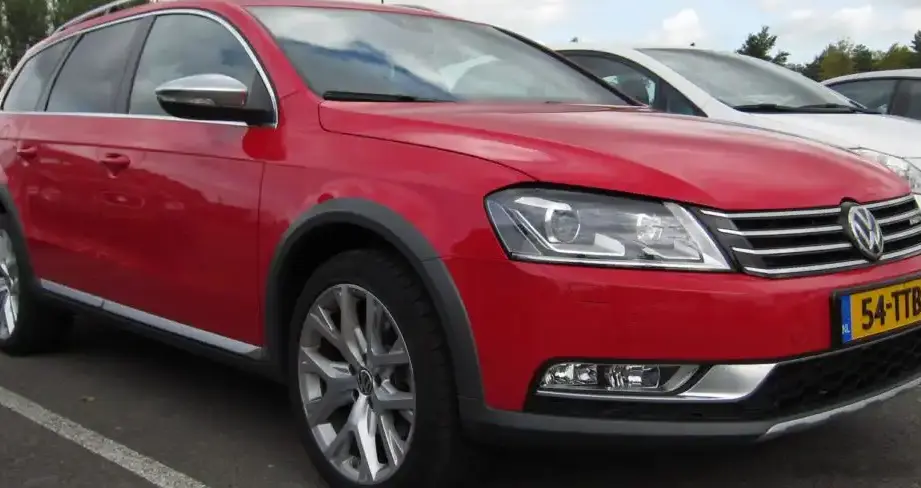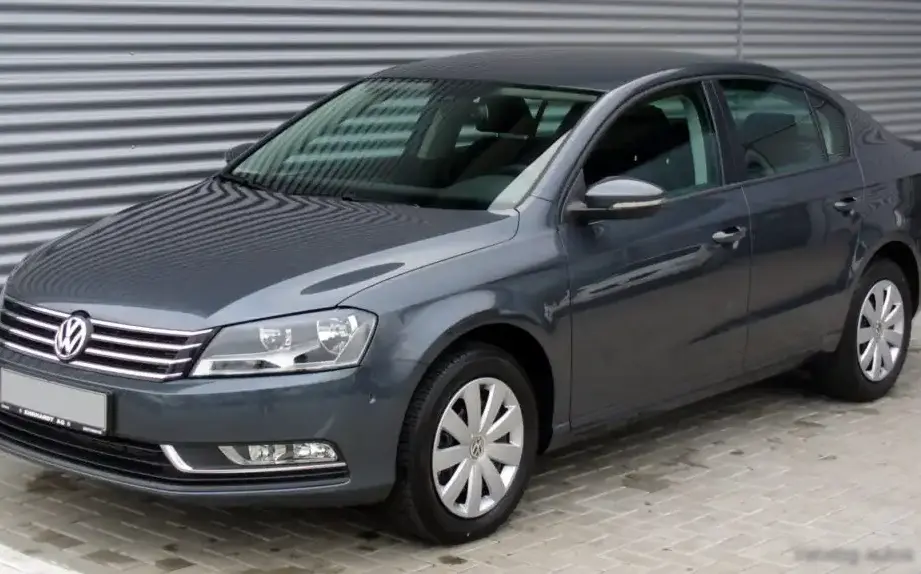
The Volkswagen Passat (B7) 2.0 TDI BMT with 170 horsepower and a Direct-Shift Gearbox (DSG) represents a significant iteration of Volkswagen’s popular mid-size sedan. Produced from 2010 to 2012, this variant occupied a key position in the B7 Passat lineup, offering a balance of fuel efficiency, performance, and technology. It was primarily marketed in Europe, where diesel engines and dual-clutch transmissions were highly favored, though limited numbers were available in other markets. The B7 generation itself was a comprehensive revision of the B6, featuring updated styling, improved interior quality, and enhanced technology.
Technical Specifications
| Brand | Volkswagen |
| Model | Passat |
| Generation | Passat (B7) |
| Type (Engine) | 2.0 TDI BMT (170 Hp) DSG |
| Start of production | 2010 |
| End of production | 2012 |
| Powertrain Architecture | Internal Combustion engine |
| Body type | Sedan |
| Seats | 5 |
| Doors | 4 |
| Fuel consumption (economy) – urban (NEDC) | 6.3 l/100 km (37.3 US mpg, 44.8 UK mpg, 15.9 km/l) |
| Fuel consumption (economy) – extra urban (NEDC) | 4.6 l/100 km (51.1 US mpg, 61.4 UK mpg, 21.7 km/l) |
| Fuel consumption (economy) – combined (NEDC) | 5.3 l/100 km (44.4 US mpg, 53.3 UK mpg, 18.9 km/l) |
| CO2 emissions (NEDC) | 139 g/km |
| Fuel Type | Diesel |
| Acceleration 0 – 100 km/h | 8.6 sec |
| Acceleration 0 – 62 mph | 8.6 sec |
| Acceleration 0 – 60 mph | 8.2 sec |
| Maximum speed | 223 km/h (138.57 mph) |
| Emission standard | Euro 5 |
| Weight-to-power ratio | 8.9 kg/Hp, 112.1 Hp/tonne |
| Weight-to-torque ratio | 4.3 kg/Nm, 230.9 Nm/tonne |
| Power | 170 Hp @ 4200 rpm |
| Power per litre | 86.4 Hp/l |
| Torque | 350 Nm @ 1750-2500 rpm (258.15 lb.-ft. @ 1750-2500 rpm) |
| Engine layout | Front, Transverse |
| Engine Model/Code | EA189 / CFGB |
| Engine displacement | 1968 cm3 (120.09 cu. in.) |
| Number of cylinders | 4 |
| Engine configuration | Inline |
| Cylinder Bore | 81 mm (3.19 in.) |
| Piston Stroke | 95.5 mm (3.76 in.) |
| Compression ratio | 16:1 |
| Number of valves per cylinder | 4 |
| Fuel injection system | Diesel Commonrail |
| Engine aspiration | Turbocharger, Intercooler |
| Valvetrain | DOHC |
| Engine oil capacity | 4.3 l (4.54 US qt | 3.78 UK qt) |
| Kerb Weight | 1516 kg (3342.21 lbs.) |
| Max. weight | 2130 kg (4695.85 lbs.) |
| Max load | 614 kg (1353.64 lbs.) |
| Trunk (boot) space – minimum | 565 l (19.95 cu. ft.) |
| Fuel tank capacity | 70 l (18.49 US gal | 15.4 UK gal) |
| Length | 4769 mm (187.76 in.) |
| Width | 1820 mm (71.65 in.) |
| Width including mirrors | 2062 mm (81.18 in.) |
| Height | 1470 mm (57.87 in.) |
| Wheelbase | 2712 mm (106.77 in.) |
| Front track | 1552 mm (61.1 in.) |
| Rear (Back) track | 1551 mm (61.06 in.) |
| Number of gears and type of gearbox | 6 gears, automatic transmission DSG |
Powertrain & Engine Architecture
The heart of this Passat variant is the 2.0-liter four-cylinder diesel engine, specifically the EA189 series, designated CFGB. This engine utilizes a common rail direct injection system, delivering fuel at extremely high pressures for optimized combustion. The engine features a turbocharger with an intercooler, boosting power output and improving efficiency. The ‘BMT’ designation stands for ‘BlueMotion Technology,’ indicating the inclusion of fuel-saving features like start-stop functionality and optimized aerodynamics. The engine’s DOHC (Double Overhead Camshaft) valvetrain, with four valves per cylinder, further enhances breathing and performance. The DSG (Direct-Shift Gearbox) is a six-speed dual-clutch transmission. It offers the efficiency of a manual gearbox with the convenience of an automatic, providing quick and smooth gear changes.
Driving Characteristics
The 170 hp 2.0 TDI BMT with DSG delivers a respectable driving experience. Acceleration from 0-60 mph takes approximately 8.2 seconds, and the car reaches a top speed of 138.57 mph. The DSG transmission contributes to responsive acceleration, and the engine’s 350 Nm (258 lb-ft) of torque, available from 1750-2500 rpm, provides ample pulling power for everyday driving and overtaking. Compared to the lower-powered 1.6 TDI Passats, this variant offers significantly more performance. However, it doesn’t match the outright speed of the higher-spec 2.0 TDI models with more aggressive tuning. The DSG transmission, while efficient, can sometimes exhibit slight hesitation at low speeds, a characteristic common to early DSG units.
Equipment & Trim Levels
The 2.0 TDI BMT with DSG typically came equipped as a mid-range trim level. Standard features often included air conditioning, a CD/MP3 stereo system, alloy wheels, and electric windows. Higher trim levels added features like leather upholstery, a touchscreen infotainment system, parking sensors, and automatic climate control. Optional extras included a sunroof, navigation system, and upgraded sound system. Interior upholstery was typically cloth, with leather available as an upgrade. The dashboard layout was functional and well-built, reflecting Volkswagen’s reputation for interior quality.
Chassis & Braking
The B7 Passat featured an independent suspension setup, with McPherson struts at the front and a multi-link system at the rear. This configuration provided a comfortable ride and good handling characteristics. The front brakes were ventilated discs, while the rear brakes were typically solid discs, although some models featured rear drums depending on the specific market and trim level. Anti-lock Braking System (ABS) was standard. Stabilizer bars were fitted to both the front and rear axles to reduce body roll during cornering.
Market Reception & Comparison
The 2.0 TDI BMT with DSG was generally well-received by automotive critics. It was praised for its fuel efficiency, comfortable ride, and refined engine. Fuel economy figures of around 44.4 US mpg combined were considered excellent for a vehicle of its size. Compared to the 1.6 TDI Passat, the 2.0 TDI offered a noticeable performance improvement, making it a more appealing option for drivers who frequently travel long distances or carry passengers. However, some critics noted that the DSG transmission could be slightly jerky at low speeds. Reliability was generally good, although early DSG units were known to require occasional maintenance.
Legacy
The 2.0 TDI BMT with DSG Passat (B7) remains a popular choice in the used car market. The EA189 engine, while subject to some emissions-related recalls, is generally considered durable and reliable when properly maintained. The DSG transmission, if serviced regularly, can provide years of trouble-free operation. These Passats offer a compelling combination of fuel efficiency, comfort, and practicality, making them a sensible choice for buyers seeking a well-rounded mid-size sedan. However, potential buyers should be aware of the potential for DSG maintenance and the importance of checking the vehicle’s service history.