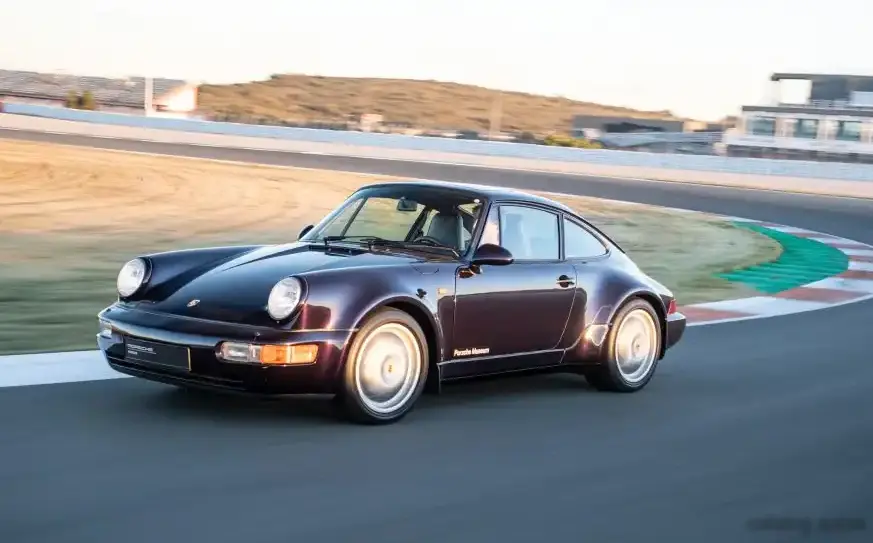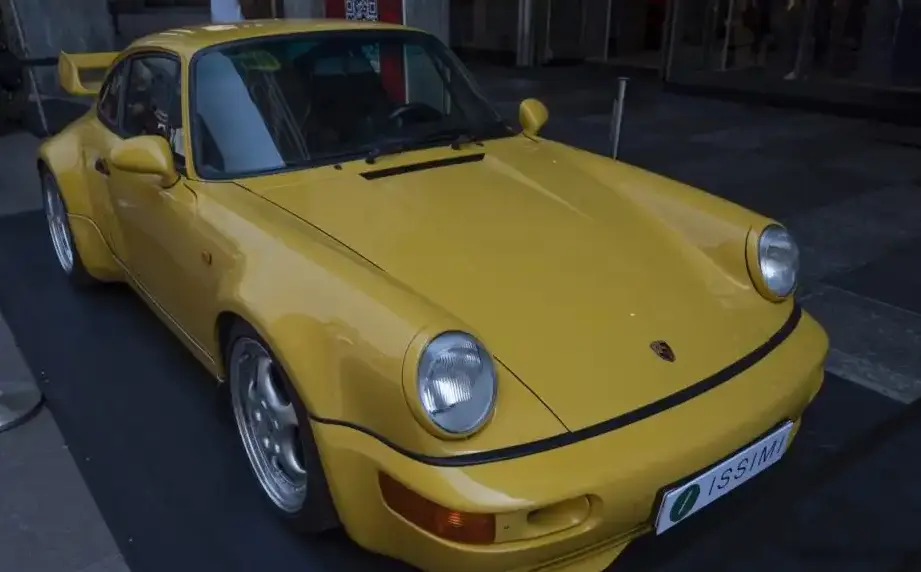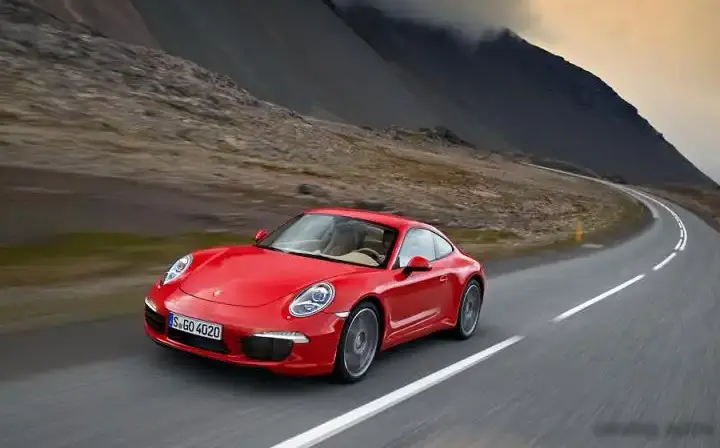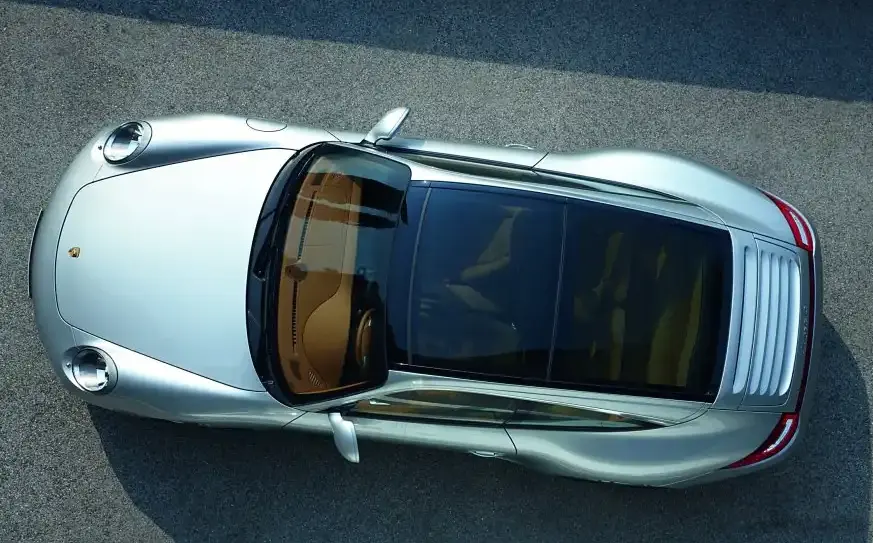
The Porsche 911 Targa 4 3.6, equipped with the Porsche Doppelkupplung (PDK) dual-clutch transmission, represents a compelling blend of open-air motoring and all-weather capability within the iconic 911 lineage. Produced from 2008 to 2013 as part of the 997 generation’s facelift, this variant occupied a premium position in the Targa lineup, offering a significant step up in performance and technology compared to base Carrera models. It catered to buyers seeking the unique Targa experience – a retractable roof section providing an open-top feel – combined with the security and stability of Porsche’s all-wheel-drive system. This model year saw significant revisions to the 997, including direct fuel injection and an updated interior, enhancing both performance and refinement.
| Brand | Porsche |
| Model | 911 |
| Generation | 911 Targa (997, facelift 2008) |
| Type | Targa 4 3.6 (345 Hp) PDK |
| Start of production | 2008 |
| End of production | 2013 |
| Powertrain Architecture | Internal Combustion engine |
| Body type | Targa |
| Seats | 4 |
| Doors | 2 |
| Fuel consumption (urban) | 15.5 l/100 km (15.2 US mpg, 18.2 UK mpg, 6.5 km/l) |
| Fuel consumption (extra urban) | 7.4 l/100 km (31.8 US mpg, 38.2 UK mpg, 13.5 km/l) |
| Fuel consumption (combined) | 10.3 l/100 km (22.8 US mpg, 27.4 UK mpg, 9.7 km/l) |
| CO2 emissions | 242 g/km |
| Fuel Type | Petrol (Gasoline) |
| Acceleration 0 – 100 km/h | 5 sec |
| Acceleration 0 – 62 mph | 5 sec |
| Acceleration 0 – 60 mph | 4.8 sec |
| Maximum speed | 282 km/h (175.23 mph) |
| Emission standard | Euro 5 |
| Weight-to-power ratio | 4.5 kg/Hp, 221.2 Hp/tonne |
| Weight-to-torque ratio | 4 kg/Nm, 250 Nm/tonne |
| Power | 345 Hp @ 6500 rpm |
| Power per litre | 95.5 Hp/l |
| Torque | 390 Nm @ 4400 rpm (287.65 lb.-ft. @ 4400 rpm) |
| Engine layout | Front, Transverse |
| Engine Model/Code | MA1.02 |
| Engine displacement | 3614 cm3 (220.54 cu. in.) |
| Number of cylinders | 6 |
| Engine configuration | Boxer |
| Compression ratio | 12.5:1 |
| Number of valves per cylinder | 4 |
| Fuel injection system | Direct injection |
| Engine oil capacity | 7.5 l (7.93 US qt | 6.6 UK qt) |
| Coolant capacity | 28.9 l (30.54 US qt | 25.43 UK qt) |
| Kerb Weight | 1560 kg (3439.21 lbs.) |
| Max. weight | 1940 kg (4276.97 lbs.) |
| Max load | 380 kg (837.76 lbs.) |
| Trunk (boot) space – maximum | 105 l (3.71 cu. ft.) |
| Fuel tank capacity | 67 l (17.7 US gal | 14.74 UK gal) |
| Length | 4435 mm (174.61 in.) |
| Width | 1852 mm (72.91 in.) |
| Height | 1310 mm (51.57 in.) |
| Wheelbase | 2350 mm (92.52 in.) |
| Drag coefficient (Cd) | 0.30 |
| Minimum turning circle | 10.9 m (35.76 ft.) |
| Drive wheel | All wheel drive (4×4) |
| Number of gears | 7 |
| Gearbox type | automatic transmission PDK |
| Front suspension | Independent type McPherson |
| Rear suspension | Independent multi-link suspension |
| Front brakes | Ventilated discs, 330 mm |
| Rear brakes | Ventilated discs, 330 mm |
| Assisting systems | ABS (Anti-lock braking system) |
| Steering type | Steering rack and pinion |
| Power steering | Hydraulic Steering |
| Tires size | 235/40 ZR18; 295/35 ZR18 |
| Wheel rims size | 8J x 18; 11J x 18 |
Powertrain & Engine Architecture
At the heart of the 911 Targa 4 3.6 PDK lies the MA1.02 engine, a 3.6-liter naturally aspirated flat-six. This engine benefited from Porsche’s advancements in direct fuel injection (DFI) during the 997 facelift, improving both power delivery and fuel efficiency. The DFI system precisely meters fuel directly into the combustion chamber, optimizing combustion and reducing knocking. The engine utilizes a four-valve-per-cylinder configuration and a relatively high 12.5:1 compression ratio, contributing to its spirited performance. The engine produces 345 horsepower at 6500 rpm and 390 Nm (287.65 lb-ft) of torque at 4400 rpm. The PDK transmission, a seven-speed dual-clutch unit, is a crucial component of this variant. It offers incredibly fast and smooth gear changes, both in automatic and manual modes, enhancing both acceleration and driving engagement. Unlike traditional automatics, the PDK utilizes two separate clutches – one for even-numbered gears and one for odd-numbered gears – allowing for pre-selection of the next gear and virtually seamless shifts.
Driving Characteristics
The 911 Targa 4 3.6 PDK delivers a refined yet engaging driving experience. The all-wheel-drive system provides excellent traction, particularly in inclement weather, making it a more usable sports car than rear-wheel-drive counterparts. The PDK transmission contributes to brisk acceleration, with 0-60 mph times around 4.8 seconds. While not as brutally fast as the 911 Turbo or GT3 models, the Targa 4 3.6 offers ample power for spirited driving on both the road and track. The PDK’s gear ratios are optimized for a balance of acceleration and fuel economy. In automatic mode, the transmission intelligently selects gears based on driving conditions and throttle input. Paddle shifters allow the driver to take manual control, providing a more involved driving experience. Compared to the standard 911 Carrera with a manual transmission, the Targa 4 PDK feels slightly more relaxed and easier to drive in everyday situations, thanks to the convenience of the automatic gearbox.
Equipment & Trim Levels
The Targa 4 3.6 PDK came standard with a generous array of features, befitting its premium positioning. Standard equipment included leather upholstery, automatic climate control, a Bose sound system, and bi-xenon headlights. The Targa’s defining feature, of course, was its retractable glass roof section, which could be opened or closed electrically. Optional extras were plentiful, allowing buyers to personalize their vehicles. Popular options included sport seats, a navigation system, a sunroof, and various interior trim packages. The Targa 4 3.6 typically featured a more luxurious interior than the base Carrera, with higher-quality materials and more extensive sound deadening.
Chassis & Braking
The 911 Targa 4 3.6 utilizes a sophisticated chassis design, featuring independent suspension at all four corners. The front suspension employs McPherson struts, while the rear utilizes a multi-link setup. This configuration provides a comfortable ride while maintaining excellent handling characteristics. The all-wheel-drive system distributes power between the front and rear axles, optimizing traction and stability. Braking duties are handled by ventilated disc brakes at all four corners. The braking system is powerful and provides excellent stopping performance. ABS (Anti-lock Braking System) is standard, enhancing safety and control during hard braking. The Targa 4 3.6 typically featured slightly larger brakes than the base Carrera models to accommodate the increased weight and performance.
Market Reception & Comparison
The 911 Targa 4 3.6 PDK was generally well-received by automotive critics. It was praised for its blend of performance, comfort, and practicality. The PDK transmission was lauded for its smoothness and speed, while the all-wheel-drive system was appreciated for its added security. Compared to the rear-wheel-drive Carrera models, the Targa 4 offered a more confident driving experience in adverse conditions. Fuel economy was respectable for a high-performance sports car, but not exceptional. Reliability was generally good, although some owners reported minor issues with the PDK transmission. The Targa 4 3.6 was positioned above the base Carrera and Carrera S in terms of price and performance, but below the more focused Turbo and GT3 models.
Legacy
The Porsche 911 Targa 4 3.6 PDK has proven to be a durable and reliable sports car. The MA1.02 engine is known for its longevity, and the PDK transmission, while complex, has generally held up well over time. On the used car market, these models command a premium compared to base Carrera models, reflecting their added features and all-wheel-drive capability. They remain a popular choice for enthusiasts seeking a unique and engaging driving experience. The 997 generation Targa, and particularly the 4 3.6 PDK variant, represents a sweet spot in the 911 lineage, offering a compelling combination of performance, style, and usability.