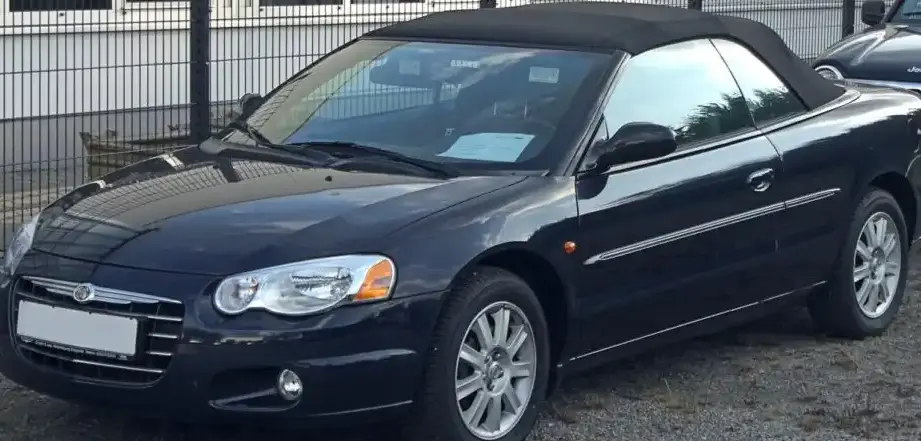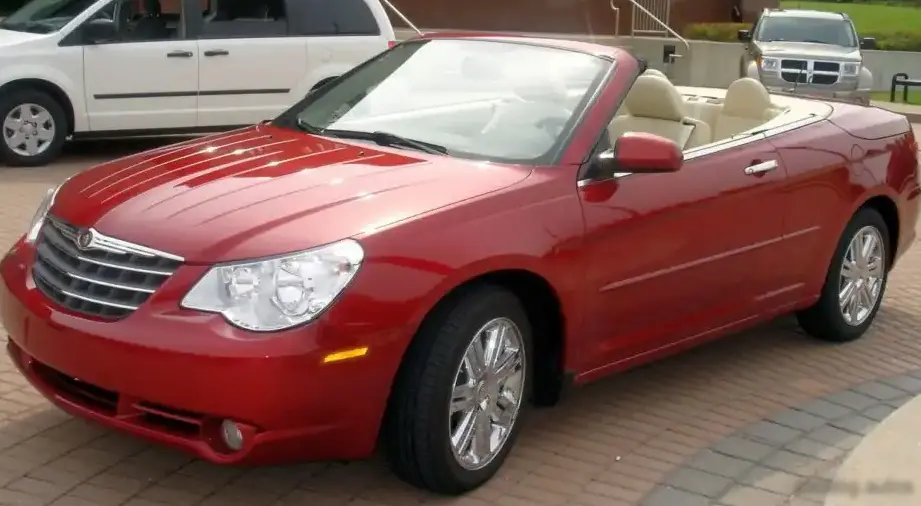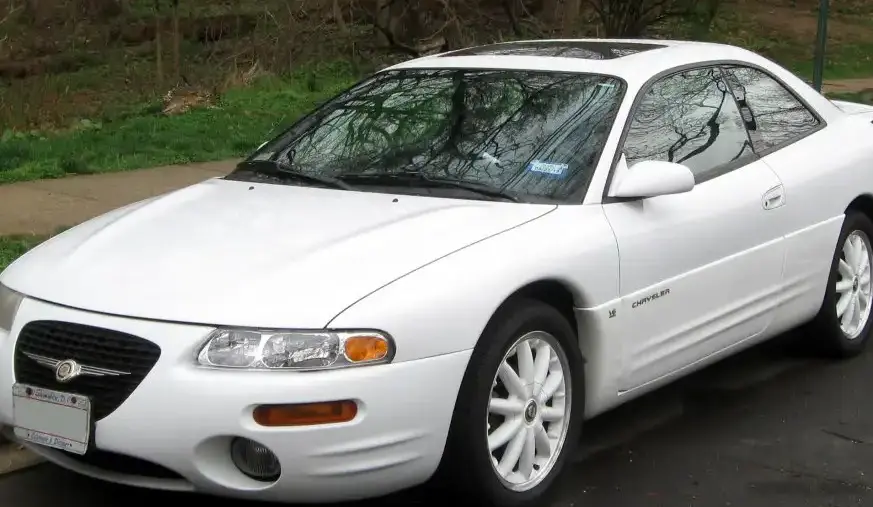
The Chrysler Sebring Coupe (FJ) 2.0i 16V Automatic, produced between 1994 and 2000, represented a significant offering in the American market’s burgeoning coupe segment. Positioned as a stylish and relatively affordable option, it was part of the first generation (FJ) Sebring lineup, which aimed to revitalize Chrysler’s image with a more modern design. This particular variant, equipped with the 2.0-liter inline-four engine and a four-speed automatic transmission, served as a mid-range offering, bridging the gap between the base models and the more powerful V6 options. The Sebring Coupe was built on Chrysler’s JA platform, shared with the Dodge Avenger, and was intended to appeal to buyers seeking a sporty-looking vehicle with a comfortable ride.
Technical Specifications
| Brand | Chrysler |
| Model | Sebring |
| Generation | Sebring Coupe (FJ) |
| Type (Engine) | 2.0 i 16V (147 Hp) Automatic |
| Start of production | 1994 |
| End of production | 2000 |
| Powertrain Architecture | Internal Combustion engine |
| Body type | Coupe |
| Seats | 5 |
| Doors | 2 |
| Fuel consumption (urban) | 10.3 l/100 km (22.8 US mpg) |
| Fuel consumption (extra urban) | 7.6 l/100 km (30.9 US mpg) |
| Fuel Type | Petrol (Gasoline) |
| Acceleration 0 – 100 km/h | 11 sec |
| Acceleration 0 – 62 mph | 11 sec |
| Acceleration 0 – 60 mph | 10.5 sec |
| Weight-to-power ratio | 9 kg/Hp |
| Weight-to-torque ratio | 7.6 kg/Nm |
| Power | 147 Hp @ 6600 rpm |
| Power per litre | 73.6 Hp/l |
| Torque | 174 Nm @ 5500 rpm (128.34 lb.-ft. @ 5500 rpm) |
| Engine layout | Front, Transverse |
| Engine displacement | 1996 cm3 (121.8 cu. in.) |
| Number of cylinders | 4 |
| Engine configuration | Inline |
| Cylinder Bore | 87.5 mm (3.44 in.) |
| Piston Stroke | 83 mm (3.27 in.) |
| Compression ratio | 9.8:1 |
| Number of valves per cylinder | 4 |
| Fuel injection system | Multi-port manifold injection |
| Engine aspiration | Naturally aspirated engine |
| Valvetrain | DOHC |
| Engine oil capacity | 4.4 l (4.65 US qt | 3.87 UK qt) |
| Coolant capacity | 7 l (7.4 US qt | 6.16 UK qt) |
| Kerb Weight | 1319 kg (2907.9 lbs.) |
| Trunk (boot) space (minimum) | 371 l (13.1 cu. ft.) |
| Fuel tank capacity | 60 l (15.85 US gal | 13.2 UK gal) |
| Length | 4760 mm (187.4 in.) |
| Width | 1770 mm (69.69 in.) |
| Height | 1296 mm (51.02 in.) |
| Wheelbase | 2635 mm (103.74 in.) |
| Front track | 1510 mm (59.45 in.) |
| Rear track | 1505 mm (59.25 in.) |
| Drivetrain Architecture | Front wheel drive |
| Number of gears | 4 |
| Gearbox type | Automatic transmission |
| Front suspension | Double wishbone |
| Rear suspension | Double wishbone |
| Front brakes | Ventilated discs |
| Rear brakes | Drum |
| Assisting systems | ABS (Anti-lock braking system) |
| Steering type | Steering rack and pinion |
| Power steering | Hydraulic Steering |
| Tires size | 195/70 R14 |
| Wheel rims size | 14 |
Powertrain & Engine Architecture
The heart of the Sebring Coupe 2.0i was the Chrysler 2.0-liter inline-four cylinder engine, internally designated as the 420A. This engine featured a double overhead camshaft (DOHC) valvetrain with four valves per cylinder, contributing to its relatively high output for its displacement. The engine utilized a multi-port fuel injection system, delivering fuel directly to each intake valve for improved efficiency and responsiveness. The 9.8:1 compression ratio was a compromise between performance and the ability to run on readily available 87 octane gasoline. Paired with this engine was a Chrysler-sourced four-speed automatic transmission, known for its smooth operation but not particularly sporty shift points. This transmission was designed for comfort and ease of use, prioritizing a relaxed driving experience over aggressive acceleration.
Driving Characteristics
The 2.0-liter Sebring Coupe Automatic offered adequate, but not exhilarating, performance. Acceleration from 0 to 60 mph took around 10.5 seconds, making it competitive with other coupes in its class, but noticeably slower than the V6-powered models. The automatic transmission’s gear ratios were tuned for fuel economy and smooth cruising, resulting in a somewhat leisurely feel. While the engine provided sufficient power for everyday driving and highway merging, it lacked the punch needed for spirited driving. Compared to the five-speed manual transmission available on some Sebring models, the automatic resulted in a slight power loss and a less engaging driving experience. The front-wheel-drive configuration provided predictable handling, but the relatively soft suspension tuning prioritized ride comfort over sharp cornering.
Equipment & Trim Levels
The 2.0i Automatic trim typically included features such as air conditioning, power windows and locks, an AM/FM stereo with cassette player, and cloth upholstery. Optional extras included a power sunroof, upgraded sound system, and alloy wheels. Interior appointments were generally functional and comfortable, though materials were not of the highest quality. The dashboard layout was straightforward and easy to use, with clearly marked controls. The Sebring Coupe aimed to provide a good value proposition, offering a reasonable level of equipment for its price point.
Chassis & Braking
The Sebring Coupe utilized a front-wheel-drive chassis with independent double wishbone suspension at both the front and rear. This suspension setup provided a comfortable ride, absorbing bumps and imperfections in the road effectively. However, it wasn’t designed for aggressive handling. Braking duties were handled by ventilated discs at the front and drum brakes at the rear. Anti-lock braking system (ABS) was standard, enhancing safety by preventing wheel lockup during hard braking. The steering was rack-and-pinion with hydraulic power assist, providing light and easy steering feel.
Market Reception & Comparison
The Sebring Coupe 2.0i Automatic received mixed reviews from automotive critics. It was generally praised for its stylish design and comfortable ride, but criticized for its lack of performance and somewhat bland interior. Compared to the V6-powered Sebring models, the 2.0i offered significantly less power and acceleration. However, it also delivered better fuel economy. Against competitors like the Ford Probe and Mazda MX-6, the Sebring Coupe offered a more comfortable ride but lacked the sporty handling characteristics of those models. Reliability was generally considered average, with some reports of minor issues with the automatic transmission and fuel injection system.
Legacy
Today, the Chrysler Sebring Coupe 2.0i Automatic is a relatively affordable and accessible classic car. While not highly sought after by collectors, it represents a nostalgic piece of 1990s American automotive history. The 420A engine is generally considered reliable, though age and mileage can lead to issues with seals and gaskets. The four-speed automatic transmission is also reasonably durable, but may require maintenance or rebuilding after many years of use. The Sebring Coupe 2.0i remains a viable option for those seeking a stylish and comfortable coupe at a reasonable price, offering a glimpse into a bygone era of American automotive design.