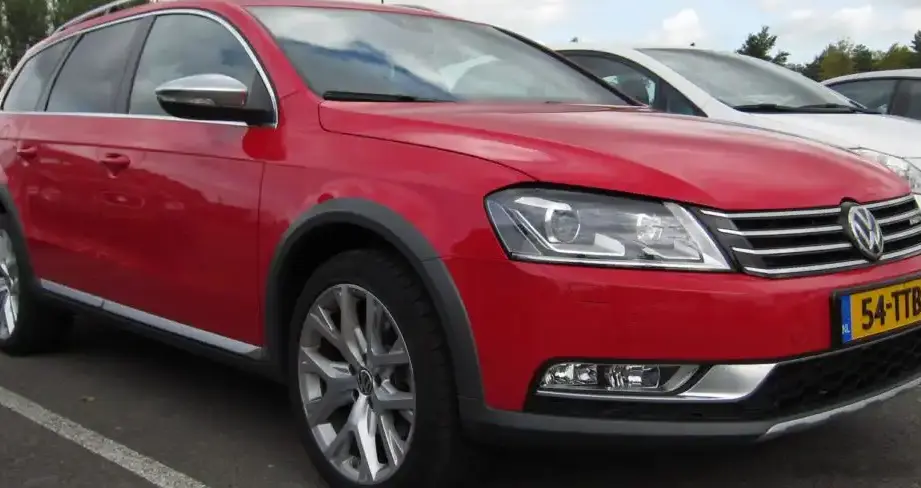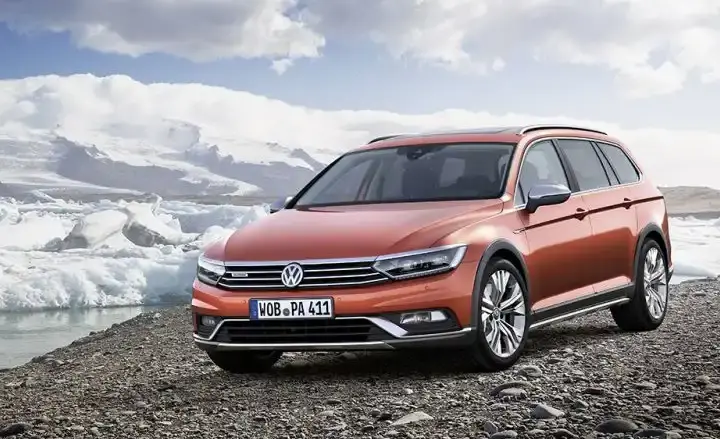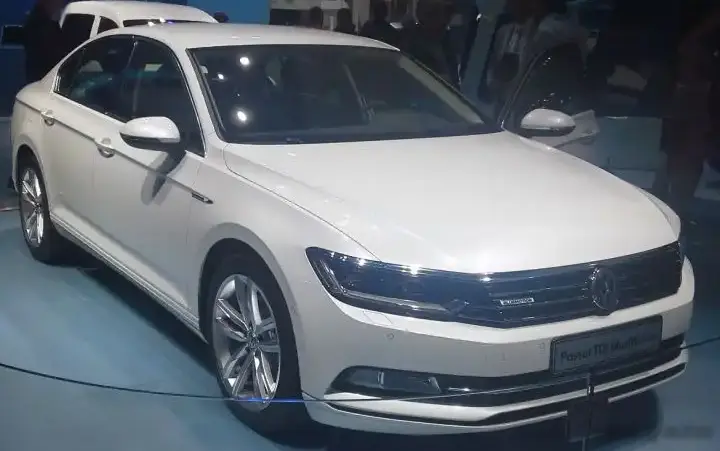
The Volkswagen Passat B8, produced from 2014 to 2018, represented a significant step forward for Volkswagen’s mid-size sedan. The 1.4 TSI (125 hp) variant, powered by the CZCA engine code, was a key offering in many European markets, positioned as an entry-level option balancing fuel efficiency with acceptable performance. This model played a crucial role in broadening the Passat’s appeal to a wider customer base, particularly those prioritizing economy and lower running costs. It sat below the more powerful 2.0 TSI and diesel TDI variants in the lineup.
Technical Specifications
| Brand | Volkswagen |
| Model | Passat |
| Generation | Passat (B8) |
| Type (Engine) | 1.4 TSI (125 Hp) |
| Start of production | 2014 |
| End of production | 2018 |
| Powertrain Architecture | Internal Combustion engine |
| Body type | Sedan |
| Seats | 5 |
| Doors | 4 |
| Fuel consumption (urban) | 6.8-6.9 l/100 km (34.6 – 34.1 US mpg) |
| Fuel consumption (extra urban) | 4.4-4.6 l/100 km (53.5 – 51.1 US mpg) |
| Fuel consumption (combined) | 5.3-5.4 l/100 km (44.4 – 43.6 US mpg) |
| CO2 emissions | 123-126 g/km |
| Fuel Type | Petrol (Gasoline) |
| Acceleration 0 – 100 km/h | 9.7 sec |
| Acceleration 0 – 62 mph | 9.7 sec |
| Acceleration 0 – 60 mph | 9.2 sec |
| Maximum speed | 208 km/h (129.25 mph) |
| Emission standard | Euro 6 |
| Weight-to-power ratio | 10.9 kg/Hp, 91.4 Hp/tonne |
| Weight-to-torque ratio | 6.8 kg/Nm, 146.3 Nm/tonne |
| Power | 125 Hp @ 5000-6000 rpm |
| Power per litre | 89.6 Hp/l |
| Torque | 200 Nm @ 1400-4000 rpm (147.51 lb.-ft. @ 1400-4000 rpm) |
| Engine layout | Front, Transverse |
| Engine Model/Code | CZCA |
| Engine displacement | 1395 cm3 (85.13 cu. in.) |
| Number of cylinders | 4 |
| Engine configuration | Inline |
| Number of valves per cylinder | 4 |
| Fuel injection system | Direct injection |
| Engine aspiration | Turbocharger, Intercooler |
| Engine oil capacity | 4 l (4.23 US qt | 3.52 UK qt) |
| Kerb Weight | 1367 kg (3013.72 lbs) |
| Max. weight | 1910 kg (4210.83 lbs) |
| Max load | 543 kg (1197.11 lbs) |
| Trunk (boot) space – minimum | 586 l (20.69 cu. ft.) |
| Trunk (boot) space – maximum | 1152 l (40.68 cu. ft.) |
| Fuel tank capacity | 66 l (17.44 US gal | 14.52 UK gal) |
| Length | 4767 mm (187.68 in) |
| Width | 1832 mm (72.13 in) |
| Height | 1456 mm (57.32 in) |
| Wheelbase | 2791 mm (109.88 in) |
| Front track | 1584 mm (62.36 in) |
| Rear (Back) track | 1568 mm (61.73 in) |
| Minimum turning circle | 11.7 m (38.39 ft) |
| Drivetrain Architecture | Front wheel drive |
| Number of gears | 6 gears, manual transmission |
| Front brakes | Ventilated discs |
| Tires size | 215/60 R16 |
| Wheel rims size | 6.5J x 16 |
INTRODUCTION
The Volkswagen Passat B8 1.4 TSI (125 hp) was introduced in 2014 as part of the eighth generation of the Passat, a model that had become a mainstay of the European mid-size car segment. Built on the modular transverse matrix (MQB) platform – also known as the 1HX0/A3 platform – the B8 generation represented a significant overhaul in terms of design, technology, and driving experience. The 1.4 TSI variant was specifically targeted at buyers seeking a comfortable, well-equipped, and fuel-efficient sedan. It was a popular choice for fleet buyers and private customers alike, offering a balance between practicality and affordability.
Powertrain & Engine Architecture
At the heart of the Passat 1.4 TSI is the CZCA engine, a 1.4-liter turbocharged four-cylinder gasoline engine. This engine utilizes direct fuel injection (FSI) and an intercooled turbocharger to deliver a respectable 125 horsepower and 200 Nm (147.51 lb-ft) of torque. The engine’s design emphasizes efficiency, with features like variable valve timing and a relatively high compression ratio. The turbocharger provides a boost in power, particularly at lower engine speeds, helping to overcome the limitations of the small displacement. The 1.4 TSI engine is known for its responsiveness and relatively smooth operation. The standard transmission for this variant was a 6-speed manual gearbox, although a 7-speed DSG (Direct-Shift Gearbox) dual-clutch automatic transmission was also available as an option. The automatic transmission offered quicker shifts and improved fuel economy, but at an additional cost.
Driving Characteristics
The 1.4 TSI 125 hp Passat offered a comfortable and refined driving experience, prioritizing ease of use over outright performance. Acceleration from 0 to 60 mph took around 9.2 seconds, which was adequate for everyday driving but noticeably slower than the more powerful 2.0 TSI models. The engine’s torque delivery was relatively flat, providing good responsiveness in most driving situations. The 6-speed manual transmission was well-matched to the engine, offering precise shifts and a reasonable gear spread. The automatic transmission, when equipped, provided smooth and seamless gear changes, enhancing the overall driving comfort. However, the 1.4 TSI engine could feel strained when fully loaded or when tackling steep inclines. The suspension was tuned for comfort, providing a smooth ride over most road surfaces, but it wasn’t particularly sporty.
Equipment & Trim Levels
The Passat 1.4 TSI typically came equipped with a generous amount of standard features, even in base trim levels. These included air conditioning, power windows, power mirrors, a touchscreen infotainment system, and alloy wheels. Higher trim levels added features such as automatic climate control, a navigation system, leather upholstery, and parking sensors. Optional extras included a panoramic sunroof, adaptive cruise control, and a premium sound system. Interior upholstery was typically cloth in the base models, with leather options available on higher trims. The dashboard layout was clean and modern, with a focus on ergonomics and ease of use.
Chassis & Braking
The Passat B8 featured a MacPherson strut front suspension and a multi-link rear suspension, providing a good balance between ride comfort and handling. The chassis was designed to be lightweight yet rigid, contributing to the car’s overall stability. Brakes were typically ventilated discs at the front and solid discs at the rear, providing adequate stopping power for most driving conditions. Anti-lock braking system (ABS) and electronic stability control (ESC) were standard safety features. The steering was precise and well-weighted, providing good feedback to the driver.
Market Reception & Comparison
The Passat 1.4 TSI was generally well-received by automotive critics, who praised its fuel efficiency, comfortable ride, and spacious interior. However, some critics noted that the engine lacked the punch of the more powerful alternatives. Compared to the 2.0 TSI models, the 1.4 TSI offered significantly lower fuel consumption but also slower acceleration. The 1.4 TSI was also often compared to the diesel TDI variants, which offered even better fuel economy but came with the added cost and complexity of diesel technology. In terms of reliability, the 1.4 TSI engine proved to be generally reliable, although some owners reported issues with the turbocharger and fuel injectors.
Legacy
The Volkswagen Passat B8 1.4 TSI (125 hp) remains a popular choice in the used car market today, offering a compelling combination of practicality, fuel efficiency, and affordability. The CZCA engine, while not known for its blistering performance, has proven to be relatively durable and reliable when properly maintained. Common maintenance items include regular oil changes, spark plug replacements, and turbocharger inspections. The Passat B8’s spacious interior, comfortable ride, and well-equipped features continue to appeal to buyers seeking a well-rounded mid-size sedan. Its position as an entry-level variant within the B8 range made it accessible to a broader range of customers, contributing to its lasting presence on the roads.