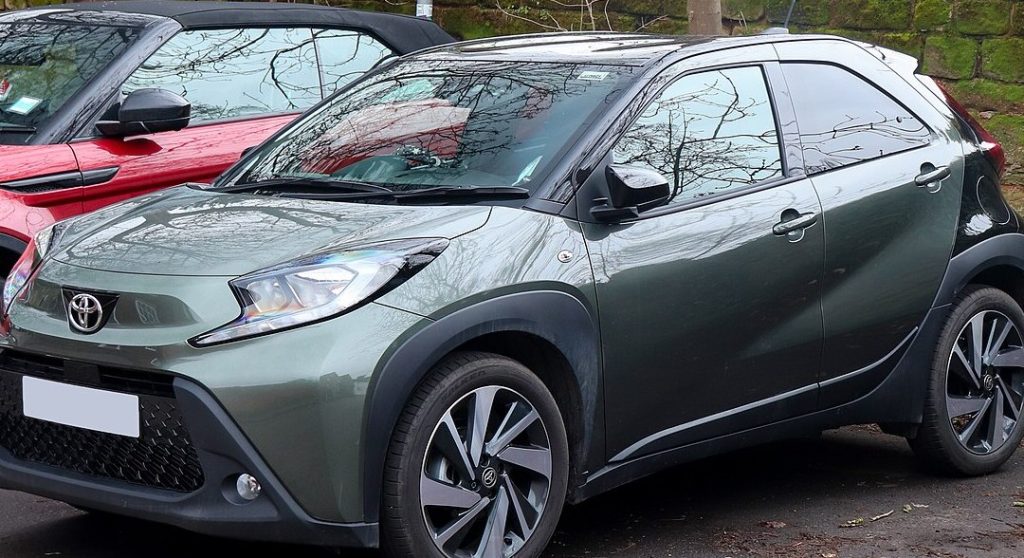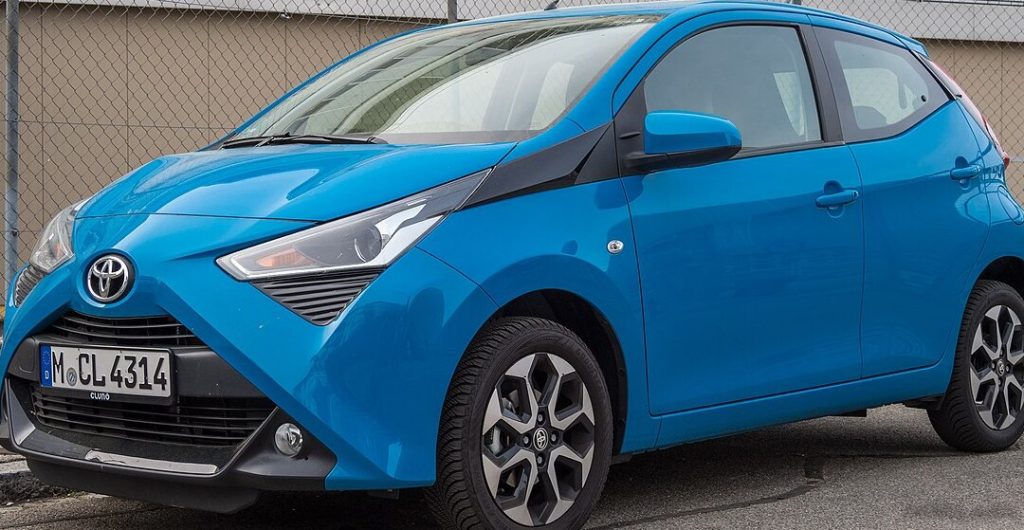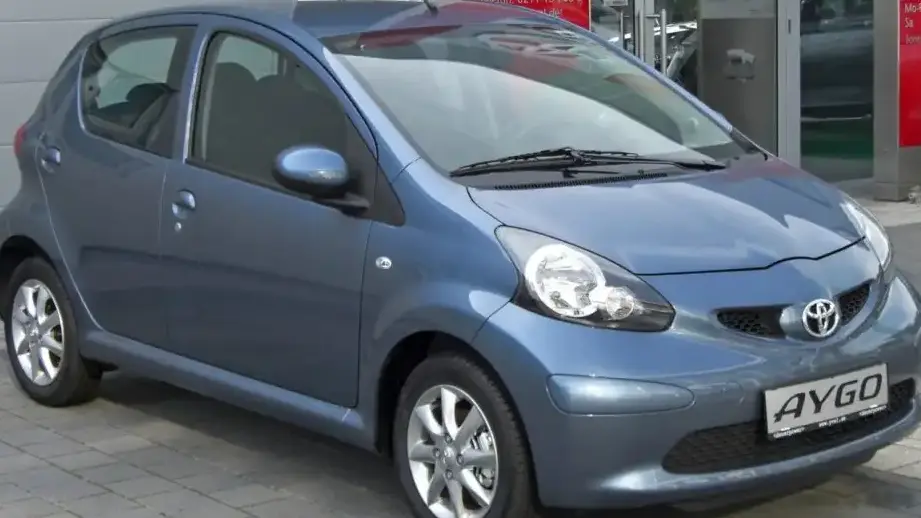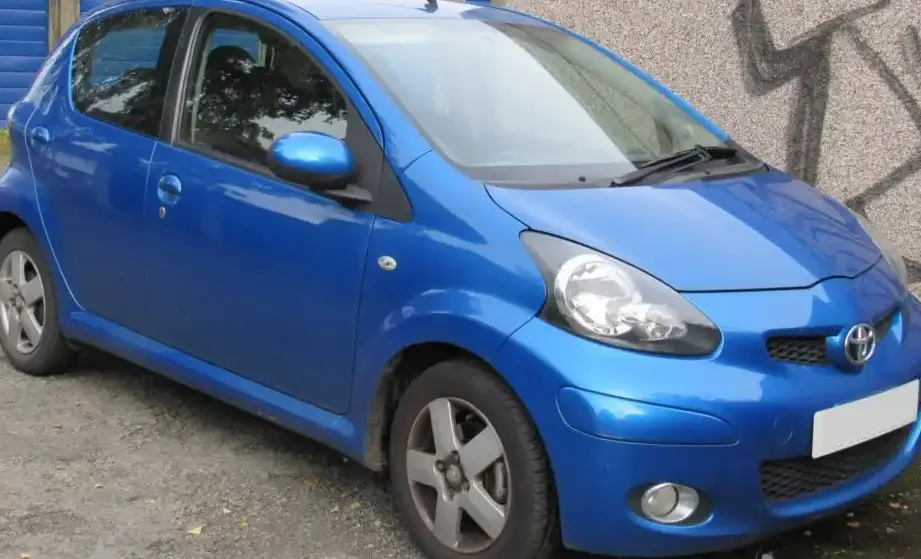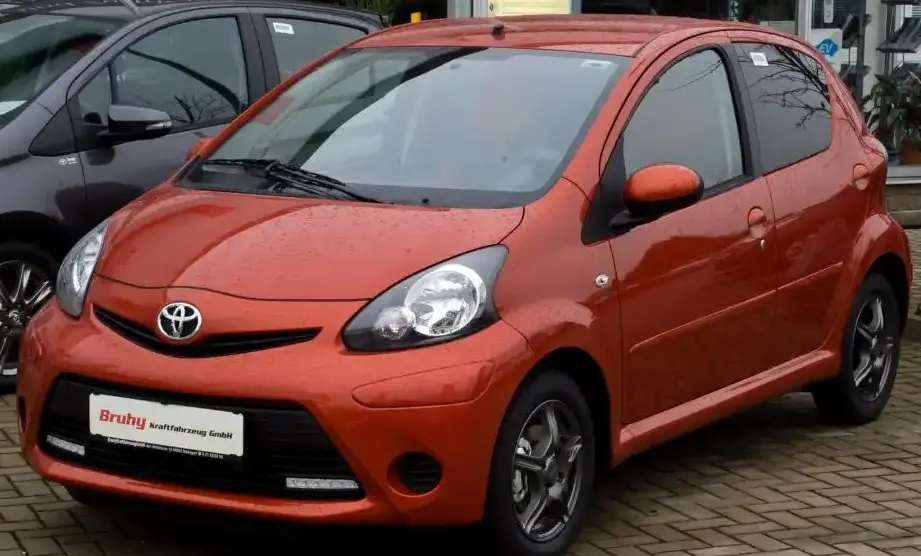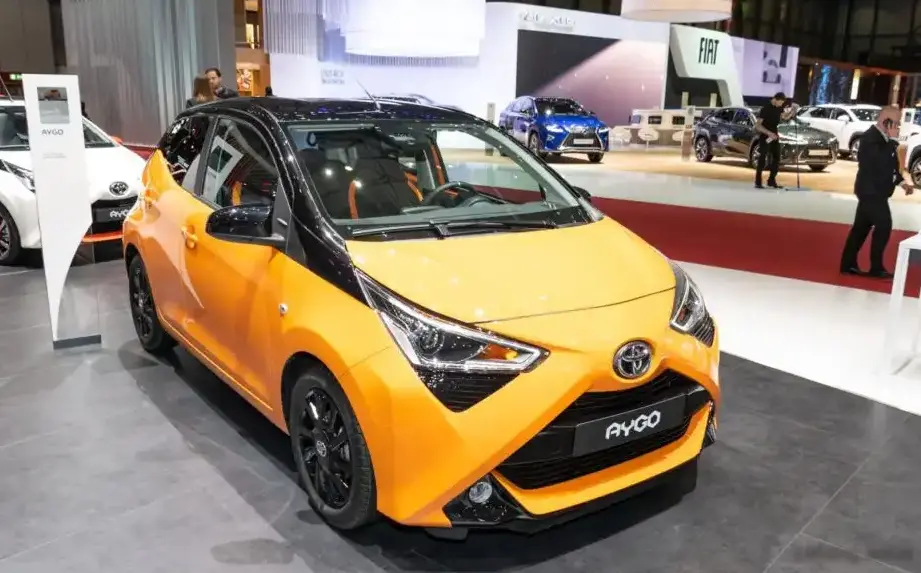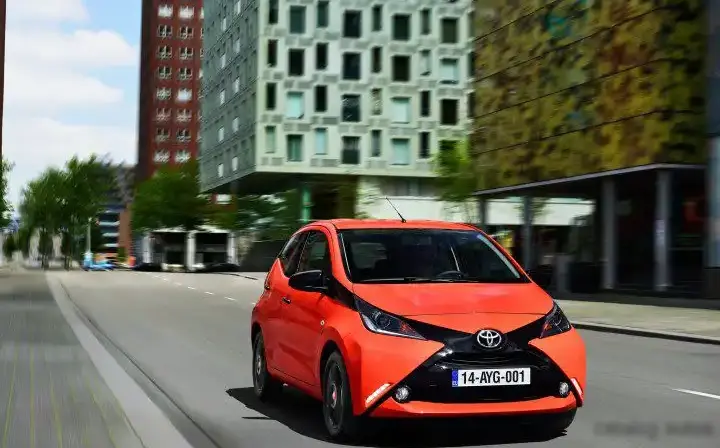
The Toyota Aygo II 1.0 VVT-i (69 hp) Automatic, produced between 2014 and 2018, represents an entry-level offering within the second generation Aygo (PA30) model range. Positioned as a city car, the Aygo II was Toyota’s contribution to the collaborative Peugeot 108, Citroën C1 project, all built at the Kolín factory in the Czech Republic. This particular variant, combining the 1.0-liter engine with a five-speed automatic transmission, aimed to provide accessible and convenient transportation, prioritizing fuel efficiency and ease of use over outright performance. It served as a key model for attracting buyers seeking a simple, reliable, and affordable vehicle in the European market.
Technical Specifications
| Brand | Toyota |
| Model | Aygo |
| Generation | Aygo II |
| Type (Engine) | 1.0 VVT-i (69 Hp) Automatic |
| Start of production | 2014 |
| End of production | 2018 |
| Powertrain Architecture | Internal Combustion engine |
| Body type | Hatchback |
| Seats | 4 |
| Doors | 3/5 |
| Fuel consumption (urban) | 5 l/100 km (47 US mpg, 56.5 UK mpg, 20 km/l) |
| Fuel consumption (extra urban) | 3.8 l/100 km (61.9 US mpg, 74.3 UK mpg, 26.3 km/l) |
| Fuel consumption (combined) | 4.2 l/100 km (56 US mpg, 67.3 UK mpg, 23.8 km/l) |
| CO2 emissions | 97 g/km |
| Fuel Type | Petrol (Gasoline) |
| Acceleration 0 – 100 km/h | 15.5 sec |
| Acceleration 0 – 62 mph | 15.5 sec |
| Acceleration 0 – 60 mph | 14.7 sec |
| Maximum speed | 160 km/h (99.42 mph) |
| Emission standard | Euro 5 J |
| Power | 69 Hp @ 6000 rpm |
| Power per litre | 69.1 Hp/l |
| Torque | 95 Nm @ 4300 rpm (70.07 lb.-ft. @ 4300 rpm) |
| Engine layout | Front, Transverse |
| Engine Model/Code | 1KR-FE |
| Engine displacement | 998 cm3 (60.9 cu. in.) |
| Number of cylinders | 3 |
| Engine configuration | Inline |
| Cylinder Bore | 71 mm (2.8 in.) |
| Piston Stroke | 84 mm (3.31 in.) |
| Compression ratio | 11.5:1 |
| Number of valves per cylinder | 4 |
| Fuel injection system | Multi-port manifold injection |
| Engine aspiration | Naturally aspirated engine |
| Valvetrain | DOHC |
| Engine oil capacity | 2.8 l (2.96 US qt | 2.46 UK qt) |
| Coolant | 3.6 l (3.8 US qt | 3.17 UK qt) |
| Trunk (boot) space (minimum) | 168 l (5.93 cu. ft.) |
| Fuel tank capacity | 35 l (9.25 US gal | 7.7 UK gal) |
| Max. roof load | 50 kg (110.23 lbs.) |
| Length | 3455 mm (136.02 in.) |
| Width | 1615 mm (63.58 in.) |
| Height | 1460 mm (57.48 in.) |
| Wheelbase | 2340 mm (92.13 in.) |
| Front track | 1430 mm (56.3 in.) |
| Rear track | 1420 mm (55.91 in.) |
| Drag coefficient (Cd) | 0.29 |
| Minimum turning circle | 10.2 m (33.46 ft.) |
| Drivetrain Architecture | Front wheel drive |
| Number of gears and type of gearbox | 5 gears, automatic transmission x-shift |
| Front suspension | Independent type McPherson |
| Rear suspension | Semi-independent, coil spring |
| Front brakes | Ventilated discs |
| Rear brakes | Drum |
| Assisting systems | ABS (Anti-lock braking system) |
| Steering type | Steering rack and pinion |
Introduction
The Toyota Aygo II 1.0 VVT-i Automatic, launched in 2014, was a key component of Toyota’s strategy to offer affordable and efficient transportation in the European city car segment. Built upon the PSA Peugeot Citroën’s A1 platform (also known as 1HX0/A3), it shared its core architecture with the Peugeot 108 and Citroën C1. This collaborative effort allowed for cost savings and economies of scale. The 69 hp automatic variant was specifically targeted at drivers prioritizing ease of use and low running costs, making it a popular choice for urban commuters and first-time car buyers. The Aygo II represented a significant step up in design and refinement compared to its predecessor, offering a more modern aesthetic and improved interior quality.
Powertrain & Engine Architecture
At the heart of the Aygo II 1.0 VVT-i Automatic lies the 1KR-FE engine, a 998cc three-cylinder petrol unit. This engine utilizes a multi-point fuel injection system and a double overhead camshaft (DOHC) valvetrain with four valves per cylinder. The Variable Valve Timing-intelligent (VVT-i) system optimizes valve timing for improved fuel efficiency and power delivery across the rev range. The engine’s compact size and lightweight construction contribute to the car’s overall agility. Paired with this engine is a five-speed ‘x-shift’ automatic transmission. This transmission isn’t a traditional torque-converter automatic; instead, it’s an automated manual transmission (AMT) which uses actuators to shift gears, offering a balance between convenience and fuel economy. While not as smooth as a conventional automatic, it provided a more affordable automatic option.
Driving Characteristics
The 1.0 VVT-i Automatic Aygo II delivers modest performance, reflecting its focus on fuel efficiency rather than outright speed. Acceleration from 0-60 mph takes around 14.7 seconds, and the top speed is approximately 99 mph. The automatic transmission, while convenient, can feel somewhat hesitant during quick acceleration, and gear changes aren’t always seamless. The gear ratios are optimized for city driving, providing adequate power for navigating urban streets. Compared to the five-speed manual version, the automatic sacrifices some responsiveness, but gains in ease of use. The 1.8L engine, while adequate for its intended purpose, is noticeably less powerful than the larger engine options available in other models within the broader Aygo range.
Equipment & Trim Levels
The Aygo II 1.0 VVT-i Automatic typically came equipped with a reasonable level of standard features. These included central locking, power steering, electric front windows, and an audio system with USB connectivity. Safety features such as ABS (Anti-lock Braking System) and airbags were also standard. Higher trim levels offered additional features like air conditioning, alloy wheels, and a touchscreen infotainment system. Interior upholstery was typically cloth, with a functional and durable design. Optional extras included paint customization options, allowing buyers to personalize their vehicle with different body and roof colors.
Chassis & Braking
The Aygo II features a McPherson strut front suspension and a semi-independent coil spring rear suspension. This setup provides a comfortable ride quality, particularly on smooth roads. The front brakes are ventilated discs, offering adequate stopping power, while the rear brakes are drums, a cost-saving measure common in this segment. The steering is light and precise, making it easy to maneuver in tight spaces. The car’s relatively low weight contributes to its agility and handling. Stabilizer bars were fitted to improve body roll during cornering, though the car’s overall handling is geared towards comfort rather than sporty performance.
Market Reception & Comparison
The Toyota Aygo II 1.0 VVT-i Automatic was generally well-received by critics for its fuel efficiency, affordability, and ease of use. However, the automatic transmission was often criticized for its lack of smoothness and responsiveness. Compared to the manual version, the automatic offered slightly lower fuel economy. Against competitors like the Fiat 500, Volkswagen up!, and Hyundai i10, the Aygo II offered a competitive price point and a reputation for reliability. The 1.0-liter engine was considered adequate for city driving, but less suitable for longer journeys or highway use. The automatic transmission appealed to a specific segment of buyers who prioritized convenience over performance.
Legacy
The Toyota Aygo II 1.0 VVT-i Automatic has proven to be a reliable and durable vehicle, with many examples still on the road today. The 1KR-FE engine is known for its longevity and relatively low maintenance costs. While the automated manual transmission can require occasional servicing, it is generally a robust unit. In the used car market, these Aygo IIs represent an affordable and practical option for buyers seeking a small, economical city car. Their reputation for reliability and low running costs continues to make them a popular choice, particularly among first-time car owners and those seeking a cost-effective mode of transportation.