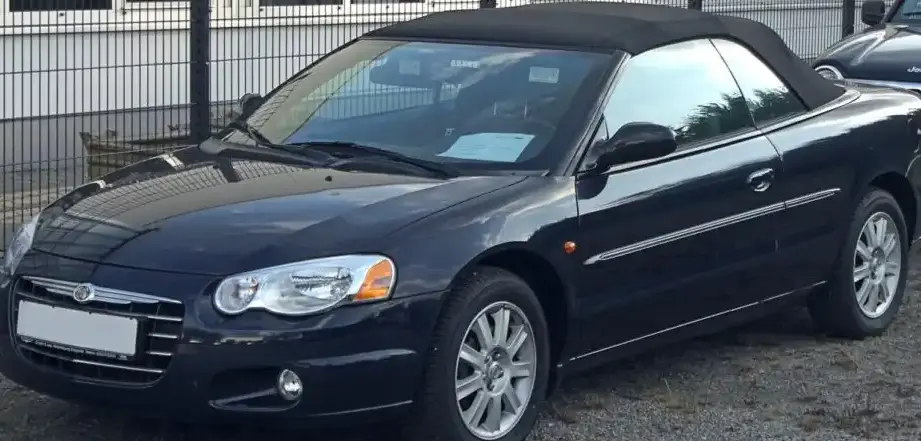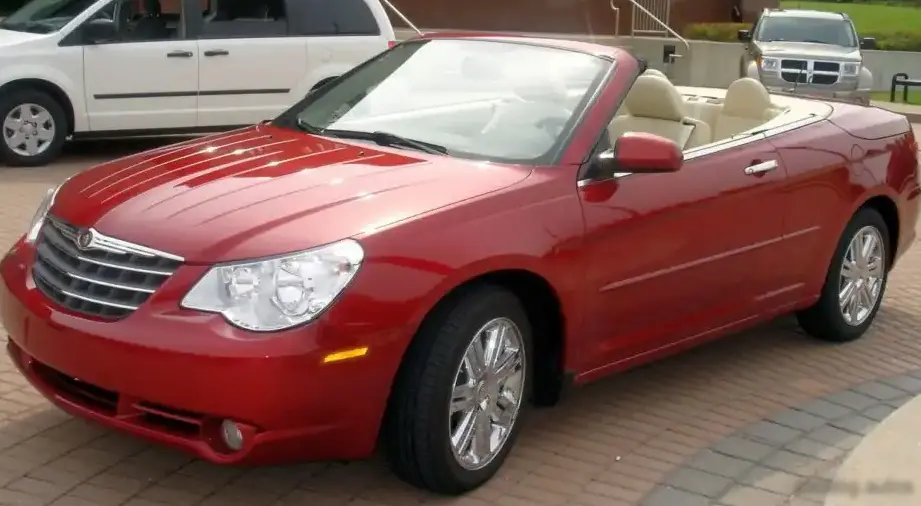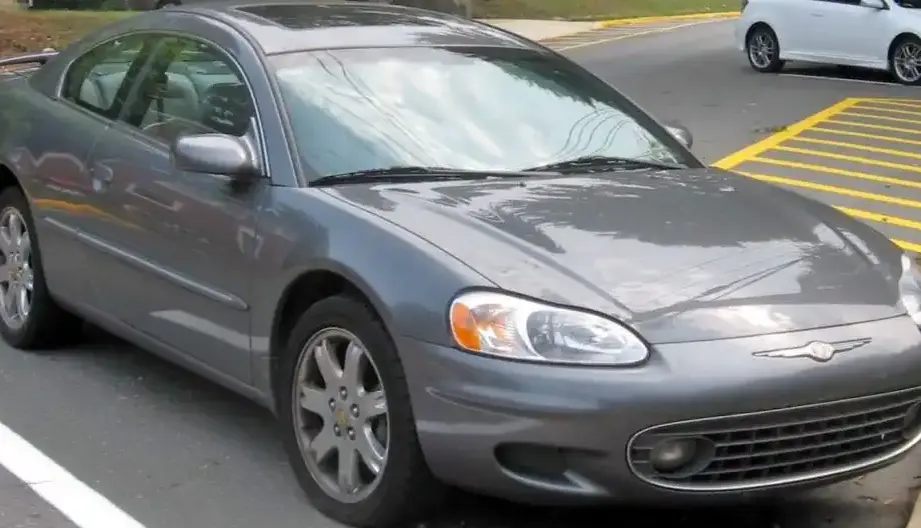
The Chrysler Sebring Coupe (ST-22) 3.0 V6 24V, produced from 2000 to 2007, represented a distinct offering within the Sebring lineup. Positioned as a sportier alternative to the Sebring sedan, the coupe aimed to attract buyers seeking a more dynamic driving experience. This generation, built on the Chrysler ST platform, sought to modernize the Sebring’s image and appeal to a broader audience. The 3.0L V6 24V engine, producing 203 horsepower, was a mid-range offering, slotting above the base 2.4L four-cylinder and below potential high-performance variants that were never fully realized for the US market. It was primarily sold in North America, aiming to compete with similar coupes from Ford, Honda, and Nissan.
Technical Specifications
| Brand | Chrysler |
| Model | Sebring |
| Generation | Sebring Coupe (ST-22) |
| Type (Engine) | 3.0 V6 24V (203 Hp) |
| Start of production | 2000 |
| End of production | 2007 |
| Powertrain Architecture | Internal Combustion engine |
| Body type | Coupe |
| Seats | 5 |
| Doors | 2 |
| Fuel consumption (urban) | 11.8 l/100 km (19.9 US mpg) |
| Fuel consumption (extra urban) | 8.1 l/100 km (29 US mpg) |
| Fuel Type | Petrol (Gasoline) |
| Acceleration 0 – 100 km/h | 8.4 sec |
| Acceleration 0 – 62 mph | 8.4 sec |
| Acceleration 0 – 60 mph | 8 sec |
| Maximum speed | 210 km/h (130.49 mph) |
| Weight-to-power ratio | 7.1 kg/Hp |
| Weight-to-torque ratio | 5.2 kg/Nm |
| Power | 203 Hp @ 5500 rpm |
| Power per litre | 68.3 Hp/l |
| Torque | 278 Nm @ 4500 rpm (205.04 lb.-ft. @ 4500 rpm) |
| Engine layout | Front, Transverse |
| Engine displacement | 2972 cm3 (181.36 cu. in.) |
| Number of cylinders | 6 |
| Engine configuration | V-engine |
| Cylinder Bore | 91 mm (3.58 in.) |
| Piston Stroke | 76 mm (2.99 in.) |
| Compression ratio | 9:1 |
| Number of valves per cylinder | 4 |
| Fuel injection system | Multi-port manifold injection |
| Engine aspiration | Naturally aspirated engine |
| Valvetrain | DOHC |
| Engine oil capacity | 4.4 l (4.65 US qt | 3.87 UK qt) |
| Coolant | 7.6 l (8.03 US qt | 6.69 UK qt) |
| Kerb Weight | 1445 kg (3185.68 lbs.) |
| Trunk (boot) space – minimum | 460 l (16.24 cu. ft.) |
| Fuel tank capacity | 62 l (16.38 US gal | 13.64 UK gal) |
| Length | 4830 mm (190.16 in.) |
| Width | 1785 mm (70.28 in.) |
| Height | 1365 mm (53.74 in.) |
| Wheelbase | 2635 mm (103.74 in.) |
| Front track | 1510 mm (59.45 in.) |
| Rear (Back) track | 1505 mm (59.25 in.) |
| Drivetrain Architecture | The Internal combustion engine (ICE) drives the front wheels of the vehicle. |
| Drive wheel | Front wheel drive |
| Number of gears and type of gearbox | 5 gears, manual transmission |
| Front suspension | Spring Strut |
| Rear suspension | Coil spring |
| Front brakes | Ventilated discs |
| Rear brakes | Disc |
| Assisting systems | ABS (Anti-lock braking system) |
| Steering type | Steering rack and pinion |
| Tires size | 205/60 R16 |
Powertrain & Engine Architecture
The heart of the Sebring Coupe 3.0 was the Chrysler 3.0L V6 engine, internally designated as the EGJ. This engine was a 60-degree V6, featuring a cast iron block and aluminum cylinder heads. It utilized a multi-port fuel injection system, delivering fuel directly into each intake port. The engine employed a double overhead camshaft (DOHC) valvetrain, with four valves per cylinder, contributing to its relatively high output for its displacement. The 9:1 compression ratio was a compromise between performance and the ability to run on readily available gasoline. The 5-speed manual transmission was the standard offering, providing drivers with direct control over the engine’s power. While an automatic transmission was available, it impacted acceleration and fuel economy.
Driving Characteristics
The 3.0L V6, paired with the 5-speed manual transmission, offered a reasonably engaging driving experience. Acceleration from 0-60 mph was achieved in around 8 seconds, making it competitive with other coupes in its class. The engine delivered a smooth power band, with peak torque available at 4500 rpm, providing ample power for everyday driving and passing maneuvers. The manual transmission allowed for precise gear selection, enhancing driver control. Compared to the base 2.4L engine, the 3.0L offered a noticeable improvement in performance. However, it didn’t possess the outright speed of some European sports coupes. The front-wheel-drive configuration provided predictable handling, but could exhibit some torque steer under hard acceleration.
Equipment & Trim Levels
The Sebring Coupe 3.0 typically came standard with features such as air conditioning, power windows and locks, a CD player, and cloth upholstery. Higher trim levels offered upgrades like leather seats, a sunroof, premium sound system, and alloy wheels. Optional extras included automatic climate control, heated seats, and a navigation system. The interior design was generally functional and comfortable, though materials quality was not on par with some of its Japanese competitors. The coupe’s interior space was adequate for four adults, but rear seat legroom was somewhat limited.
Chassis & Braking
The Sebring Coupe utilized a MacPherson strut front suspension and a coil spring rear suspension. This setup provided a comfortable ride, but wasn’t particularly sporty. The front brakes were ventilated discs, offering good stopping power, while the rear brakes were solid discs. Anti-lock braking system (ABS) was standard, enhancing safety. The steering was rack and pinion, providing reasonably precise steering feel. The standard tire size was 205/60 R16, offering a balance between ride comfort and handling.
Market Reception & Comparison
The Sebring Coupe 3.0 V6 received mixed reviews from automotive critics. While the engine was praised for its smooth power delivery, the coupe’s overall handling and interior quality were often criticized. Compared to the 2.4L four-cylinder version, the 3.0L offered a significant performance upgrade, but at the cost of slightly reduced fuel economy. The 3.0L was generally considered a better value than the higher-priced sports coupes from Europe, but it lacked the refinement and prestige of those brands. Fuel economy averaged around 19 mpg city and 29 mpg highway.
Legacy
The Chrysler Sebring Coupe 3.0 V6, while not a groundbreaking vehicle, remains a relatively affordable and accessible option in the used car market. The 3.0L V6 engine is generally considered reliable, though regular maintenance is crucial. Common issues include oil leaks and sensor failures. The availability of parts is generally good, and the engine is relatively easy to work on. Today, these coupes are often sought after by enthusiasts looking for a stylish and reasonably powerful American coupe from the early 2000s. While not a collector’s item, well-maintained examples are becoming increasingly rare and are appreciated for their unique blend of style and performance.