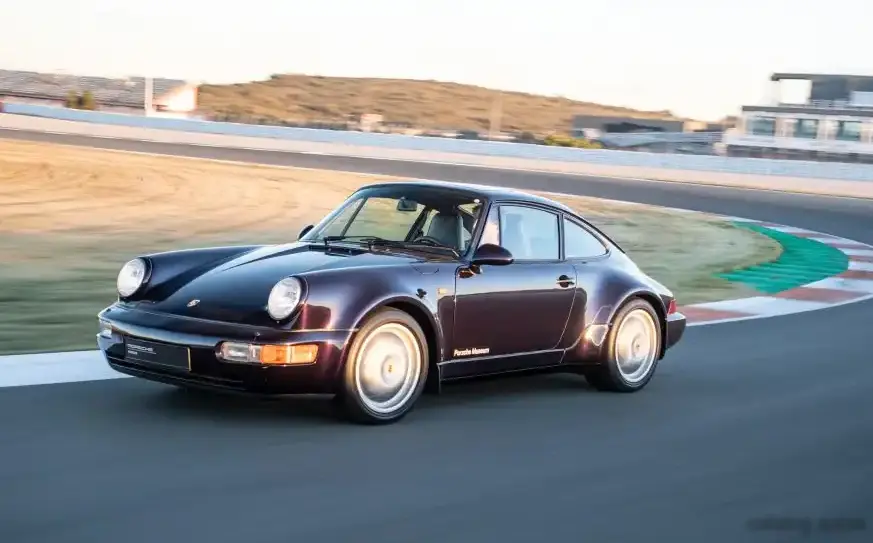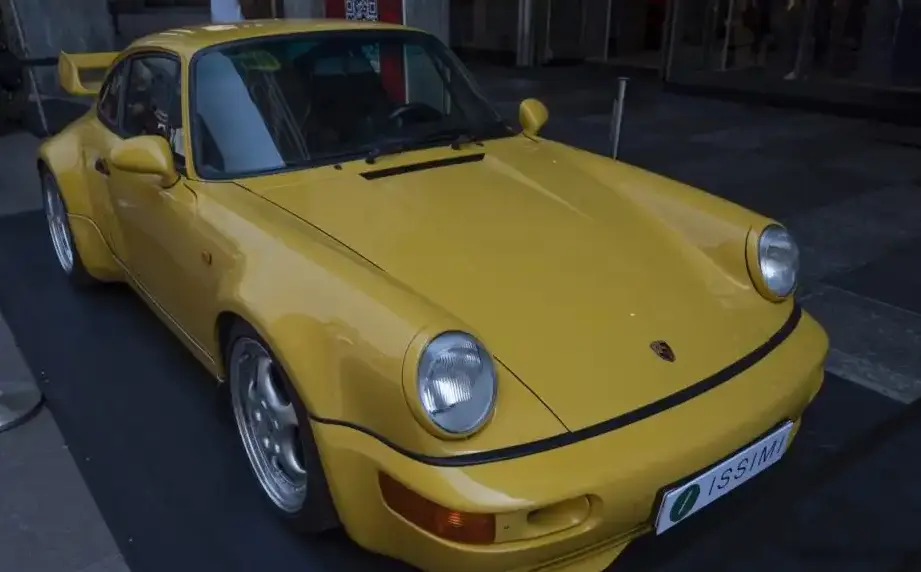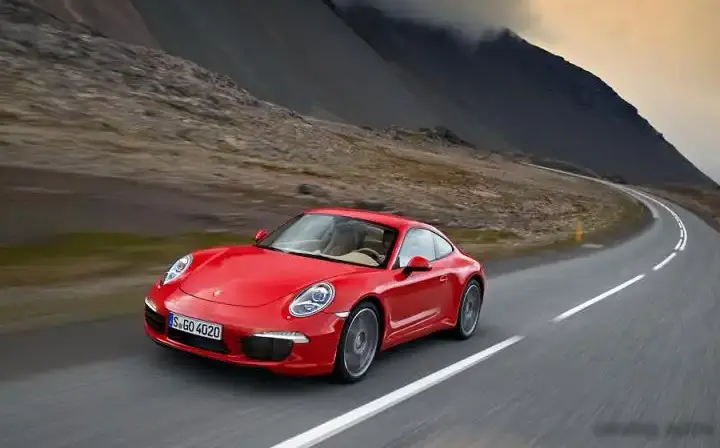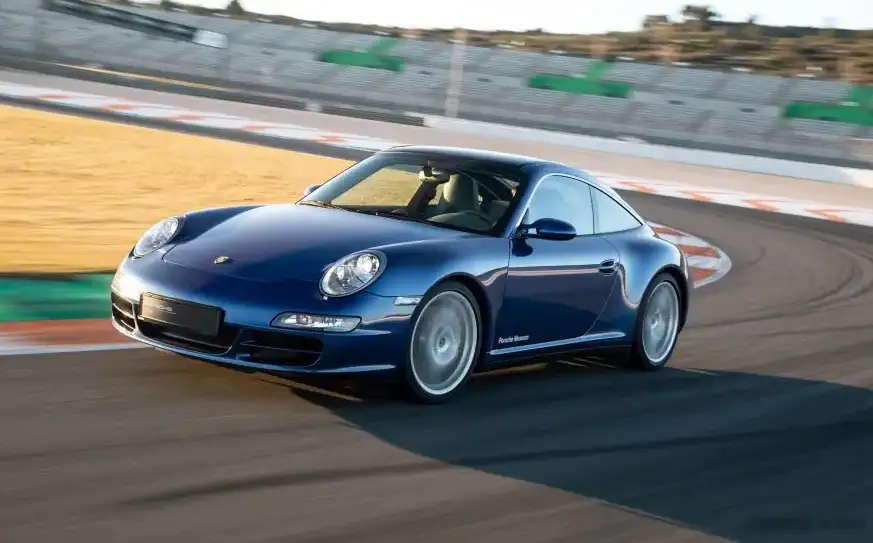
The Porsche 911 Targa 4S 3.8 (355 Hp) Tiptronic S, produced between 2006 and 2008, represents a compelling blend of open-air motoring and all-weather capability within the 997 generation of the iconic 911. Positioned as a premium variant within the Targa lineup, it offered a sophisticated alternative to the coupe and cabriolet models. This iteration combined the unique Targa roof design – a partially retractable hardtop – with Porsche’s renowned all-wheel-drive system and a powerful 3.8-liter flat-six engine paired with the Tiptronic S five-speed automatic transmission. It aimed to deliver a luxurious and engaging driving experience, appealing to buyers seeking both performance and comfort.
Technical Specifications
| Brand | Porsche |
| Model | 911 |
| Generation | 911 Targa (997) |
| Type | Targa 4S 3.8 (355 Hp) Tiptronic S |
| Start of production | 2006 |
| End of production | 2008 |
| Powertrain Architecture | Internal Combustion engine |
| Body type | Targa |
| Seats | 4 |
| Doors | 2 |
| Fuel consumption (urban) | 18 l/100 km (13.1 US mpg, 15.7 UK mpg, 5.6 km/l) |
| Fuel consumption (extra urban) | 8.6 l/100 km (27.4 US mpg, 32.8 UK mpg, 11.6 km/l) |
| Fuel consumption (combined) | 11.9 l/100 km (19.8 US mpg, 23.7 UK mpg, 8.4 km/l) |
| CO2 emissions | 286 g/km |
| Fuel Type | Petrol (Gasoline) |
| Acceleration 0 – 100 km/h | 5.4 sec |
| Acceleration 0 – 62 mph | 5.4 sec |
| Acceleration 0 – 60 mph | 5.1 sec |
| Maximum speed | 280 km/h (173.98 mph) |
| Weight-to-power ratio | 4.4 kg/Hp, 225.4 Hp/tonne |
| Weight-to-torque ratio | 3.9 kg/Nm, 254 Nm/tonne |
| Power | 355 Hp @ 6600 rpm |
| Power per litre | 92.8 Hp/l |
| Torque | 400 Nm @ 4600 rpm (295.02 lb.-ft. @ 4600 rpm) |
| Engine layout | Rear, Longitudinal |
| Engine Model/Code | M97.01 |
| Engine displacement | 3824 cm3 (233.35 cu. in.) |
| Number of cylinders | 6 |
| Engine configuration | Boxer |
| Compression ratio | 11.8:1 |
| Fuel injection system | Multi-port manifold injection |
| Engine aspiration | Naturally aspirated engine |
| Engine oil capacity | 8.5 l (8.98 US qt | 7.48 UK qt) |
| Coolant | 31 l (32.76 US qt | 27.28 UK qt) |
| Kerb Weight | 1575 kg (3472.28 lbs) |
| Max. weight | 1960 kg (4321.06 lbs) |
| Max load | 385 kg (848.78 lbs) |
| Trunk (boot) space – maximum | 105 l (3.71 cu. ft.) |
| Fuel tank capacity | 67 l (17.7 US gal | 14.74 UK gal) |
| Length | 4427 mm (174.29 in) |
| Width | 1852 mm (72.91 in) |
| Height | 1300 mm (51.18 in) |
| Wheelbase | 2350 mm (92.52 in) |
| Drag coefficient (Cd) | 0.29 |
| Minimum turning circle | 10.9 m (35.76 ft) |
| Drive wheel | All wheel drive (4×4) |
| Number of gears | 5 |
| Gearbox type | automatic transmission Tiptronic S |
| Front suspension | Independent type McPherson |
| Rear suspension | Independent multi-link suspension |
| Front brakes | Ventilated discs |
| Rear brakes | Ventilated discs |
| Assisting systems | ABS (Anti-lock braking system) |
| Steering type | Steering rack and pinion |
| Power steering | Hydraulic Steering |
| Tires size | 235/35 ZR19; 305/30 ZR19 |
| Wheel rims size | 8J x 19; 11J x 19 |
Powertrain & Engine Architecture
At the heart of the 911 Targa 4S Tiptronic S lies the M97.01 engine, a 3.8-liter naturally aspirated flat-six. This engine, characteristic of Porsche’s design philosophy, features a dry-sump lubrication system, crucial for maintaining oil supply during the high G-forces experienced in spirited driving. The engine utilizes multi-port fuel injection, delivering precise fuel metering for optimal combustion. Its 11.8:1 compression ratio contributes to its high output. The engine’s boxer configuration – with pistons opposing each other – helps to lower the center of gravity, enhancing stability. The Tiptronic S transmission is a five-speed automatic with a manual shift mode, allowing drivers to exert more control over gear selection. It features adaptive shift programming, adjusting shift points based on driving style.
Driving Characteristics
The 911 Targa 4S Tiptronic S delivers a refined yet engaging driving experience. While the Tiptronic S transmission offers convenience, it doesn’t quite match the responsiveness of the six-speed manual available in other 997 variants. Acceleration from 0-60 mph takes approximately 5.1 seconds, and it reaches a top speed of 174 mph. The all-wheel-drive system provides excellent traction, particularly in inclement weather, making it a more usable sports car than rear-wheel-drive counterparts. The power delivery is smooth and linear, with the 400 Nm of torque available at 4600 rpm providing ample pulling power. Compared to the 911 Carrera models, the 4S offers a more planted feel and enhanced stability, while the Tiptronic S, while smooth, sacrifices some of the raw connection felt with a manual gearbox.
Equipment & Trim Levels
The Targa 4S Tiptronic S came standard with a generous array of features, including leather upholstery, automatic climate control, a Bose sound system, and bi-xenon headlights. The interior featured a unique Targa-specific dashboard trim. Optional extras included navigation, sport seats, a sunroof module with variable tinting, and various customization options through Porsche’s “Personalization” program. Buyers could choose from a wide range of interior colors and materials to tailor the car to their preferences. The Targa roof itself was electrically operated, retracting the hardtop section to create an open-air experience.
Chassis & Braking
The 911 Targa 4S utilizes a fully independent suspension system, with McPherson struts at the front and a multi-link setup at the rear. This configuration provides a comfortable ride while maintaining precise handling. The car is equipped with ventilated disc brakes on all four wheels, providing ample stopping power. ABS (Anti-lock Braking System) is standard. The all-wheel-drive system distributes power between the front and rear axles dynamically, optimizing traction based on road conditions. The steering is a rack-and-pinion system with hydraulic power assistance, offering precise and responsive control.
Market Reception & Comparison
The 911 Targa 4S Tiptronic S was generally well-received by automotive critics. It was praised for its blend of performance, luxury, and all-weather capability. However, some reviewers noted that the Tiptronic S transmission wasn’t as engaging as the manual option. Fuel economy, at around 19.8 US mpg combined, was typical for a high-performance sports car of its era. Compared to the 911 Carrera 4S, the Targa offered a unique open-air experience, albeit with a slightly higher weight due to the retractable roof mechanism. Compared to the more focused 911 Turbo, the Targa 4S prioritized comfort and usability over outright performance.
Legacy
The 997 generation 911 Targa 4S, particularly the 3.8-liter variant, has proven to be a reliable and desirable sports car in the used market. The M97.01 engine is generally considered robust, although regular maintenance, including oil changes and IMS bearing inspections (a known potential issue in some early 997 models), is crucial. The Tiptronic S transmission, while not as sporty as a manual, is known for its durability. Today, these cars are sought after by enthusiasts who appreciate their unique combination of performance, style, and open-air driving enjoyment. Values have remained relatively stable, reflecting the enduring appeal of the Porsche 911.