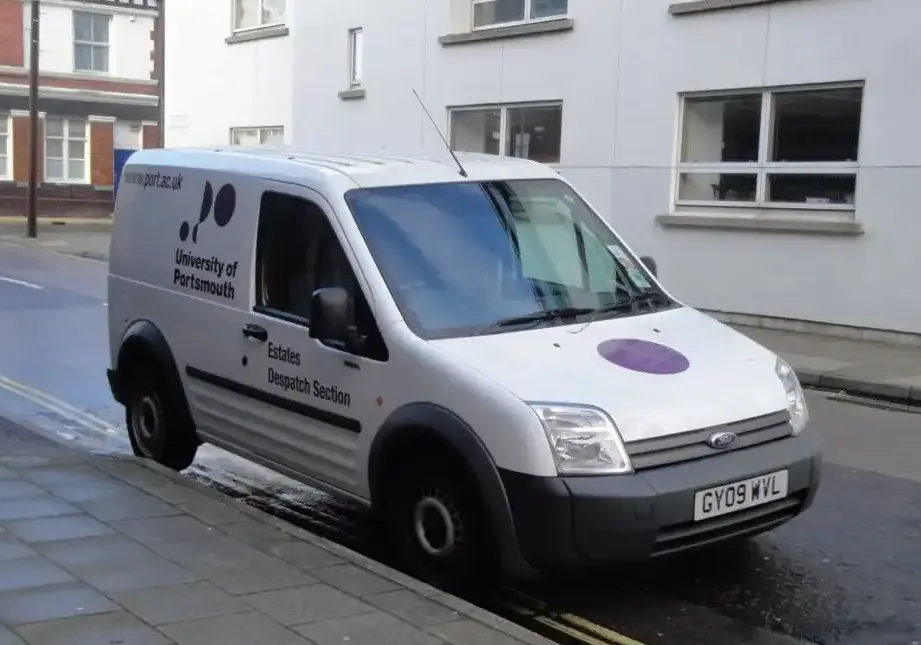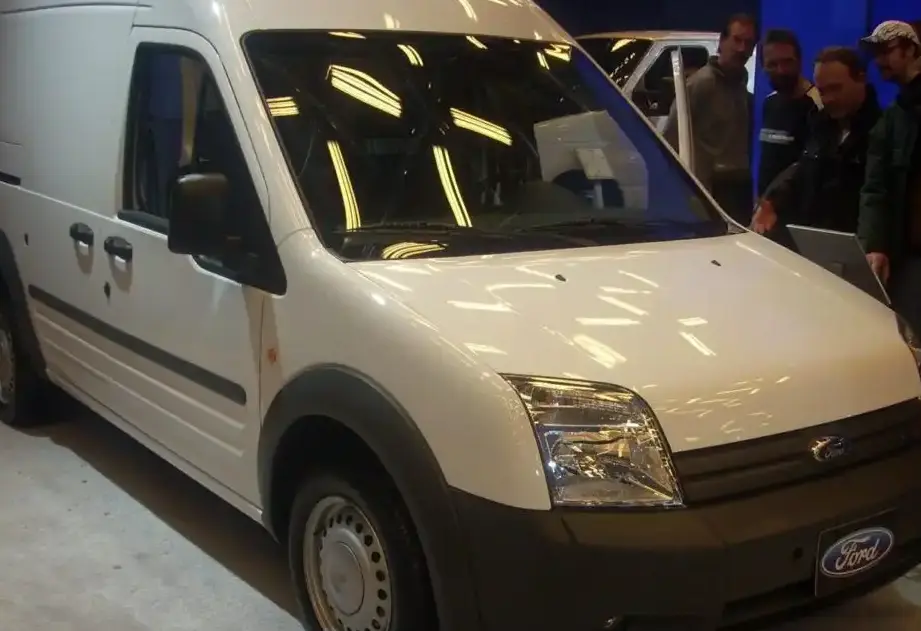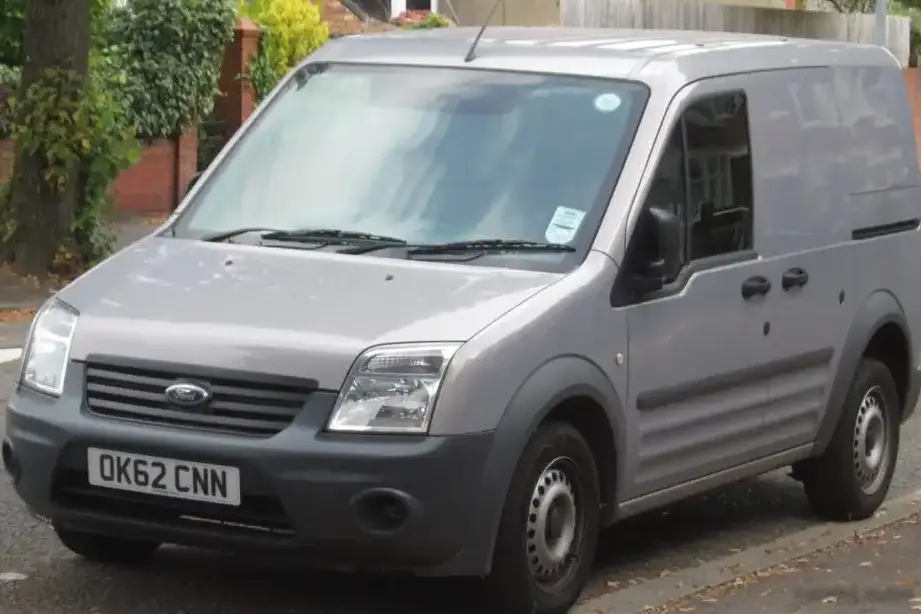
The Ford Transit Connect, particularly the first generation (2002-2013) and its 2009 facelift, represented Ford’s entry into the compact commercial van segment in North America and Europe. The 1.8 TDCi (75 horsepower) variant, produced from 2011-2013, was a key offering, positioned as the entry-level engine option for budget-conscious buyers and those prioritizing fuel efficiency over outright performance. This L1H1 configuration – denoting the short wheelbase and standard roof height – was a common sight in urban delivery services and small businesses. It shared its platform with the Focus, utilizing the C170 architecture, and was a significant departure from traditional full-size vans, offering a more manageable size for city driving.
Technical Specifications
| Brand | Ford |
| Model | Transit Connect |
| Generation | Transit Connect I (facelift 2009) Panel Van L1H1 |
| Type (Engine) | 1.8 TDCi (75 Hp) DPF |
| Start of production | September, 2011 |
| End of production | 2013 |
| Powertrain Architecture | Internal Combustion engine |
| Body type | Minivan |
| Seats | 2 |
| Doors | 3-5 |
| Fuel consumption (urban) | 7.2 l/100 km (32.7 US mpg, 39.2 UK mpg, 13.9 km/l) |
| Fuel consumption (extra urban) | 5.3 l/100 km (44.4 US mpg, 53.3 UK mpg, 18.9 km/l) |
| Fuel consumption (combined) | 6 l/100 km (39.2 US mpg, 47.1 UK mpg, 16.7 km/l) |
| CO2 emissions | 159 g/km |
| Fuel Type | Diesel |
| Acceleration 0 – 100 km/h | 21 sec |
| Acceleration 0 – 62 mph | 21 sec |
| Acceleration 0 – 60 mph | 20 sec |
| Maximum speed | 144 km/h (89.48 mph) |
| Emission standard | Euro 5 |
| Weight-to-power ratio | 18.5 kg/Hp, 54 Hp/tonne |
| Weight-to-torque ratio | 6.3 kg/Nm, 158.5 Nm/tonne |
| Power | 75 Hp @ 4000 rpm |
| Power per litre | 42.8 Hp/l |
| Torque | 220 Nm @ 1900 rpm (162.26 lb.-ft. @ 1900 rpm) |
| Engine layout | Front, Transverse |
| Engine Model/Code | Duratorq / BHPA, P7PA, R2PA |
| Engine displacement | 1753 cm3 (106.97 cu. in.) |
| Number of cylinders | 4 |
| Engine configuration | Inline |
| Cylinder Bore | 82.5 mm (3.25 in.) |
| Piston Stroke | 82 mm (3.23 in.) |
| Compression ratio | 19.4:1 |
| Number of valves per cylinder | 2 |
| Fuel injection system | Diesel Commonrail |
| Engine aspiration | Turbocharger, Intercooler |
| Valvetrain | SOHC |
| Engine oil capacity | 5.6 l (5.92 US qt | 4.93 UK qt) |
| Coolant capacity | 7 l (7.4 US qt | 6.16 UK qt) |
| Kerb Weight | 1388-1510 kg (3060.02 – 3328.98 lbs.) |
| Max. weight | 2040-2240 kg (4497.43 – 4938.35 lbs.) |
| Max load | 652-730 kg (1437.41 – 1609.37 lbs.) |
| Trunk (boot) space – minimum | 2800 l (98.88 cu. ft.) |
| Trunk (boot) space – maximum | 3400 l (120.07 cu. ft.) |
| Fuel tank capacity | 60 l (15.85 US gal | 13.2 UK gal) |
| Permitted trailer load (braked) | 1200 kg (2645.55 lbs.) |
| Permitted trailer load (unbraked) | 730 kg (1609.37 lbs.) |
| Length | 4275 mm (168.31 in.) |
| Width | 1795 mm (70.67 in.) |
| Width (including mirrors) | 2044 mm (80.47 in.) |
| Height | 1815 mm (71.46 in.) |
| Wheelbase | 2664 mm (104.88 in.) |
| Front track | 1505 mm (59.25 in.) |
| Rear track | 1552 mm (61.1 in.) |
| Front overhang | 861 mm (33.9 in.) |
| Rear overhang | 749 mm (29.49 in.) |
| Ride height | 166 mm (6.54 in.) |
| Turning circle | 11 m (36.09 ft.) |
| Drivetrain | Front wheel drive |
| Number of gears | 5 |
| Gearbox type | Manual transmission |
| Front suspension | Independent, McPherson with coil spring and anti-roll bar |
| Rear suspension | Transverse stabilizer, Leaf spring |
| Front brakes | Ventilated discs |
| Rear brakes | Disc |
| Assisting systems | ABS (Anti-lock braking system) |
| Steering type | Steering rack and pinion |
| Power steering | Hydraulic |
| Tires size | 195/65 R15 |
| Wheel rims size | 6J x 15 |
Powertrain & Engine Architecture
The heart of this Transit Connect variant is the 1.8-liter Duratorq TDCi diesel engine, specifically the BHPA, P7PA, or R2PA engine code depending on the exact production date and market. This engine is a four-cylinder, inline configuration, utilizing a single overhead camshaft (SOHC) valvetrain with two valves per cylinder. A key feature is its turbocharger with intercooler, which helps to boost power and improve efficiency. The engine employs a Diesel Commonrail direct fuel injection system, delivering fuel directly into the combustion chamber at high pressure for optimized combustion. The 19.4:1 compression ratio is typical for diesel engines, contributing to their thermal efficiency. Paired with this engine was a five-speed manual transmission, chosen for its simplicity and cost-effectiveness in this entry-level trim. The transmission’s gear ratios were tuned for fuel economy and usability in urban environments, rather than outright acceleration.
Driving Characteristics
The 75 horsepower output and 220 Nm (162 lb-ft) of torque of the 1.8 TDCi engine resulted in a utilitarian driving experience. Acceleration was modest, taking approximately 21 seconds to reach 60 mph. The focus was on providing adequate power for typical commercial van duties – carrying loads and navigating city streets – rather than sporty performance. The five-speed manual transmission allowed drivers to keep the engine in its optimal torque band, but required frequent shifting when fully loaded or tackling inclines. Compared to the higher-output 1.6-liter TDCi or gasoline engine options, this variant felt noticeably slower. However, it offered a significant advantage in fuel economy, making it a popular choice for businesses prioritizing operating costs.
Equipment & Trim Levels
The 1.8 TDCi 75hp variant typically represented the base trim level of the Transit Connect. Standard equipment generally included power steering, ABS brakes, a driver’s airbag, and basic steel wheels. The interior was functional and durable, with hard-wearing plastic trim and cloth upholstery. Air conditioning, power windows, and a radio/CD player were often optional extras. The van’s interior was designed for practicality, with a focus on maximizing cargo space and providing a comfortable working environment for the driver. The lack of extensive features kept the price point competitive.
Chassis & Braking
The Transit Connect’s chassis was based on the Ford Focus platform, providing a relatively comfortable ride for a commercial vehicle. The front suspension utilized an independent McPherson strut setup with a coil spring and anti-roll bar, while the rear suspension employed a more basic leaf spring arrangement. Brakes consisted of ventilated discs at the front and solid discs at the rear. The suspension tuning prioritized load-carrying capacity and stability over sporty handling. The relatively simple braking system was adequate for the vehicle’s weight and performance.
Market Reception & Comparison
The 1.8 TDCi 75hp Transit Connect was generally well-received as a practical and economical commercial vehicle. Critics praised its fuel efficiency and maneuverability, particularly in urban environments. However, the engine’s lack of power was a common criticism, especially when the van was fully loaded. Compared to the more powerful engine options, this variant offered a lower purchase price and better fuel economy, making it attractive to small businesses and delivery services. The 1.6 TDCi offered a better balance of power and economy, while the gasoline engines provided more refinement but at the cost of fuel efficiency.
Legacy
The 1.8 TDCi engine, while not known for its blistering performance, proved to be relatively reliable. Common issues included diesel particulate filter (DPF) clogging, particularly with frequent short trips, and occasional turbocharger wear. However, with proper maintenance, these engines could accumulate high mileage. On the used car market, these Transit Connects are often sought after for their affordability and practicality. They remain a popular choice for small businesses and individuals needing a compact, fuel-efficient van. The first-generation Transit Connect established Ford as a serious contender in the compact commercial van segment, paving the way for subsequent generations.