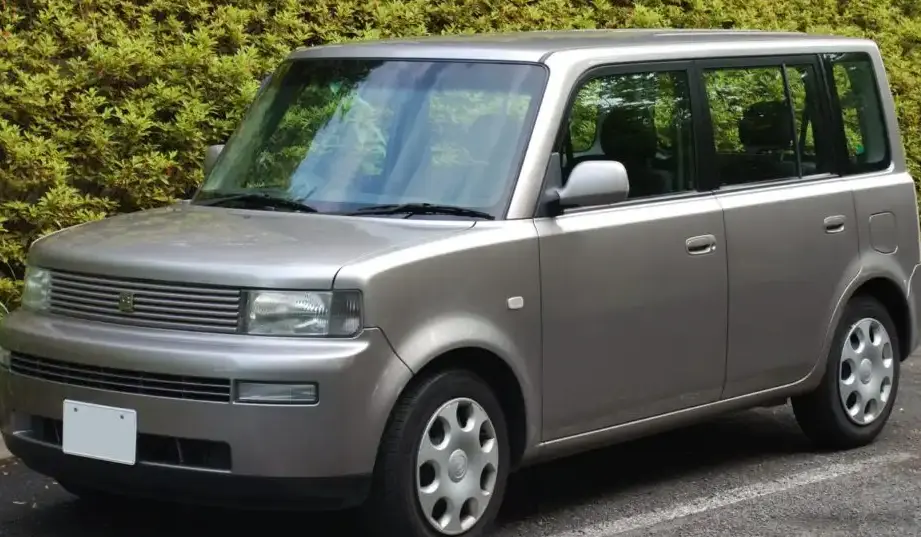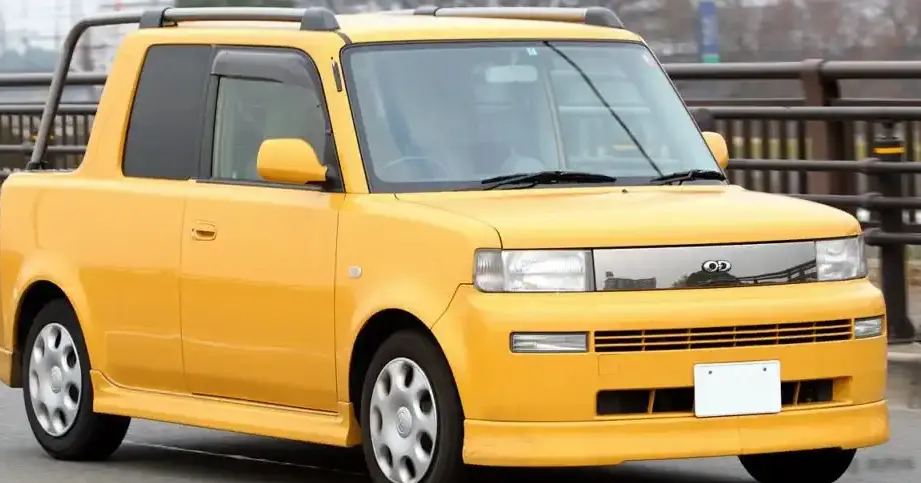
The Toyota bB Open Deck 1.3 i 16V, produced from 2000 to 2001, represents a unique and relatively short-lived variant within the second generation Toyota bB (also known as the Daihatsu Copen in some markets). This particular configuration, featuring the 2NZ-FE 1.3-liter engine paired with an automatic transmission, was primarily aimed at the Japanese domestic market (JDM) and offered a distinctive blend of compact size, quirky styling, and practical utility. The “Open Deck” designation refers to the vehicle’s open-air, pick-up style cargo area, differentiating it from the standard hatchback bB models. It occupied an entry-level position within the bB lineup, offering a more affordable and accessible option for buyers seeking a small, versatile vehicle.
Technical Specifications
| Brand | Toyota |
| Model | bB |
| Generation | bB Open Deck |
| Type (Engine) | 1.3 i 16V (88 Hp) |
| Start of production | 2000 |
| End of production | 2001 |
| Powertrain Architecture | Internal Combustion engine |
| Body type | Pick-up |
| Seats | 4 |
| Doors | 3 |
| Fuel Type | Petrol (Gasoline) |
| Power | 88 Hp |
| Engine Model/Code | 2NZ-FE |
| Engine aspiration | Naturally aspirated engine |
| Engine oil capacity | 3.7 l (3.91 US qt | 3.26 UK qt) |
| Coolant capacity | 4.4 l (4.65 US qt | 3.87 UK qt) |
Powertrain & Engine Architecture
The heart of the bB Open Deck 1.3 i 16V is the 2NZ-FE engine, a 1.3-liter (1298 cc) inline-four cylinder gasoline engine. This engine is part of Toyota’s NZ engine family, known for its compact size, lightweight construction, and relatively fuel-efficient operation. The 2NZ-FE utilizes a single overhead camshaft (SOHC) design with four valves per cylinder (16V), contributing to its decent power output for its displacement. Fuel delivery is managed by Toyota’s electronically controlled fuel injection system, optimizing combustion for both performance and emissions. The engine produces 88 horsepower at approximately 6,000 rpm and 86 lb-ft of torque at 3,600 rpm. The automatic transmission paired with this engine is typically a four-speed unit, designed for smooth and convenient operation in urban environments. This transmission prioritizes fuel economy and ease of use over outright performance.
Driving Characteristics
The driving experience in the bB Open Deck 1.3 i 16V is best described as practical and undemanding. The 88 horsepower engine, coupled with the four-speed automatic transmission, provides adequate power for city driving and light highway cruising. Acceleration is not brisk, and overtaking maneuvers require planning. The automatic transmission’s gear ratios are tuned for fuel efficiency, meaning the engine often operates at higher rpm during acceleration. Compared to the more powerful 1.5-liter engine option available in other bB models, the 1.3-liter version feels noticeably less responsive. However, the automatic transmission offers a comfortable and convenient driving experience, particularly in congested traffic. The relatively light weight of the vehicle helps to mitigate the lack of raw power, making it feel nimble and easy to maneuver.
Equipment & Trim Levels
The bB Open Deck 1.3 i 16V, being an entry-level trim, typically came equipped with a fairly basic set of features. Standard equipment generally included air conditioning, power steering, and a basic audio system. Interior upholstery was typically cloth, and the dashboard featured a functional, if somewhat spartan, design. Optional extras available for this trim could include alloy wheels, upgraded audio systems, and power windows. The “Open Deck” configuration itself was a key feature, providing a small, open-air cargo bed that was ideal for carrying small items or enjoying an open-air experience. The interior space, despite the vehicle’s compact exterior dimensions, was surprisingly roomy for passengers.
Chassis & Braking
The bB Open Deck 1.3 i 16V utilizes a front-engine, front-wheel-drive layout. The suspension system consists of MacPherson struts in the front and a torsion beam setup in the rear. This suspension configuration provides a comfortable ride quality, although it is not particularly sporty. The braking system typically features disc brakes in the front and drum brakes in the rear. While adequate for normal driving conditions, the braking performance is not as powerful as that of vehicles with four-wheel disc brakes. The vehicle’s relatively light weight helps to compensate for the less sophisticated braking system. Stabilizer bars were often omitted on the base model to keep costs down, contributing to a slightly more pronounced body roll during cornering.
Market Reception & Comparison
The Toyota bB Open Deck 1.3 i 16V was primarily targeted at young buyers and those seeking a unique and stylish vehicle. Critics generally praised the bB’s quirky design and practical utility, but noted that the 1.3-liter engine felt underpowered, especially when paired with the automatic transmission. Compared to the 1.5-liter bB models, the 1.3-liter version offered lower fuel economy and slower acceleration. However, it was also more affordable, making it an attractive option for budget-conscious buyers. The bB competed with other small, quirky vehicles in the JDM market, such as the Honda Beat and the Suzuki Cappuccino, but offered a more practical and versatile package. Its fuel economy was comparable to other vehicles in its class, but its performance was generally lower.
Legacy
The Toyota bB Open Deck 1.3 i 16V, despite its short production run, has gained a cult following among enthusiasts of JDM vehicles. The 2NZ-FE engine is known for its reliability and durability, and with proper maintenance, it can provide many years of trouble-free service. The automatic transmission, while not particularly sporty, is also generally reliable. In the used car market, the bB Open Deck 1.3 i 16V is often sought after for its unique styling and quirky charm. Parts availability can be a challenge outside of Japan, but many parts are still available through online retailers and specialist importers. The vehicle’s relatively simple mechanical design makes it relatively easy to maintain and repair, even for amateur mechanics. Today, it represents a unique piece of automotive history, embodying the playful and innovative spirit of the late 1990s and early 2000s JDM scene.