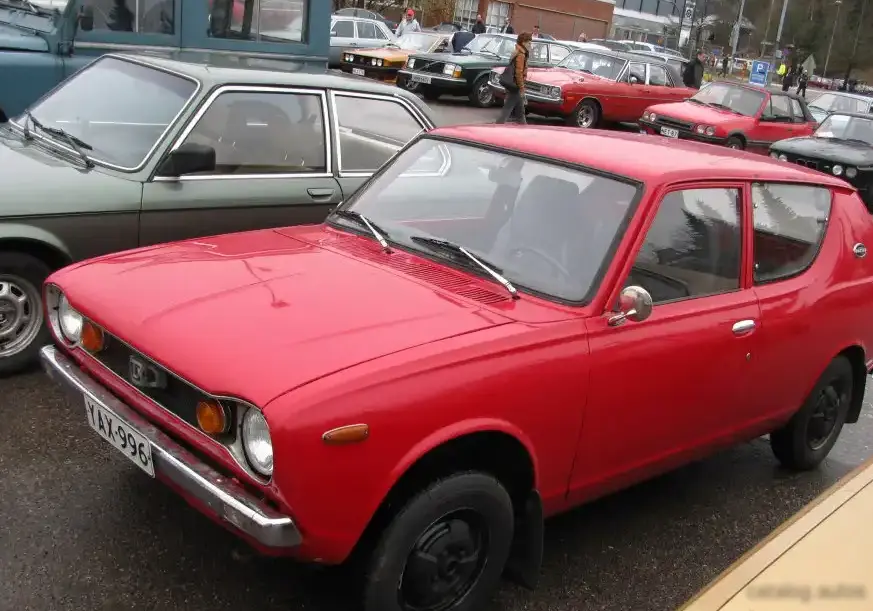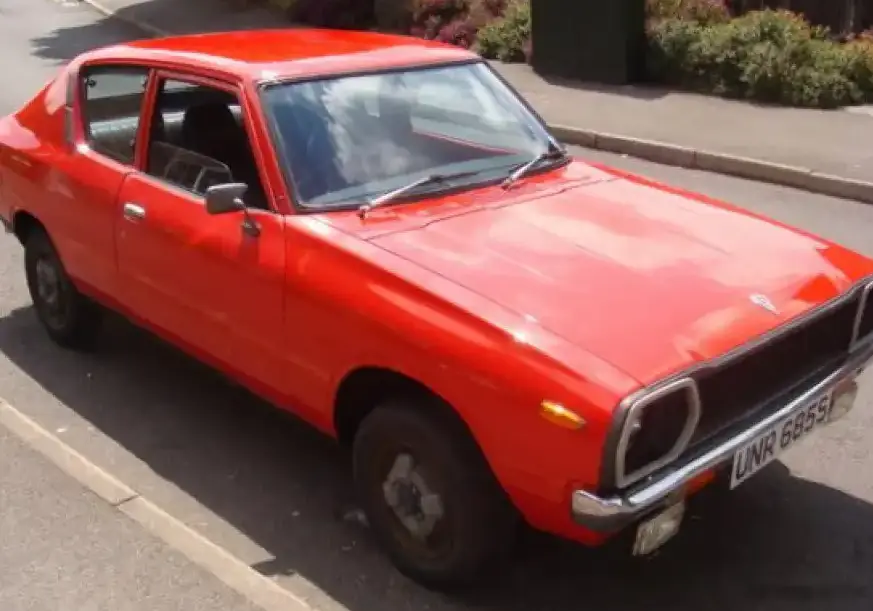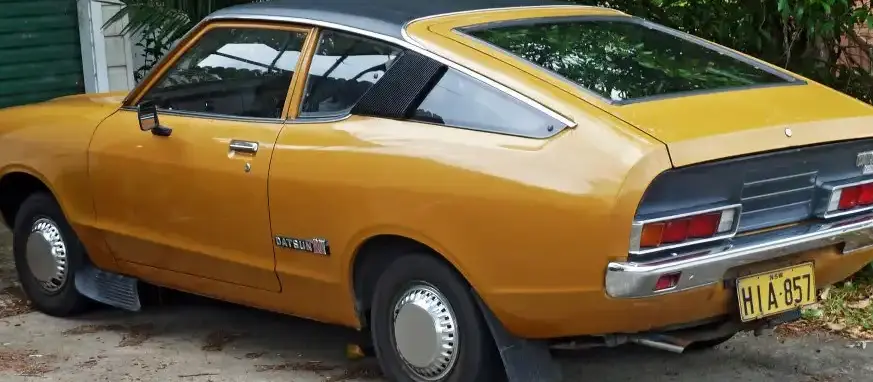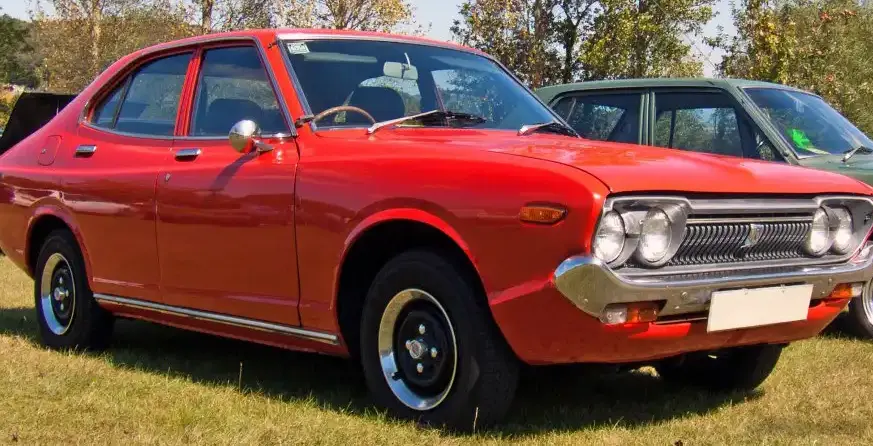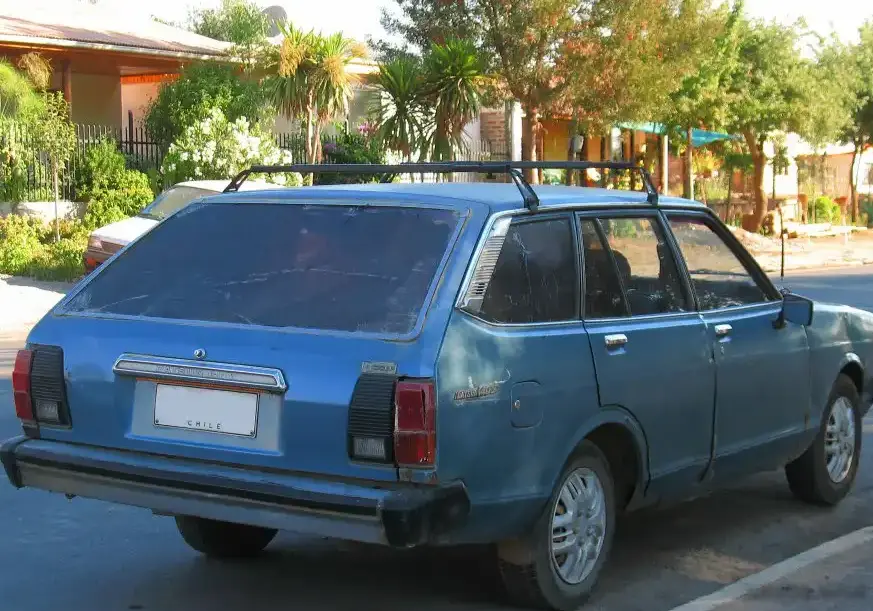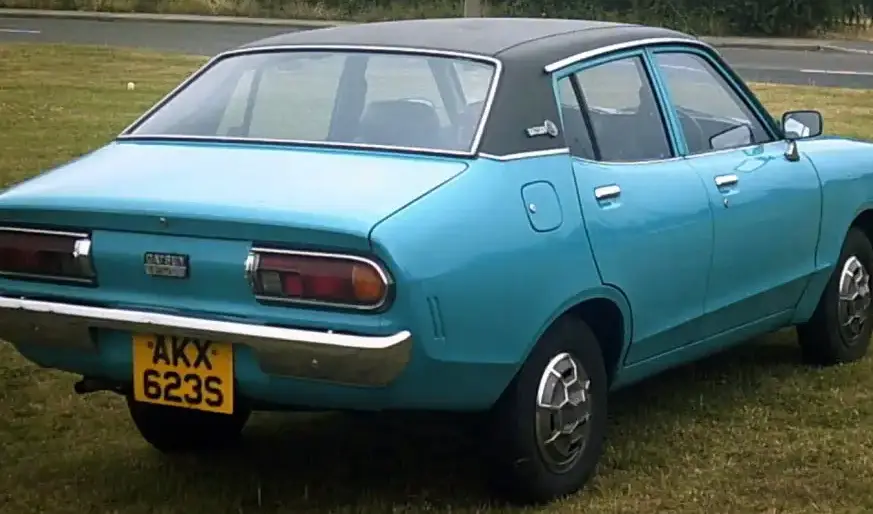
The Nissan Datsun 120Y, specifically the 1.2-liter (LB210) variant producing 52 horsepower, represents an important entry point into the compact car market for North American and global consumers during the late 1970s and early 1980s. Produced from 1976 to 1980, this model served as a practical and economical transportation solution, building upon the success of earlier Datsun compacts. It was part of the broader B110 (1970-1976) and subsequent B210 (1976-1980) series, known for their reliability and fuel efficiency. The 1.2L engine and automatic transmission combination positioned this trim as a base-level offering, aimed at buyers prioritizing affordability and ease of use over outright performance.
Technical Specifications
| Brand | Nissan/Datsun |
| Model | Datsun 120Y |
| Generation | Datsun 120 (B210) |
| Type (Engine) | Y 1.2 (LB210) (52 Hp) |
| Start of Production | 1976 |
| End of Production | 1980 |
| Powertrain Architecture | Internal Combustion Engine |
| Body Type | Sedan |
| Fuel Type | Petrol (Gasoline) |
| Power | 52 Hp |
| Engine Aspiration | Naturally Aspirated |
| Engine Displacement | 1.2 Liters |
| Transmission | Automatic (typically 3-speed) |
Introduction
The Datsun 120Y (marketed as the Nissan 120Y in some regions) was Datsun’s offering in the subcompact car segment, designed to compete with vehicles like the Volkswagen Golf and Ford Fiesta. The B210 series, introduced in 1976, represented a significant update over the earlier B110, featuring a slightly larger body and improved interior space. The 1.2-liter engine, designated LB210, was the smallest engine option available, primarily intended for markets where fuel economy and lower purchase price were paramount. In the United States, the 120Y was positioned as an economical alternative to domestic compacts, emphasizing its reliability and low running costs. This particular variant, with its automatic transmission, broadened its appeal to drivers seeking convenience alongside affordability.
Powertrain & Engine Architecture
The heart of the 120Y 1.2 was the LB210 engine, a 1188cc inline-four cylinder gasoline engine. This engine utilized a naturally aspirated configuration, meaning it did not employ a turbocharger or supercharger. Fuel delivery was managed by a carburetor, a common feature for vehicles of this era, rather than fuel injection. The engine featured a single overhead camshaft (SOHC) valvetrain, operating two valves per cylinder. While not a powerhouse, the LB210 was known for its durability and simplicity. The automatic transmission typically paired with this engine was a three-speed unit, designed for smooth, if not particularly rapid, acceleration. The transmission was hydraulically controlled, offering a relatively comfortable driving experience for its time. The engine’s modest output of 52 horsepower and approximately 68 lb-ft of torque was geared towards efficient cruising rather than spirited performance.
Driving Characteristics
The 1.2-liter, automatic transmission combination in the Datsun 120Y delivered a driving experience focused on practicality and ease of use. Acceleration was modest, with 0-60 mph times estimated to be around 16-18 seconds. The three-speed automatic transmission featured relatively widely spaced gear ratios, prioritizing fuel economy over quick shifts. Compared to the available five-speed manual transmission, the automatic version resulted in a noticeable reduction in both acceleration and fuel efficiency. However, the automatic offered a more relaxed driving experience, particularly in urban environments. The car’s suspension, consisting of MacPherson struts in the front and leaf springs in the rear, provided a comfortable ride, although handling was not particularly sporty. The steering was light and easy, making it maneuverable in tight spaces.
Equipment & Trim Levels
The 1.2-liter automatic Datsun 120Y typically represented the base trim level. Standard equipment generally included cloth upholstery, basic instrumentation (speedometer, fuel gauge, and temperature gauge), and a two-spoke steering wheel. Air conditioning, a radio, and upgraded interior trim were often available as optional extras. The dashboard layout was functional and straightforward, prioritizing usability over aesthetics. Exterior features typically included steel wheels with hubcaps, chrome bumpers, and relatively simple exterior trim. The overall interior ambiance was spartan but durable, reflecting the car’s focus on affordability. The trim level was often identified by minimal badging, emphasizing the car’s basic transportation role.
Chassis & Braking
The Datsun 120Y utilized a body-on-frame construction, a common practice for vehicles of this era. The front suspension employed MacPherson struts, providing a relatively comfortable ride. The rear suspension utilized leaf springs, which were cost-effective but less sophisticated than independent suspension systems. Braking was typically accomplished with drum brakes on all four wheels, although some later models or higher trim levels may have featured front disc brakes. The braking system was adequate for the car’s weight and performance, but lacked the stopping power of more modern systems. Steering was a recirculating ball system, providing light and easy steering feel, but lacking the precision of rack-and-pinion steering. The chassis was designed for durability and simplicity, prioritizing reliability over sporty handling.
Market Reception & Comparison
The Datsun 120Y 1.2 automatic received generally positive reviews for its fuel efficiency, reliability, and affordability. Critics noted its modest performance, but acknowledged that it was sufficient for everyday driving. Compared to other trims in the 120Y lineup, such as the 1.4-liter or 1.6-liter versions, the 1.2-liter automatic offered lower performance but superior fuel economy. The manual transmission variants of the 1.2-liter engine also provided better acceleration and fuel efficiency. In the US market, it was often compared to the Chevrolet Chevette and Ford Pinto, offering a perceived advantage in terms of build quality and reliability. Fuel economy was a key selling point, particularly during the energy crises of the late 1970s.
Legacy
The Nissan Datsun 120Y 1.2 (LB210) has developed a reputation for long-term reliability, particularly the engine and drivetrain. While finding well-maintained examples today can be challenging, those that remain are often prized by enthusiasts for their simplicity and ease of repair. The LB210 engine is known for its durability, and parts availability, while diminishing, is still reasonable. The automatic transmission, while not particularly sophisticated, has also proven to be relatively reliable. In the used car market, these vehicles are often sought after as affordable classic cars or project vehicles. The 120Y’s legacy lies in its role as a practical and economical transportation solution that helped establish Datsun (and later Nissan) as a major player in the global automotive market. It represents a significant chapter in the history of compact car design and engineering.