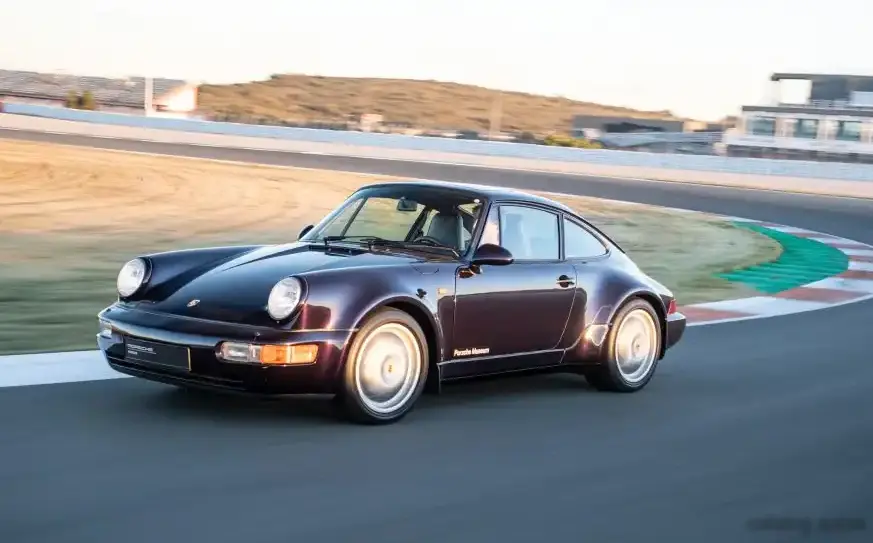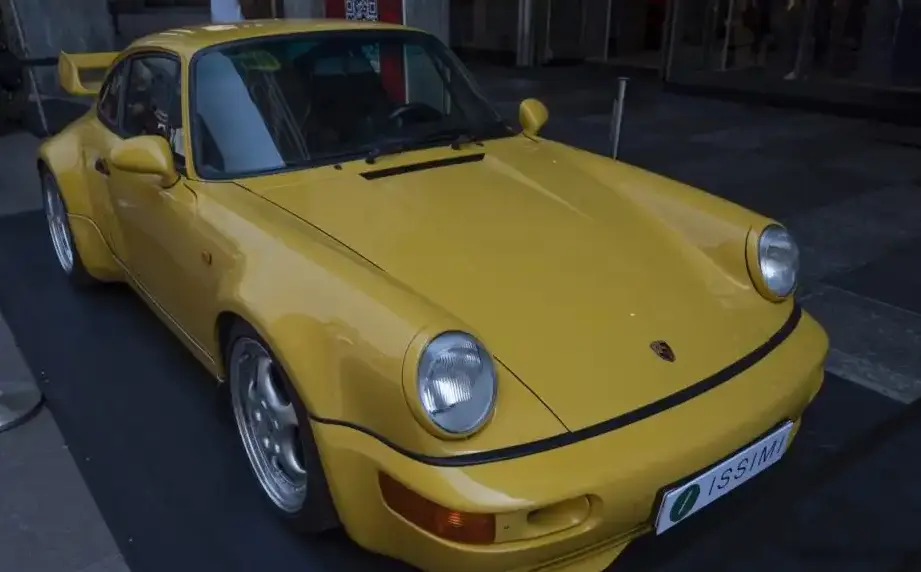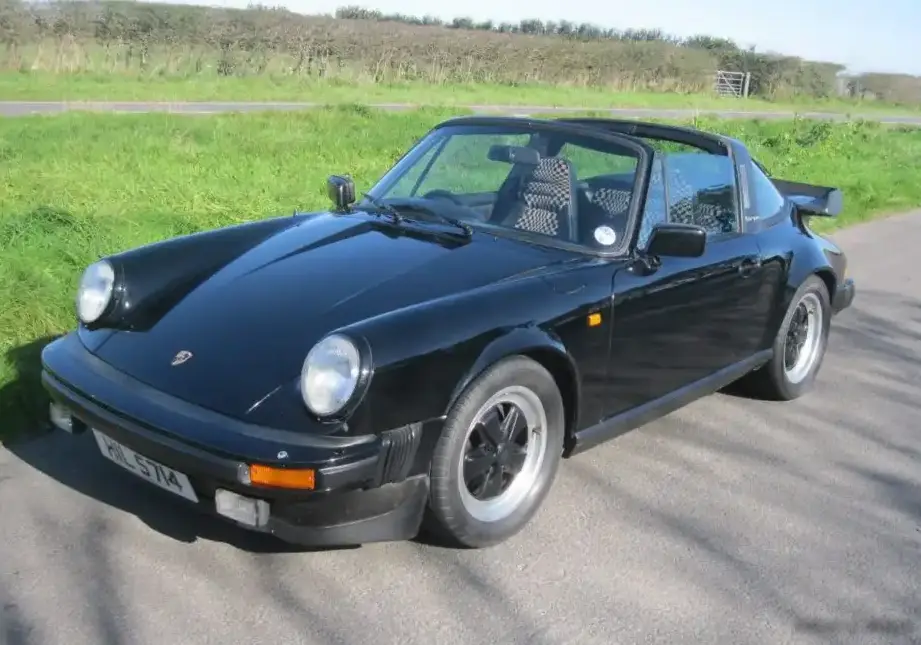
The Porsche 911 Targa (G) 3.0 Carrera, produced between 1977 and 1979, represents a pivotal moment in the evolution of the iconic 911. Falling within the G-Series (1974-1989) of the 911, the 3.0 Carrera was introduced as a replacement for the earlier 2.7-liter models, offering increased displacement and performance. The Targa body style, characterized by its removable roof panel and fixed roll bar, provided an open-air driving experience while maintaining a degree of structural rigidity. This variant occupied a middle ground in the 911 lineup, positioned above the base Targa models but below the more performance-focused Carrera RS and Turbo variants.
Technical Specifications
| Brand | Porsche |
| Model | 911 |
| Generation | 911 Targa (G) |
| Type (Engine) | 3.0 Carrera (200 Hp) |
| Start of production | 1977 |
| End of production | 1979 |
| Powertrain Architecture | Internal Combustion engine |
| Body type | Targa |
| Seats | 4 |
| Doors | 2 |
| Fuel Type | Petrol (Gasoline) |
| Power | 200 Hp @ 6000 rpm |
| Power per litre | 66.8 Hp/l |
| Torque | 255 Nm @ 4200 rpm |
| Torque (lb.-ft.) | 188.08 lb.-ft. @ 4200 rpm |
| Maximum engine speed | 6800 rpm |
| Engine layout | Rear, Longitudinal |
| Engine Model/Code | 930.02 |
| Engine displacement | 2993 cm3 |
| Engine displacement (cu. in.) | 182.64 cu. in. |
| Number of cylinders | 6 |
| Engine configuration | Boxer |
| Cylinder Bore | 95 mm |
| Cylinder Bore (in.) | 3.74 in. |
| Piston Stroke | 70.4 mm |
| Piston Stroke (in.) | 2.77 in. |
| Compression ratio | 8.5:1 |
| Number of valves per cylinder | 2 |
| Fuel injection system | Multi-port manifold injection |
| Engine aspiration | Naturally aspirated engine |
| Valvetrain | SOHC |
| Engine oil capacity | 10 l |
| Engine oil capacity (US qt) | 10.57 US qt |
| Engine oil capacity (UK qt) | 8.8 UK qt |
| Length | 4291 mm |
| Length (in.) | 168.94 in. |
| Width | 1652 mm |
| Width (in.) | 65.04 in. |
| Height | 1320 mm |
| Height (in.) | 51.97 in. |
| Wheelbase | 2272 mm |
| Wheelbase (in.) | 89.45 in. |
| Front track | 1369 mm |
| Front track (in.) | 53.9 in. |
| Rear track | 1380 mm |
| Rear track (in.) | 54.33 in. |
| Front overhang | 932 mm |
| Front overhang (in.) | 36.69 in. |
| Rear overhang | 1087 mm |
| Rear overhang (in.) | 42.8 in. |
| Ride height (ground clearance) | 120 mm |
| Ride height (ground clearance) (in.) | 4.72 in. |
| Drivetrain Architecture | Rear wheel drive |
| Number of gears | 5 |
| Type of gearbox | Manual transmission |
| Front suspension | Spring Strut, Wishbone |
| Rear suspension | Trailing arm |
| Front brakes | Ventilated discs, 282.5 mm |
| Rear brakes | Ventilated discs, 290 mm |
| Steering type | Steering rack and pinion |
| Front tires | 185/70 R15; 205/55 R16 |
| Rear tires | 215/60 R15, 225/50 R16 |
| Front wheel rims | 6J x 15; 6 J x 16 |
| Rear wheel rims | 7J x 15, 7J x 16 |
Powertrain & Engine Architecture
The heart of the 911 Targa 3.0 Carrera is the 930.02 engine, a 2,993 cc air-cooled, naturally aspirated flat-six (boxer) engine. This engine represented a significant upgrade from the previous 2.7-liter units, featuring a larger displacement achieved through an increased bore and stroke. The engine utilized Bosch K-Jetronic mechanical fuel injection, a system known for its precision and reliability. The single overhead camshaft (SOHC) design operated two valves per cylinder. The boxer configuration, with its horizontally opposed cylinders, contributed to a low center of gravity, enhancing handling characteristics. The 3.0 Carrera was exclusively offered with a five-speed manual transmission, providing precise control over the engine’s power delivery. The transmission was fully synchronized, improving shift quality.
Driving Characteristics
The 3.0 Carrera offered a noticeable improvement in performance over its 2.7-liter predecessors. The increased displacement and refined fuel injection system resulted in a more robust power curve, delivering 200 horsepower and 188 lb-ft of torque. While not as overtly aggressive as the later Turbo models, the 3.0 Carrera provided ample power for spirited driving. The five-speed manual transmission allowed drivers to fully exploit the engine’s capabilities, with well-spaced gear ratios. The rear-wheel-drive layout and the engine’s rearward placement contributed to a distinctive driving experience, characterized by excellent traction and a tendency towards oversteer. The Targa top, while adding some weight compared to the coupe, did not significantly detract from the car’s handling prowess.
Equipment & Trim Levels
The 911 Targa 3.0 Carrera came reasonably well-equipped for its time. Standard features included leatherette upholstery, a leather-wrapped steering wheel, and a basic sound system. Optional extras were plentiful, allowing buyers to personalize their vehicles. Popular options included upgraded sound systems, air conditioning, power windows, and sport seats. The interior design was functional and driver-focused, with a clear instrument cluster and well-placed controls. The Targa top itself was manually operated, requiring removal and storage of the roof panel separately.
Chassis & Braking
The 911 Targa 3.0 Carrera utilized a robust chassis featuring independent suspension on all four wheels. The front suspension employed a combination of spring struts and wishbones, while the rear suspension utilized trailing arms. This setup provided a good balance between ride comfort and handling precision. Braking duties were handled by ventilated disc brakes on all four wheels, offering excellent stopping power. The braking system was not equipped with ABS, which was not yet commonplace in the late 1970s. Steering was via a rack and pinion system, providing precise and responsive control.
Market Reception & Comparison
The 911 Targa 3.0 Carrera was generally well-received by automotive critics. It was praised for its improved performance, refined handling, and comfortable interior. Compared to the base Targa models, the 3.0 Carrera offered a significant performance upgrade. It also represented a more accessible entry point into the Carrera range compared to the more expensive and track-focused Carrera RS. Fuel economy, while not a primary concern for 911 buyers, was reasonable for a sports car of its era. Reliability was generally good, although the air-cooled engine required regular maintenance to prevent issues.
Legacy
The Porsche 911 Targa 3.0 Carrera holds a significant place in the 911’s history. It bridged the gap between the earlier 2.7-liter models and the later 3.3-liter Carrera variants. The 930.02 engine proved to be a durable and reliable powerplant, and many examples are still on the road today. In the used car market, the 3.0 Carrera is highly sought after by collectors and enthusiasts, commanding premium prices due to its rarity and historical significance. Its blend of performance, style, and open-air driving experience continues to appeal to Porsche aficionados.