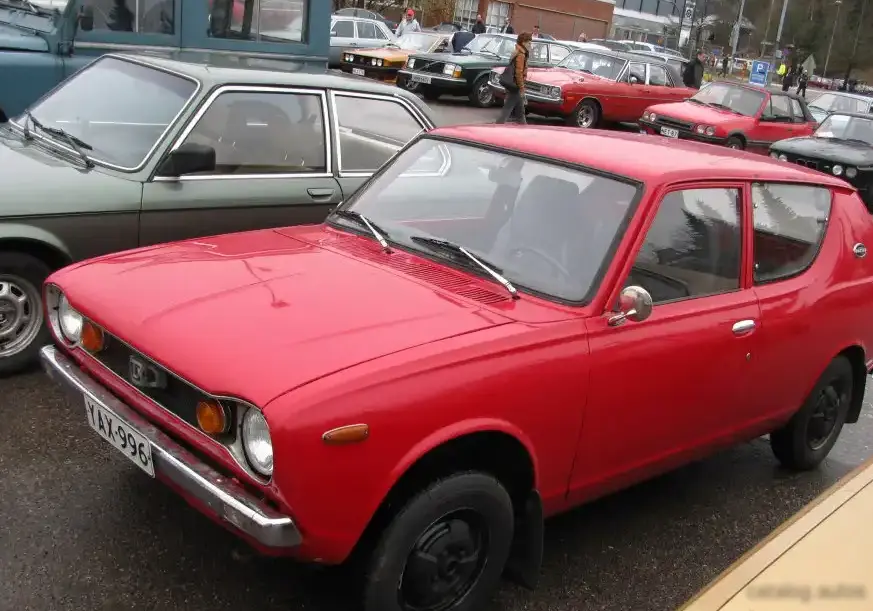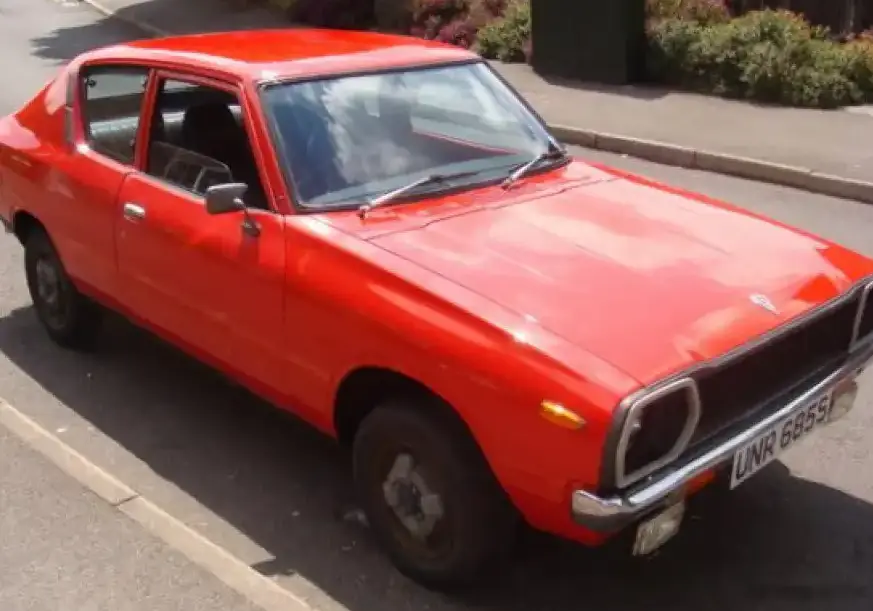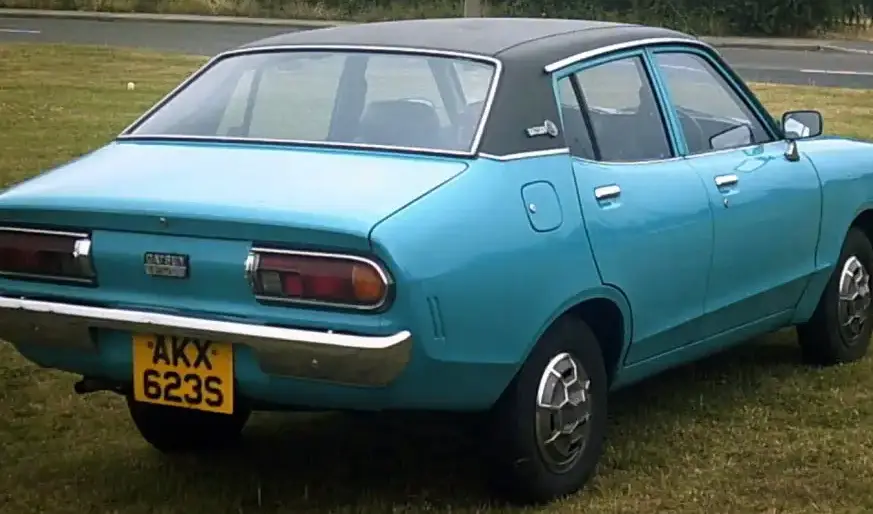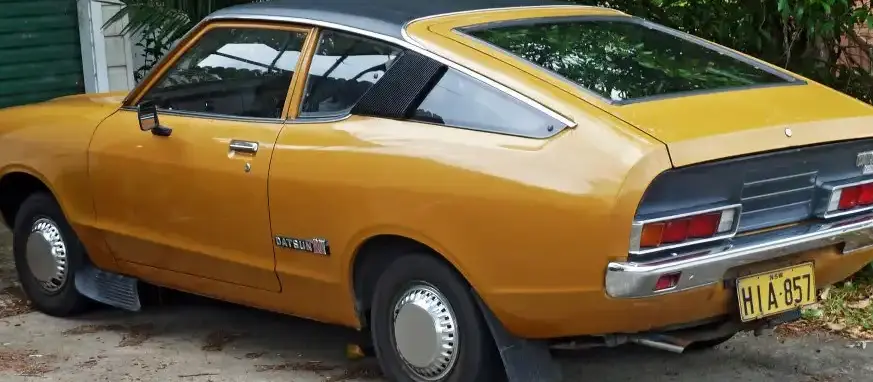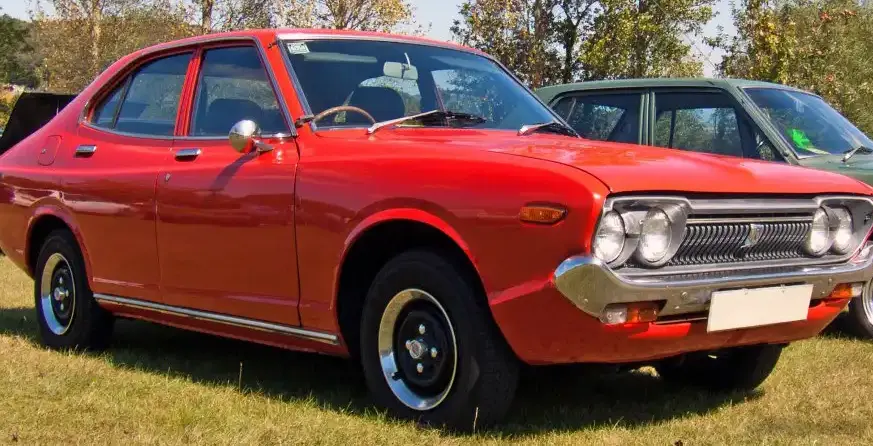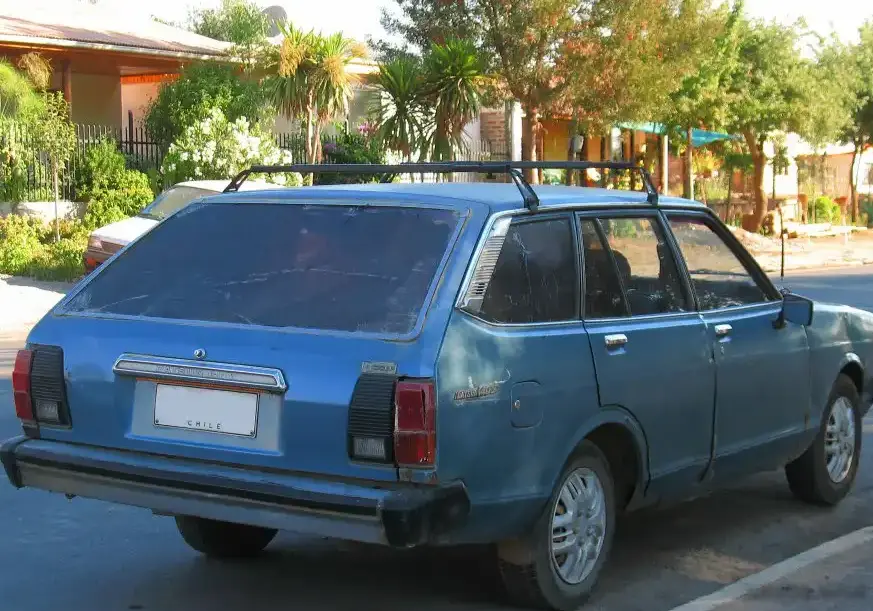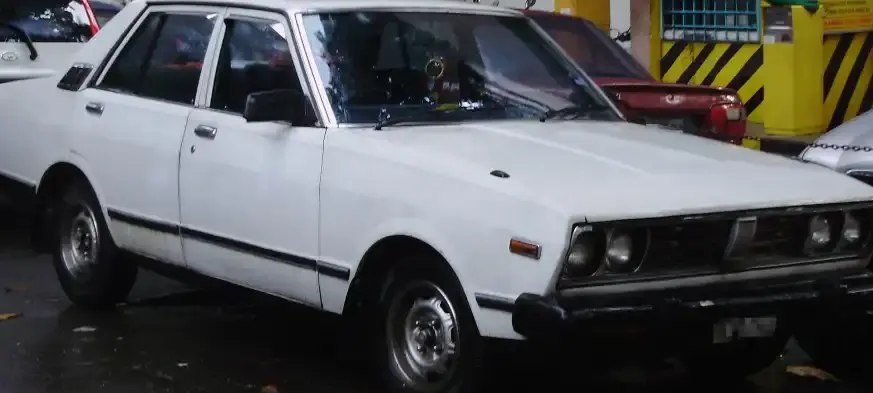
The Nissan Datsun 160J, produced between 1973 and 1978, represents a significant step in Nissan’s expansion into the global compact car market. Part of the 710 (A10) series, the 160J was primarily aimed at providing affordable and reliable transportation, particularly in North America and Australia, where it was marketed under the Datsun brand. This model served as a bridge between the earlier 510 and the subsequent 810, offering a larger interior and improved comfort without a substantial price increase. The 1.6-liter, 72 horsepower variant occupied the entry-level position within the 710 lineup, offering a balance of economy and practicality for everyday drivers.
Technical Specifications
| Brand | Nissan/Datsun |
| Model | Datsun 160J (710, A10) |
| Generation | Datsun 160J (710, A10) |
| Engine Type | 1.6L Inline-Four (710) |
| Power Output | 72 hp (53.7 kW) @ 5,200 rpm |
| Torque | 98 lb-ft (133 Nm) @ 3,200 rpm |
| Fuel System | Hitachi Carburetor (Single Barrel) |
| Engine Aspiration | Naturally Aspirated |
| Transmission | 3-Speed Automatic |
| Drivetrain | Rear-Wheel Drive |
| Body Type | 4-Door Sedan |
| Curb Weight | 2,200 – 2,350 lbs (approx. 998 – 1,066 kg) |
| Fuel Capacity | 13.2 gallons (50 liters) |
Powertrain & Engine Architecture
The heart of the Datsun 160J was the L16 inline-four cylinder engine, displacing 1.6 liters (1,600 cc). This engine, a staple of Datsun’s offerings during the 1970s, featured a cast iron block and cylinder head, with a single overhead camshaft operating pushrods to actuate the valves. The 72 horsepower output was achieved through a relatively conservative compression ratio of 8.5:1 and a single Hitachi carburetor. The carburetor, while simple and reliable, contributed to the engine’s modest power figures compared to later fuel-injected designs. The L16 engine was known for its durability and ease of maintenance, making it a popular choice for budget-conscious buyers. The 3-speed automatic transmission was a key component of this variant, offering convenience but at the expense of performance and fuel economy compared to the available 4-speed manual. This automatic was a typical three-speed unit of the era, lacking the sophistication of modern automatics, with relatively wide gear ratios.
Driving Characteristics
The 160J with the 1.6-liter engine and automatic transmission was not designed for spirited driving. Acceleration was adequate for merging onto highways and navigating city streets, but it lacked the punch of the larger-engined models. The automatic transmission, while providing ease of use, resulted in noticeable power loss and a less engaging driving experience. The gear ratios were optimized for fuel economy rather than performance, meaning the engine often felt strained during acceleration. The rear-wheel-drive layout provided a balanced feel, but the relatively soft suspension and modest tires limited cornering ability. Compared to the manual transmission versions, the automatic 160J felt noticeably slower and less responsive. The higher-output 1.8-liter engine options offered a significant performance improvement, but at a higher price point.
Equipment & Trim Levels
The Datsun 160J 1.6L Automatic typically came with a fairly basic level of equipment, reflecting its position as the entry-level model. Standard features generally included cloth upholstery, a basic AM radio, and manual windows and locks. The dashboard was functional but lacked the styling flourishes of more expensive trims. Optional extras included a factory-installed air conditioning system, upgraded audio systems, and a vinyl roof. Interior color schemes were typically subdued, with browns, blues, and grays being common choices. The trim level was often identified by minimal badging, focusing on the “160J” designation. The emphasis was on providing a practical and affordable vehicle, rather than luxury or extensive features.
Chassis & Braking
The 160J utilized a conventional body-on-frame construction, which was typical for cars of this era. The suspension consisted of independent front suspension with coil springs and a solid rear axle with leaf springs. This setup provided a comfortable ride, but it wasn’t particularly sporty. Braking was accomplished via drum brakes on all four wheels, which were adequate for normal driving conditions but lacked the stopping power of disc brakes. The steering was a recirculating ball system, offering a relatively heavy feel but providing good feedback. Stabilizer bars were not standard equipment on the base 160J, further contributing to its softer handling characteristics. The chassis was designed for durability and ease of repair, rather than outright performance.
Market Reception & Comparison
The Datsun 160J 1.6L Automatic was generally well-received as a practical and reliable family car. Critics praised its affordability and fuel economy, but noted its lack of performance. Compared to its competitors, such as the Ford Pinto and Chevrolet Vega, the 160J offered a reputation for superior reliability and build quality. The automatic transmission, while convenient, was often criticized for its sluggishness and impact on fuel economy. The manual transmission versions were favored by drivers who prioritized performance and efficiency. The 1.8-liter engine options offered a more compelling driving experience, but they came at a higher price. Overall, the 160J 1.6L Automatic appealed to buyers who valued practicality and reliability over sporty handling or rapid acceleration.
Legacy
The Datsun 160J, particularly the 1.6-liter automatic variant, has developed a modest following among classic car enthusiasts. The L16 engine is known for its durability and relative simplicity, making it a relatively easy engine to maintain and repair. Parts availability, while not as plentiful as for more popular models, is still reasonable. The 160J’s reputation for reliability has helped it maintain a respectable value in the used car market, particularly for well-preserved examples. While not a performance icon, the 160J represents a significant chapter in Nissan’s history, demonstrating the company’s commitment to providing affordable and reliable transportation to a global audience. Today, these cars are often seen as a testament to a simpler era of automotive engineering, offering a unique driving experience and a connection to the past.