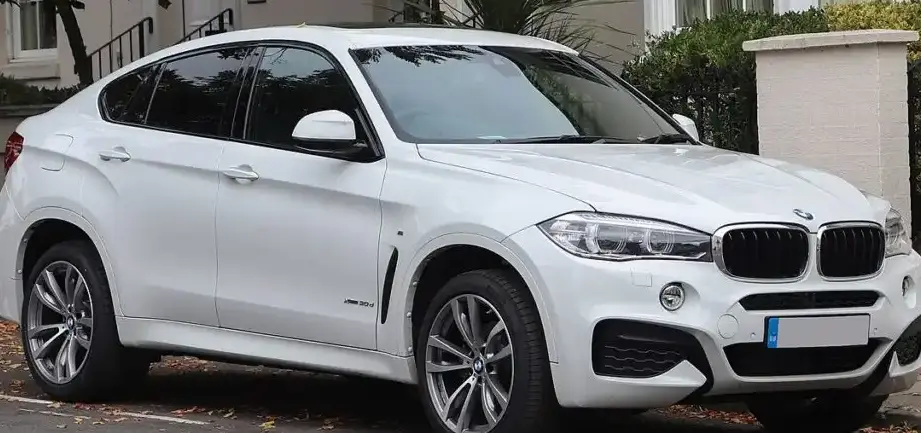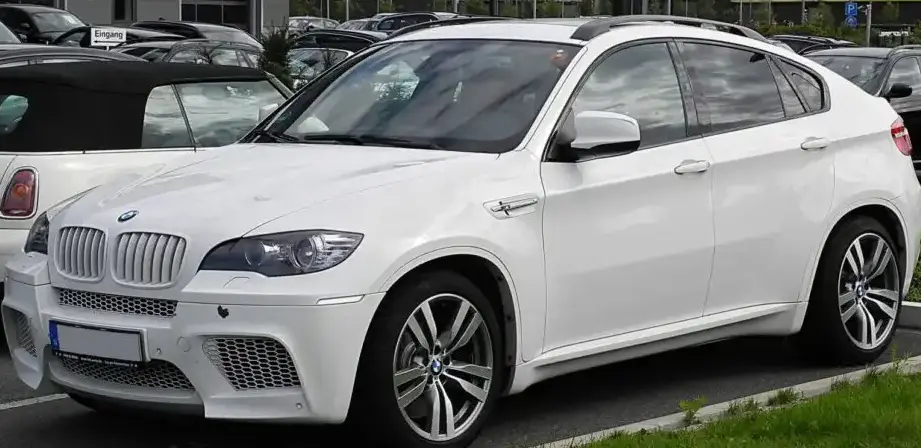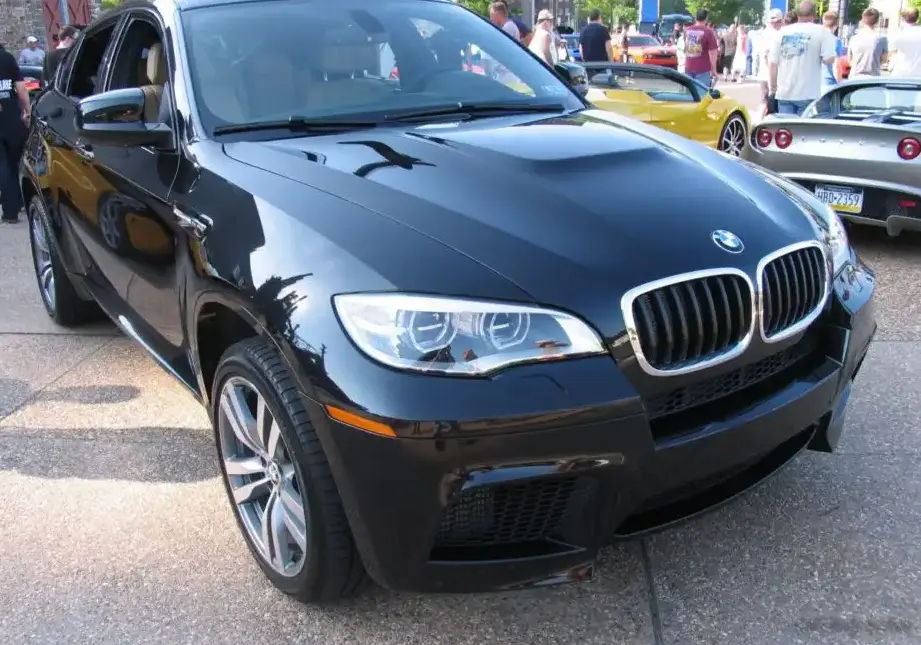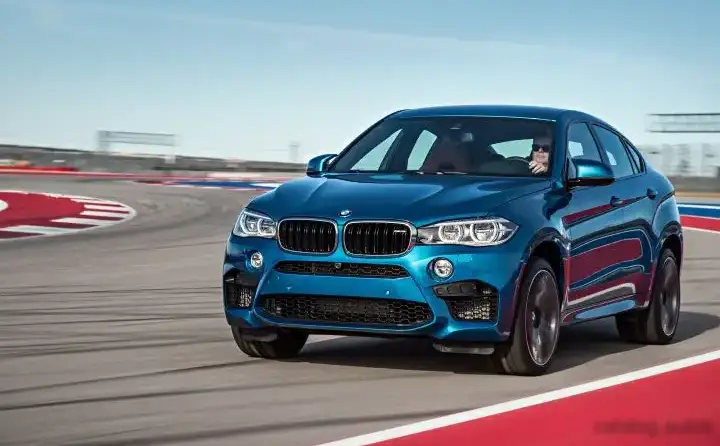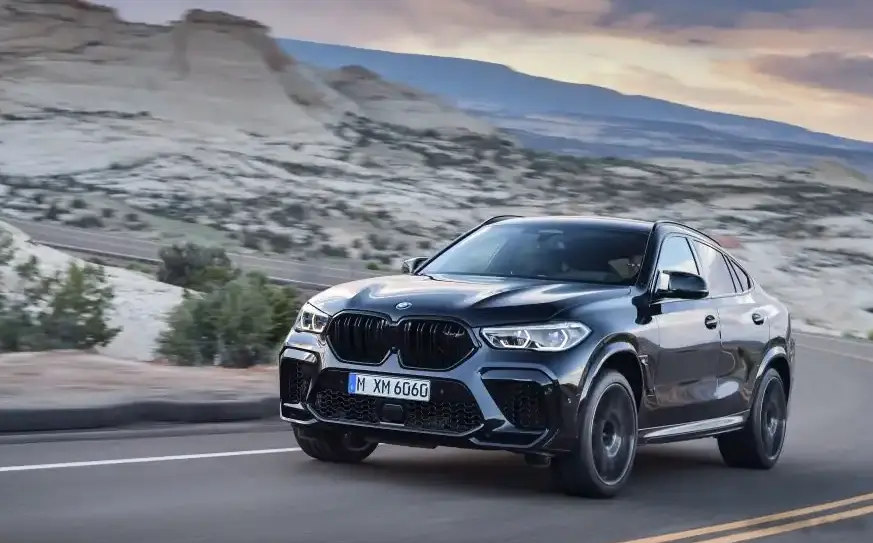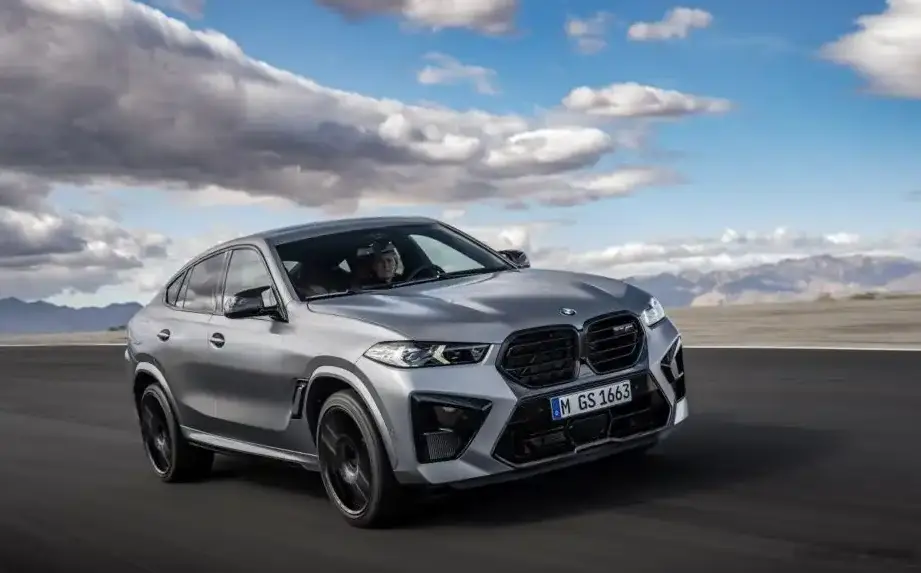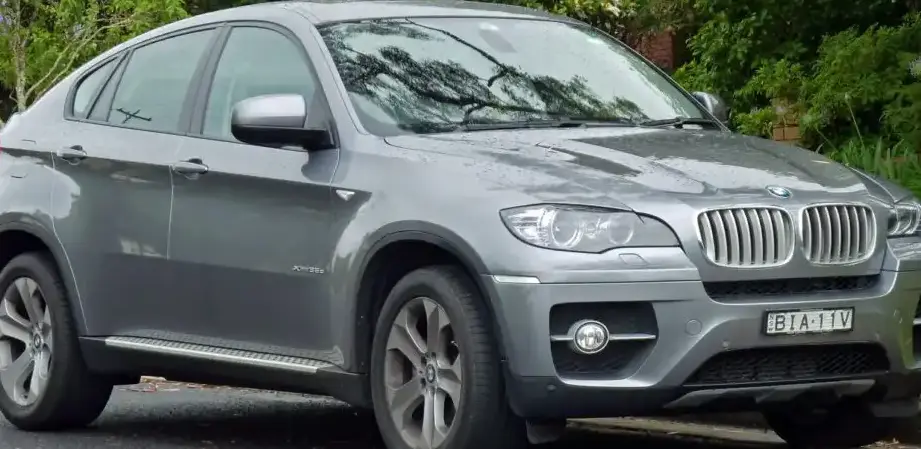
The BMW X6 ActiveHybrid 4.4, produced from October 2009 to January 2012, represented BMW’s initial foray into combining a luxury Sports Activity Coupe (SAC) with full hybrid technology. Positioned as a premium offering within the E71 X6 generation, it aimed to deliver enhanced fuel efficiency and reduced emissions without sacrificing the performance expected of a BMW. This model utilized a sophisticated full hybrid system pairing a 4.4-liter twin-turbocharged V8 gasoline engine with two electric motors, offering all-wheel drive capability through BMW’s xDrive system. The ActiveHybrid served as the top-tier, environmentally conscious option in the X6 lineup, sitting above the conventionally powered X6 35i, 50i, and M models.
Technical Specifications
| Brand | BMW |
| Model | X6 |
| Generation | X6 (E71) |
| Type (Engine) | ActiveHybrid 4.4 V8 (485 Hp) xDrive Steptronic |
| Start of production | October, 2009 |
| End of production | January, 2012 |
| Powertrain Architecture | FHEV (Full Hybrid Electric Vehicle) |
| Body type | SUV |
| Seats | 5 |
| Doors | 5 |
| Fuel consumption (economy) – urban (NEDC) | 10.8 l/100 km (21.8 US mpg, 26.2 UK mpg, 9.3 km/l) |
| Fuel consumption (economy) – extra urban (NEDC) | 9.4 l/100 km (25 US mpg, 30.1 UK mpg, 10.6 km/l) |
| Fuel consumption (economy) – combined (NEDC) | 9.9 l/100 km (23.8 US mpg, 28.5 UK mpg, 10.1 km/l) |
| CO2 emissions (NEDC) | 231 g/km |
| Fuel Type | Petrol (Gasoline) |
| Acceleration 0 – 100 km/h | 5.6 sec |
| Acceleration 0 – 62 mph | 5.6 sec |
| Acceleration 0 – 60 mph | 5.3 sec |
| Maximum speed | 236 km/h (146.64 mph) |
| Emission standard | Euro 5 |
| Weight-to-power ratio | 5.1 kg/Hp, 198 Hp/tonne |
| Weight-to-torque ratio | 3.1 kg/Nm, 318.4 Nm/tonne |
| Gross battery capacity | 2.4 kWh |
| Net (usable) battery capacity | 1.4 kWh |
| Battery voltage | 288 V |
| Battery technology | Nickel-metal hydride (NiMH) |
| Battery weight | 83 kg (182.98 lbs.) |
| Battery location | Under the trunk |
| Recuperation output | 50 kW |
| All-electric range (NEDC) | 2.5 km (1.55 mi) |
| Max speed (electric) | 60 km/h (37.28 mph) |
| Electric motor power (1) | 91 Hp @ 2750 rpm |
| Electric motor Torque (1) | 260 Nm @ 0 rpm (191.77 lb.-ft.) |
| Electric motor location (1) | Integrated into the transmission |
| Electric motor type (1) | Synchronous |
| Electric motor power (2) | 86 Hp @ 2500 rpm |
| Electric motor Torque (2) | 280 Nm @ 0 rpm (206.52 lb.-ft.) |
| Electric motor location (2) | Integrated into the transmission |
| Electric motor type (2) | Synchronous |
| System power | 485 Hp |
| System torque | 780 Nm (575.3 lb.-ft.) |
| Power | 407 Hp @ 5500-6400 rpm |
| Torque | 600 Nm @ 1750-4500 rpm (442.54 lb.-ft. @ 1750-4500 rpm) |
| Engine layout | Front, Longitudinal |
| Engine Model/Code | N63B44A |
| Engine displacement | 4395 cm3 (268.2 cu. in.) |
| Number of cylinders | 8 |
| Engine configuration | V-engine |
| Cylinder Bore | 89 mm (3.5 in.) |
| Piston Stroke | 88.3 mm (3.48 in.) |
| Compression ratio | 10:1 |
| Number of valves per cylinder | 4 |
| Fuel injection system | Direct injection |
| Engine aspiration | 2 x Twin-scroll turbo, Intercooler |
| Valvetrain | Double-VANOS |
| Engine oil capacity | 8.5 l (8.98 US qt | 7.48 UK qt) |
| Coolant | 21.8 l (23.04 US qt | 19.18 UK qt) |
| Kerb Weight | 2450-2580 kg (5401.33 – 5687.93 lbs.) |
| Max. weight | 3025 kg (6668.98 lbs.) |
| Max load | 445-575 kg (981.06 – 1267.66 lbs.) |
| Trunk (boot) space – minimum | 470 l (16.6 cu. ft.) |
| Trunk (boot) space – maximum | 1350 l (47.67 cu. ft.) |
| Fuel tank capacity | 85 l (22.45 US gal | 18.7 UK gal) |
| Max. roof load | 100 kg (220.46 lbs.) |
| Permitted trailer load with brakes (12%) | 2000 kg (4409.25 lbs.) |
| Permitted trailer load without brakes | 750 kg (1653.47 lbs.) |
| Permitted towbar download | 120 kg (264.55 lbs.) |
| Length | 4877 mm (192.01 in.) |
| Width | 1983 mm (78.07 in.) |
| Width including mirrors | 2195 mm (86.42 in.) |
| Height | 1697 mm (66.81 in.) |
| Wheelbase | 2933 mm (115.47 in.) |
| Front track | 1644 mm (64.72 in.) |
| Rear (Back) track | 1706 mm (67.17 in.) |
| Front overhang | 858 mm (33.78 in.) |
| Rear overhang | 1086 mm (42.76 in.) |
| Ride height (ground clearance) | 219 mm (8.62 in.) |
| Drag coefficient (Cd) | 0.36 |
| Minimum turning circle (turning diameter) | 12.8 m (41.99 ft.) |
| Approach angle | 26.1° |
| Departure angle | 25.9° |
| Ramp-over (brakeover) angle | 19.7° |
| Drivetrain Architecture | The Internal combustion engine (ICE) and Two electric motors permanently drive the four wheels of the car with the ability to work in full electric or mixed mode. |
| Drive wheel | All wheel drive (4×4) |
| Number of gears and type of gearbox | 7 gears, automatic transmission Steptronic |
| Front suspension | Coil spring, Double wishbone, Transverse stabilizer |
| Rear suspension | Independent multi-link suspension, Air suspension, Transverse stabilizer |
| Front brakes | Ventilated discs, 385×36 mm |
| Rear brakes | Ventilated discs, 345×24 mm |
| Assisting systems | ABS (Anti-lock braking system) |
| Steering type | Steering rack and pinion |
| Power steering | Electric Steering |
| Tires size | Front wheel tires: 255/50 R19; 275/40 R20Rear wheel tires: 255/50 R19; 315/35 R20 |
| Wheel rims size | Front wheel rims: 9J x 19; 10J x 20Rear wheel rims: 9J x 19; 11J x 20 |
Powertrain & Engine Architecture
At the heart of the X6 ActiveHybrid lies the N63B44A 4.4-liter twin-turbocharged V8 engine. This engine, a staple in many BMW models of the era, produces 407 horsepower and 442.5 lb-ft of torque. The engine utilizes direct fuel injection and BMW’s Double-VANOS variable valve timing system for optimized performance and efficiency. Supplementing the V8 are two electric motors – one integrated into the transmission housing and another positioned between the engine and the transmission. These motors contribute a combined 91 horsepower and 260 lb-ft of torque. The transmission is a seven-speed Steptronic automatic, specifically tuned to work seamlessly with the hybrid powertrain. The nickel-metal hydride (NiMH) battery pack, with a gross capacity of 2.4 kWh and a usable capacity of 1.4 kWh, is located under the trunk floor. The hybrid system allows for limited all-electric driving (up to 2.5 km or 1.55 miles) at speeds up to 60 km/h (37.28 mph).
Driving Characteristics
The X6 ActiveHybrid’s driving experience is a blend of performance and efficiency. While not as overtly sporty as the X6 M, the combined output of 485 horsepower and 575.3 lb-ft of torque provides brisk acceleration – 0 to 60 mph in approximately 5.3 seconds. The electric motors provide instant torque, filling in gaps in the power delivery of the V8, particularly at lower RPMs. The Steptronic transmission offers smooth and responsive shifts, and the hybrid system intelligently manages power distribution between the engine and electric motors. Compared to the X6 50i, the ActiveHybrid offers similar performance but with improved fuel economy. However, the added weight of the hybrid components (approximately 300 lbs) does slightly diminish the handling agility compared to the lighter X6 models.
Equipment & Trim Levels
The X6 ActiveHybrid came standard with a comprehensive list of luxury features, befitting its premium positioning. Standard equipment included leather upholstery, power-adjustable front seats with memory function, a premium sound system, navigation system, and automatic climate control. Exterior features included unique ActiveHybrid badging, alloy wheels, and adaptive headlights. Optional extras included upgraded leather trim, a rear-seat entertainment system, and various driver-assistance features like lane departure warning and adaptive cruise control. The interior design mirrored that of other E71 X6 models, with a driver-focused cockpit and a spacious cabin.
Chassis & Braking
The X6 ActiveHybrid utilizes a robust chassis designed to handle the vehicle’s weight and power. The front suspension features coil springs and a double wishbone setup, while the rear suspension employs an independent multi-link design with air suspension. The air suspension provides adjustable ride height and improved comfort. Braking duties are handled by ventilated discs on all four wheels, with larger front discs (385×36 mm) than the rear (345×24 mm). The ActiveHybrid is equipped with ABS (Anti-lock braking system) and other electronic stability control systems to ensure safe and controlled braking performance.
Market Reception & Comparison
The BMW X6 ActiveHybrid was generally well-received by automotive critics, who praised its fuel efficiency and smooth driving experience. However, some reviewers noted that the hybrid system added significant weight and complexity, and the all-electric range was limited. Compared to the X6 50i, the ActiveHybrid offered comparable performance with improved fuel economy (9.9 l/100 km vs. 12.8 l/100 km for the 50i). However, the ActiveHybrid carried a higher price tag. Against competitors like the Porsche Cayenne Hybrid, the X6 ActiveHybrid offered a more luxurious interior and a more engaging driving experience.
Legacy
The BMW X6 ActiveHybrid, while not a massive sales success, paved the way for BMW’s broader adoption of hybrid technology. The N63B44A engine, despite some early issues with fuel pump failures, proved to be relatively reliable when properly maintained. The hybrid components, while complex, have generally held up well over time. On the used car market, the X6 ActiveHybrid represents a unique and relatively affordable entry point into the world of luxury hybrid SUVs. However, potential buyers should be aware of the increased maintenance costs associated with the hybrid system and ensure that the battery pack is in good condition.