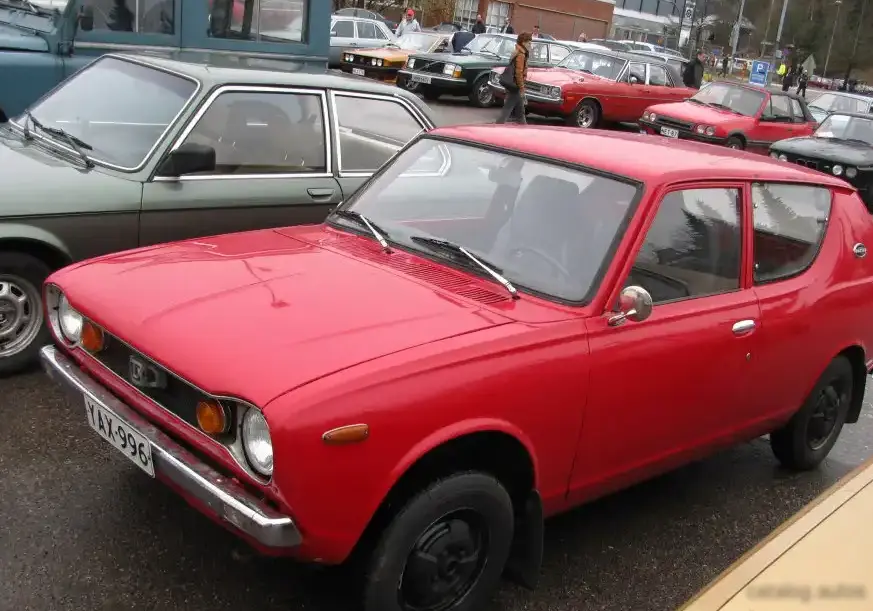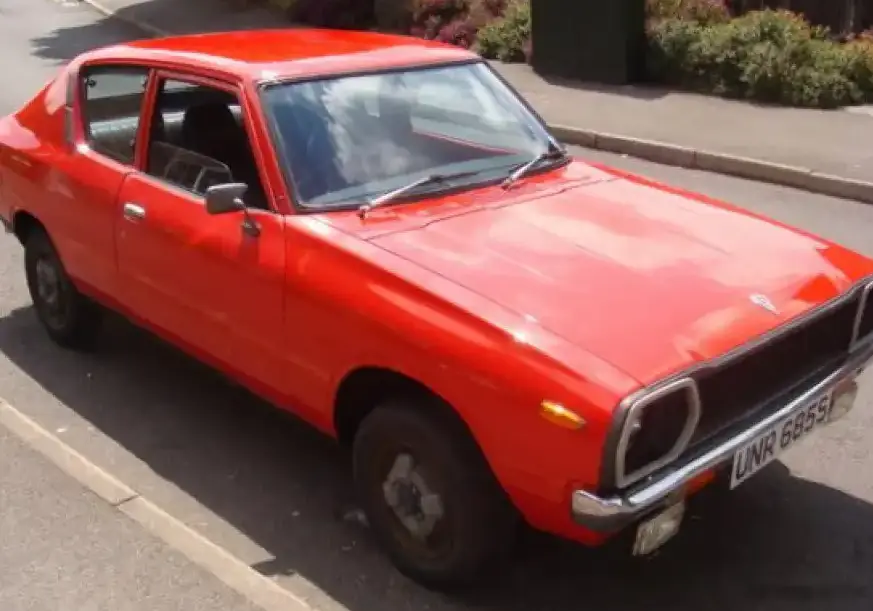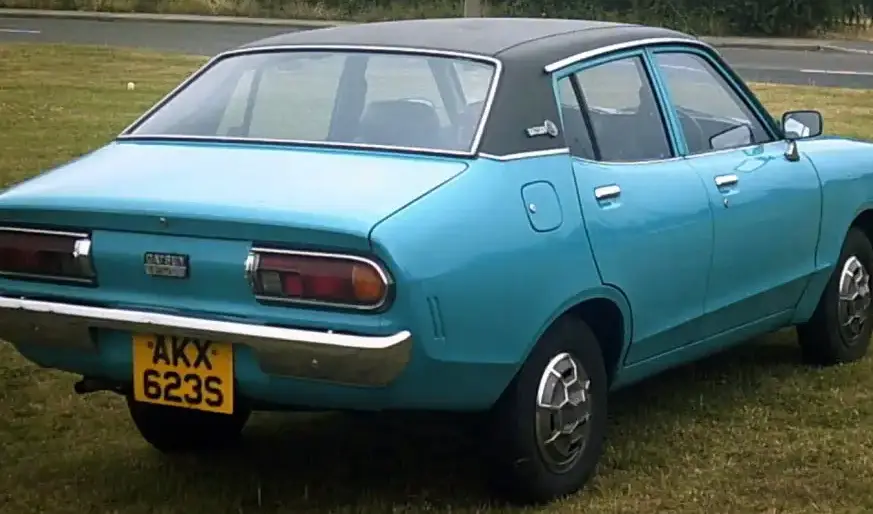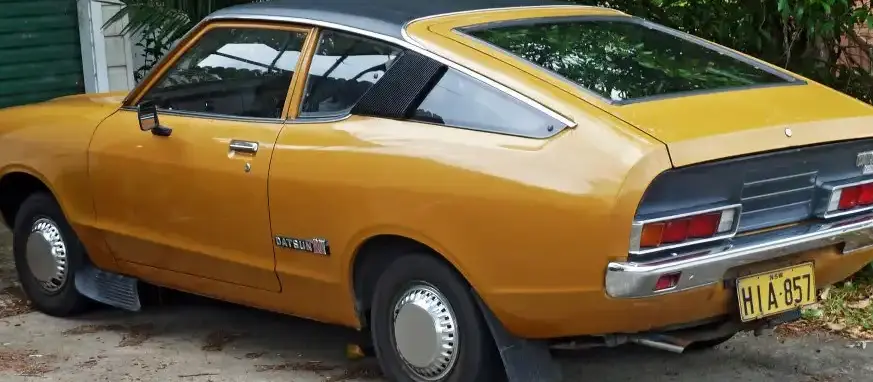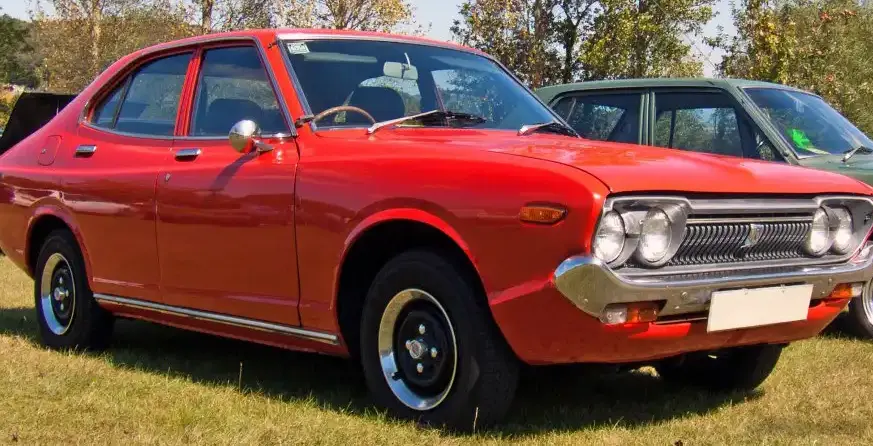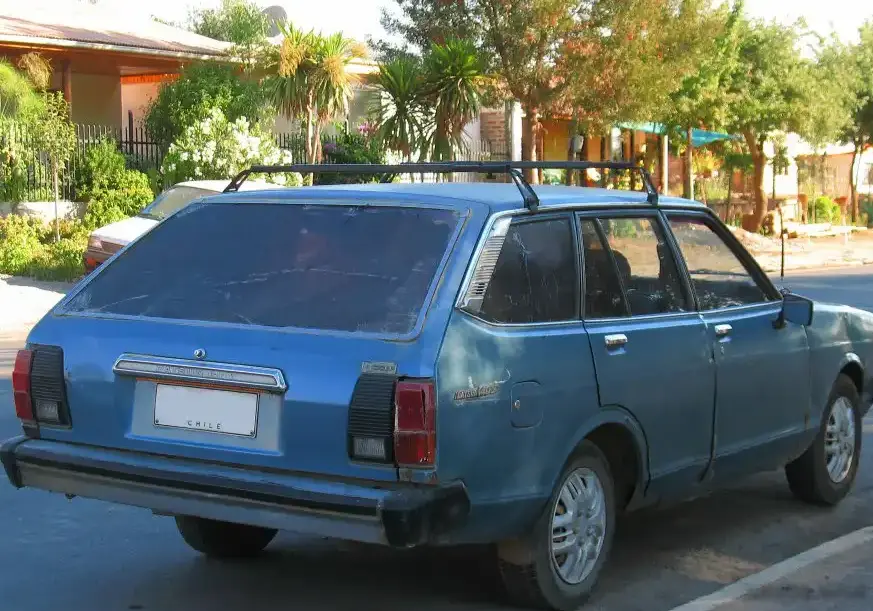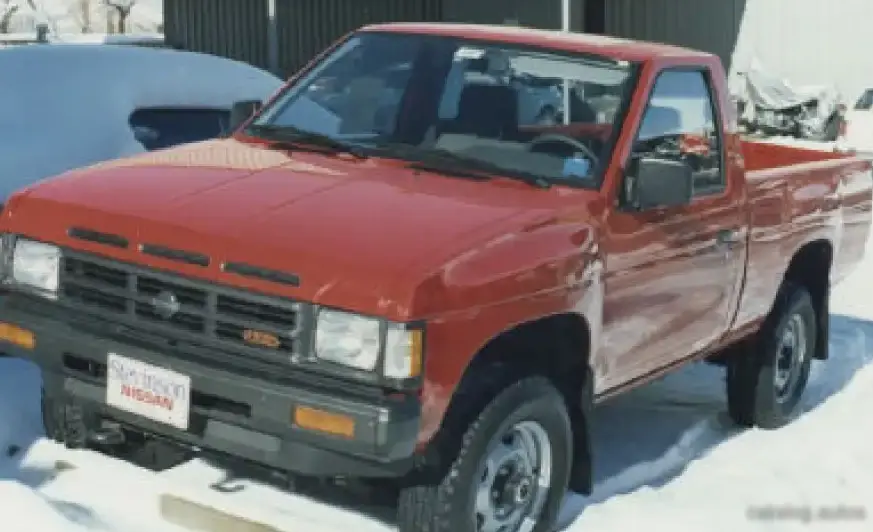
The Nissan Datsun D21, specifically the 2.0-liter four-wheel-drive variant producing 91 horsepower, was a mainstay of the compact pickup truck market from 1989 to 1996. Representing the second generation of Nissan’s compact truck line (following the D20), the D21 was sold under both the Datsun and Nissan brands during its production run, reflecting the company’s transition away from the Datsun nameplate. This particular engine and drivetrain configuration occupied a middle ground in the D21 lineup, offering a balance between affordability, capability, and fuel economy. It was aimed at buyers needing a versatile truck for light-duty work and occasional off-road use.
Technical Specifications
| Brand | Nissan |
| Model | Datsun |
| Generation | Datsun (D21) |
| Type (Engine) | 2.0 4WD (91 Hp) |
| Start of production | 1989 year |
| End of production | 1996 year |
| Powertrain Architecture | Internal Combustion engine |
| Body type | Pick-up |
| Seats | 5 |
| Doors | 4 |
| Fuel Type | Petrol (Gasoline) |
| Weight-to-power ratio | 17.4 kg/Hp, 57.6 Hp/tonne |
| Weight-to-torque ratio | 9.9 kg/Nm, 100.6 Nm/tonne |
| Power | 91 Hp @ 5000 rpm |
| Power per litre | 45.5 Hp/l |
| Torque | 159 Nm @ 3000 rpm (117.27 lb.-ft. @ 3000 rpm) |
| Engine layout | Front, Transverse |
| Engine displacement | 1998 cm3 (121.93 cu. in.) |
| Number of cylinders | 4 |
| Engine configuration | Inline |
| Cylinder Bore | 86 mm (3.39 in.) |
| Piston Stroke | 86 mm (3.39 in.) |
| Compression ratio | 8:1 |
| Number of valves per cylinder | 2 |
| Fuel injection system | Multi-port manifold injection |
| Engine aspiration | Naturally aspirated engine |
| Valvetrain | OHC |
| Kerb Weight | 1580 kg (3483.3 lbs) |
| Fuel tank capacity | 60 l (15.85 US gal | 13.2 UK gal) |
| Length | 4690 mm (184.65 in.) |
| Width | 1690 mm (66.54 in.) |
| Height | 1725 mm (67.91 in.) |
| Wheelbase | 2950 mm (116.14 in.) |
| Front track | 1425 mm (56.1 in.) |
| Rear (Back) track | 1385 mm (54.53 in.) |
| Drive wheel | All wheel drive (4×4) |
| Number of gears and type of gearbox | 5 gears, manual transmission |
| Front brakes | Ventilated discs |
| Rear brakes | Drum |
Powertrain & Engine Architecture
The heart of this D21 variant is the Nissan KA24E, a 2.0-liter inline-four cylinder engine. This engine, part of the KA series, utilizes a single overhead camshaft (OHC) design with two valves per cylinder. The KA24E featured multi-port fuel injection, a significant improvement over earlier carbureted Datsun engines, contributing to better fuel efficiency and smoother operation. The 8:1 compression ratio was a compromise between performance and the fuel quality available in various markets. The engine’s relatively simple design prioritized reliability and ease of maintenance. The 91 horsepower output was achieved at 5000 rpm, while peak torque of 159 Nm (117.27 lb-ft) arrived at 3000 rpm. This engine was paired with a five-speed manual transmission, providing a reasonable spread of gears for both on-road cruising and off-road crawling. An automatic transmission option was also available, though it typically resulted in a slight decrease in horsepower and fuel economy.
Driving Characteristics
The 2.0-liter, four-wheel-drive D21 offered a practical driving experience. Acceleration was adequate for everyday driving, but not particularly brisk. The 91 horsepower engine required drivers to plan ahead when merging onto highways or climbing hills. The five-speed manual transmission allowed for good control over the engine’s powerband, and the gear ratios were well-suited to both city and highway driving. The four-wheel-drive system, typically engaged via a lever or button, provided enhanced traction in slippery conditions, making the D21 a capable light-duty work truck and a reasonable choice for recreational off-roading. Compared to the larger 2.4-liter engine option, the 2.0-liter felt less powerful, but it also offered slightly better fuel economy. The manual transmission version felt more responsive than the automatic.
Equipment & Trim Levels
The D21 2.0 4WD was generally offered in a base or mid-level trim. Standard features typically included a basic AM/FM radio, vinyl or cloth upholstery, and a relatively spartan interior. Optional extras included air conditioning, a cassette player, upgraded sound systems, and power steering. Higher trim levels, if available, might have added features like chrome exterior trim, upgraded interior materials, and more comfortable seating. The focus of this trim level was functionality and affordability, rather than luxury.
Chassis & Braking
The D21 utilized a body-on-frame construction, providing a robust and durable platform. The front suspension consisted of independent double wishbones with coil springs, while the rear suspension employed leaf springs. This setup provided a comfortable ride, although it could be somewhat bouncy when unloaded. Braking duties were handled by ventilated discs in the front and drum brakes in the rear. The braking system was adequate for the truck’s weight and performance, but it lacked the stopping power of more modern vehicles. The four-wheel-drive system employed a part-time system, meaning it was not intended for continuous operation on paved roads.
Market Reception & Comparison
The D21 2.0 4WD was well-received as a reliable and affordable compact pickup truck. Critics praised its durability and practicality, but noted its relatively modest performance. Compared to other trucks in its class, such as the Toyota Tacoma and Ford Ranger, the D21 offered a competitive price point and a reputation for long-term reliability. The 2.0-liter engine provided reasonable fuel economy, but it lagged behind some of its competitors in terms of horsepower and torque. The manual transmission version was generally preferred by enthusiasts for its more engaging driving experience.
Legacy
The Nissan Datsun D21, particularly the 2.0-liter 4WD variant, has developed a loyal following among truck enthusiasts. The KA24E engine is known for its durability and relative simplicity, making it a popular choice for engine swaps and modifications. Well-maintained D21s are still found on the road today, testament to their robust construction and reliable powertrains. In the used car market, these trucks are often sought after for their affordability and off-road capability. However, potential buyers should be aware of common issues such as rust, worn suspension components, and aging rubber parts. The D21 represents a significant chapter in Nissan’s history, and it remains a popular choice for those seeking a classic and capable compact pickup truck.