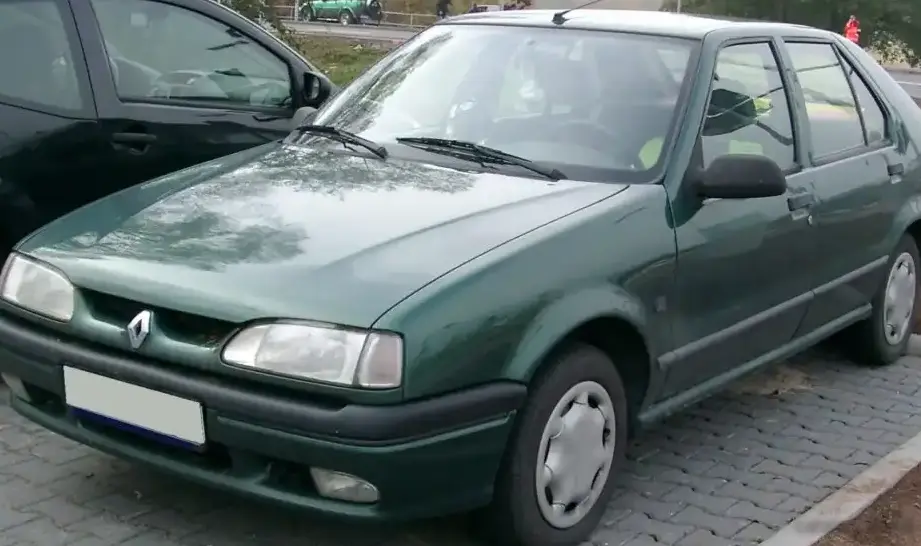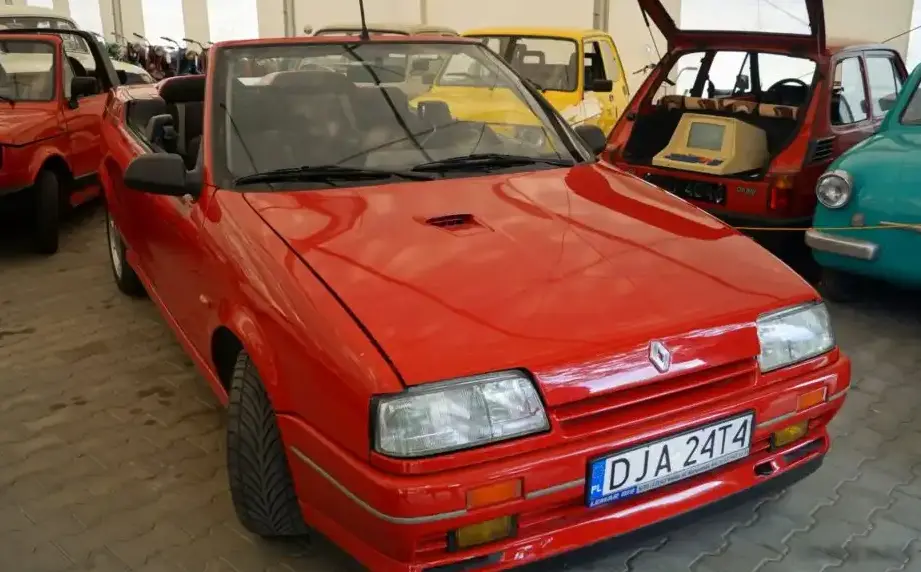
The Renault 19 I Cabriolet 1.8 16V, produced between 1991 and 1992, represented a stylish and accessible entry into the world of open-top motoring for European buyers. Part of the broader Renault 19 range (D53), the Cabriolet offered a more emotive alternative to the practical hatchback and saloon models. This variant, powered by the F7P 1.8-liter 16-valve engine, aimed to balance performance with affordability, positioning itself as a desirable mid-range option within the Cabriolet lineup. It was a relatively short-lived model, superseded by later iterations of the 19 Cabriolet with updated styling and mechanical refinements.
Technical Specifications
| Brand | Renault |
| Model | 19 |
| Generation | 19 I Cabriolet (D53) |
| Type (Engine) | 1.8 16V (135 Hp) |
| Start of production | 1991 |
| End of production | 1992 |
| Powertrain Architecture | Internal Combustion engine |
| Body type | Cabriolet |
| Seats | 5 |
| Doors | 2 |
| Fuel Type | Petrol (Gasoline) |
| Power | 135 Hp |
| Engine Model/Code | F7P |
| Engine aspiration | Naturally aspirated engine |
| Engine oil capacity | 6.5 l (6.87 US qt | 5.72 UK qt) |
| Coolant capacity | 7 l (7.4 US qt | 6.16 UK qt) |
| Fuel tank capacity | 55 l (14.53 US gal | 12.1 UK gal) |
Powertrain & Engine Architecture
The heart of the Renault 19 I Cabriolet 1.8 16V is the F7P engine, a 1.8-liter, naturally aspirated inline-four cylinder powerplant. This engine was a key component of Renault’s mid-range offerings during the late 1980s and early 1990s. The ‘16V’ designation indicates the engine features four valves per cylinder, enhancing breathing and contributing to its higher power output compared to the 8-valve versions. Fuel delivery is managed by Bosch Motronic fuel injection, a sophisticated system for its time, optimizing fuel efficiency and emissions. The F7P engine utilizes a single overhead camshaft (SOHC) design, simplifying the valvetrain while still providing adequate performance.
While a five-speed manual transmission was available on other 19 models, the 1.8 16V Cabriolet was primarily offered with a four-speed automatic transmission. This automatic, while providing ease of use, was not known for its particularly quick shifts or sporty feel. It was geared more towards comfortable cruising than spirited driving. The automatic transmission’s gear ratios were optimized for fuel economy and smooth acceleration, rather than outright performance.
Driving Characteristics
The 1.8 16V engine delivers a respectable 135 horsepower, providing adequate performance for the relatively lightweight Cabriolet body style. Acceleration from 0 to 60 mph is estimated to be around 9.5 seconds, which was competitive for its class in the early 1990s. However, the four-speed automatic transmission does detract from the engine’s potential. The automatic’s shift points can feel somewhat sluggish, and it lacks the responsiveness of a manual gearbox. Compared to the manual transmission versions of the 1.8 16V, the automatic feels noticeably slower, particularly during overtaking maneuvers. The power delivery is relatively linear, with a usable amount of torque available across a broad rev range. The Cabriolet’s suspension provides a comfortable ride, but body roll is noticeable during cornering, typical for a vehicle of this type and era.
Equipment & Trim Levels
The Renault 19 I Cabriolet 1.8 16V typically came equipped with a reasonable level of standard features. Interior appointments included cloth upholstery, a basic stereo system, and power steering. The dashboard layout was functional and straightforward, typical of French automotive design of the period. Optional extras included leather upholstery, alloy wheels, and a more advanced stereo system. The Cabriolet trim also featured a power-operated soft top, which was a key selling point. The interior trim quality was generally considered adequate for the price point, but not particularly luxurious.
Chassis & Braking
The Renault 19 Cabriolet utilizes a MacPherson strut front suspension and a torsion beam rear suspension. This setup provides a good balance between ride comfort and handling. The front brakes are disc brakes, while the rear brakes are typically drum brakes, a cost-saving measure common in this segment. The braking performance is adequate for normal driving conditions, but lacks the stopping power of more modern vehicles. Stabilizer bars are fitted to both the front and rear axles to reduce body roll during cornering. The steering is power-assisted, making it relatively easy to maneuver at low speeds.
Market Reception & Comparison
The Renault 19 I Cabriolet 1.8 16V was generally well-received by automotive critics as an affordable and stylish open-top car. However, the four-speed automatic transmission was often criticized for its lack of responsiveness. Compared to other Cabriolets in its class, such as the Peugeot 205 Cabriolet and the Volkswagen Golf Cabriolet, the Renault 19 offered a competitive price point and a distinctive French design. Fuel economy was reasonable for a vehicle of this type, averaging around 28-32 mpg. Reliability was generally good, although some owners reported minor electrical issues. The 1.8 16V engine was considered relatively robust and durable.
Legacy
The Renault 19 I Cabriolet 1.8 16V, while a relatively short-lived model, remains a popular choice among classic car enthusiasts. The F7P engine is known for its reliability and relatively simple maintenance requirements. Parts availability is generally good, although some specific trim pieces may be difficult to find. Today, these cars are often sought after for their retro charm and affordable price. The automatic transmission variant, while not the most desirable from a performance perspective, offers a more relaxed driving experience, making it a suitable choice for those seeking a comfortable and stylish classic Cabriolet. The car represents a significant moment in Renault’s history, showcasing their ability to produce attractive and accessible vehicles for the mass market.